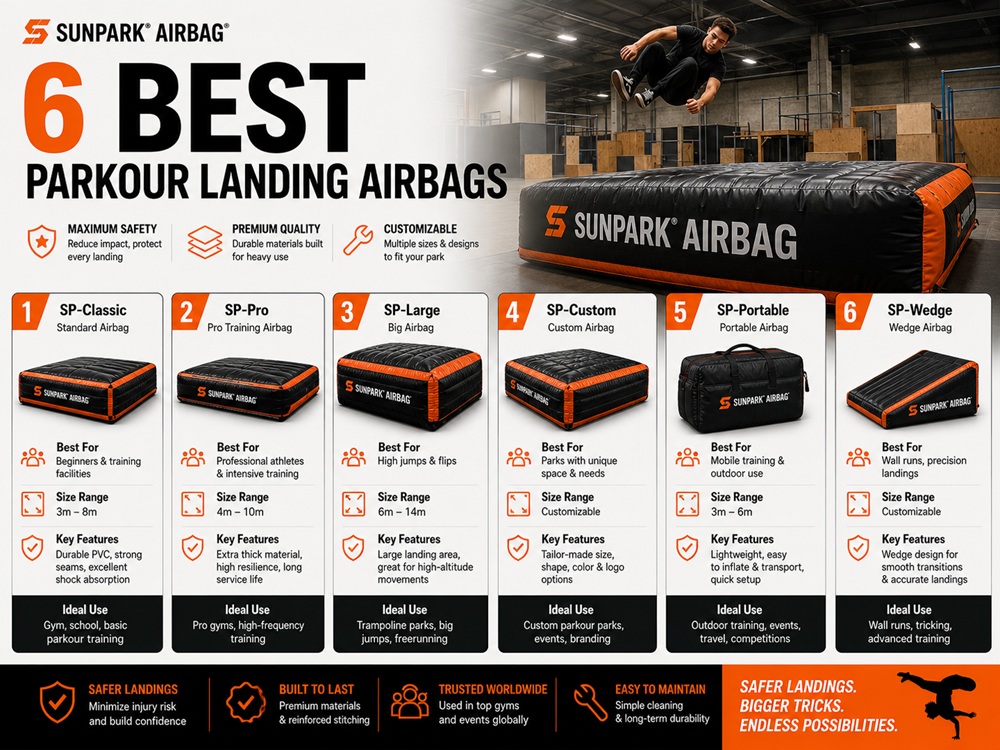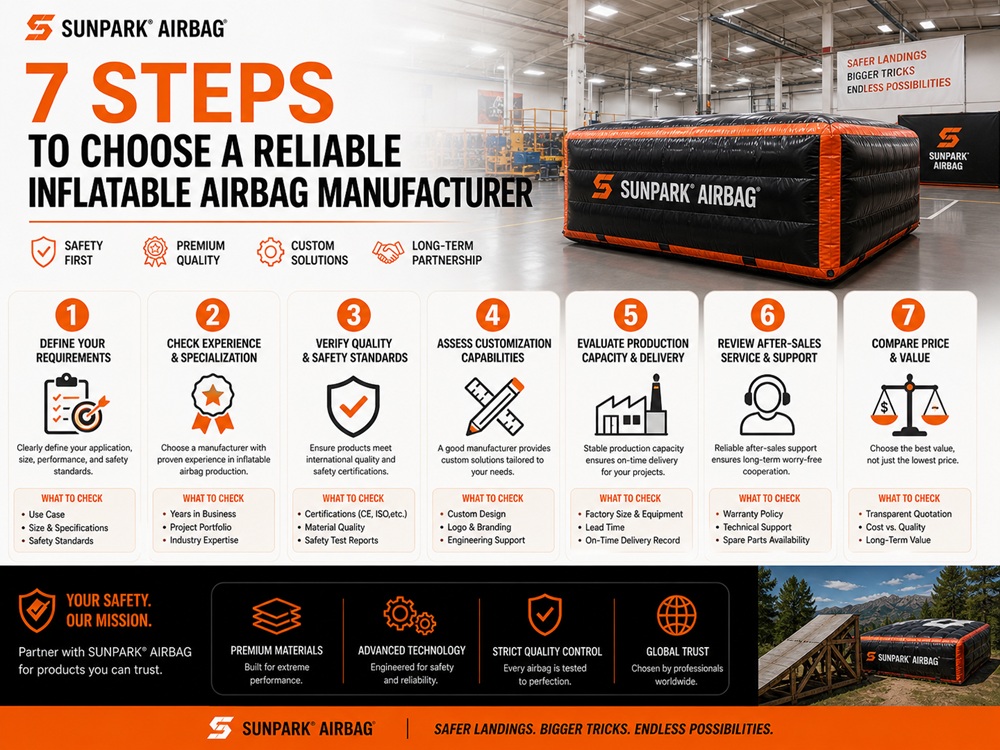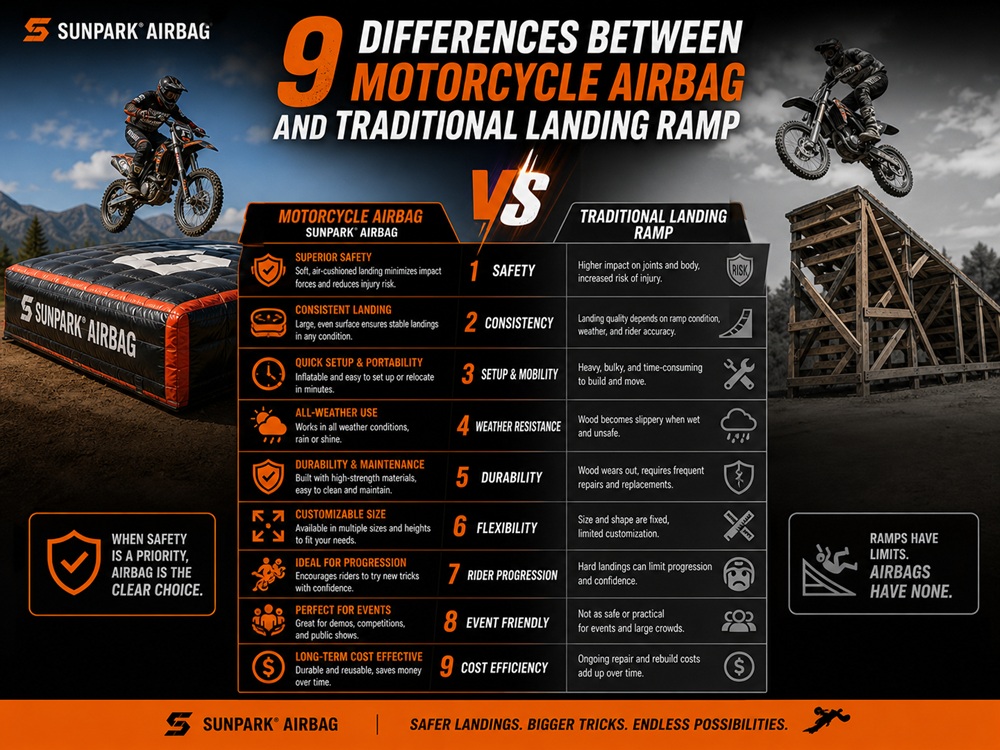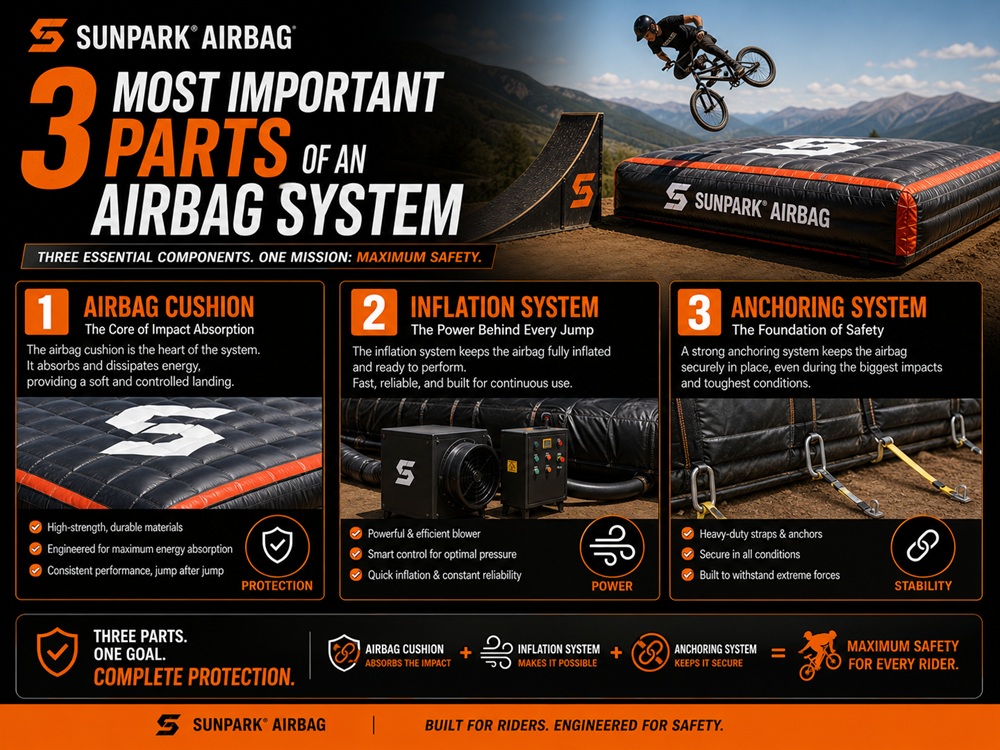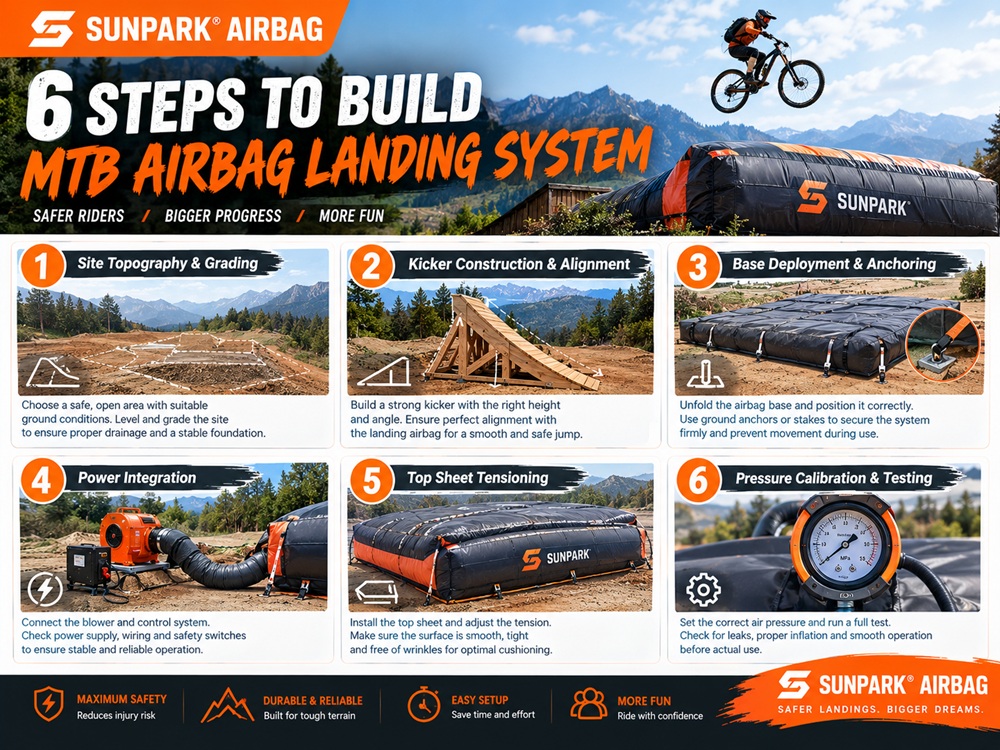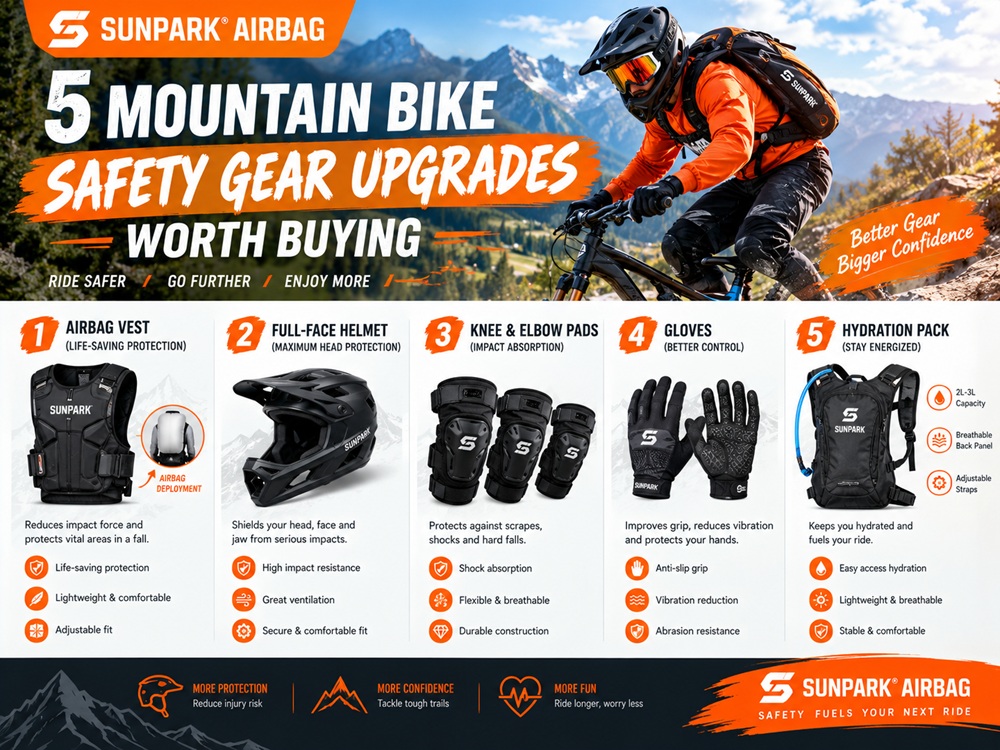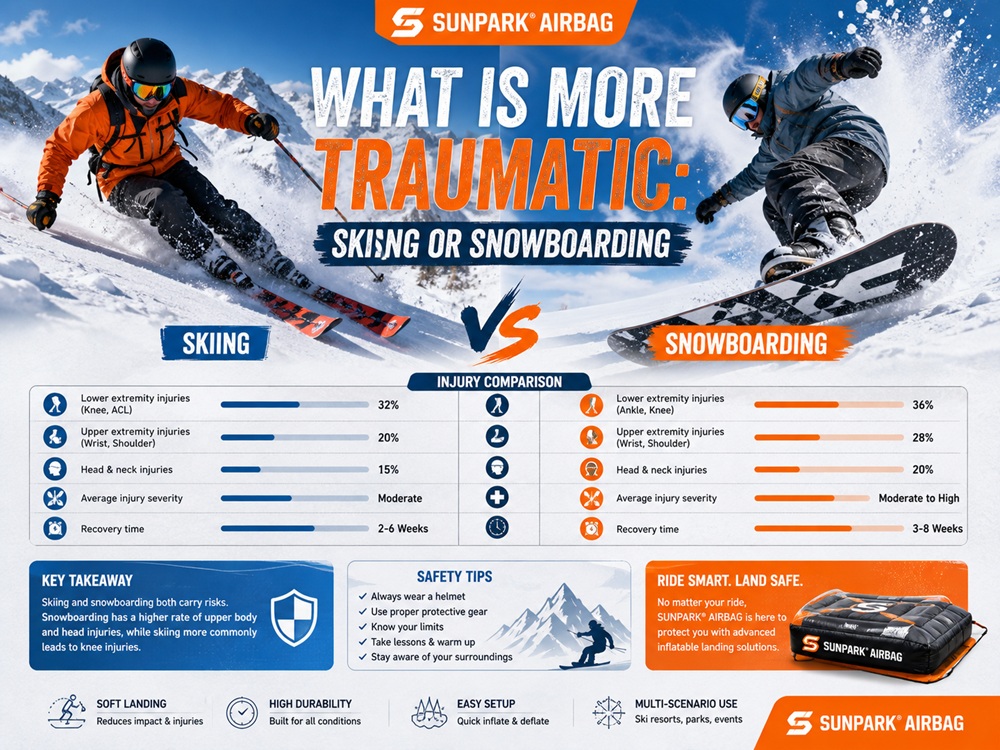
As extreme sports and high-performance gymnastics continue to push the boundaries of human athletic potential, the question of risk mitigation becomes paramount. Facility owners, professional athletes, and parents of aspiring gymnasts frequently ask: are airbag jumps safe? From our experience at SUNPARK® AIRBAG, the answer is a definitive yes, provided the equipment is engineered with precision, utilized correctly, and manufactured to the highest industry standards.
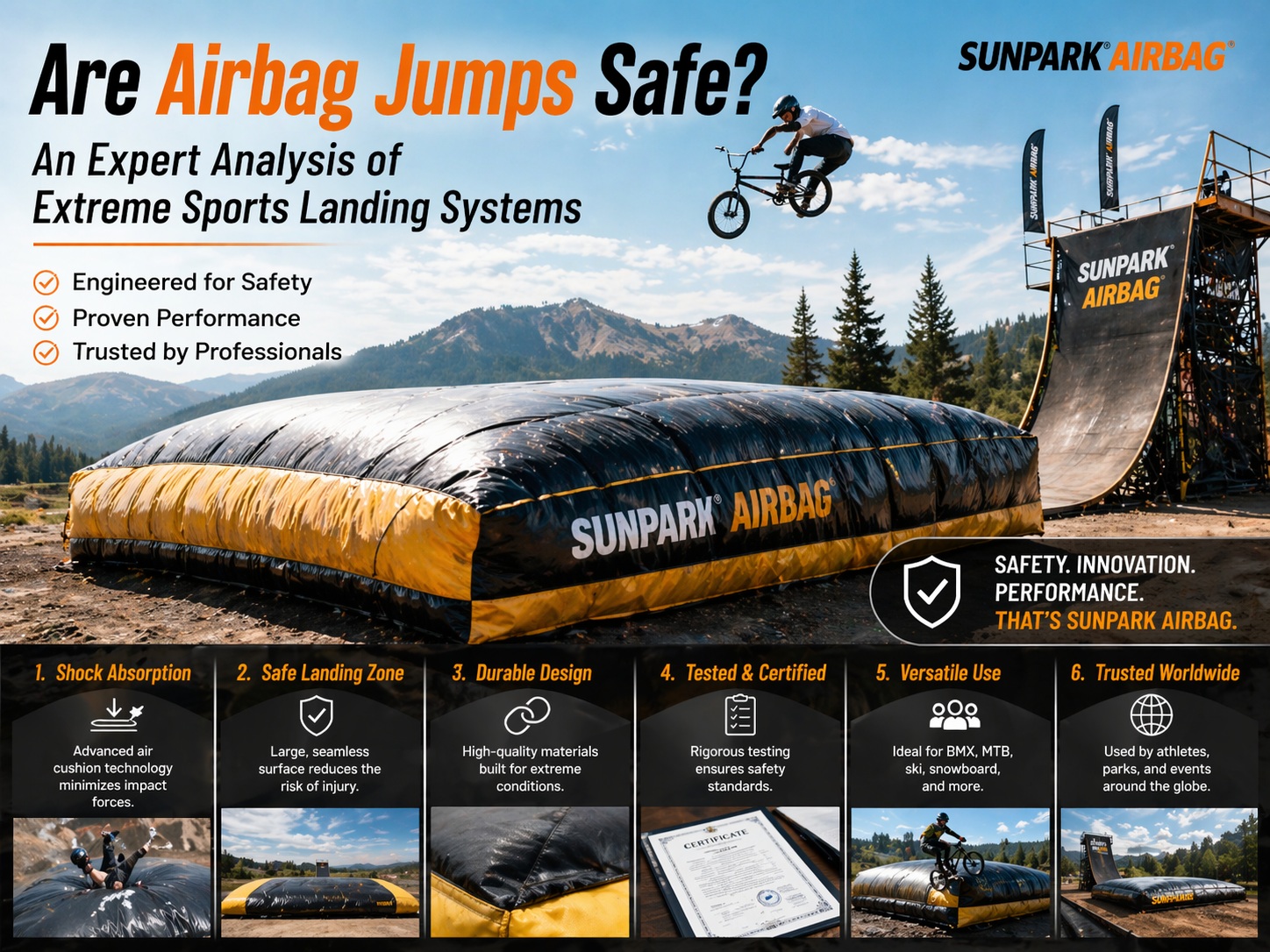
With over 10 years of experience, we provide freestyle airbags for ski resorts, theme parks, sports, and gymnastics facilities around the globe. As extreme sports have developed, more and more snowboarders and serious sports enthusiasts are looking for safer training possibilities to progress without the risks of getting injured. We create products for World Champion Snowboarders, famous riders, and trampoline parks worldwide. We are deeply committed to the development and improvement of our own products. In this comprehensive guide, we will explore the science of pneumatic impact absorption, compare modern systems to legacy training methods, and definitively answer the question: are airbag jumps safe?
1. The Science of Pneumatic Impact Absorption
To fundamentally understand the mechanics and answer the query, are airbag jumps safe, one must look at the physics of kinetic energy dispersion. When an athlete performs an aerial maneuver and lands, their body carries significant kinetic energy. A hard surface forces the joints, ligaments, and bones to absorb this shock, which frequently leads to acute or chronic injuries.
In contrast, a meticulously engineered pneumatic system operates on the principle of controlled air displacement. When an athlete impacts an inflatable landing zone, the system does not act as a rigid trampoline that violently rebounds the energy. Instead, internal pillars and adjustable air release valves allow the air to escape at a calibrated rate. This controlled deflation decelerates the athlete gradually, spreading the impact force over a larger surface area of the body and a longer duration of time. From our experience, this specific deceleration profile is exactly why athletes consistently find that are airbag jumps safe for repetitive training.
2. The Evolution of Training: Foam Pits vs. Airbags
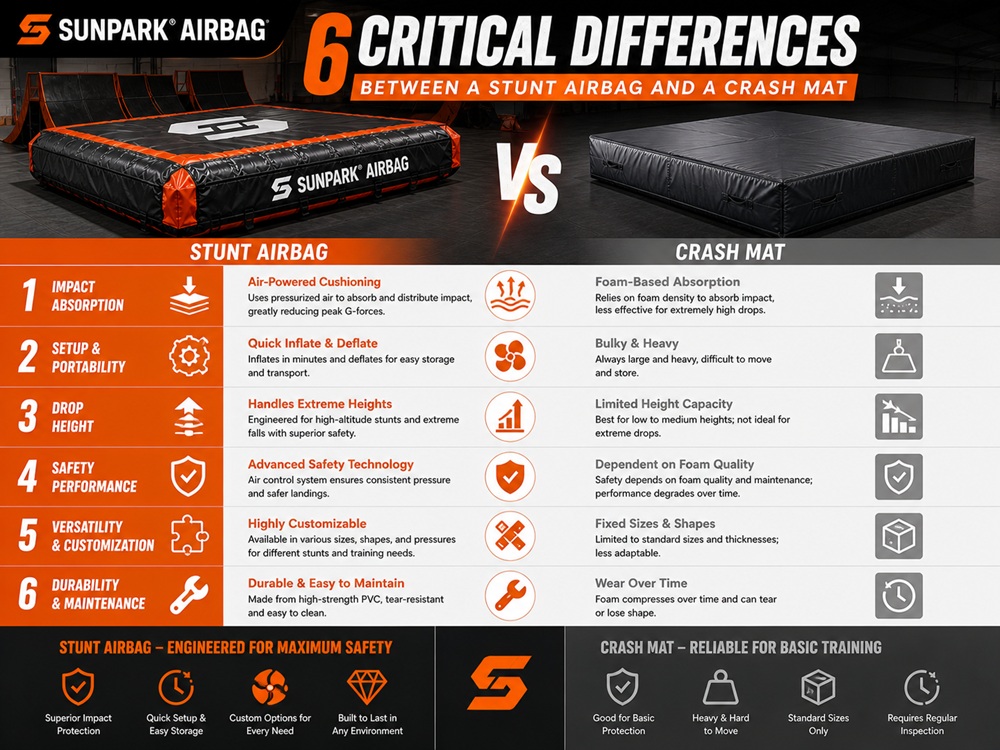
For decades, loose polyurethane foam blocks were the industry standard for gymnastics and extreme sports training facilities. However, as sports science has advanced, the flaws of these legacy systems have become glaringly apparent. Facility managers transitioning their setups routinely ask us, are airbag jumps safe compared to foam pits? We recommend pneumatic systems over foam for several critical reasons.
First, foam blocks degrade over time. As they break down, they create a phenomenon known as “bottoming out,” where an athlete sinks through the foam and strikes the hard floor beneath. Furthermore, foam pits are notoriously unhygienic. They trap sweat, dust, skin cells, and bacteria, acting as breeding grounds for staph infections and respiratory irritants. They also present a severe fire hazard.
To combat these dangers, we developed the Gymnastics Foam Pit Airbag and the Foam Pit Inflatable Airbag. These products fit perfectly into existing pit structures but replace the loose foam with a dual-chamber pneumatic system. The top sheet can be sanitized in minutes with a simple antibacterial wipe down, completely eliminating the respiratory and hygienic risks associated with decaying foam. Furthermore, the firmness of our airbags can be adjusted, eliminating the risk of bottoming out entirely.
3. Engineering Excellence: What Makes Our Systems Secure
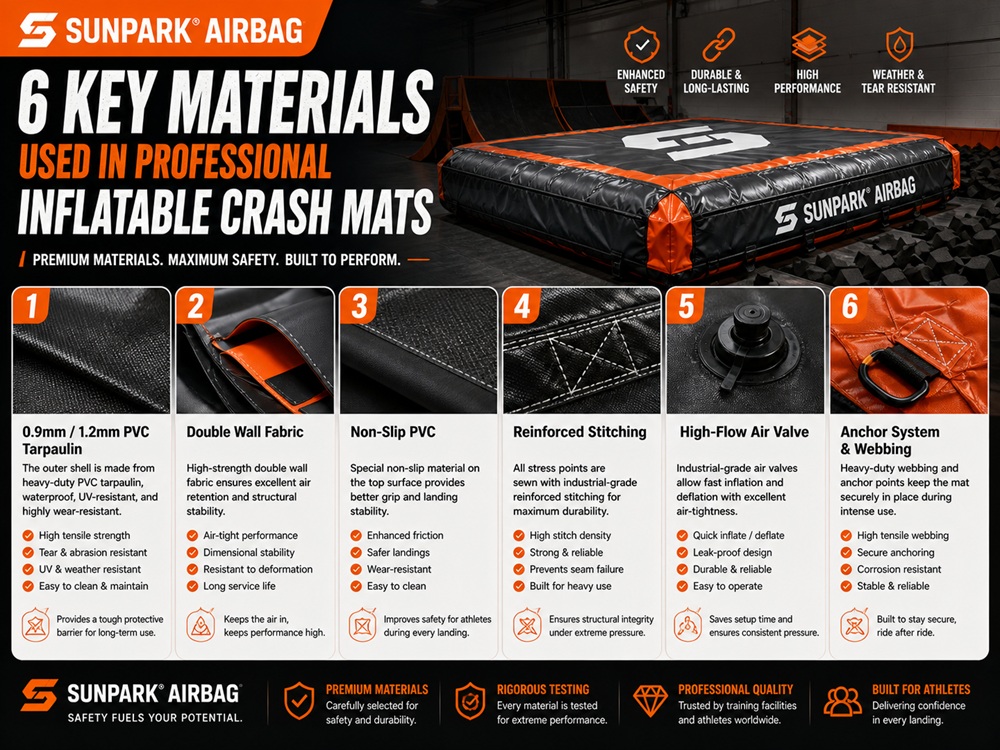
When consumers ask are airbag jumps safe, the answer heavily depends on the manufacturing quality of the equipment. Not all inflatables are created equal. At SUNPARK® AIRBAG, we utilize heavy-duty, fire-retardant, and UV-resistant Plato PVC tarpaulin. This material is specifically chosen for its high tensile strength and resistance to punctures.
Furthermore, we employ advanced hot-air welding and double-to-quadruple stitching on all stress points. A critical safety feature of our designs is the multi-chamber architecture. The lower chamber remains constantly inflated to provide a failsafe base layer, while the upper chamber is designed to compress and absorb the impact. This ensures that even in the event of a power failure to the blowers, the athlete will still have a pressurized cushion to land on safely.
4. Specialized Product Applications for Maximum Safety
The versatility of pneumatic technology allows us to cater to various athletic disciplines. By tailoring the design to the specific sport, we ensure that are airbag jumps safe is a statement of fact for every user.
Gymnastics and Trampoline Parks
In trampoline parks, the risk of erratic bouncing requires specialized solutions. We recommend the Airbag Trampoline for these environments. It integrates seamlessly with high-performance trampolines, providing a safe run-out zone that stops the athlete’s momentum smoothly, preventing uncontrolled rebounds. For tumbling tracks and vaulting, our Inflatable Gymnastics Mat offers a highly responsive yet forgiving surface that reduces repetitive stress injuries on gymnasts’ ankles and wrists.
Freestyle Skiing, Snowboarding, and BMX
For serious sports enthusiasts attempting double or triple corks, the margin for error is zero. The Gym Air Bag and our large-scale freestyle airbags provide a massive, customized landing zone. The top sheets are designed to be smooth enough to allow athletes to ride away from their landings if they land on their feet, yet forgiving enough to catch them safely if they fall.
Stunt Training and Bouldering
For stunt professionals and indoor climbers, we offer the Inflatable Crash Mat and Inflatable Crash Pad. These are highly portable, rapidly deployable solutions that provide superior impact protection compared to traditional bouldering foam pads, which can separate and leave dangerous gaps.
5. Facility Guidelines: Ensuring Airbag Jumps Are Safe
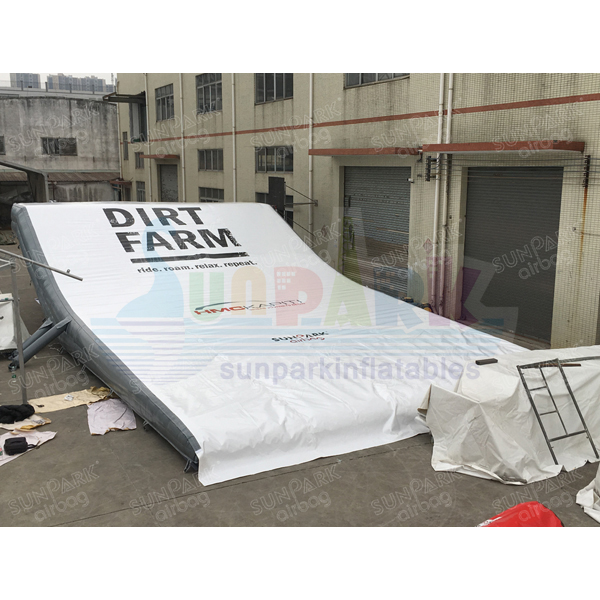
While the equipment itself is engineered for maximum protection, human factors play a crucial role in safety. To confidently assert that are airbag jumps safe within your facility, we recommend adhering to the following strict operational protocols:
- Daily Pressure Calibration: The firmness of the airbag must be checked daily. Variables such as temperature and altitude affect air density. Ensure the blower settings and air release valves are optimized for the weight class of the athletes using the equipment that day.
- Supervised Progression: Athletes should never attempt new, highly complex maneuvers without mastering the foundational skills first. The airbag is a tool for safe progression, not a substitute for proper technique.
- Routine Maintenance Inspections: Inspect the top sheet for wear and tear, verify that all seams are intact, and ensure the blowers are free of dust and debris.
- Clear Landing Zones: Implement a strict “one at a time” rule. The previous athlete must completely exit the Foam Pit Inflatable Airbag or landing zone before the next athlete begins their approach.
6. Summary Table: Airbag Safety Matrix
| Feature / Metric | SUNPARK® AIRBAG Systems | Traditional Foam Pits |
|---|---|---|
| Impact Absorption | Controlled pneumatic deceleration | Variable; prone to bottoming out |
| Hygiene | Non-porous PVC; easily sanitized | Porous; harbors bacteria, dust, and sweat |
| Maintenance Cost | Low (Occasional top sheet replacement) | High (Frequent block replacement required) |
| Adjustability | Fully adjustable firmness via air vents | Static; cannot be adjusted for user weight |
| Product Example | Gymnastics Foam Pit Airbag, Inflatable Crash Pad | Standard Polyurethane Blocks |
7. Frequently Asked Questions (FAQs)
Are airbag jumps safe for young children and beginners?
Yes, absolutely. Because the air pressure can be calibrated, facility operators can adjust the Gym Air Bag to be softer and more forgiving for lighter, younger users. From our experience, introducing beginners to aerial awareness over an airbag significantly reduces fear and accelerates the learning curve safely.
How do you clean and maintain an Inflatable Gymnastics Mat or Airbag?
Maintenance is incredibly straightforward. We recommend using a mild, non-abrasive antibacterial soap and water solution to wipe down the PVC top sheet. Unlike foam pits that require total excavation to clean, a SUNPARK® AIRBAG can be sanitized in place in a matter of minutes.
What happens if the power to the blower fails during a jump?
Our professional-grade airbags are designed with safety redundancies. They feature a sealed base chamber that remains inflated even if power is lost to the primary continuous-flow blowers. This ensures that if an athlete is mid-air during a power outage, they will still land on a pressurized, safe surface.
8. Industry References
To further understand the biomechanics of sports injuries and the efficacy of pneumatic landing systems, we encourage facility owners to consult authoritative sports medicine research: