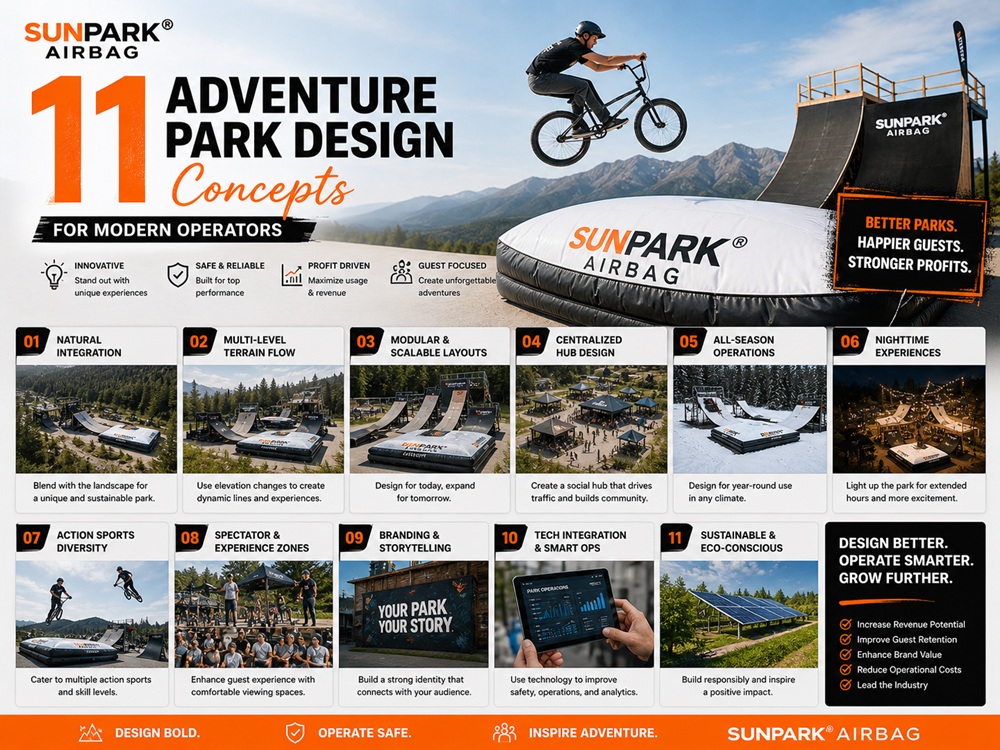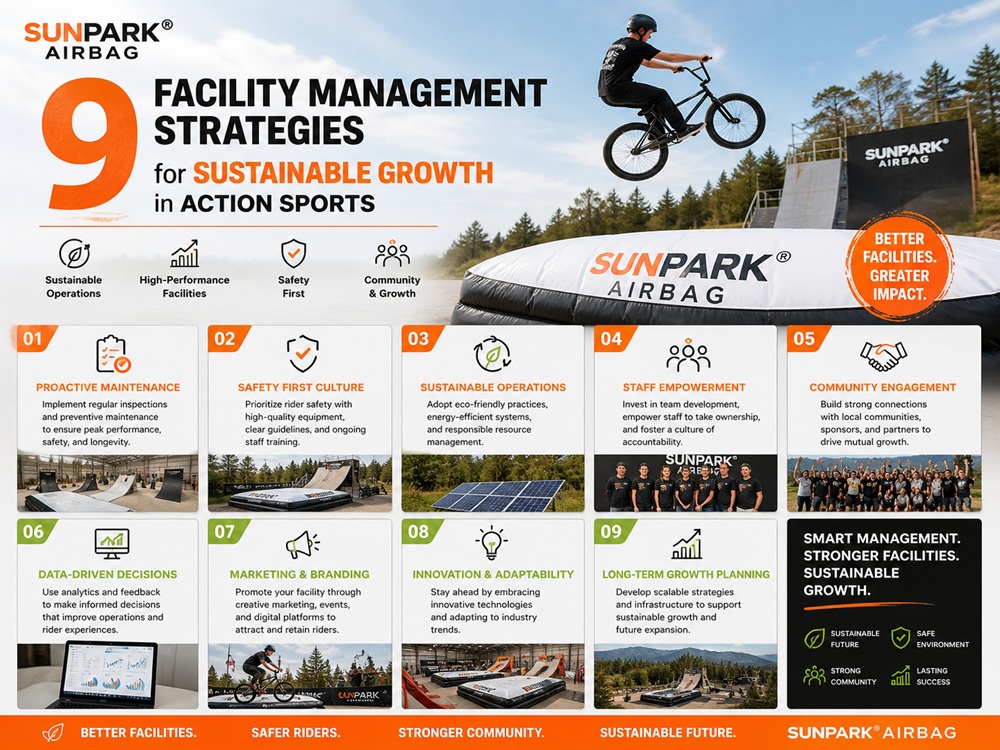
Facility owners frequently ask us why their repeat visitor rate is flatlining after their first two years of operation. The harsh reality of the indoor recreation industry is that standard trampoline courts and passive play areas no longer guarantee long-term profitability. Visitors get bored with static entertainment. To drive recurring revenue, your facility must transition from offering simple amusement to providing active, high-level skill progression. This is exactly where professional sports training attractions bridge the gap.
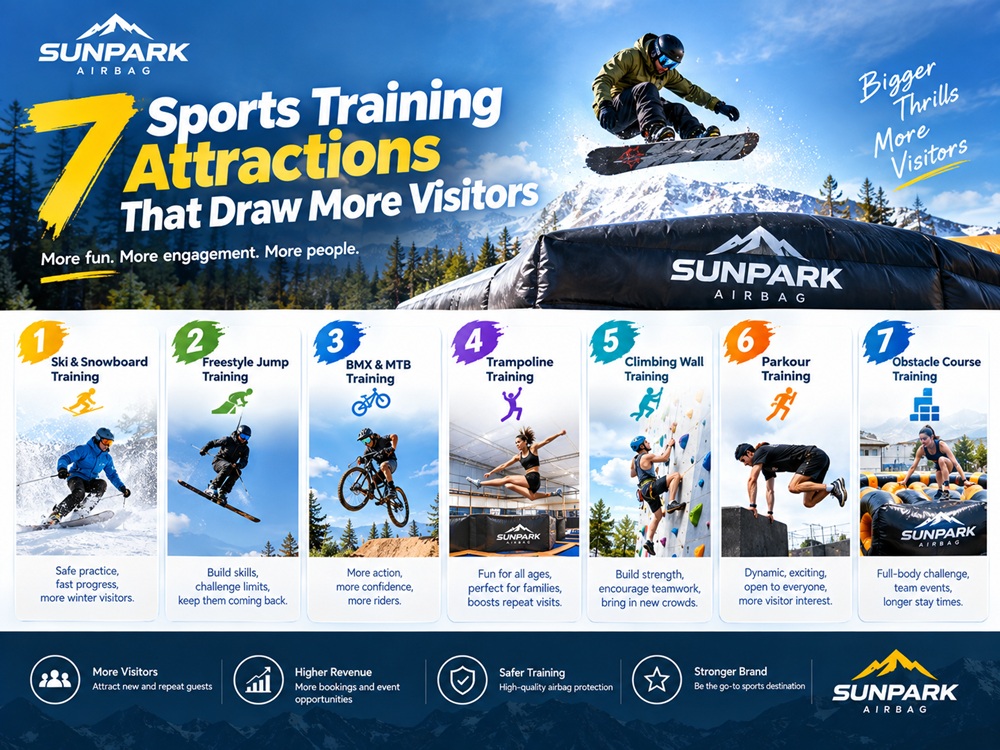
From our experience working with top-tier facilities globally, investing in progressive training equipment fundamentally changes your business model. You stop relying on one-time birthday party sales and start selling dedicated practice time to passionate athletes, ambitious amateurs, and enthusiastic beginners who want to learn new extreme sports skills safely. In this comprehensive guide, we are detailing exactly which sports training attractions yield the highest return on investment, how the technology protects users, and why upgrading your park is a mandatory commercial decision.
Quick Summary Table: The Revenue Impact of Training Attractions
| Attraction Category | Target Demographic | Primary Business Value | Replacement For |
|---|---|---|---|
| Freestyle Landing Airbags | BMX, Ski, Snowboard Teens & Adults | Generates high-ticket monthly memberships | Dangerous hard-deck ramps |
| Inflatable Gymnastics Pits | Cheerleaders, Gymnasts, Parkour | Eliminates daily maintenance costs | Unsanitary traditional foam pits |
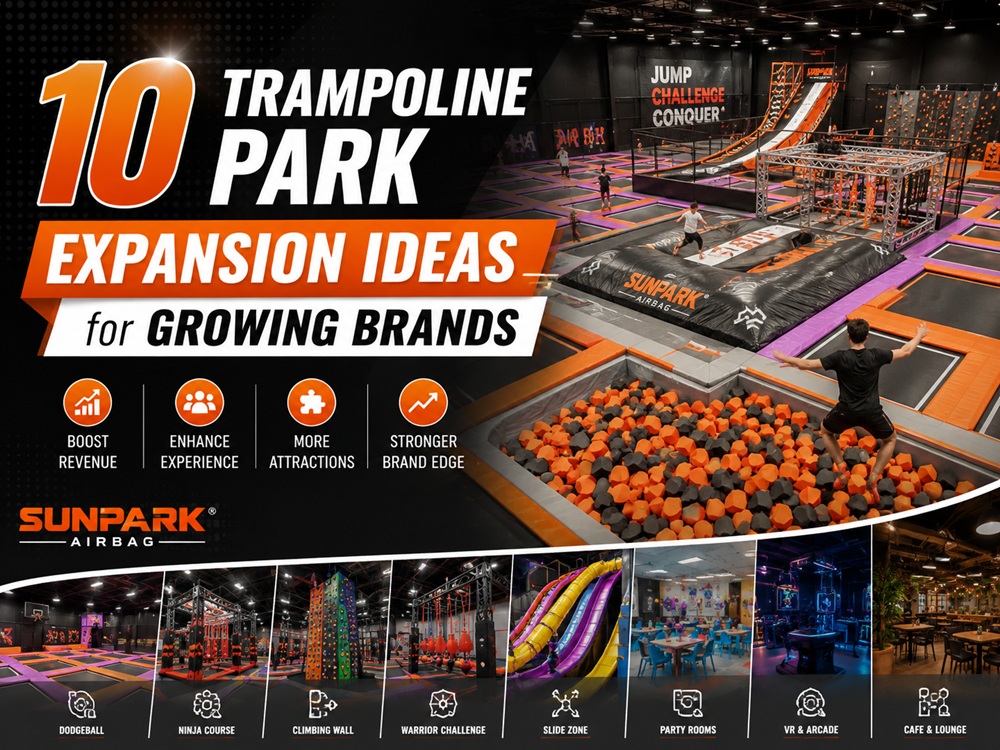
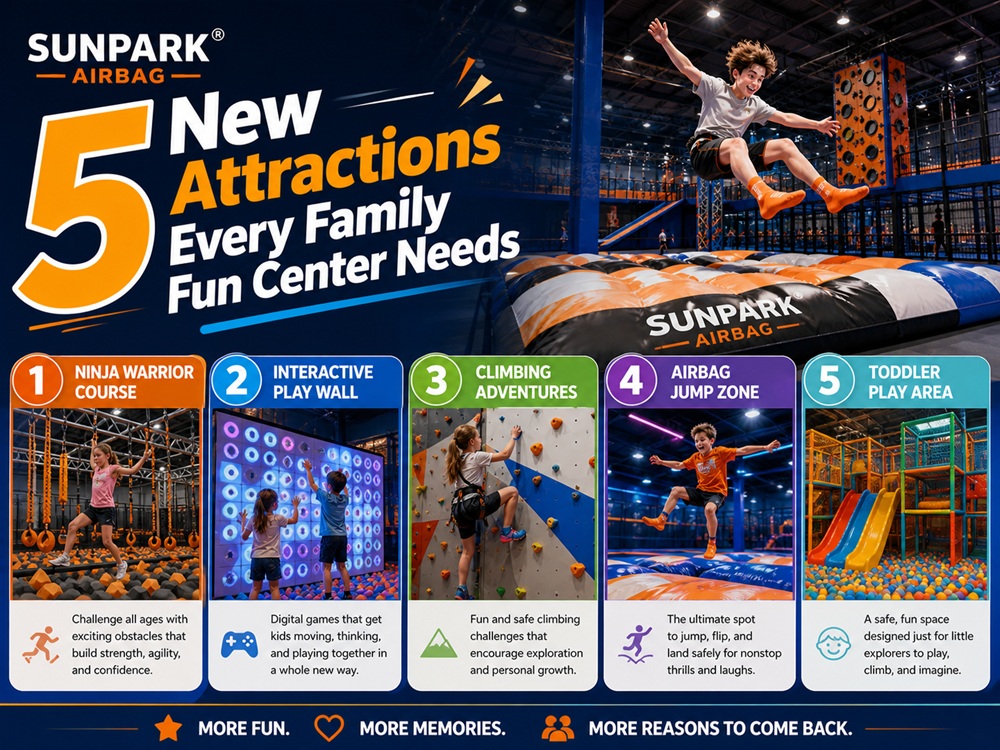
| Ninja Warrior Courses | Corporate Teambuilding, Fitness Adults | Drives local competition hosting revenue | Basic static jungle gyms |
Expert Verdict: For commercial users, replacing high-maintenance foam pits with zero-maintenance airbag systems provides the most immediate reduction in operational overhead while simultaneously attracting a highly dedicated extreme sports demographic.
What Are Sports Training Attractions?
Sports training attractions are commercial-grade facility installations engineered specifically for skill progression, athletic repetition, and high-impact energy absorption. Unlike standard bounce houses or toddler soft-play structures that are built for unstructured amusement, these systems are designed to simulate real-world physics. They allow athletes to practice complex, high-risk maneuvers repeatedly without the fear of blunt force trauma.
In most professional situations, a sports training attraction acts as a bridge between amateur enthusiasm and professional execution. These installations include advanced multi-chamber airbag capture systems, high-tension Olympic-grade trampolines, and custom-designed trackways for wheeled sports. The commercial distinction is vital: true sports training attractions are manufactured with industrial-grade PVC, continuous-flow blowers, and specialized shock-absorbing pillar technology designed to handle adult body weights falling from significant heights.
How They Work (And Why They Matter)
The core science behind these systems is kinetic energy management. When a rider or gymnast launches into the air, the landing surface must decelerate their mass smoothly. If the deceleration is too sudden, the user suffers impact injuries. If it is too soft, the user bottoms out against the hard floor beneath.
Advanced air-pillar technology vents air upon impact at a controlled rate, creating a soft, secure catch that conforms to the user’s body. Unlike static foam blocks that compress over time, break down into hazardous dust, and create a trampoline effect if landed on incorrectly, commercial air systems provide consistent, calculated resistance for every single jump. This matters immensely for your business because perceived safety directly correlates with user confidence. User confidence dictates how quickly they progress in their sport, and progression is exactly what keeps them paying for monthly memberships rather than single-day passes.
The 7 Sports Training Attractions That Draw More Visitors
1. Freestyle Airbag Landing Systems
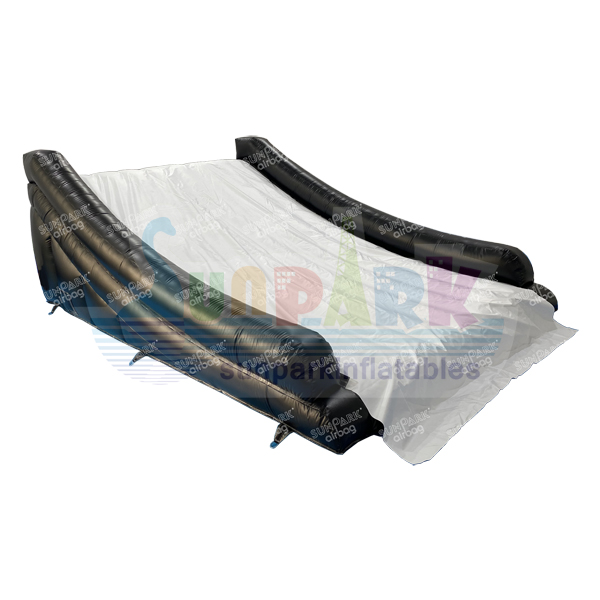
Freestyle Airbag Landing
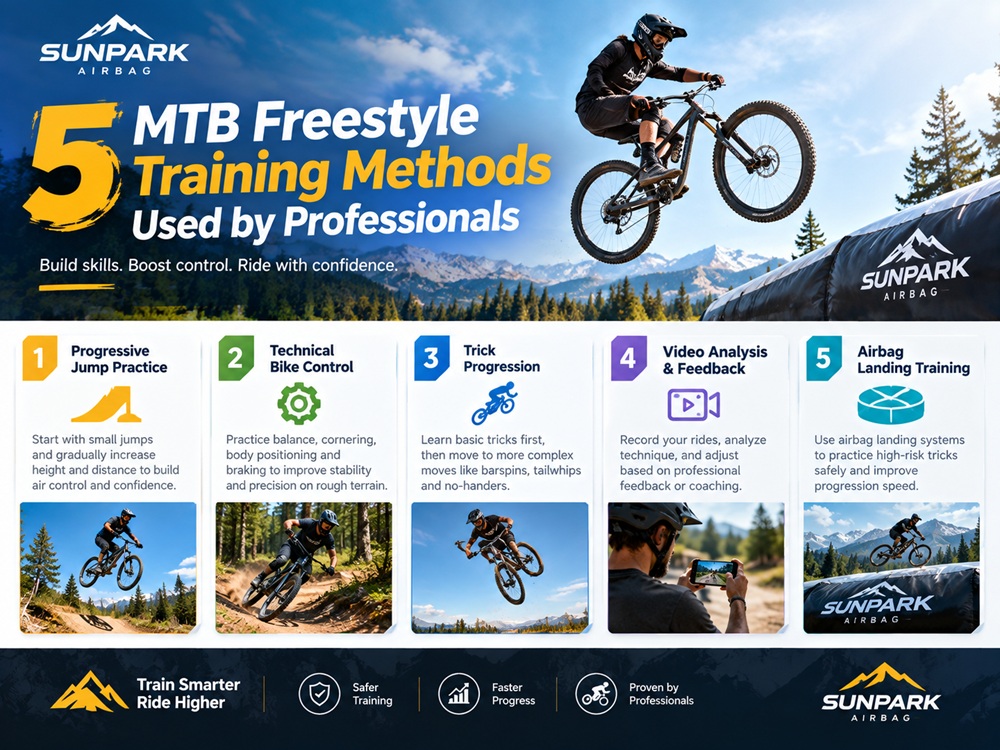
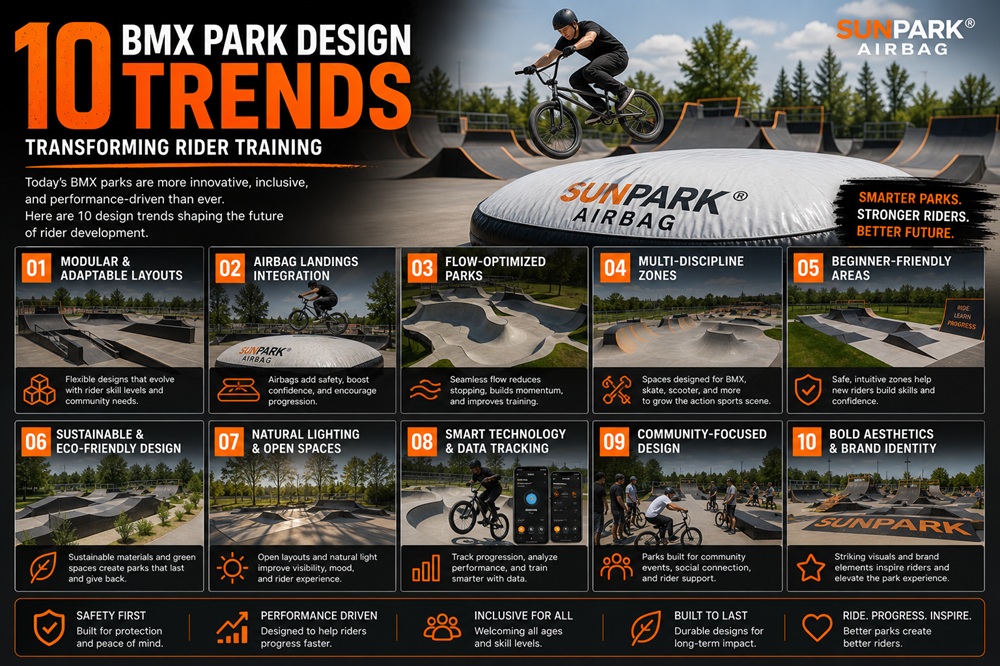
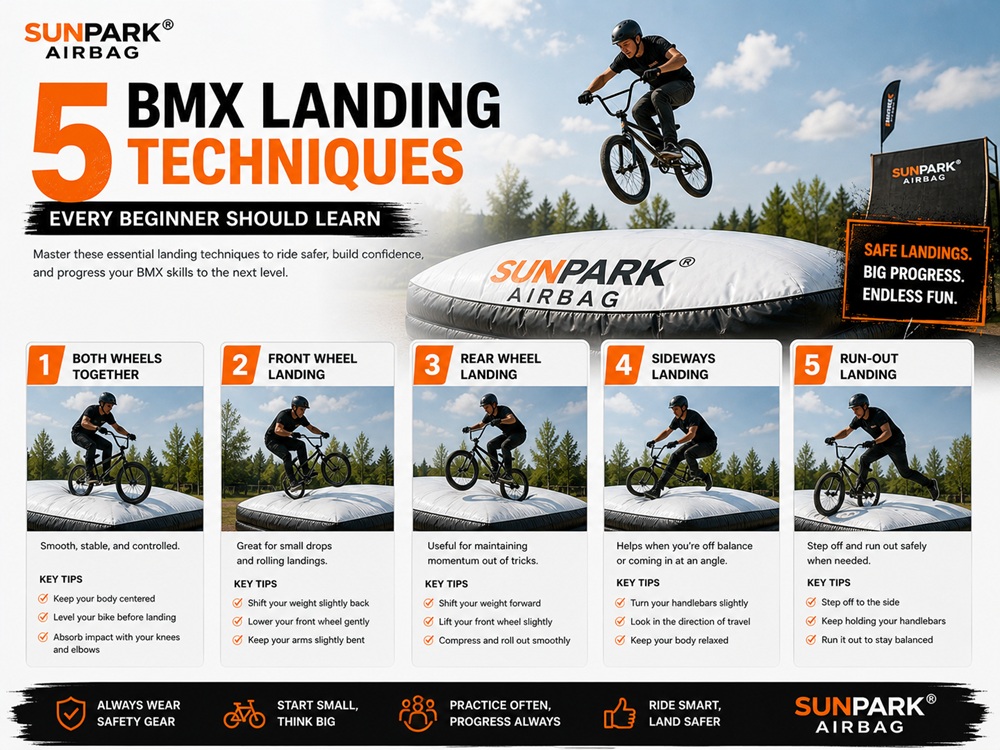
For heavy-duty applications, nothing beats a specialized freestyle airbag setup. Skiers, snowboarders, skateboarders, and BMX riders actively seek out facilities that offer these massive landing zones. By providing a safe environment to attempt double backflips, off-axis spins, and complex grabs, you instantly capture the local extreme sports market—a demographic with high disposable income and an intense dedication to their craft.
Modern setups utilize multi-chambered technology to ensure the rider can land and instantly walk (or ride) off the pad. The throughput is massive. In our testing, an organized run-up to a commercial airbag can process hundreds of jumps per hour, maximizing your floor space profitability without creating frustrating lines. If you are operating an outdoor park or large warehouse, investing in a commercial FMX airbag landing system instantly elevates your facility to a regional training hub.
2. Inflatable Gymnastics Air Pits
Traditional foam pits in gymnastics centers and trampoline parks have become a significant liability. They are breeding grounds for staph infections and bacteria, require constant manual fluffing by your staff, and cost thousands of dollars to replace annually as the foam tears into hazardous micro-particles. The modern, commercially viable solution is the inflatable gymnastics air pit.
These units provide a firm but forgiving landing that mimics competition floor surfaces much closer than a sinkhole of foam blocks. Gymnasts need to land on their feet to build muscle memory; foam pits swallow the athlete, preventing proper landing mechanics. Transitioning to air technology is not just about safety; it is about providing a superior training environment.
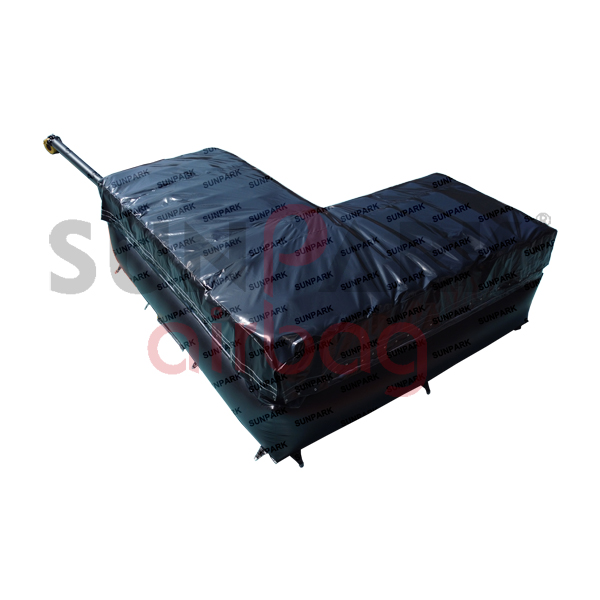
Featured Attraction: Inflatable Gymnastics Air Pit
We highly recommend replacing aging, unhygienic foam blocks with this high-performance, easy-to-maintain training surface manufactured by Sunparkairbag.
- Material Specifications: 0.55mm PVC Tarpaulin for the main airbag, 0.9mm PVC Tarpaulin for the impact top sheet. Water-proof, flame-retardant, UV-protected, lead and phthalate free.
- Dimensions: Fully customized to drop into your existing pit architecture.
- Color & Branding: Available as per color sheet with full Digital, Silk-screen or UV Printing for facility branding.
- Production Lead Time: Approximately 15 working days, depending on size and order volume.
- Manufacturing Standard: Our technicians possess over 5 years of specialized experience in commercial airbag heat-welding.
- Included Accessories: Commercial continuous-flow blower, professional repair kit, heavy-duty carrying bag.
3. Mountain Bike & Dirt Bike Jump Tracks
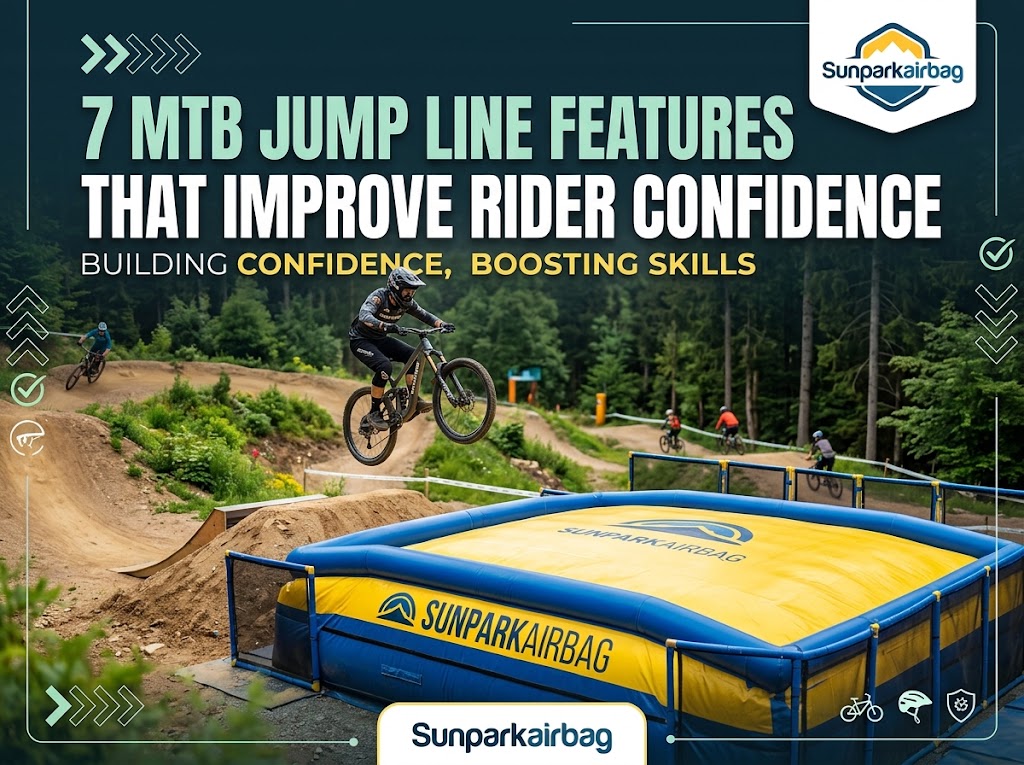
The action sports demographic is chronically underserved by traditional indoor parks. If you have outdoor space or a massive indoor warehouse, building a structured jump track with an integrated landing system is highly lucrative. Riders will pay premium membership fees to practice year-round, regardless of weather conditions. When catering to this demographic, standard trampolines are useless. You must look into specialized bike airbag landing systems that are engineered to withstand the sharp pedals and heavy frames of bicycles.
Furthermore, if you intend to allow motorized vehicles, you cannot cut corners. You must invest in a dedicated, high-impact dirt bike airbag landing pad. The weight requirements, impact velocity, and exhaust heat considerations are vastly different from human-only attractions, requiring much thicker top sheets and aggressive air venting systems.
4. Ninja Warrior Obstacle Courses
The television popularity of extreme obstacle course racing has created massive consumer demand for Ninja Warrior setups. These are fantastic sports training attractions because they naturally encourage repeat visitation; users obsess over beating their previous completion times. From warped walls and spider climbs to salmon ladders, these courses require genuine strength, agility, and stamina.
To protect users from unpredictable falls from high bars, specialized padding and custom-fitted base airbags are strictly non-negotiable beneath these rigorous structures. Unlike a foam pit, a flat airbag base allows a fallen competitor to stand up and walk off the course in seconds, keeping the queue moving.
5. High-Performance Trampoline Zones
A standard trampoline park features tightly interconnected beds that offer very little bounce height. While this is safe for toddlers, it is completely useless for serious athletes. By isolating a specific, restricted zone and installing high-performance, Olympic-grade trampoline beds, you attract parkour practitioners, competitive gymnasts, and wakeboarders looking for aerial spatial awareness training.
Working with top-tier trampoline park equipment manufacturers ensures your beds provide the tension, spring length, and frame durability required to safely launch adult athletes performing complex twisting maneuvers.
6. Interactive Climbing Walls
Bouldering and sport climbing have exploded in mainstream popularity over the last decade. By adding augmented reality (AR) projectors or interactive, touch-sensitive light-up holds to a climbing wall, you merge physical training with modern gamification. Climbers can track their progress on an app, play vertical games like ping-pong with their hands, and compete globally. This transforms a static, intimidating wall into a highly engaging sports training attraction that appeals equally to complete beginners and seasoned climbers.
7. Foam Pit Alternatives (Airbag Upgrades)
If you currently operate a massive foam pit, you are actively losing money on maintenance labor and hygiene management. In any professional foam pit vs airbag comparison, the operational advantages of the airbag win decisively every single time. An upgraded air capture system allows users to bounce off or walk off the landing instantly. Conversely, foam pits trap users, creating massive operational bottlenecks where one jumper takes two minutes to crawl out while fifty people wait in line. High throughput equals higher customer satisfaction, better online reviews, and greater capacity for ticket sales.
Pros and Cons of Professional Training Equipment
Upgrading your facility from casual play gear to professional sports training attractions is a major capital expenditure. Here is exactly what you need to consider before signing a purchase order.
| Pros of Commercial Training Attractions | Cons of Commercial Training Attractions |
|---|---|
| Dramatically increases repeat visitor rates and allows for monthly membership models. | Requires a higher initial capital investment compared to basic soft-play gear. |
| Attracts a dedicated, high-paying demographic (action sports athletes, teens, adults). | May require you to negotiate customized insurance policies for extreme sports. |
| Airbag systems drastically reduce daily maintenance, cleaning labor, and replacement costs. | Requires significantly more ceiling clear-height and square footage. |
| Creates highly shareable social media content, serving as powerful organic marketing. | Staff must be specifically trained to monitor and enforce high-risk maneuver protocols. |
| Provides a vastly superior hygiene profile compared to traditional foam blocks. | Continuous blower operation requires a reliable, dedicated power infrastructure. |
Attraction Comparison Table: Operational Metrics
To help you make an informed commercial decision, our industry testing has broken down the operational metrics of the most common installations.
| Attraction Type | Primary Target Demographic | Daily Maintenance Level | Throughput (Users/Hr) | Facility ROI Potential |
|---|---|---|---|---|
| Freestyle Airbag Landing | BMX, Skate, Ski, Snowboard | Very Low | High (Fast exit times) | Excellent (Draws out-of-town niche crowds) |
| Gymnastics Air Pit | Gymnasts, Cheer Teams, Parkour | Very Low | Medium | High (Secures lucrative team bookings) |
| Ninja Warrior Course | Kids, Teens, Fitness Adults | Medium (Hardware checks) | Medium | High (Strong repeat challenge value) |
| Traditional Foam Pit | Casual General Public | Extremely High (Fluffing/Cleaning) | Low (Extremely slow exit) | Poor (High hidden labor costs) |
| High-Performance Trampoline | Acrobats, Extreme Athletes | Medium (Spring checks) | Medium | Good (Strong niche appeal) |
Benefits and Limitations
The primary benefit of utilizing true sports training attractions is absolute market differentiation. If three generic trampoline parks exist in a ten-mile radius, the one equipped with an FMX landing airbag for sale setup or an interactive ninja course will completely dominate the older demographic and the athletic community. Families will drive past your competitors to reach the facility that offers actual skill progression. Furthermore, the operational efficiency of airbags limits staff intervention; users exit the landing zone in seconds without needing a lifeguard to drag them out of foam blocks.
The main limitation is spatial engineering. You cannot squeeze a proper mountain bike ramp and safety airbag into a low-ceiling retail space. These attractions require warehouse-scale clear heights—often 20 feet or more for extreme sports. Additionally, the initial capital outlay can be intimidating for new business owners. While you can look into our best airbag landing systems 2026 review to find budget-friendly options, never compromise on safety certifications to save a few dollars.
Who Should Use Them (And Who Does Not Need Them)
Who should use them: Commercial extreme sports centers, gymnastics training facilities, upgraded trampoline parks, ski resorts, and dedicated BMX tracks must integrate these attractions to survive the next decade. For commercial users, the ROI justifies the cost within the first 12 to 18 months through increased ticket prices, monthly memberships, and the ability to host specialized training camps.
Who does not need them: If you operate a soft-play center strictly designed for toddlers and children under seven years old, heavy-duty sports training attractions are an over-investment. Young children simply do not generate enough kinetic force or velocity to require 0.9mm PVC airbag capture systems. Standard padded EVA flooring and small residential-grade inflatables are sufficient and safer for that specific, low-impact business model.
Common Mistakes Facility Owners Make
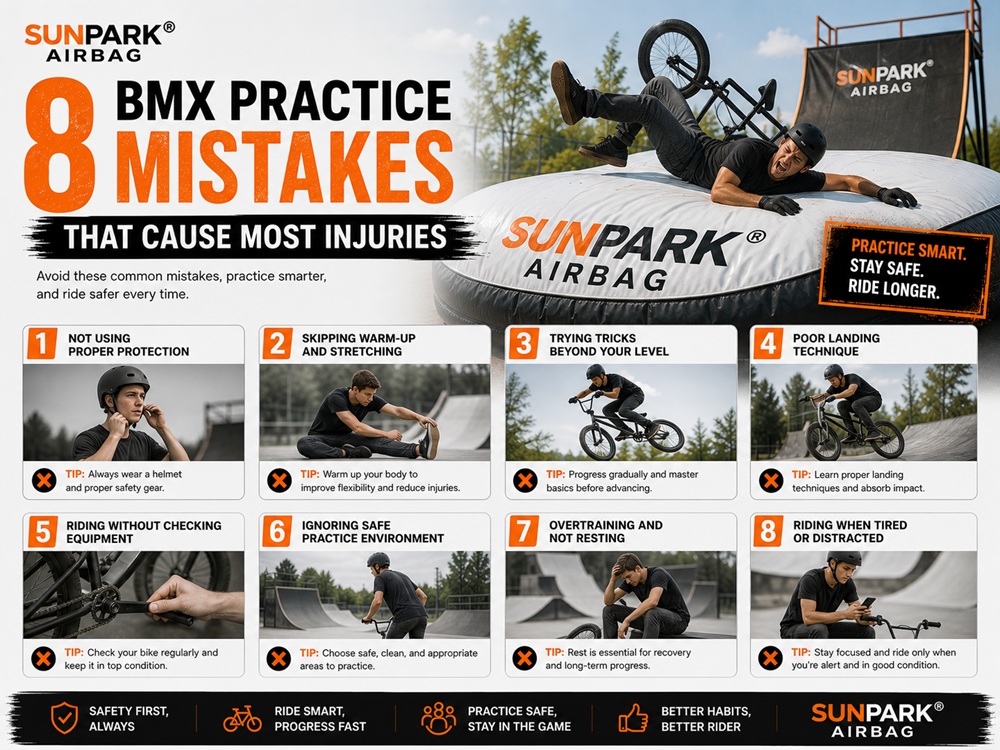
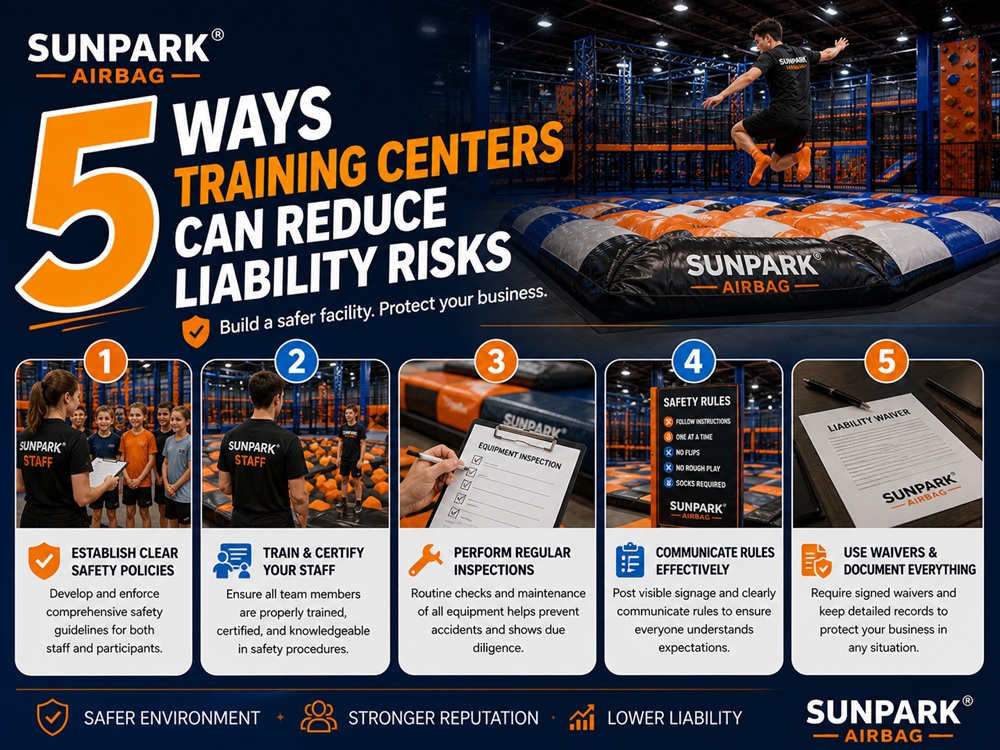
In our experience, the most devastating mistake a facility owner can make is purchasing residential-grade equipment for a commercial environment. A cheap backyard airbag from a non-specialized vendor will rupture under the continuous daily stress of a commercial skatepark, causing catastrophic injuries and immediate lawsuits.
Second, facility owners often miscalculate the run-up and run-out space needed. A sports training attraction is useless if the user does not have enough speed to hit the ramp properly, or if they fly off the end of the airbag because the catch zone is too short. Always consult the manufacturer regarding safe jump trajectories.
Finally, ignoring the visual branding is a massive missed opportunity. Your equipment should feature your logo heavily. When athletes film their tricks and post them to TikTok or Instagram, your customized training attraction acts as a massive, free billboard. Always opt for UV or digital printing on your top sheets.
Commercial Buying Considerations
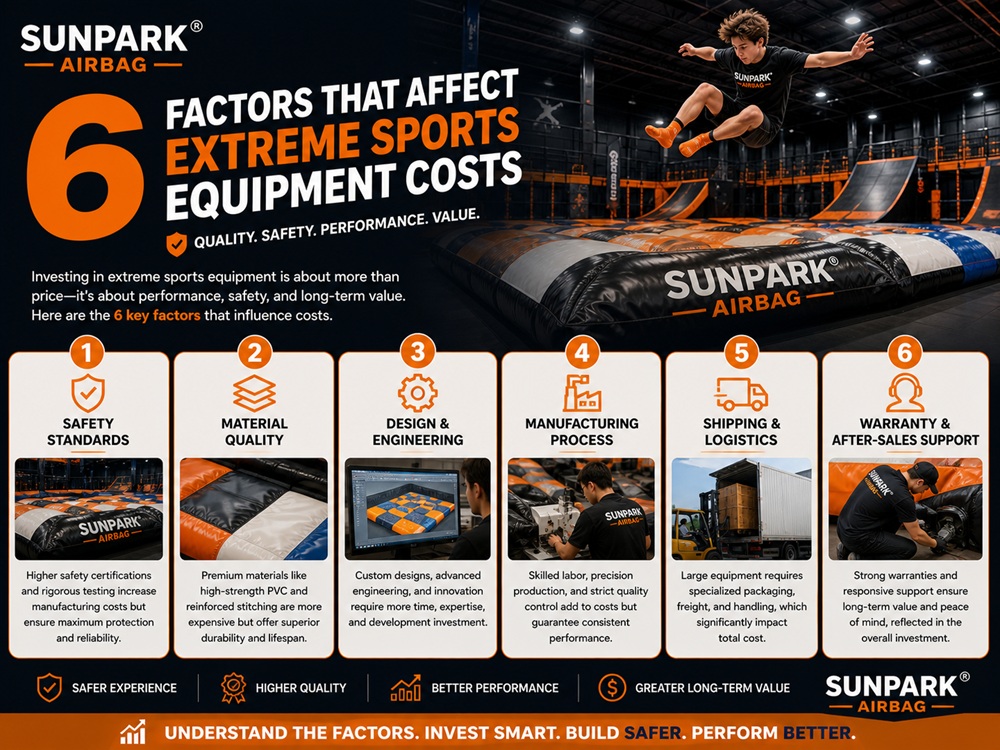
When procuring sports training attractions, prioritize manufacturing transparency above all else. We recommend demanding proof of material specifications before signing a contract. For heavy-duty applications, ensure the manufacturer uses at least 0.55mm PVC Tarpaulin for the inner bladders and 0.9mm PVC Tarpaulin for the impact top sheets to withstand constant abrasion. Verify that the materials are flame-retardant, UV-protected, and strictly free of toxic lead and phthalates. Partnering with established, reputable brands like Sunparkairbag ensures your equipment meets the rigorous demands of commercial liability insurance.
Sunparkairbag Expert Recommendation
We firmly believe that the era of the basic foam pit and the flat trampoline court is over. For facilities looking to dominate their local market in 2026 and beyond, transitioning to air-supported training infrastructure is absolutely non-negotiable. Long-term profitability is rooted in low maintenance and high throughput.
We strongly recommend starting your facility upgrade by replacing your dirtiest, most problematic foam pit with a custom Inflatable Gymnastics Air Pit. The immediate reduction in cleaning labor and the instant boost in user satisfaction will prove the business case. Once you see the ROI from that single upgrade, expanding into freestyle airbags and ninja courses becomes an easy financial decision.
Frequently Asked Questions (FAQ)
Are sports training attractions profitable for indoor parks?
Yes, highly profitable. By upgrading to professional sports training attractions, facilities attract an older, dedicated demographic that pays for recurring memberships, private coaching, and specialized event access. This vastly outperforms the unpredictable, one-time ticket sales of standard play equipment.
How long does a commercial airbag landing system last?
With proper maintenance and indoor use, a heavy-duty commercial PVC airbag can last 5 to 8 years. The top impact sheets are designed to be easily replaceable, meaning you only need to swap the top layer when it shows wear, extending the lifespan of the main base unit significantly without repurchasing the whole system.
Do I need specialized insurance for extreme sports attractions?
Yes. In most professional situations, offering advanced sports training attractions like BMX jump tracks requires specialized liability underwriting. However, installing certified, industry-standard safety equipment like professional airbag systems often helps negotiate much better premium rates compared to operating unregulated foam pits.
How much electricity do continuous blowers consume?
Commercial blowers typically run between 1.5 to 2.0 HP. While they run continuously during operating hours, the energy cost is minimal compared to the labor costs associated with cleaning, fluffing, and replacing foam pit blocks. The electrical overhead is easily offset by increased ticket throughput.
Authoritative References
To ensure industry compliance, facility safety, and proper business planning, we advise facility owners to familiarize themselves with the following authoritative bodies regarding sports training attractions:
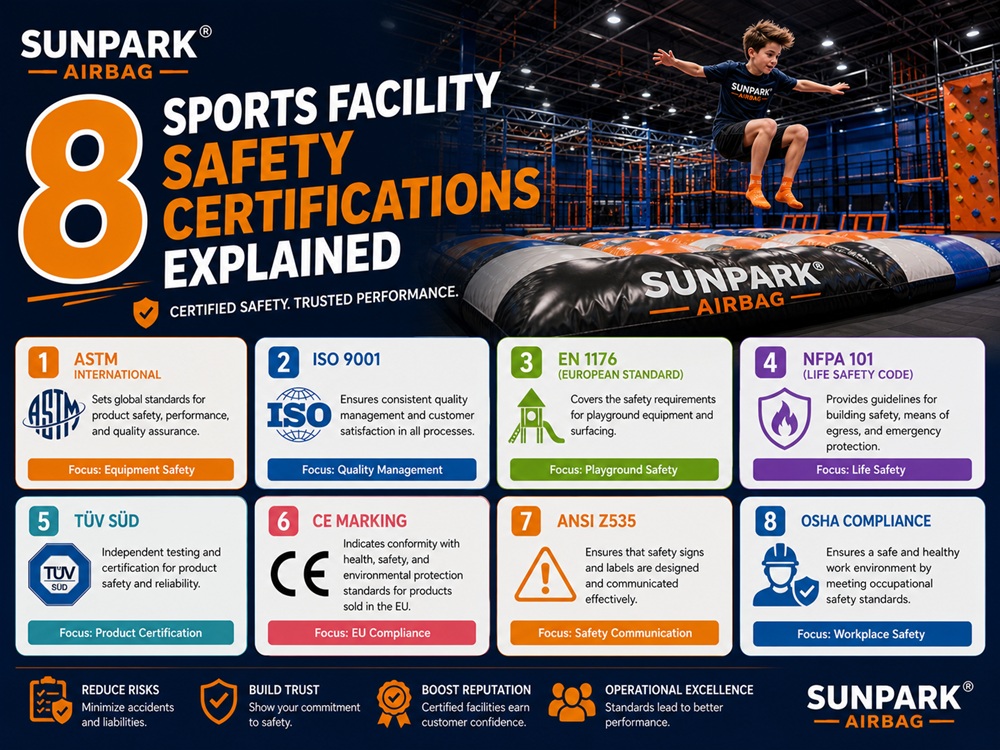
- ASTM International: Provides essential engineering standards and safety protocols for the design, manufacture, and operation of trampoline courts and commercial amusement devices.
- US Consumer Product Safety Commission (CPSC): Offers critical baseline safety guidelines, injury reporting statistics, and material safety compliance protocols for indoor recreation facilities.
- Forbes Business Council: Features critical economic insights on how the transition to experience-based retail and specialized athletic training facilities drives modern consumer spending.