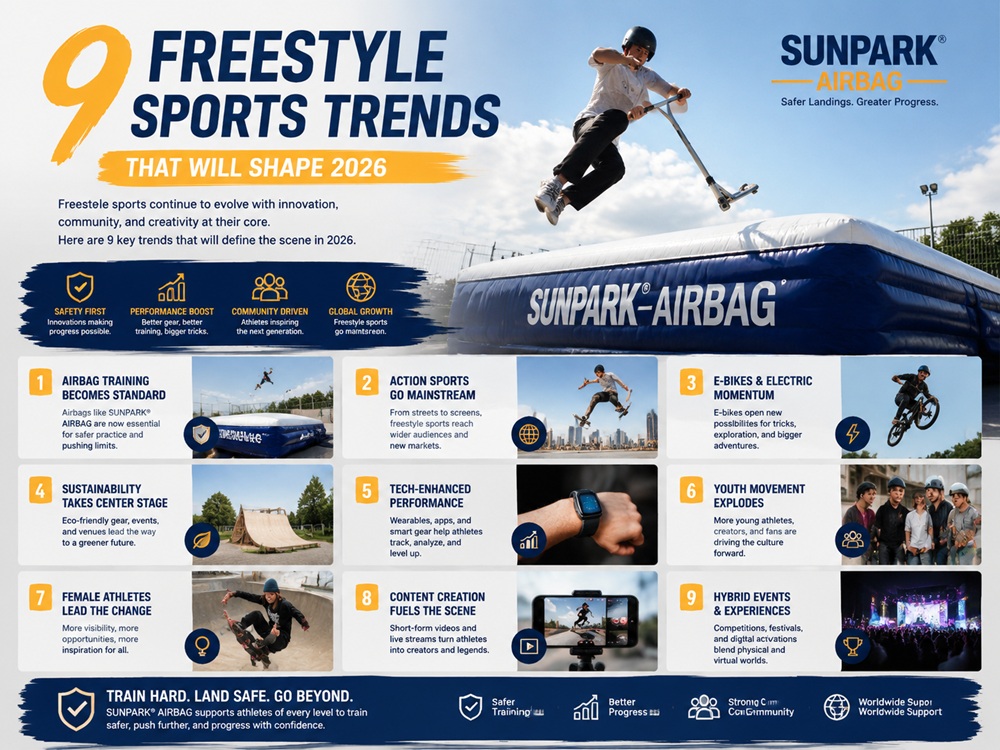
The landscape of extreme sports is undergoing a ruthless corporate and technological maturation. The era of reckless trial-and-error—where athletes threw themselves into hazardous wooden ramps and unhygienic foam pits—is dead. From our experience designing infrastructure for global ski resorts and training camps, the incoming Freestyle Sports Trends are entirely focused on engineered safety, rapid progression, and commercial viability. If you operate an action sports facility, an extreme sports camp, or an Olympic-level training center, clinging to outdated technology is a guaranteed path to skyrocketing insurance premiums and irrelevance.
We are witnessing a monumental shift in how riders interact with gravity. The integration of pneumatic landing systems, data-driven biomechanics, and massive urban training complexes is dictating where the next generation of gold medalists will train. In this guide, we cut through the marketing noise to deliver a brutally honest assessment of the nine Freestyle Sports Trends you must adopt in 2026. We will explain precisely what these trends mean for your bottom line, whether you should upgrade your current equipment, and how to execute these acquisitions effectively.
Quick Answer: The Future of Freestyle Facilities
The defining element of 2026 Freestyle Sports Trends is the absolute eradication of legacy landing systems in favor of advanced pneumatic technology. Commercial parks must shift to custom airbag landings to facilitate rapid, high-volume progression in BMX, FMX, and snowboarding. If you manage a commercial facility, upgrading to inflatable landing infrastructure is no longer optional; it is mandatory for reducing liability and maximizing rider throughput. We strongly recommend immediate facility audits to replace any remaining foam pit infrastructure.
What It Is: Defining the 2026 Paradigm
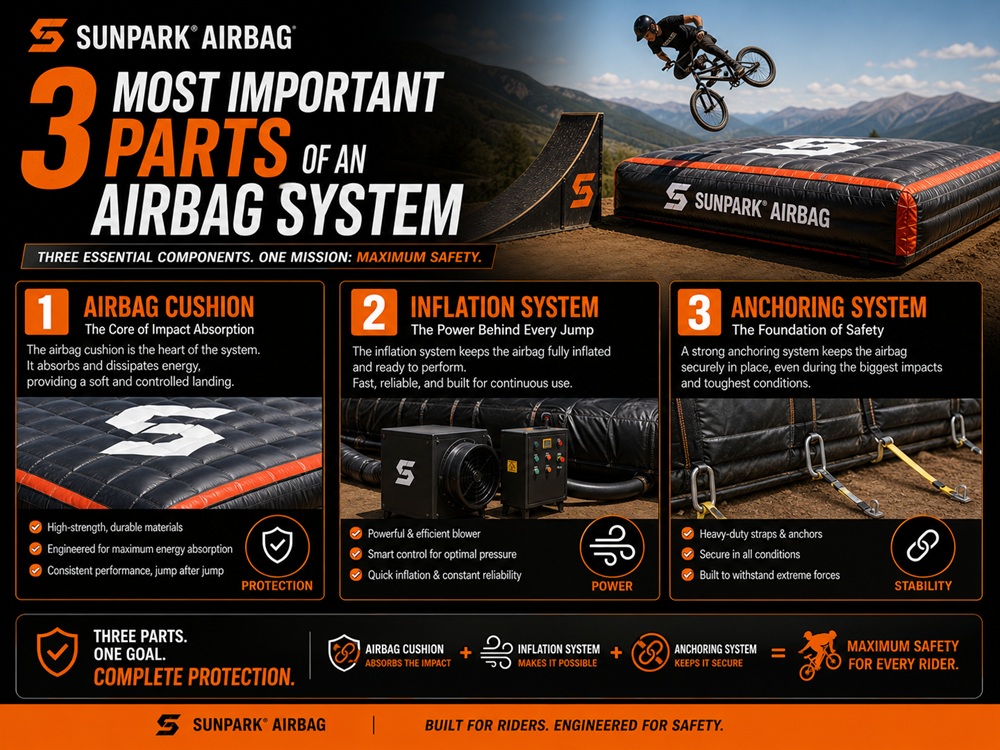
To understand the current Freestyle Sports Trends, you must view the industry through a lens of risk mitigation and throughput. Action sports have transitioned from counter-culture rebellions into highly structured Olympic disciplines. When athletes are attempting quadruple corks or triple backflips on motorcycles, the margin for error is zero. The modern trend is characterized by the implementation of scalable, repeatable, and safe training environments. This means replacing rigid or unpredictable surfaces with highly engineered pneumatic structures. For a foundational understanding of this technology, our freestyle airbag guide explains the baseline requirements for modern park development.
How It Works: The Mechanics of Progression
In most professional situations, progression works via volume. An athlete needs to attempt a trick fifty times in an afternoon to build muscle memory. Old technology, like mulch landings or foam, requires a rider to stop, untangle their equipment, and slowly exit the landing zone. It also exposes them to severe compression injuries. Modern Freestyle Sports Trends utilize complex air-chamber technology that mimics the angle of a real dirt or snow landing, absorbs the impact via calibrated pressure release valves, and allows the rider to instantly ride away. This mechanical efficiency increases training volume by over 400% per session.
The 9 Freestyle Sports Trends Dominating 2026
1. The Eradication of the Foam Pit
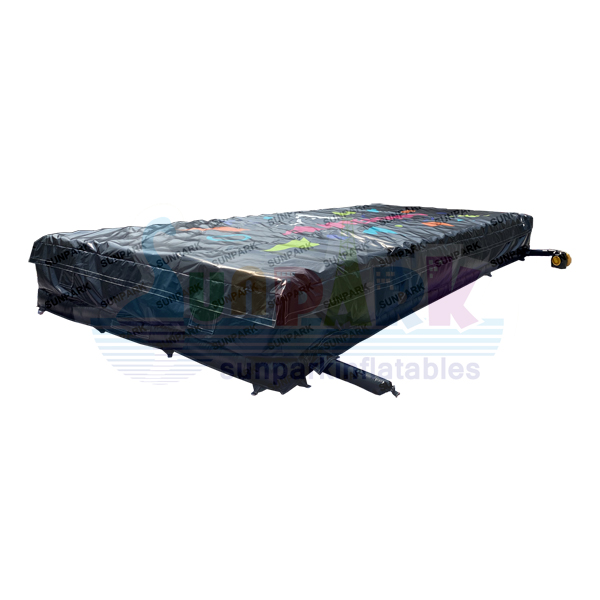
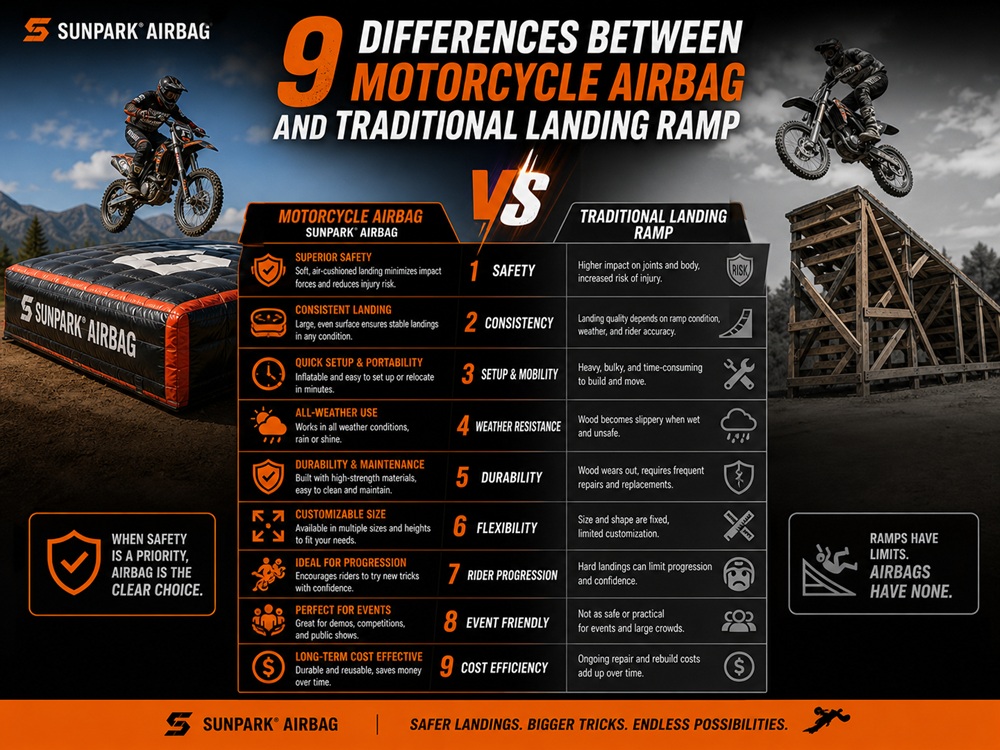
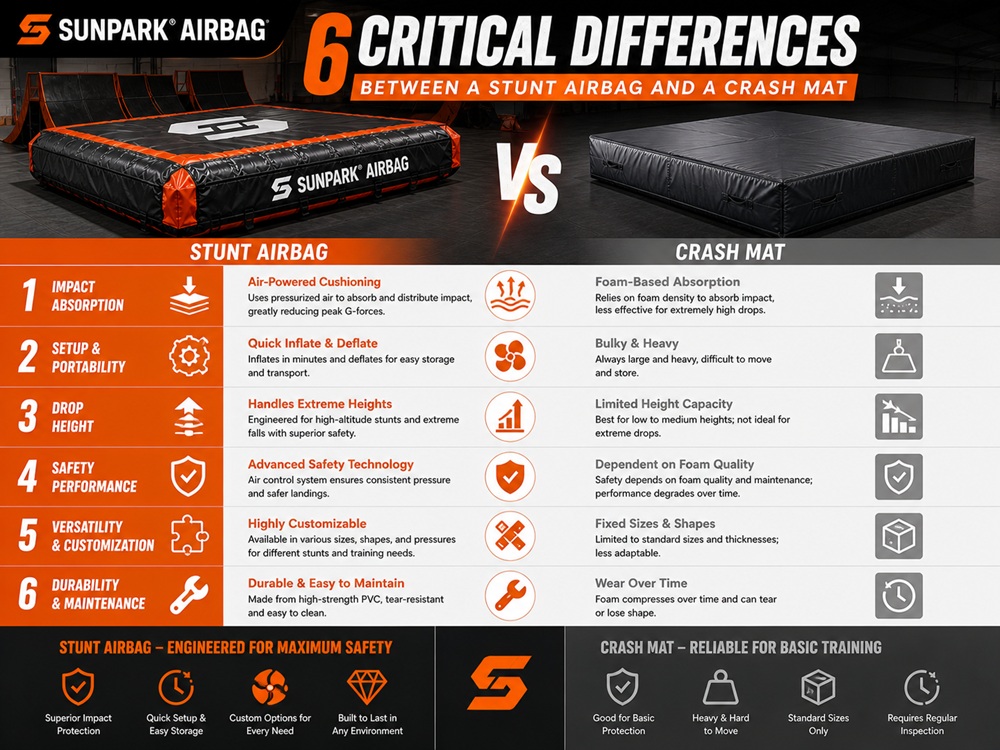
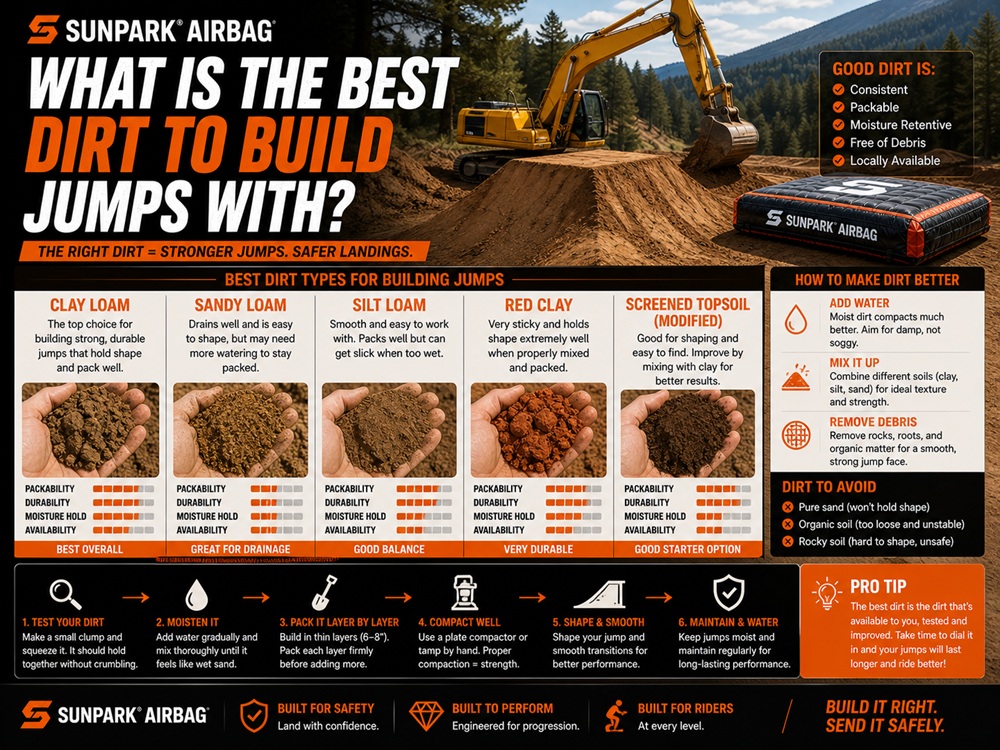
We declare the foam pit officially dead in commercial settings. Foam blocks degrade into toxic dust, harbor dangerous bacteria, and pose a severe fire hazard. More importantly, they cause catastrophic joint compression when athletes land incorrectly. The industry has universally shifted to pneumatic solutions. For commercial users making facility decisions, reading a comprehensive foam pit vs airbag comparison is the first step toward modernizing your park.
2. Mega-Parks for Urban MTB and BMX
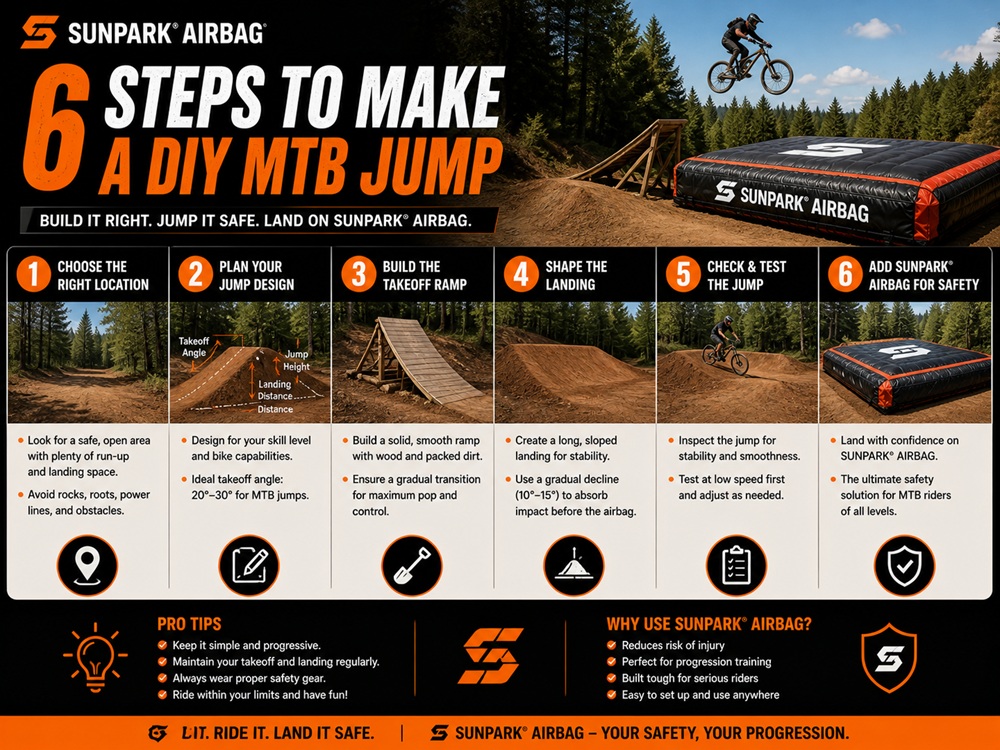
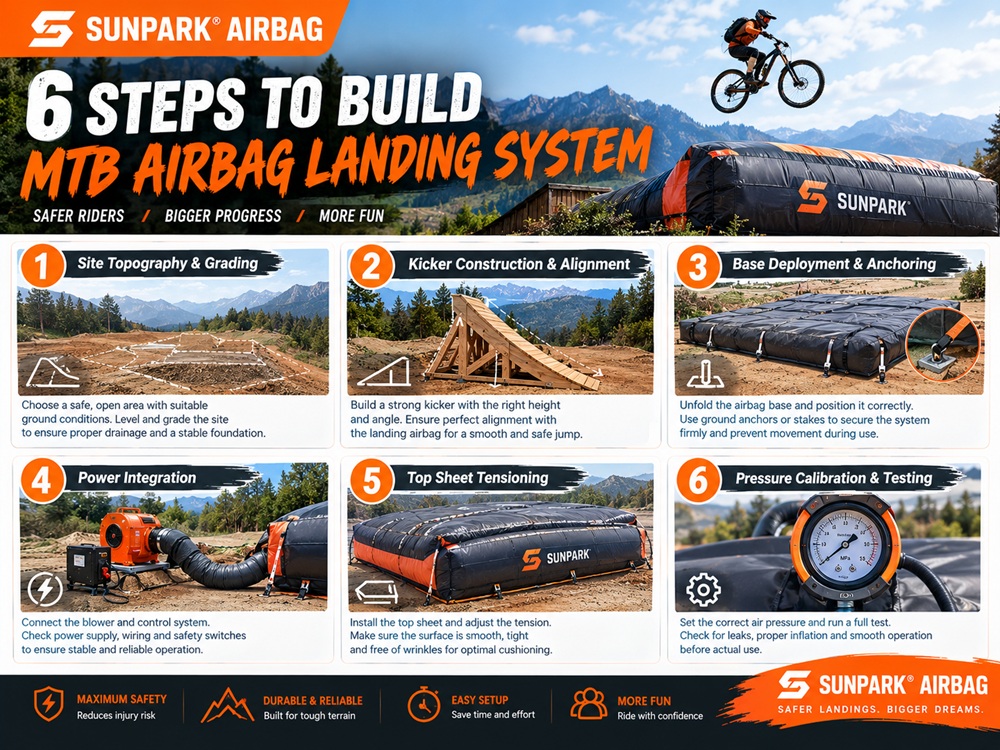
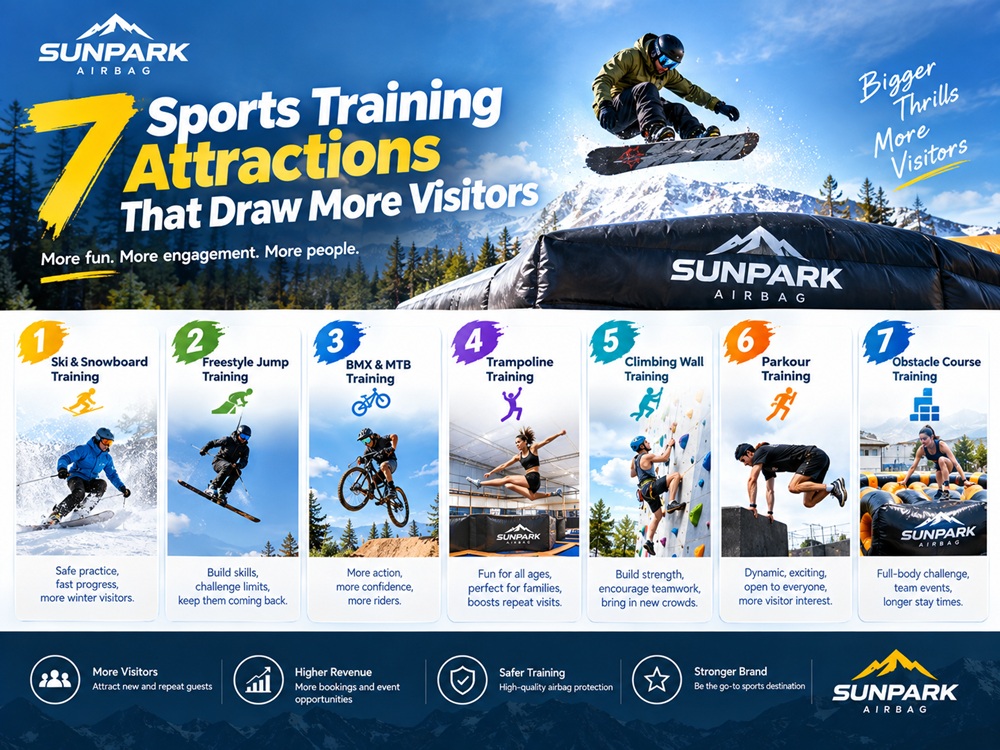
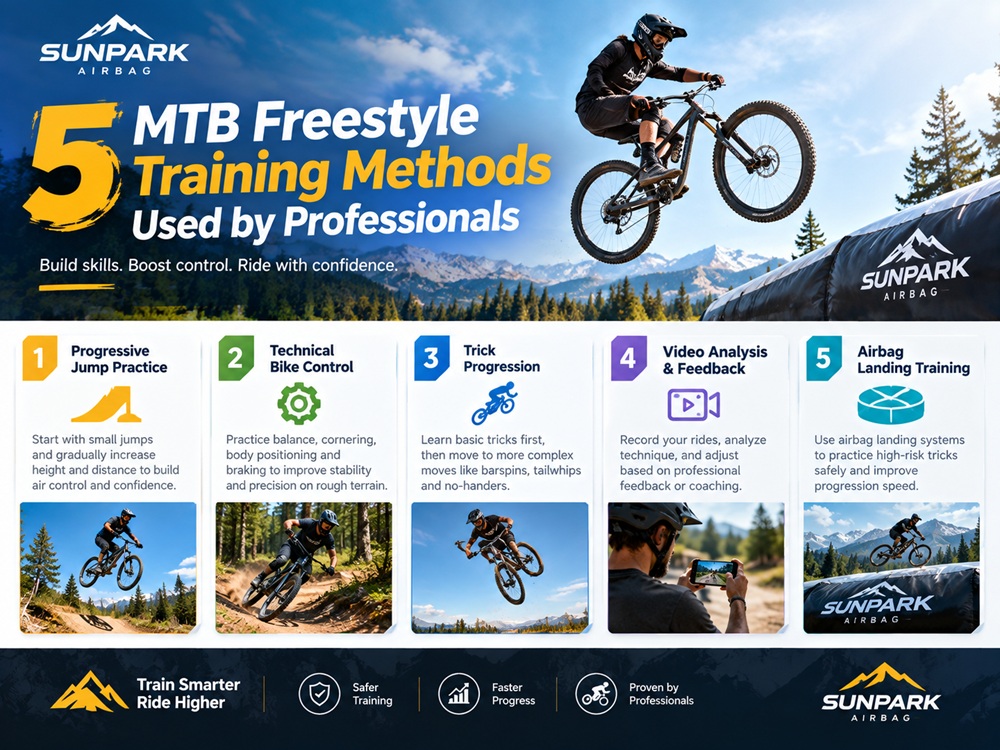
Mountain biking and BMX are no longer restricted to remote trails. 2026 sees a massive surge in urban, indoor/outdoor hybrid mega-parks. These facilities require adaptable infrastructure that can be modified daily. Implementing a structured mountain bike airbag landing guide ensures that operators can safely cater to both weekend warriors and touring professionals. Furthermore, dedicated BMX airbag landing setups are now standard requirements for hosting international qualifier events.
3. FMX Democratization
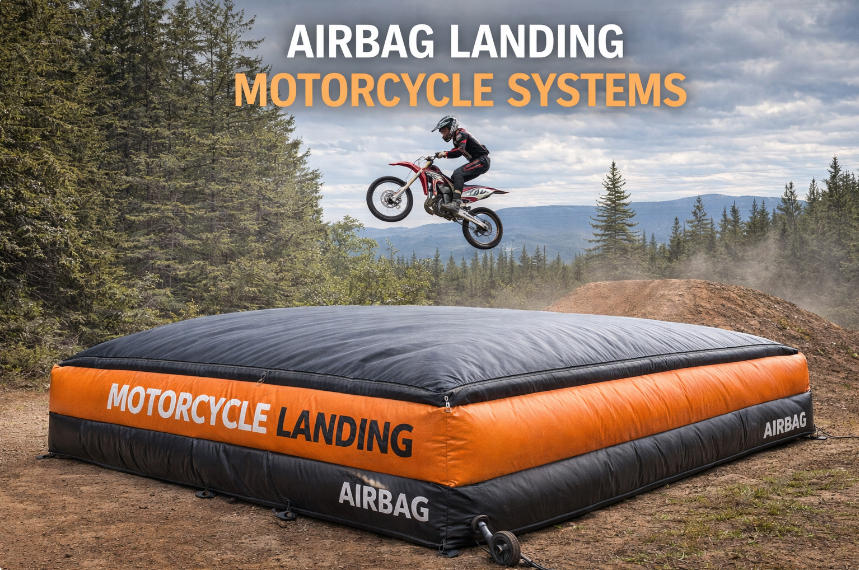
Freestyle Motocross was previously limited to elite riders with massive budgets and private dirt compounds. One of the most explosive Freestyle Sports Trends is the accessibility of FMX training. By utilizing a heavy-duty dirt bike airbag landing, regional promoters and training schools can safely host FMX clinics. Finding an FMX landing airbag for sale is now a standard procurement task for motorized sports complexes seeking to boost their weekend revenue.
4. Wearable Biometric Integration
Riders are no longer guessing their rotation speeds. In 2026, athletes wear biomechanical sensors that sync with facility cameras to measure launch velocity, spin rate, and impact force. This data allows coaches to mathematically correct a trick’s trajectory before the athlete even attempts it on a hard surface.
5. Standardization of Landing Systems
Insurance underwriters now dictate park design. Unregulated, DIY mulch jumps are uninsurable. The trend is moving toward strict standardization, utilizing certified bike airbag landing systems that possess documented impact-absorption ratings. If your equipment cannot prove its safety metrics on paper, you cannot operate commercially.
6. Year-Round Indoor Snow Facilities
Climate volatility is forcing freestyle skiing and snowboarding indoors. Massive refrigerated domes are popping up globally. Inside these domes, space is at a premium. Operators use inclined airbags rather than actual snow landings for their mega-ramps, ensuring perfectly consistent landing conditions regardless of internal temperature fluctuations.
7. Mobile and Pop-Up Competitions
Action sports events are moving to city centers. The ability to deploy a massive jump in a downtown plaza within six hours is a defining trend. Inflatable landing systems are the only logistical solution for these pop-up events, offering fast setup, zero ground damage, and rapid deflation for extraction.
8. The Used Equipment Lifecycle Economy
As top-tier Olympic facilities upgrade to the latest custom profiles, their previous generation equipment enters the secondary market. This allows smaller regional camps to upgrade affordably. However, purchasing secondhand requires extreme caution. Operators must understand buy used airbag landing tips and consult an airbag lifespan and safety guide to ensure the PVC seams and internal baffles have not suffered fatal UV degradation.
9. Inflatable Democratization for Amateurs
The technology is no longer exclusive to million-dollar facilities. Backyard setups are booming. Brands are producing smaller, highly durable units for private use. If you are a parent supporting a youth athlete, evaluating cheap MTB airbag options 2026 provides a realistic pathway to bringing professional-grade safety to your own property.
Benefits of Adapting to the Market
In most professional situations, embracing these Freestyle Sports Trends is a purely financial calculation. The primary benefit is liability reduction. When you remove rigid landings, you drastically reduce ambulance calls, which in turn slashes your commercial insurance premiums. Secondly, athletes will pay a premium to train at facilities that offer rapid, safe repetition. Throughput equals revenue. An airbag allows a rider to clear the landing zone in three seconds; a foam pit takes thirty seconds. You effectively multiply your park’s capacity tenfold.
Limitations and Capital Realities
We must present practical judgment: upgrading to 2026 standards requires aggressive capital expenditure. Heavy-duty airbags for FMX or Olympic snowboarding are expensive, often costing tens of thousands of dollars. Furthermore, they require continuous electrical power to run the inflation blowers, and they must be actively managed against extreme weather, vandalism, and sharp debris. They are not “set and forget” assets.
Who Should Upgrade & Who Does Not Need To
For commercial users: Ski resorts, commercial trampoline parks, extreme sports camps, and touring event promoters must adopt these trends immediately to remain competitive and insurable. You cannot charge premium entry fees for outdated infrastructure.
Who does not need it: If you are a casual rider operating a small, low-impact local dirt track with jumps under three feet, investing in a commercial-grade pneumatic landing system is severe overkill. Standard dirt transitions maintained with proper moisture control are entirely sufficient for baseline trail riding.
Common Mistakes in Facility Development
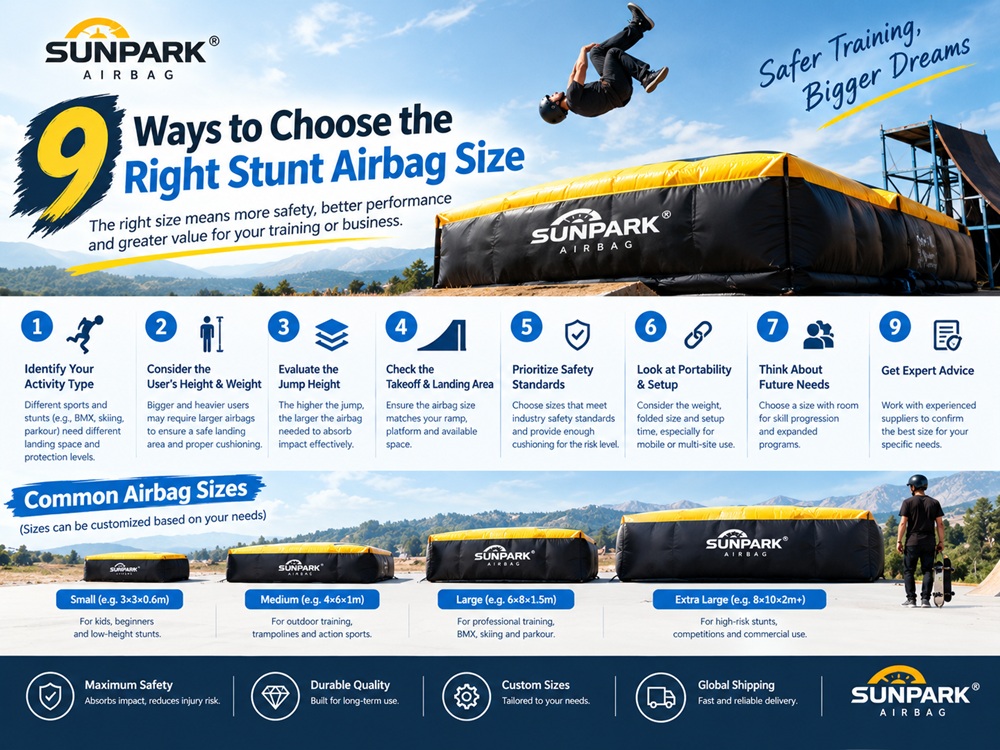
From our experience, the most catastrophic mistake commercial operators make is under-sizing their landing systems. Trying to save money by purchasing an airbag that is too narrow for the intended jump trajectory results in riders clipping the edges, which is incredibly dangerous. Another common error is neglecting the transition angle. Placing an airbag on flat ground when the rider is expecting a 30-degree downward transition creates severe spinal compression. The equipment must perfectly match the jump’s parabolic arc.
Commercial Buying Considerations
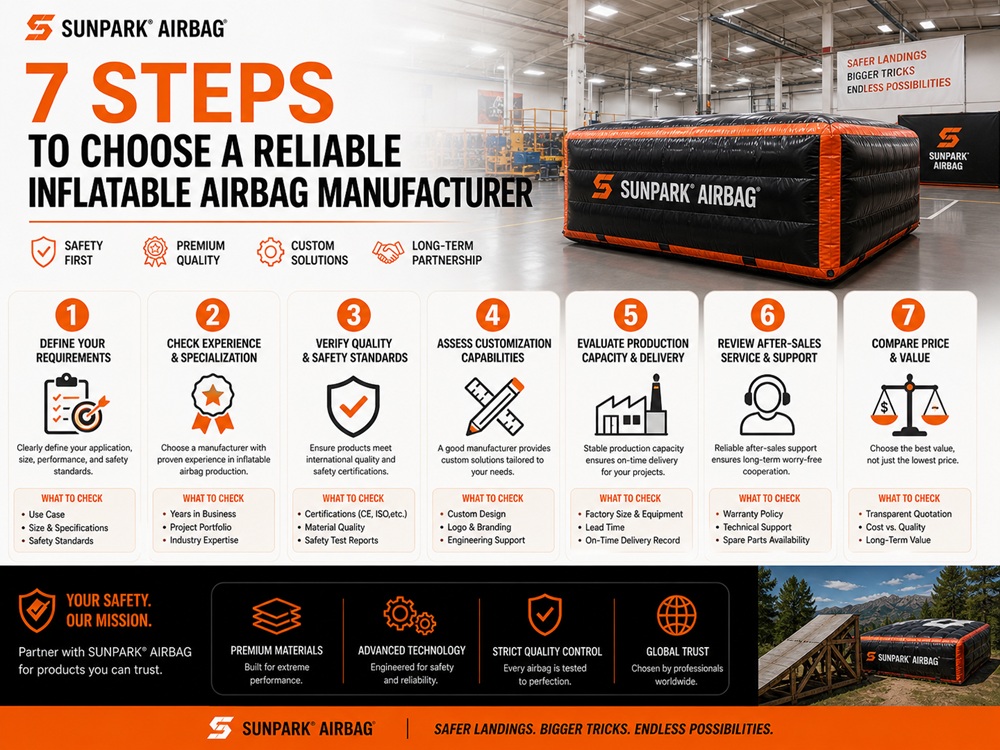
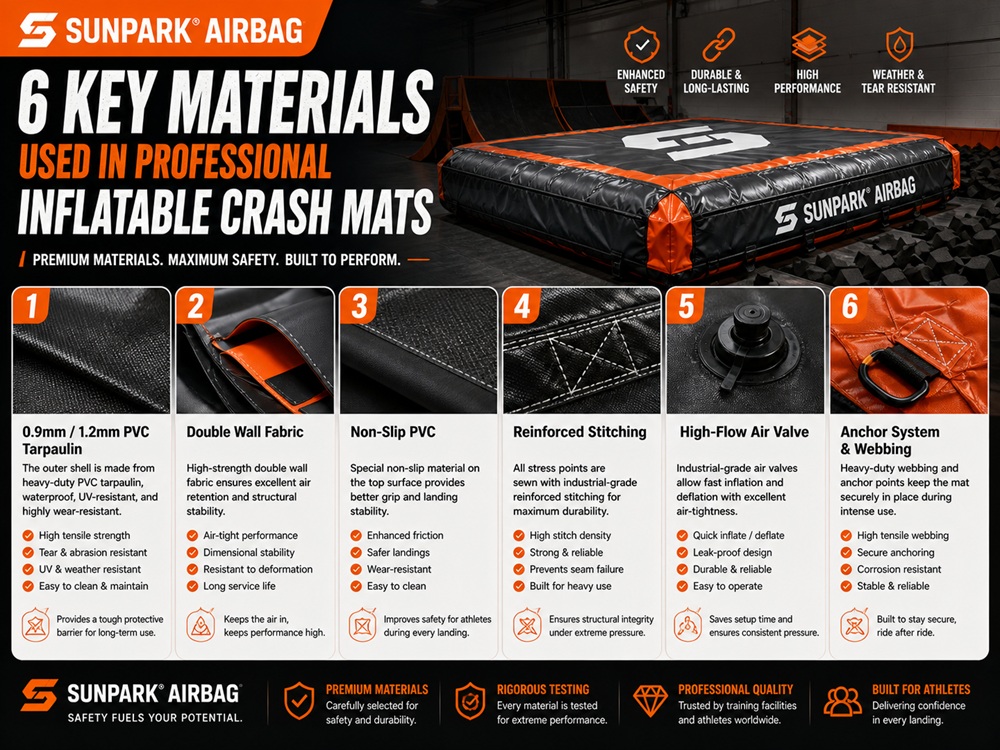
When you prepare to procure equipment to meet these Freestyle Sports Trends, you must evaluate the manufacturer’s credentials. For heavy-duty applications, insist on 0.55mm or thicker Plato PVC tarpaulin. Ensure the top sheet is replaceable, as tire treads and ski edges will eventually wear through the primary contact layer. Finally, demand customized 3D rendering from the supplier before manufacturing begins. If the supplier cannot mathematically prove how their airbag fits your specific ramp dimensions, walk away from the deal.
Expert Recommendation
We recommend that any facility operating in the 2026 extreme sports market completely audit their landing infrastructure. The days of accepting high injury rates as a “part of the sport” are over. You must upgrade to pneumatic, ride-out landing systems to secure your financial and operational future.
Explorer of Airbag System for Sports
With over 10 years of experience, we provide freestyle airbags for ski resorts, theme park, sports and gymnastics facility around the globe. SUNPARK® AIRBAG is the leading manufacturer of Airbags for Extreme Sports and Leisure Industries in China. Do not compromise on the safety of your athletes or the liability of your business. Upgrade to engineered progression.
Data and Comparison Tables
| Trend Category | Market Shift | Commercial Impact |
|---|---|---|
| Landing Infrastructure | Static foam to pneumatic airbags | Drastic reduction in liability & maintenance. |
| Facility Locations | Remote trails to Urban Mega-Parks | Higher daily foot traffic and recurring memberships. |
| Motorized Freestyle | Private compounds to public access | New revenue streams for regional promoters. |
| Data Integration | Guesswork to biometric wearables | Premium coaching packages and faster progression. |
| System Type | Throughput (Riders/Hr) | Maintenance Cost | Safety Rating |
|---|---|---|---|
| Traditional Foam Pit | Low (30-40) | High (Frequent block replacement) | Poor (Compression risks) |
| Resi-Ramp (Padded) | High (150+) | Low | Moderate (Harsh impacts) |
| Custom Airbag Landing | High (150+) | Medium (Electricity & Top sheets) | Excellent (Engineered deceleration) |
| Pros (Why You Need It) | Cons (The Reality) |
|---|---|
| Allows riders to safely attempt highly technical maneuvers. | High initial capital expenditure. |
| Instant ride-out capability clears the landing zone immediately. | Requires continuous electrical supply for blowers. |
| Hygienic, waterproof, and easy to sanitize. | Vulnerable to deliberate vandalism or sharp debris. |
| Creates a highly marketable, premium facility image. | Requires precise mathematical placement to avoid edge-clipping. |
Frequently Asked Questions
Authoritative References & Industry Standards
To ensure your facility meets the highest echelons of safety and operational excellence, we recommend consulting the following authoritative bodies regarding the latest Freestyle Sports Trends and equipment regulations:
- International Olympic Committee (IOC) – Defines the official infrastructure and safety requirements for international freestyle snowboarding and BMX competitions.
- ASTM International – Provides the global safety and testing standards for commercial trampoline parks, pneumatic impact systems, and extreme sports landing infrastructure.
- ESPN Action Sports (X Games) – The premier media authority tracking the evolution, progression, and technological shifts within professional freestyle sports.