Operating a profitable action sports facility, trampoline park, or ski resort requires far more than just selling tickets. Facility managers are constantly caught in a brutal tug-of-war between rising insurance premiums, escalating maintenance costs, and the relentless demand from consumers for bigger, safer thrills. When profit margins shrink, operators often look to cut corners on infrastructure. From our experience at SUNPARK® AIRBAG, this is a fatal operational error. True profitability comes from optimizing your physical assets to maximize throughput, minimize liability, and drastically reduce long-term operational expenditures.
We do not believe in sugarcoating the realities of commercial sports facility operations. If you are still relying on outdated technology like foam pits or uncertified ramps, your facility is bleeding revenue through maintenance downtime and elevated insurance liabilities. Today, we are going to dissect the operational framework of elite facilities. We will detail exactly what Management Strategies for Sustainable Growth look like in practice, explaining not only what these strategies are, but whether it is actually worth the capital expenditure to upgrade your facility’s safety infrastructure.
Quick Answer: What are Management Strategies for Sustainable Growth?
In the context of action sports facilities, Management Strategies for Sustainable Growth are systematic operational frameworks designed to scale revenue while controlling costs and mitigating risk over the long term. These strategies prioritize replacing high-maintenance legacy infrastructure (like foam pits) with commercial-grade safety assets (like freestyle airbags) to increase rider throughput by up to 600%, drastically lower insurance liabilities, reduce daily maintenance labor, and expand the facility’s demographic appeal to include both beginners and elite athletes. Implementing these strategies transitions a facility from a high-overhead liability into a scalable, high-margin enterprise.
What It Is: Defining Sustainable Growth in Action Sports
Sustainable growth in action sports facility management refers to scaling operations and increasing customer volume without causing a disproportionate increase in overhead costs, maintenance hours, or liability risks. It is the careful balancing act of keeping your facility cutting-edge while protecting the bottom line.
For decades, facility managers achieved growth by simply building larger ramps and deeper foam pits. However, this outdated approach is not sustainable. Foam pits require constant cleaning to remove toxic dust, harbor bacteria, present significant fire hazards, and take minutes for a single rider to exit, thereby killing facility throughput. Management Strategies for Sustainable Growth require a pivot away from these operational nightmares toward engineered, hygienic, and high-efficiency safety systems that serve the business model as much as they serve the athlete.
How It Works: The Mechanics of Facility Optimization
Implementing Management Strategies for Sustainable Growth works by attacking the three largest expenses on your Profit & Loss statement: labor, insurance, and asset replacement. By upgrading to commercial-grade infrastructure, you automate safety and streamline operations.
For example, in most professional situations, replacing a foam pit with a freestyle airbag immediately alters the facility’s mechanics. An airbag requires zero daily fluffing, generates zero dust, and allows a rider to land and ride away in under five seconds. This mechanical shift means your staff spends less time supervising a pit and more time processing new customers, while the increased throughput means lines move faster, customer satisfaction scores rise, and revenue per square foot is maximized.
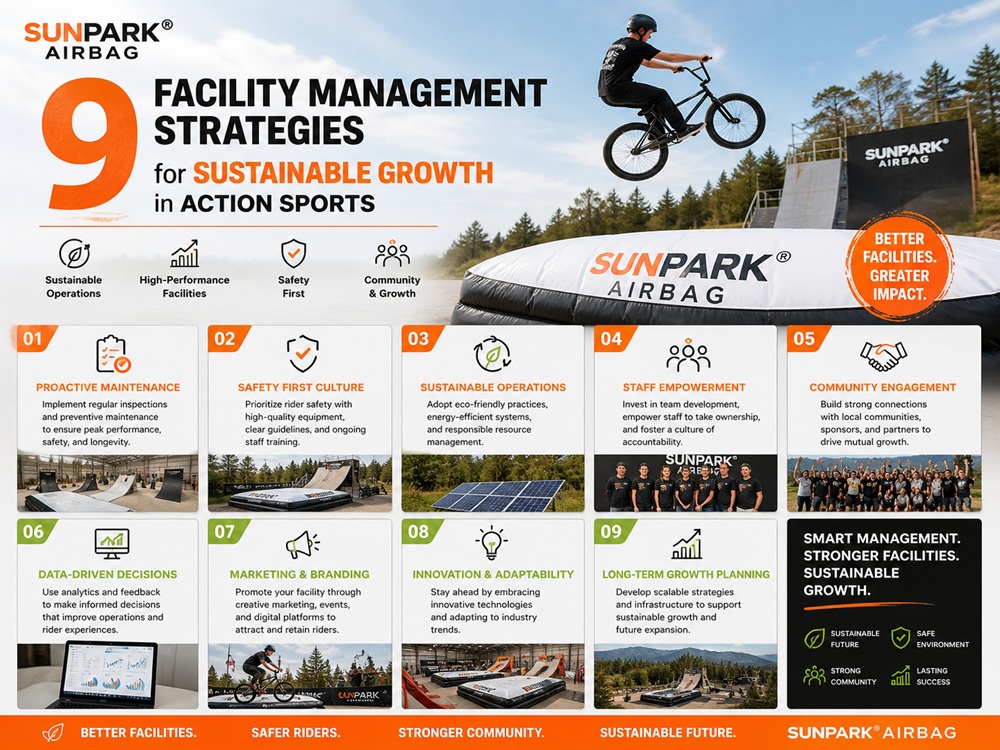
The 9 Management Strategies for Sustainable Growth
To successfully scale your extreme sports park, ski resort, or gymnastics facility, you must implement the following nine Management Strategies for Sustainable Growth. We recommend prioritizing these based on your current operational bottlenecks.
1. Eradicating Legacy Liabilities (The Foam Pit Phase-Out)
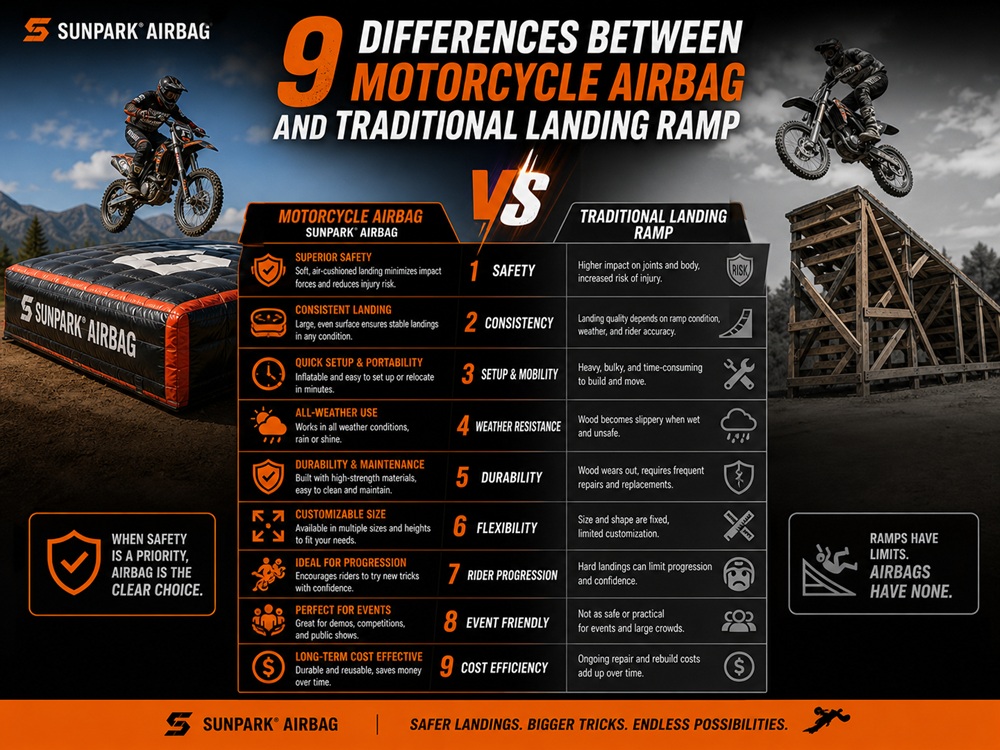
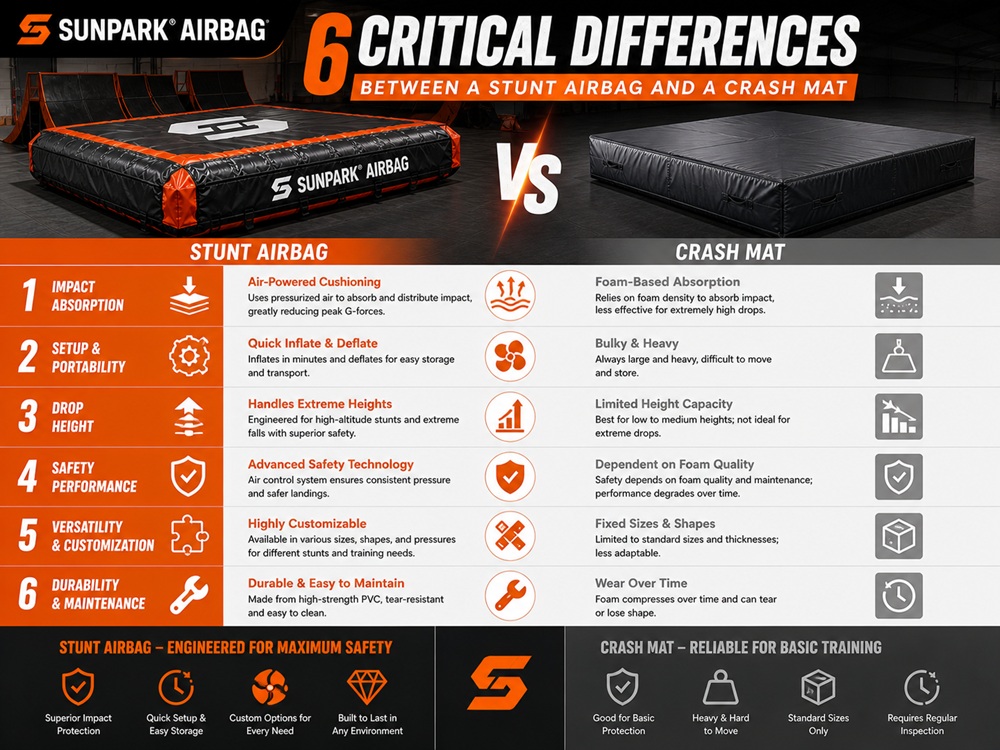
The most immediate strategy for sustainable growth is removing outdated, high-risk infrastructure. Foam pits are a massive liability. They do not provide uniform deceleration, leading to bottom-outs and severe joint compressions. Furthermore, the foam degrades rapidly, creating a respiratory hazard and requiring costly annual replacement. Upgrading to a modern airbag landing ramp system provides a predictable, uniform catch that drastically lowers injury rates. Fewer injuries directly correlate to lower insurance premiums and a stronger public reputation, which are foundational for sustainable growth.
2. Maximizing Customer Throughput
Your facility’s revenue ceiling is dictated by throughput—how many users can safely execute an activity per hour. A rider landing in a foam pit takes roughly 30 to 45 seconds to climb out. A rider utilizing a BMX airbag landing rides off the specialized topsheet in under 5 seconds. This 600% increase in efficiency means shorter lines, more jumps per session for the customer, and the ability to safely increase your facility’s maximum daily capacity.
3. Expanding Demographic Accessibility
Sustainable growth requires expanding your target market beyond elite, sponsored athletes. You must attract beginners, children, and recreational riders. Installing specialized safety infrastructure, such as bike airbag landing systems, removes the fear factor from progression. When parents see a highly engineered, shock-absorbing landing zone, they are far more likely to purchase seasonal passes for their children. Safety is the ultimate marketing tool for demographic expansion.
4. Strategic CAPEX vs. OPEX Balancing
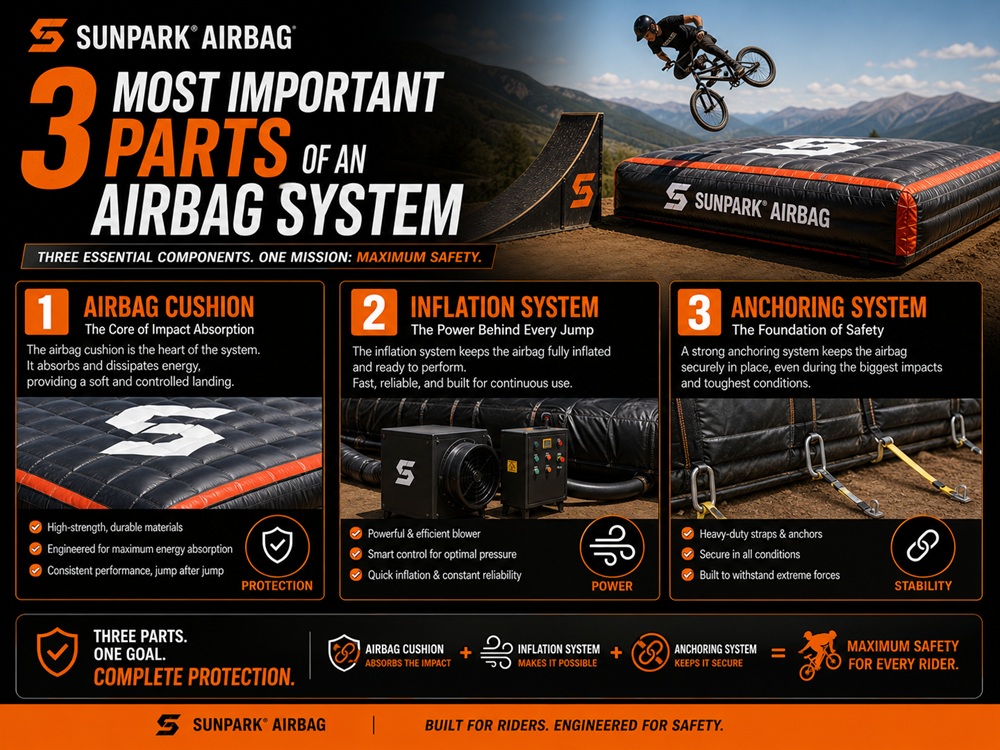
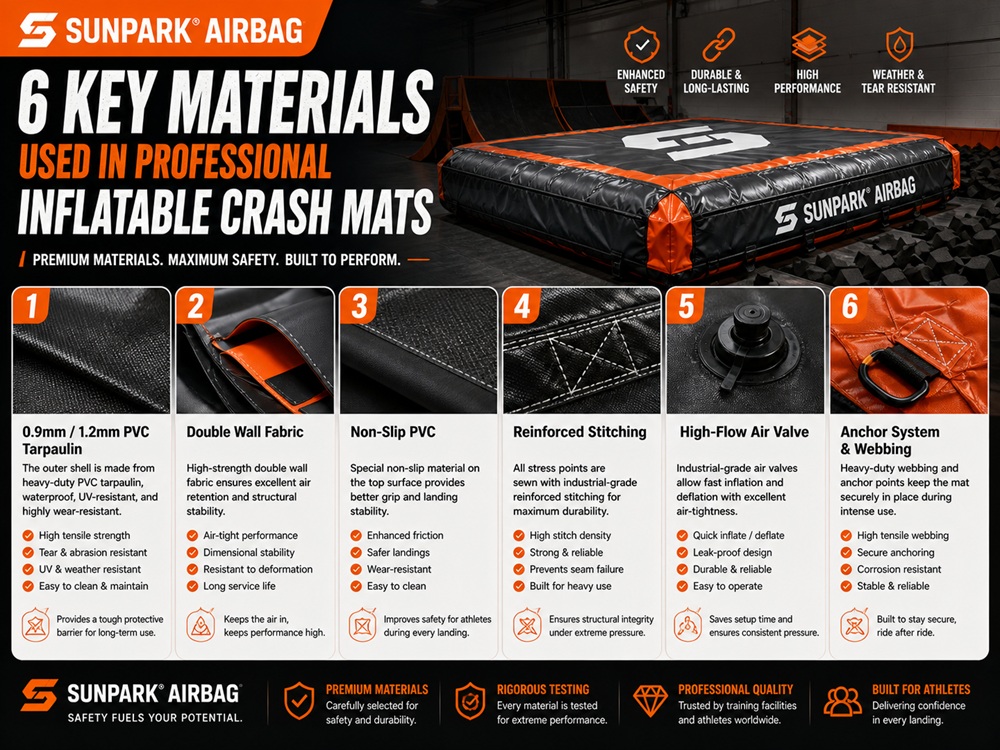
Facility managers often balk at the initial Capital Expenditure (CAPEX) of premium safety equipment, opting instead for cheaper solutions that result in massive Operational Expenditures (OPEX) over time. Buying cheap foam blocks might save money today, but the labor required to clean and replace them quarterly destroys your OPEX budget. We recommend investing heavily upfront in commercial-grade airbags built with heavy-duty 0.55mm to 0.9mm PVC Plato tarpaulin. This initial CAPEX investment virtually eliminates daily maintenance OPEX, leading to long-term profitability.
5. Understanding Asset Lifecycle and Depreciation
You cannot achieve sustainable growth if you are constantly replacing core assets. Understanding the structural limits of your equipment is vital. Facility managers must consult an airbag lifespan and safety guide to project replacement cycles accurately. A high-quality airbag treated with UV inhibitors and anti-fungal coatings will easily last 5 to 8 years in harsh outdoor environments, allowing you to amortize the cost effectively across nearly a decade of revenue generation.
6. Modular and Repositionable Infrastructure
Static facilities become boring. To ensure repeat visitation (customer retention), your facility must evolve. Pouring concrete or building permanent wooden superstructures limits your adaptability. We advise adopting a modular approach. Utilizing inflatable, repositionable infrastructure allows you to change the park layout seasonally, host unique weekend competitions, or rent out a FMX landing airbag for sale to external event organizers, creating an entirely new revenue stream.
7. Proactive Injury Mitigation Protocols
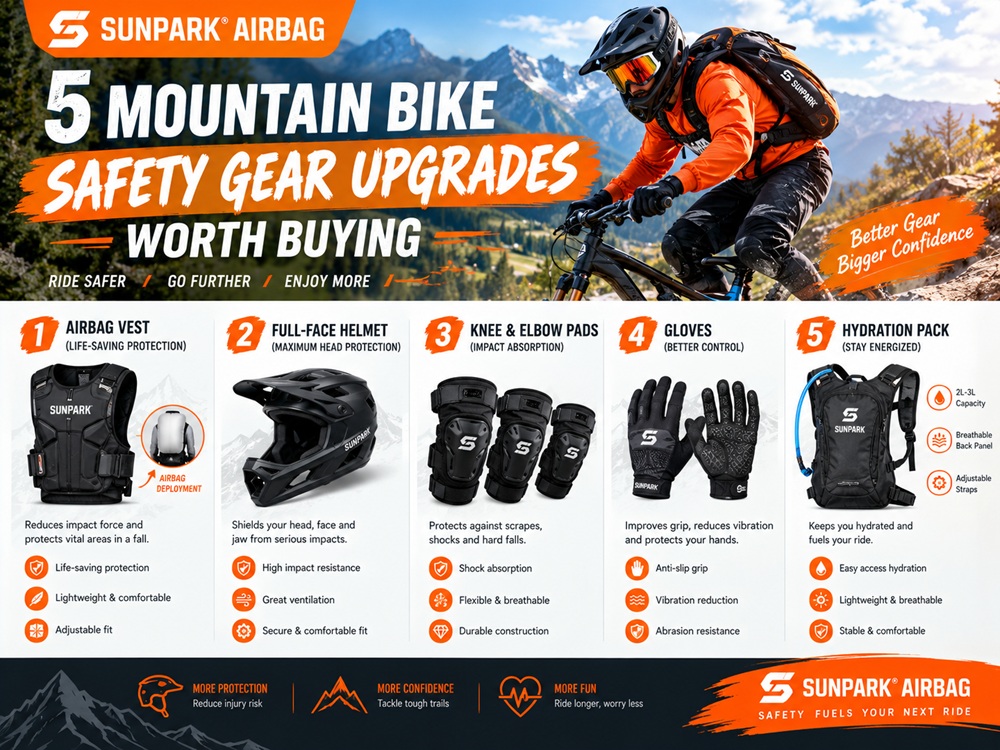
Every injury at your facility threatens your operational license and insurance policy. Implementing strict protocols based on data regarding common BMX injuries and prevention is non-negotiable. This involves not only installing the correct shock-absorbing airbags but also enforcing proper rider spacing, mandating safety gear, and training staff on emergency extraction protocols. A clean safety record is the bedrock of sustainable facility growth.
8. Optimizing Energy and Blower Efficiency
For inflatable infrastructure, electricity to run the blowers is a continuous cost. Sustainable management requires optimizing this utility pull. Modern commercial airbags utilize internal air pillars and precision pressure-release valves that allow the system to operate on fewer, high-efficiency blowers. Upgrading to variable-speed blowers or utilizing smart power management systems during off-peak hours significantly reduces monthly utility overhead.
9. Intelligent Secondary Market Procurement
For smaller facilities or those just starting out, achieving sustainable growth might mean preserving capital during the initial build-out. While we always recommend custom, factory-direct equipment, smaller operators can strategically acquire lightly used commercial gear. If you take this route, you must follow rigorous inspection protocols and review buy used airbag landing tips to ensure you are not buying a compromised or UV-degraded asset that will fail under commercial load.
Core Benefits of Strategic Upgrades
When you aggressively implement these Management Strategies for Sustainable Growth, the benefits compound rapidly. First, your operating margins widen as maintenance labor drops to near zero. Second, customer retention skyrockets; riders will drive past three competing parks to ride at a facility equipped with a pristine, safe airbag setup. Finally, your brand positioning shifts from a “local extreme sports park” to a “premier professional training facility,” allowing you to justify premium ticket pricing and attract lucrative sponsorship deals.
Limitations and Operational Realities
We must use practical judgment: these strategies are not magic wands. The primary limitation is the initial capital requirement. Upgrading a facility to utilize commercial airbags, re-grading landing slopes, and training staff requires a significant upfront investment. Furthermore, while airbags require far less maintenance than foam pits, they are not zero-maintenance. They require daily pressure checks, routine cleaning of the topsheet to remove dirt that could compromise the friction coating, and safe storage if deflated during severe winter storms. Neglecting these basic operational realities will shorten the lifespan of even the best equipment.
Who Should Use It & Who Does Not Need It
For commercial users—specifically owners of indoor trampoline parks, outdoor mountain bike parks, ski resorts, gymnastics training centers, and traveling stunt shows—implementing these strategies is an absolute necessity for survival in a highly litigious and competitive market. If you are operating a commercial enterprise where gravity and speed are the primary products, you must use commercial-grade safety strategies.
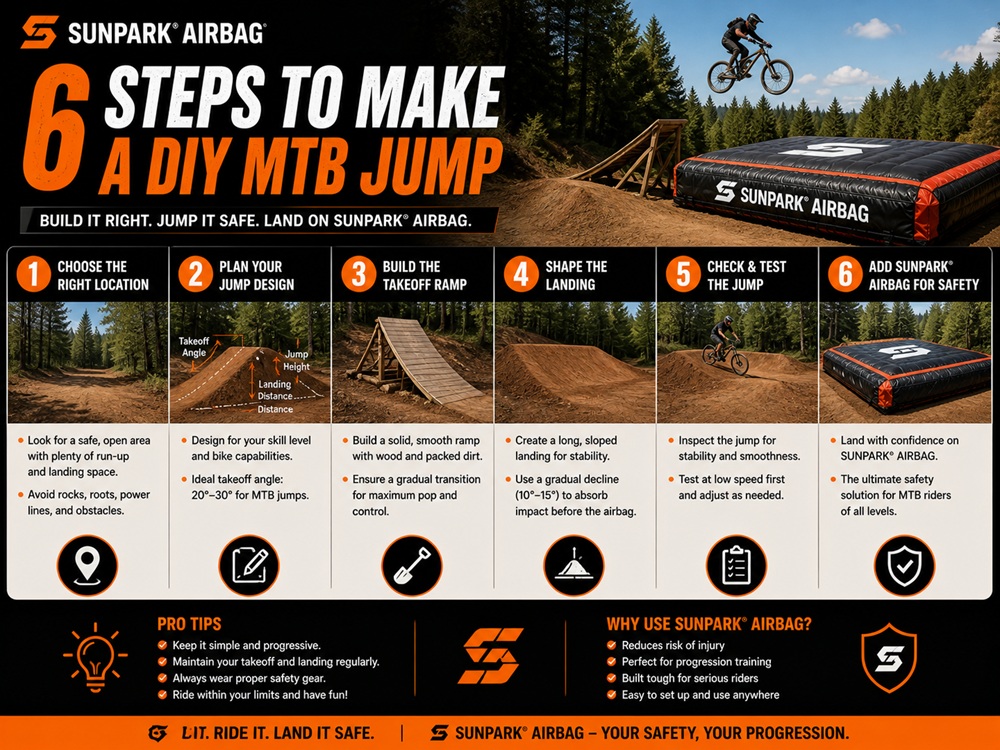
Who does not need this level of strategic management? If you are a private individual building a small dirt jump in your backyard for personal use, you do not need to implement complex throughput strategies or buy a massive custom FMX bag. For private, low-volume use, reviewing cheap MTB airbag options 2026 is entirely sufficient for backyard progression.
Common Mistakes in Facility Management
In our testing and consultation with hundreds of parks worldwide, the most common mistake is the “sunk cost fallacy.” Facility managers will continue to sink thousands of dollars annually into replacing foam blocks and paying staff to clean toxic pits simply because “we already built the pit.” Tear it out. The ROI of replacing a foam pit with an airbag is typically realized within 18 to 24 months through labor savings and increased throughput alone.
Another catastrophic error is purchasing residential-grade inflatables for commercial use. A bouncy castle manufacturer cannot build a freestyle airbag. Action sports airbags require specialized internal pillar construction to dissipate the kinetic energy of a 200-pound rider and a 40-pound bike falling from 30 feet. Buying uncertified, cheap equipment for a commercial facility is gross negligence.
Buying Considerations for Safety Infrastructure
When applying Management Strategies for Sustainable Growth to your procurement process, you must demand technical specifications from your manufacturer. We recommend evaluating the following before signing a purchase order:
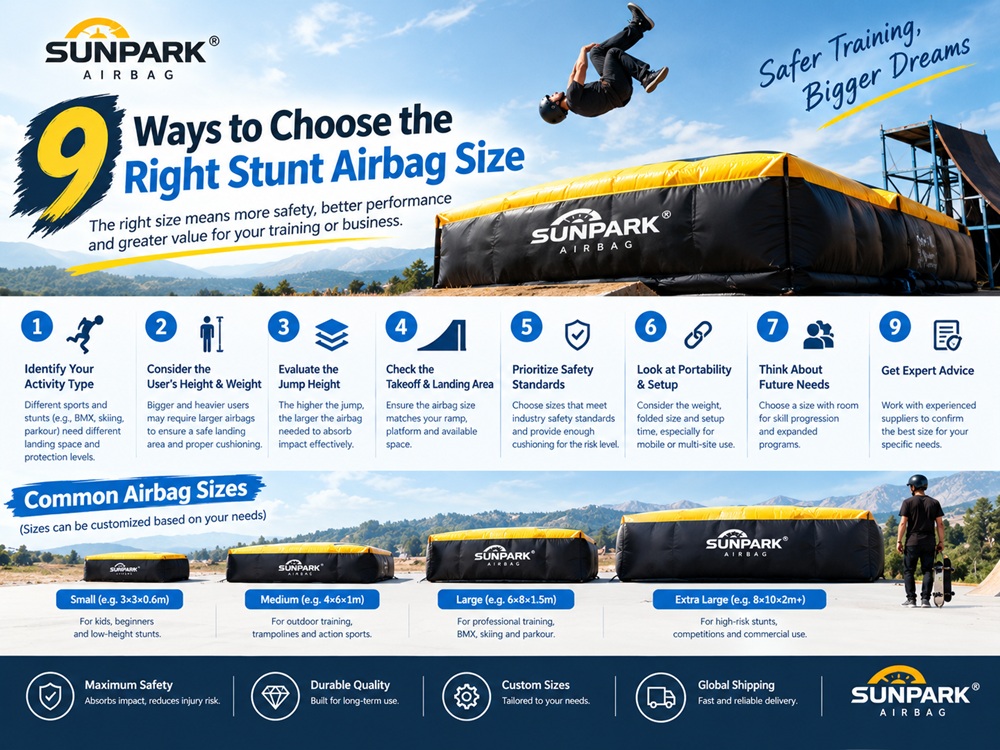
- Material Thickness: Ensure the topsheet is made of at least 0.9mm PVC Plato tarpaulin for puncture resistance against bike pedals and ski edges.
- Customization: The manufacturer should be able to tailor the slope angle, width, and run-out length to match your exact facility topography.
- Certifications: Demand to see safety certifications and compliance with international amusement device standards.
- Venting Systems: Ensure the airbag utilizes adjustable pressure vents so your staff can tune the softness of the bag based on the weight of the riders (children vs. adult pros).
Summary and Comparison Tables
| Management Strategy | Action Required | Primary Commercial Benefit |
|---|---|---|
| Risk Mitigation | Replace foam pits with engineered airbags. | Drastically lowers insurance premiums and liability. |
| Throughput Maximization | Install ride-off airbag topsheets. | Increases jumps per hour by up to 600%. |
| Lifecycle Management | Procure UV-treated, 0.9mm PVC commercial assets. | Extends asset lifespan to 5-8 years, lowering OPEX. |
| Demographic Expansion | Market the safety aspect to beginners and parents. | Opens new revenue streams beyond elite athletes. |
| Operational Metric | Traditional Foam Pit Facility | Modern Airbag Facility |
|---|---|---|
| Rider Exit Time | 30 to 60 seconds (wading through foam) | 3 to 5 seconds (riding off the smooth surface) |
| Maintenance Labor | High (Daily fluffing, regular deep cleaning) | Low (Surface wipe-down, blower checks) |
| Hygiene & Cleanliness | Poor (Collects sweat, dirt, and toxic foam dust) | Excellent (Anti-microbial PVC, easily sanitized) |
| Visual Appeal | Degrades quickly, looks messy | Professional, highly brandable with custom logos |
| Pros (Advantages) | Cons (Challenges) |
|---|---|
| Transitions facility from high-OPEX to high-margin operations. | Requires significant initial CAPEX for commercial-grade equipment. |
| Significantly reduces catastrophic injury rates and lawsuits. | Requires comprehensive staff retraining on new safety protocols. |
| Allows for rapid layout changes using modular, inflatable setups. | Operators must adhere strictly to manufacturer maintenance schedules. |
Expert Recommendation
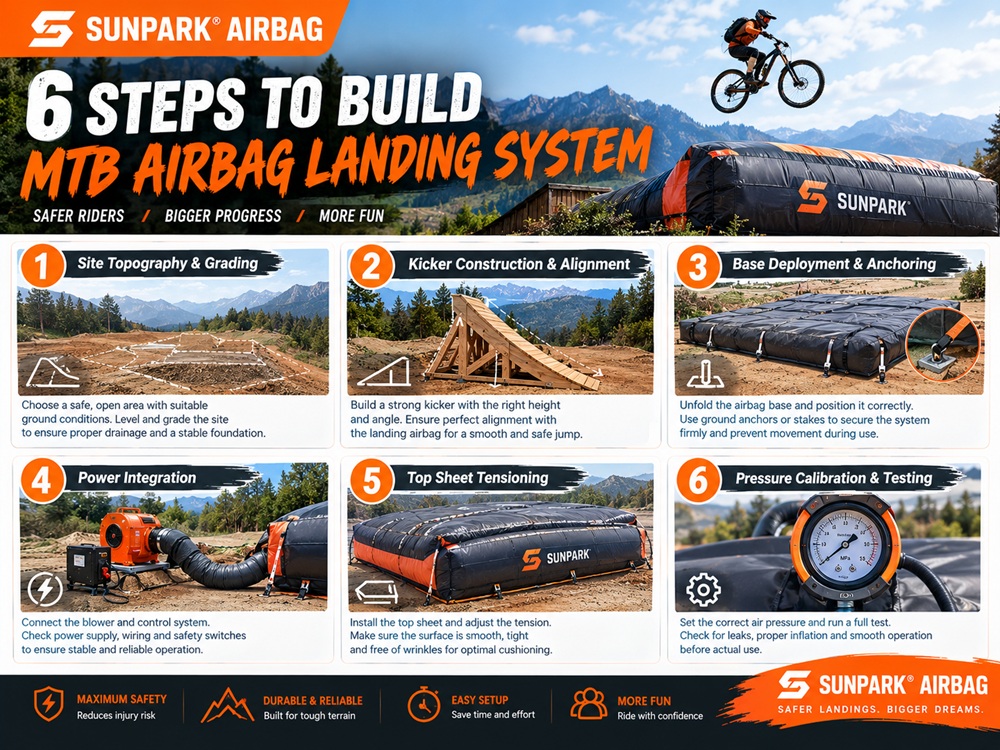
If you are serious about implementing Management Strategies for Sustainable Growth, you must stop treating safety infrastructure as an afterthought. From our experience, the most profitable action sports facilities in the world treat their landing zones as their primary marketing and operational asset. We strongly recommend that any facility currently operating a foam pit or outdated landing ramp immediately audit their operations. For heavy-duty applications, whether it is a mountain bike airbag landing or a massive ski resort freefall zone, upgrading to a custom-engineered SUNPARK® AIRBAG is the single most effective decision a facility manager can make to secure long-term profitability and safety.
SUNPARK® AIRBAG: Explorer of Airbag Systems for Sports
With over 10 years of experience, we provide freestyle airbags for ski resorts, theme parks, sports, and gymnastics facilities around the globe. SunparkAirbag® is the leading manufacturer of Airbags for Extreme Sports and Leisure Industries in China.
As extreme sports develop, more and more snowboarders, BMX riders, and serious sports enthusiasts are looking for safer training possibilities to progress without the risk of getting injured. We create products for World Champion snowboarders, famous riders, and trampoline parks worldwide. We are deeply committed to the development and continual improvement of our own products, ensuring your facility operates at peak safety and profitability.
Frequently Asked Questions (FAQ)
Airbags feature a smooth, tensioned topsheet that allows riders to land and immediately ride or slide off the side. This takes approximately 3 to 5 seconds. In contrast, riders sink into foam pits and must wade through heavy blocks to exit, which can take up to a minute. By eliminating this exit delay, airbags allow the next rider to drop in much faster, drastically increasing the number of users processed per hour.
No. While the initial capital expenditure is higher than buying cheap foam blocks, the operational maintenance cost is extremely low. Commercial airbags simply require daily visual inspections, routine cleaning of the topsheet with mild soap and water, and electricity to run the blowers. They eliminate the massive labor costs associated with emptying, cleaning, and replacing degraded foam pits.
Yes, provided you purchase a commercial-grade airbag specifically designed for outdoor use. Premium manufacturers like SUNPARK® AIRBAG use heavy-duty PVC Plato tarpaulin treated with advanced UV inhibitors and anti-fungal coatings. However, during extreme weather events (like hurricanes or heavy blizzards), the airbag should be deflated and covered with a protective tarp to maximize its lifespan.
Insurance premiums for action sports facilities are calculated based on liability and historical injury data. By upgrading to engineered, certified airbags, facility managers can demonstrate to underwriters that they have proactively mitigated risk. Airbags provide uniform deceleration and prevent the “bottoming out” injuries common in foam pits. This demonstrable commitment to safety frequently results in significantly lower insurance premiums.
Authoritative Industry References
To ensure our management strategies align with global safety and operational standards, we rely on data and guidelines from the following authoritative organizations:
- IAAPA (International Association of Amusement Parks and Attractions) – Global standards for amusement facility safety and operational best practices.
- ASTM International – Committee F24 on Amusement Rides and Devices, establishing rigorous safety protocols for commercial recreation equipment.
- RoSPA (The Royal Society for the Prevention of Accidents) – Authoritative guidance on risk assessment, liability reduction, and injury prevention in leisure facilities.