The indoor recreation industry is experiencing a ruthless phase of natural selection. Facilities relying on outdated trampoline grids and unhygienic foam pits are rapidly losing market share to highly engineered, adrenaline-focused action parks. Consumers no longer want generic bounce houses; they demand progressive, extreme-sports-lite experiences. For commercial operators, the challenge is clear: how do you deliver high-thrill attractions while mitigating liability and minimizing operational expenditures?
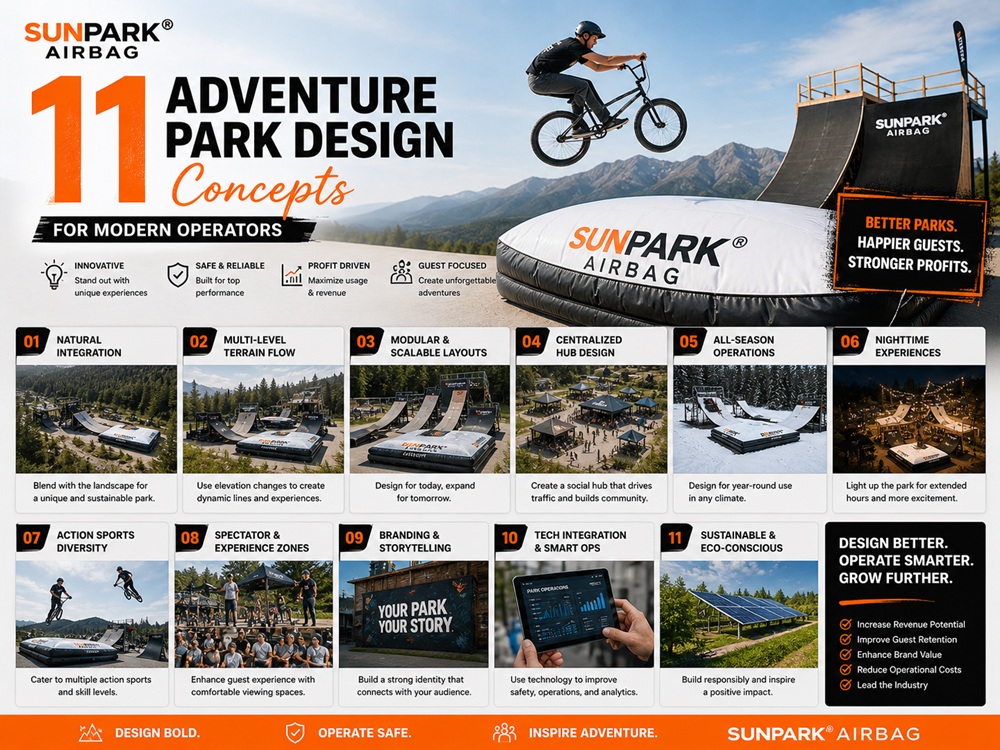
From our experience engineering safety infrastructure for elite facilities globally, successful Adventure Park Design Concepts hinge on a single operational metric: throughput. An attraction is commercially useless if it takes five minutes for a single user to complete a turn and exit the landing zone. In this definitive guide, we take a clear position on what modern adventure parks must incorporate to survive. We will detail the 11 most profitable design concepts, explain why legacy systems are killing your margins, and provide actionable buying guidance for your next facility upgrade.
Quick Answer: What are the Best Adventure Park Design Concepts?
The most profitable Adventure Park Design Concepts prioritize rapid user throughput, high-adrenaline experiences, and zero-maintenance landing zones. We recommend replacing legacy foam pits with inflatable stunt airbags, integrating Ninja Warrior parkour courses, adding freestyle BMX/skate launch ramps, and utilizing gamified, interactive tech arenas. These specific upgrades drastically increase a facility’s demographic appeal, allowing operators to market to teenagers and adults rather than just young children, thereby exponentially increasing potential revenue.
What It Is: The Modern Adventure Park
Modern Adventure Park Design Concepts represent an evolution from passive play to active progression. Ten years ago, a trampoline park consisted of interconnected beds surrounded by padded walls. Today, an adventure park is a multi-disciplinary training ground. It blends elements of gymnastics, extreme sports, climbing, and digital gamification.
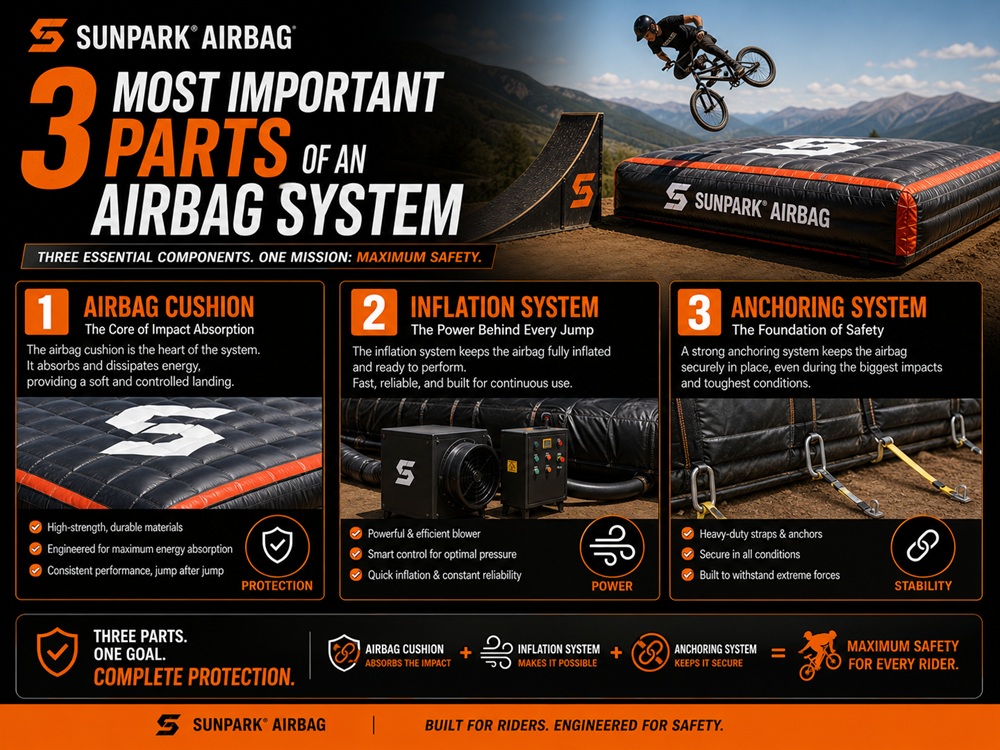
These concepts rely heavily on advanced shock-absorption technology. To offer high-altitude drops and inverted aerial maneuvers safely to the general public, operators must utilize commercial-grade inflatable infrastructure rather than static padding. This evolution completely changes the trampoline park owner income potential by attracting older, higher-paying demographics who purchase premium time slots and lucrative party packages.
How It Works: Mechanics of Traffic and Throughput
A beautifully designed park will still fail financially if the traffic flow is bottlenecked. How a modern park works relies on a central hub-and-spoke layout, directing users naturally from lower-skill warm-up zones to high-skill extreme zones.
In most professional situations, operators calculate ROI based on Jumps Per Minute (JPM). If a user lands in a traditional foam pit, it takes them an average of 45 seconds to wade out. If that same user lands on a tensioned inflatable jump airbag, they slide off and exit the zone in under 5 seconds. This specific mechanical upgrade increases the throughput of a single attraction by up to 800%, completely eliminating the long lines that generate negative customer reviews.
The 11 Adventure Park Design Concepts
If you are drafting blueprints for a new build or planning a major renovation, these are the 11 Adventure Park Design Concepts you must evaluate.
1. The Zero-Foam Mega Jump Zone
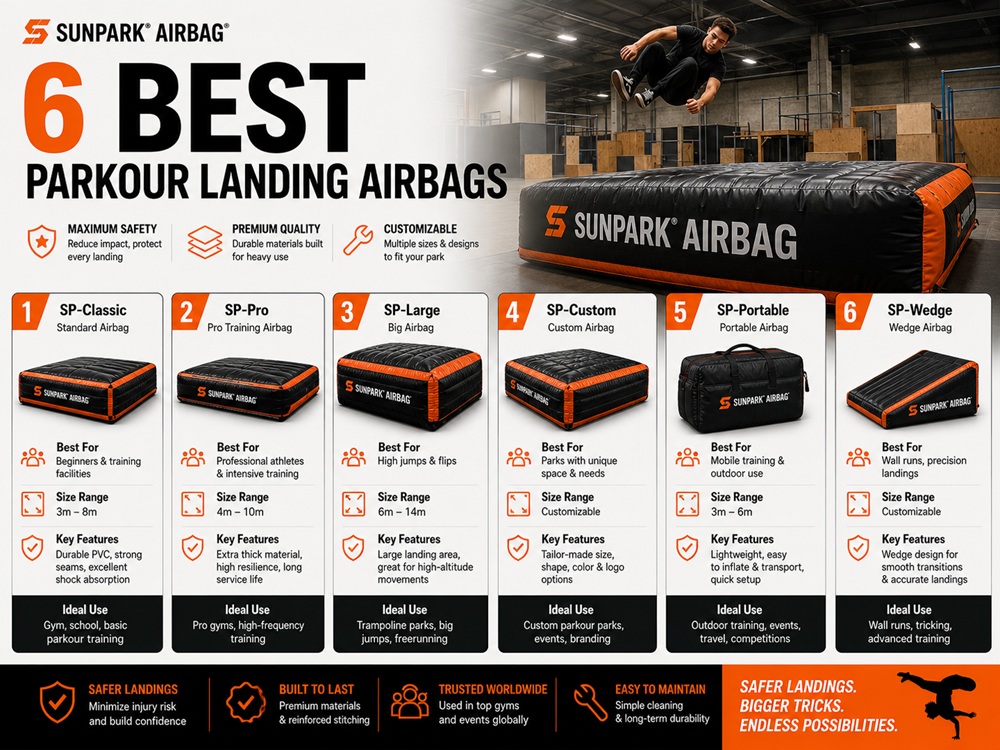
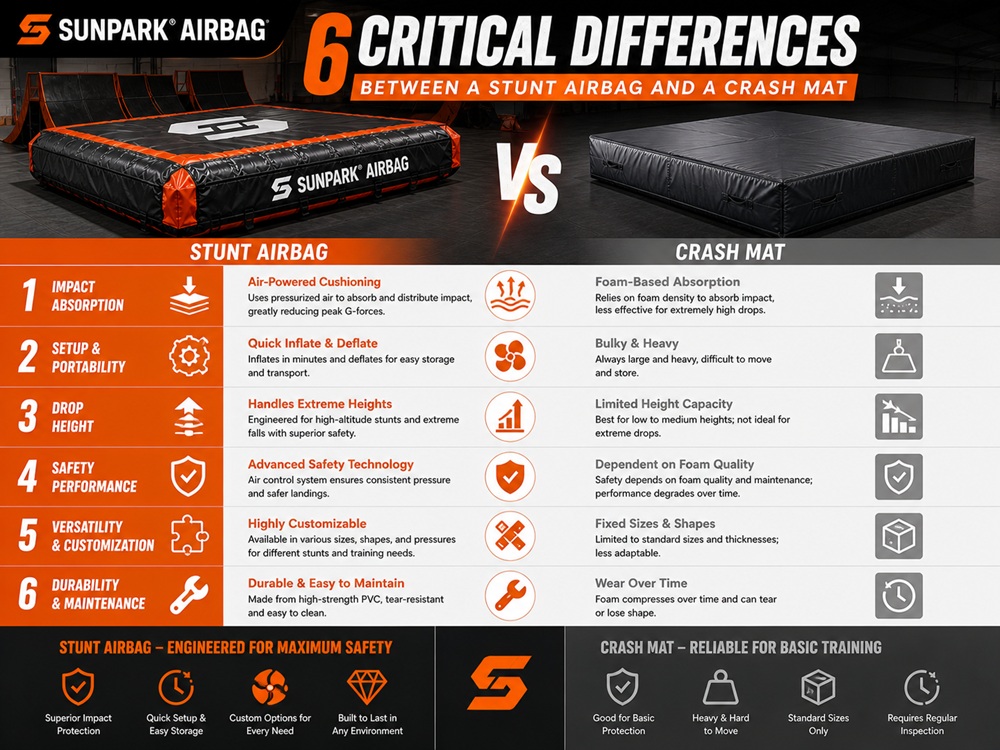
Foam pits are obsolete. They harbor bacteria, pose severe fire risks, and require massive operational labor to clean and fluff. The definitive modern concept is replacing these pits entirely with customized airbags. When looking at a foam pit vs airbag comparison, the airbag wins on hygiene, aesthetics, and user exit speed.
2. High-Altitude Stunt Drops
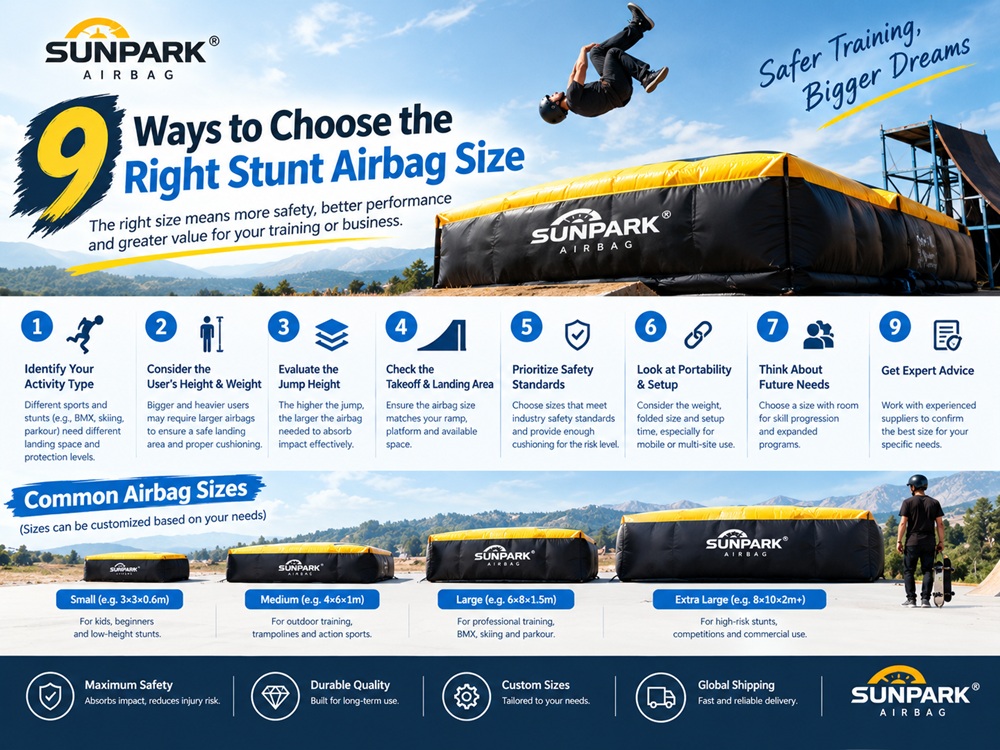
Consumers want the sensation of freefall. Constructing multi-level jump towers (ranging from 2 meters to 5 meters) into a highly engineered stunt airbag landing pad creates an incredibly marketable attraction with a very small square-footage footprint.
3. Indoor Freestyle Bike and Skate Ramps
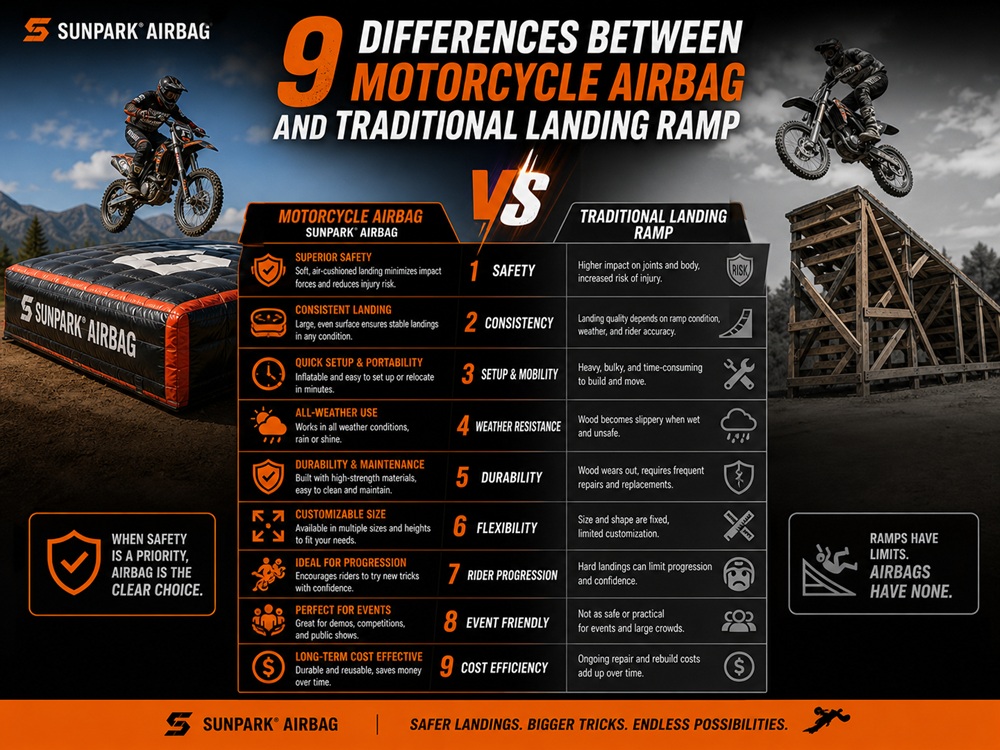
Action sports athletes need year-round training facilities. By integrating a roll-in ramp leading to a bike airbag landing, your park instantly becomes a destination for the local BMX, scooter, and skateboard community, unlocking an entirely new recurring revenue stream.
4. Olympic-Grade Gymnastics Hubs
Move beyond casual bouncing by installing performance-grade trampolines (like Super Tramps) alongside a gymnastics airbag equipment setup. This attracts cheerleading squads, gymnastics clubs, and parkour athletes who will rent out the facility during your typically slow weekday morning hours.
5. Augmented Reality (AR) Gamified Trampolines
Integrate motion-tracking projectors over the trampoline beds. Users bounce to stomp virtual monsters or pop digital balloons. This merges video game addiction with physical exertion, dramatically increasing repeat visitation from younger demographics.
6. Multi-Level Ninja Warrior Courses
Obstacle courses over padded flooring or airbags tap into the competitive fitness trend. Designing these courses with interchangeable modular holds allows you to alter the difficulty every quarter, keeping the challenge fresh for members.
7. The Wipeout Sweeper Challenge
A rotating mechanical arm that forces 6 to 8 participants to jump or duck simultaneously. It offers massive throughput and creates highly shareable, humorous social media content for your brand.
8. Zip-Line to Airbag Integration
Utilize the dead vertical space in your facility by running indoor zip-lines that terminate over a massive, plush landing zone. It provides high thrill with minimal physical exertion required from the user.
9. Freestyle Ski and Snowboard Dry Slopes
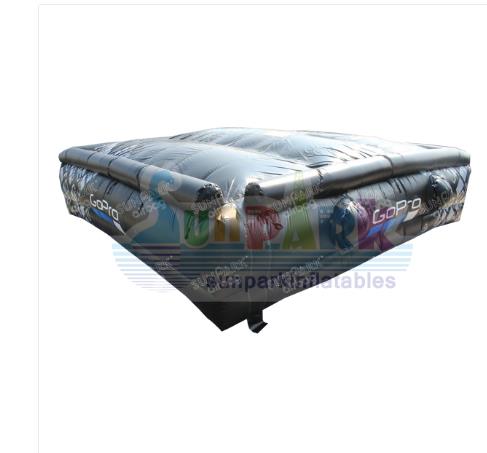
If your facility operates in a winter-sports region, installing a synthetic dry slope feeding into a big jump airbag system turns your park into a mandatory off-season training facility for terrain park riders.
10. Interactive Bouldering and Traverse Walls
Instead of vertical rock climbing which requires expensive auto-belay systems and harnesses, install lateral traverse bouldering walls over thick safety mats. It requires zero staff intervention to operate.
11. Modular Adult Competition Arenas
Design your layout so that barriers can be removed, combining multiple zones into a single arena for weekend dodgeball tournaments, extreme parkour tag, or corporate team-building events.
Benefits of Upgrading Your Design
In our testing, executing these Adventure Park Design Concepts yields immediate commercial benefits. First, it significantly broadens your target demographic. Toddlers age out of soft-play centers by age 7; teenagers and adults will pay premium rates for extreme sports training facilities indefinitely. Second, utilizing advanced inflatable landing zones drastically reduces your insurance premiums, as underwriters heavily favor verifiable, engineered shock-absorption over unpredictable foam blocks.
Limitations and Roadblocks
We must apply commercial judgment: these concepts require substantial initial capital expenditure (CAPEX). High-performance airbags and structural jump towers are not cheap. Furthermore, concepts like stunt drops and dry slopes require massive ceiling clearances—often exceeding 25 feet (7.5 meters)—which strictly limits the commercial real estate buildings you can lease for your operation.
Who Should Use It (And Who Does Not Need It)
Who should use these designs: Commercial trampoline park operators seeking a rebrand, ski resorts expanding their indoor base-lodge offerings, and entrepreneurs launching new extreme sports complexes.
Who does not need it: Small municipal recreation centers, dedicated toddler soft-play franchises, or trampoline parks operating in buildings with restrictive, low drop-ceilings.
Common Mistakes Operators Make
The most catastrophic mistake in adventure park design is bottlenecking. Placing your most popular attraction (like a mega-jump tower) right next to the entrance or without a dedicated exit pathway causes pedestrian gridlock.
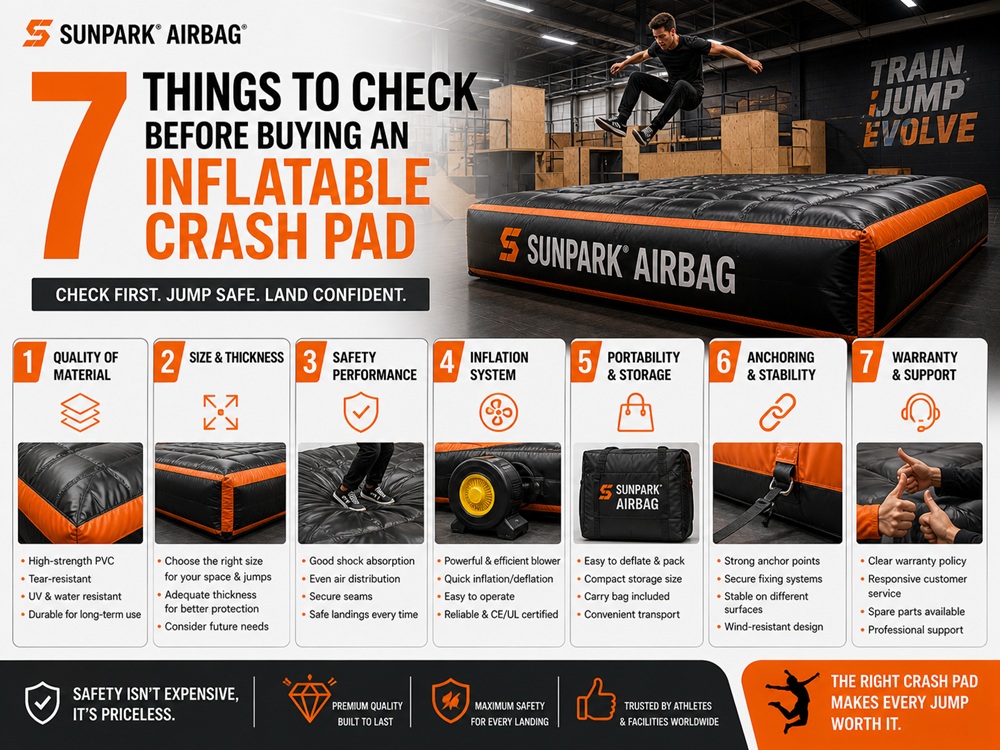
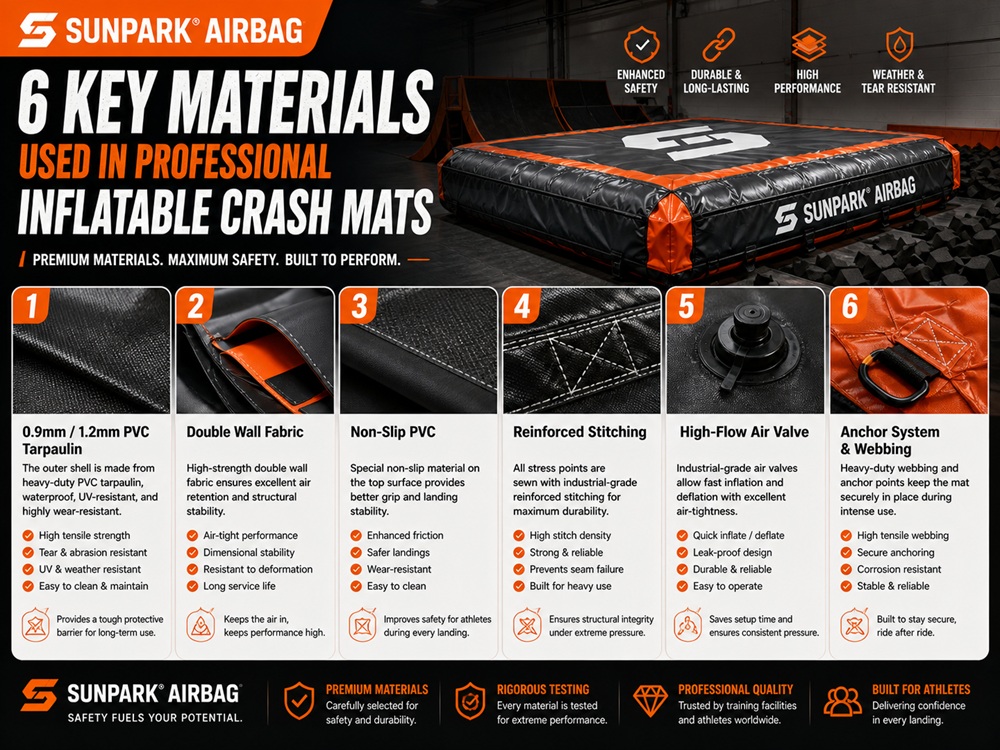
Another profound error is buying uncertified, cheap landing systems to save money. If you are searching for the best airbag landing systems 2026, you must prioritize manufacturers who use heavy-duty 0.55mm to 0.9mm Plato PVC tarpaulin. Buying a thin, residential-grade inflatable for commercial use guarantees a blowout, forcing attraction closure and demanding costly emergency replacements.
Buying Considerations
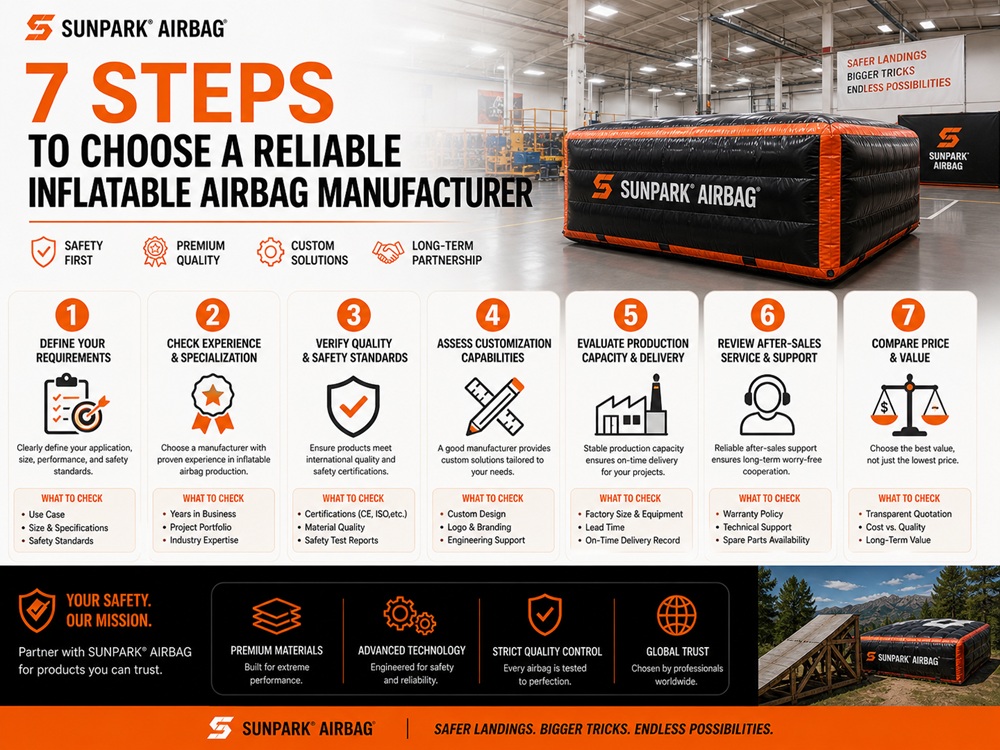
When selecting manufacturers for your Adventure Park Design Concepts, demand technical transparency. Ask for pressure-release valve specifications, internal pillar structural diagrams, and warranty lengths. Ensure that any airbag system features redundant blowers; if one blower fails during a power surge, the secondary blower must maintain enough pressure to safely catch a rider mid-air.
Summary and Comparison Tables
| Design Concept | Target Demographic | Maintenance Level | Throughput Speed |
|---|---|---|---|
| Stunt Drop Airbags | Teens / Adults | Very Low | Extremely High |
| Indoor BMX/Skate Ramps | Action Sports Athletes | Low | High |
| Ninja Warrior Courses | Ages 8+ / Fitness Enthusiasts | Moderate | Moderate |
| Gamified Trampolines | Children / Teens | Moderate (Tech upkeep) | High |
| Dry Slope Ski Jumps | Skiers / Snowboarders | Low | High |
| Feature | Traditional Trampoline Park | Modern Adventure Park |
|---|---|---|
| Landing Zones | Foam Pits (High maintenance, unhygienic) | Airbags (Zero maintenance, sterile) |
| User Engagement | Passive (Just bouncing) | Active (Skill progression, gamification) |
| Primary Demographic | Children ages 5 – 12 | Ages 7 – 35+ (Broader market) |
| Safety & Liability | High risk of foam bottom-outs | Engineered, progressive shock absorption |
| Pros (Benefits) | Cons (Limitations) |
|---|---|
| Increases user throughput by up to 800% over foam pits. | Requires higher upfront capital expenditure. |
| Eliminates daily labor costs associated with cleaning foam. | Requires constant electricity to power the inflation blowers. |
| Dramatically improves park hygiene and eliminates fire hazards. | Demands strict adherence to manufacturer weight limits. |
| Provides a professional aesthetic that justifies premium ticket pricing. | Takes up specific volumetric dimensions that cannot easily be altered. |
Expert Recommendation
We recommend entirely phasing out any legacy equipment in your facility. If you are operating a foam pit in today’s market, you are actively burning operational cash and risking severe liability claims. Upgrading your park’s core attractions to utilize modern, heavy-duty airbag systems is not just a visual upgrade; it is the most critical commercial survival tactic in the indoor recreation industry.
SUNPARK® AIRBAG: Trusted by Pro Athletes Worldwide
Explorer of Airbag System for Sports
With over 10 years of experience, SUNPARK® AIRBAG provides freestyle airbags for ski resorts, theme parks, and sports/gymnastics facilities around the globe. We are the leading manufacturer of Airbags for Extreme Sports and Leisure Industries in China.
As extreme sports have developed, more snowboarders and serious sports enthusiasts are looking for safer training possibilities to progress without the risks of getting injured. We create products trusted by World Champion snowboarders, famous riders, and commercial trampoline parks worldwide. We are deeply committed to the development and continuous improvement of our own products to ensure your facility operates at peak safety and profitability.
Frequently Asked Questions
Are airbags safer than foam pits in an adventure park?
Yes. From our experience, engineered airbags provide consistent, uniform deceleration across their entire surface. Foam pits degrade over time, leading to dangerous “bottoming out” injuries where the user strikes the concrete floor. Furthermore, airbags are highly hygienic, whereas foam pits trap sweat, dust, and pathogens.
What ceiling height is required for a modern adventure park?
For basic trampoline grids, a minimum clear height of 17 feet (5.2 meters) is typically required. However, for modern Adventure Park Design Concepts featuring high stunt drop towers, ninja courses, or ski/bike ramps, you must seek commercial real estate with ceiling clearances between 22 to 30 feet (6.7 to 9 meters).
How do I increase the profitability of my trampoline park?
Profitability is directly tied to throughput and demographic expansion. You must replace slow-moving attractions with high-throughput systems (like sliding off an airbag). Secondly, integrate advanced attractions like BMX ramps or Ninja courses to attract teenagers and adults, who typically spend more on concessions and premium passes than parents of young children.
Authoritative Industry References
Our engineering and operational guidelines align with standards published by the following authoritative industry bodies:
- IAAPA (The Global Association for the Attractions Industry) – Leading authority on global amusement park safety and operational standards.
- ASTM International – Publisher of ASTM F2970, the standard practice for the design, manufacture, and operation of trampoline courts and adventure park devices.
- Forbes Business Council – Providing comprehensive economic analysis on ROI and capital expenditure in the commercial recreation and family entertainment center (FEC) sectors.