For decades, the standard safety protocol for extreme sports training facilities, trampoline parks, and gymnastics centers was the traditional polyurethane foam pit. However, the industry is experiencing a massive paradigm shift. Facility owners and athletes alike have realized that jumping into a pit of decaying, dust-emitting, unhygienic foam blocks is no longer an acceptable standard. As we move deeper into 2026, the data is undeniable: the era of the foam pit is ending.
From our experience engineering and manufacturing safety equipment for global sporting venues, the transition is not merely a trend—it is a commercial necessity. The Reasons Airbags Are Replacing Foam Pits encompass everything from severe hygiene concerns and fire code liabilities to dramatically superior athletic progression. In this comprehensive guide, we will break down exactly why this industry shift is occurring, provide commercial and practical judgment on making the transition, and help you determine whether upgrading to an airbag system is actually worth the investment for your specific facility.
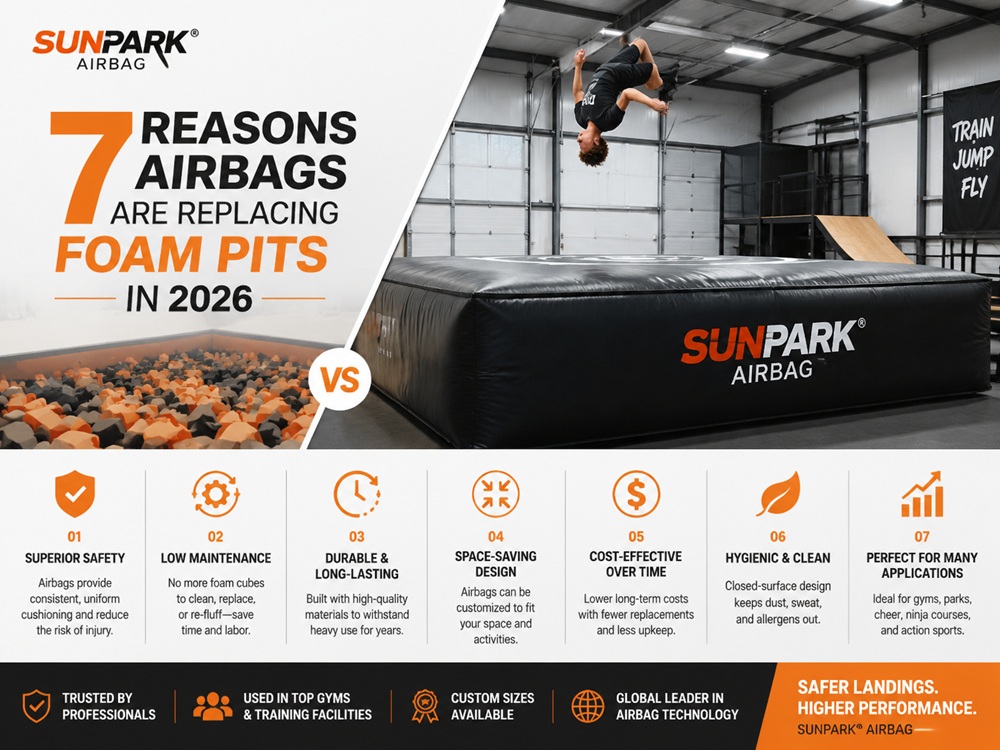
Quick Answer: Why Are Facilities Making the Switch?
If you are evaluating the operational overhead of your facility, here is the bottom line: Airbags are exponentially cleaner, drastically cheaper to maintain over a five-year period, and significantly safer regarding fire compliance compared to traditional foam pits. They eliminate toxic foam dust, prevent the transmission of bacteria, and increase rider throughput by allowing athletes to immediately ride out of their landings.
Verdict: For commercial users, upgrading is not an option; it is a necessity for liability reduction and long-term profitability.
What is a Freestyle Airbag and How Does It Work?
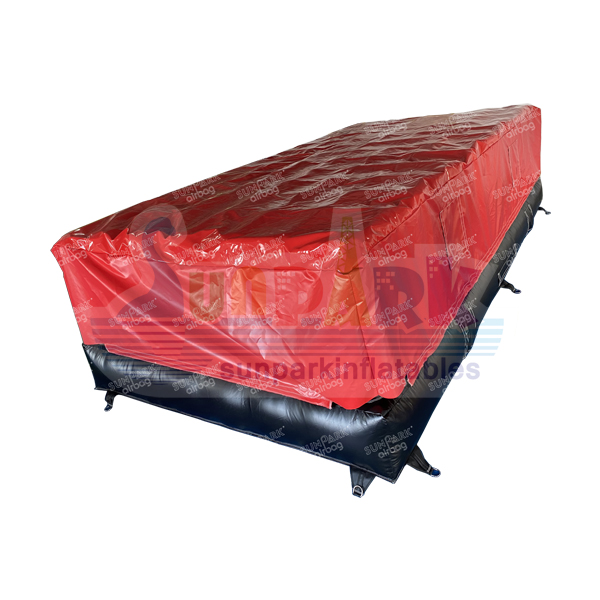
Freestyle Jump Airbag Pit
Before diving into the core Reasons Airbags Are Replacing Foam Pits, we must understand the fundamental engineering behind modern inflatable landing systems. A freestyle airbag is not a simple inflatable bouncy castle. It is a highly engineered, shock-absorbing pneumatic landing pad designed to safely arrest the momentum of falling athletes, ranging from gymnasts to FMX riders.
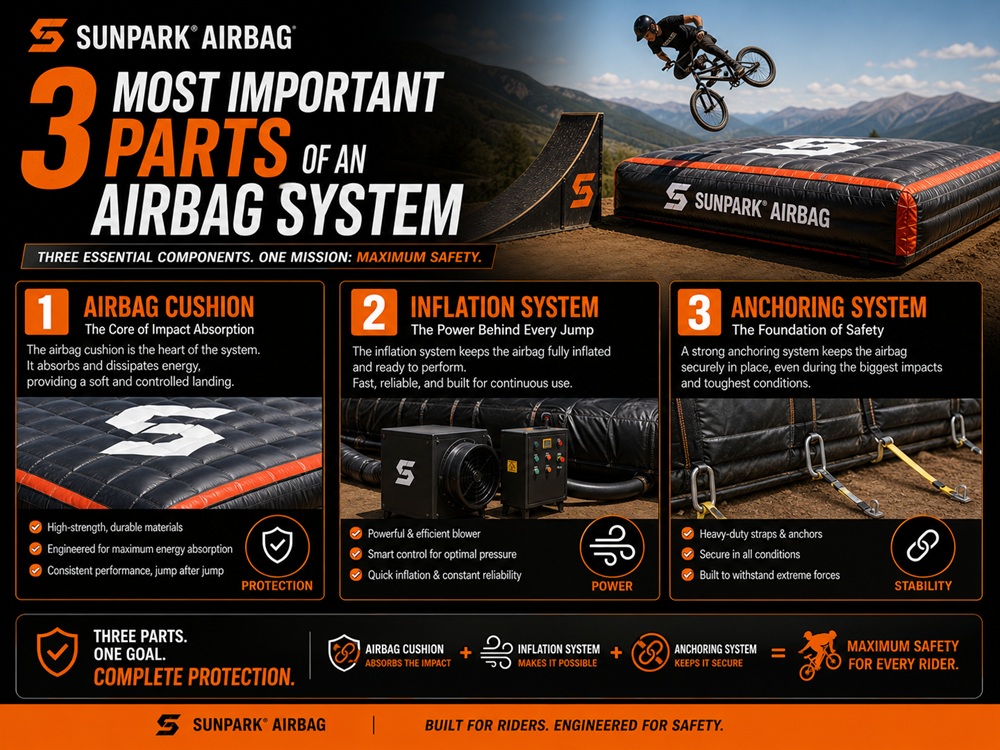
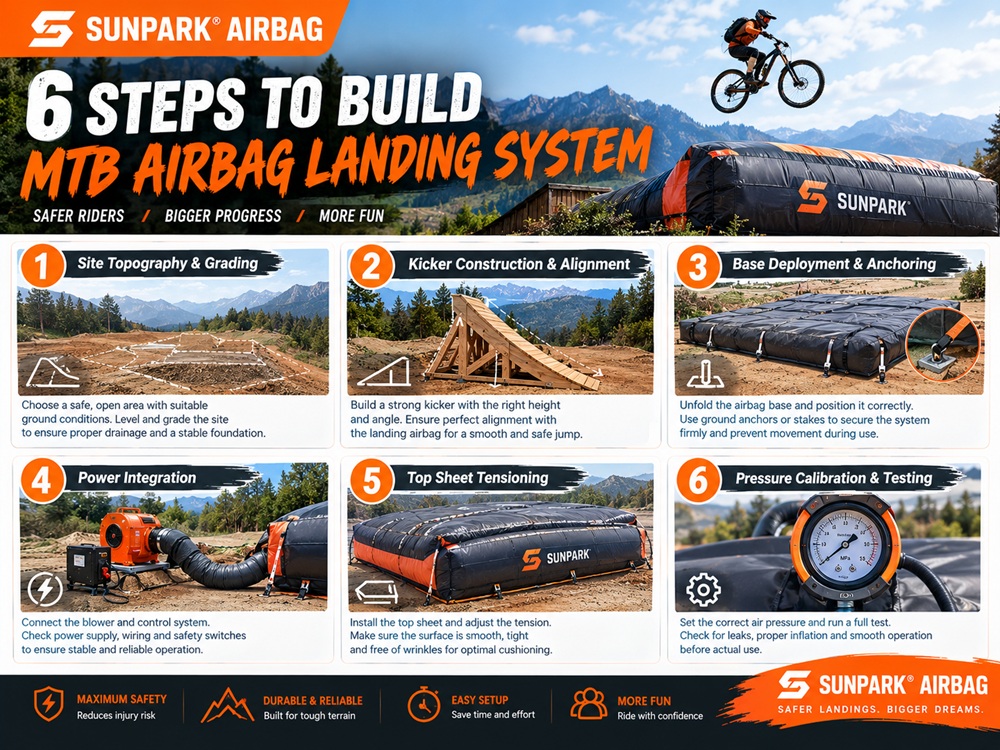
How it works involves advanced multi-chamber technology. Continuous-flow blowers force air into a heavy-duty PVC or TPU base chamber. Above this base sits a series of vertical air pillars or a secondary absorption chamber. When an athlete impacts the top sheet, the air is rapidly displaced and forced out of calibrated pressure release valves. This rapid, controlled displacement of air creates a decelerating cushion that absorbs the kinetic energy of the fall without rebounding the athlete back into the air. If you want a deep dive into the specific mechanics, we recommend reading our comprehensive freestyle airbag guide.
7 Reasons Airbags Are Replacing Foam Pits in 2026
When analyzing commercial facilities, the transition away from foam is driven by a combination of health, safety, and financial factors. Here is the definitive list of Reasons Airbags Are Replacing Foam Pits.
1. Superior Hygiene and Sanitation
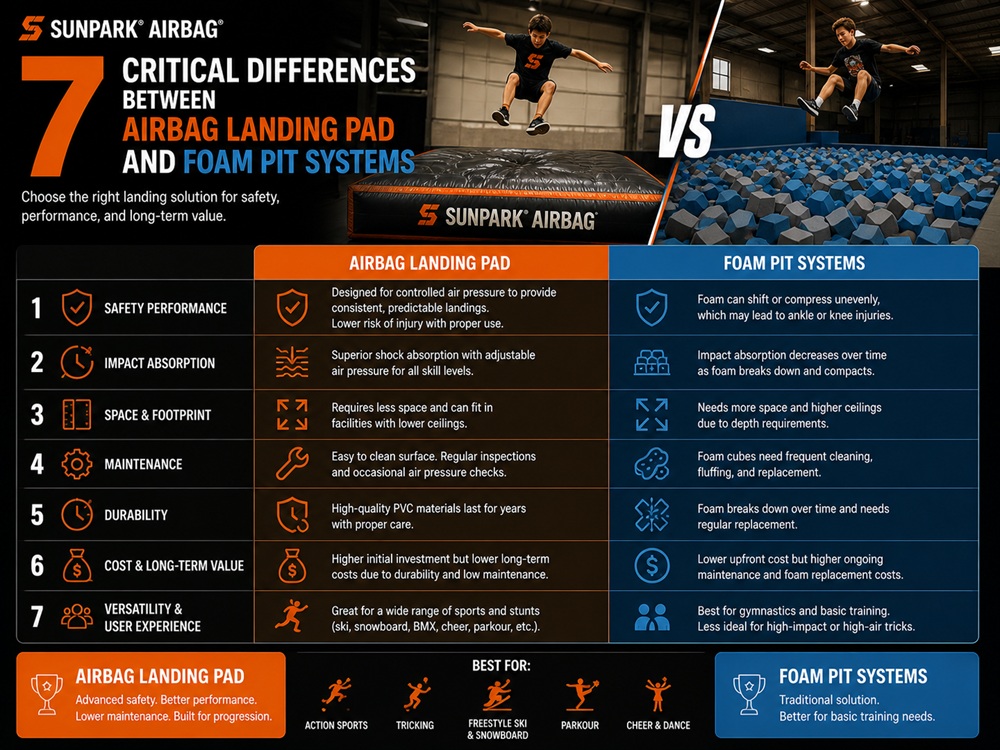
In most professional situations, hygiene is the number one complaint regarding foam pits. Polyurethane foam blocks act as literal sponges. They absorb sweat, dead skin cells, hair, saliva, and dirt from every single user. Because they cannot be effectively washed, they become breeding grounds for bacteria, viruses, and staph infections. In contrast, modern airbags feature an antimicrobial topsheet that is entirely non-porous. A facility operator can sanitize an entire airbag in ten minutes using a mop and a standard antiviral solution. This is a massive selling point for health-conscious consumers in 2026.
2. Fire Safety and Code Compliance
Foam blocks are a severe fire hazard. When polyurethane burns, it releases highly toxic hydrogen cyanide gas and burns at terrifying speeds. Many local fire marshals and insurance agencies are now aggressively penalizing or outright banning large indoor foam pits due to the catastrophic risk they pose. Airbags are manufactured using advanced, fire-retardant PVC and TPU materials that strictly comply with global fire safety standards, drastically lowering your facility’s insurance premiums.
3. Elimination of Toxic Polyurethane Dust
As foam blocks age and are repeatedly crushed, they physically break down, releasing microparticles of polyurethane dust into the air. This toxic dust coats the facility, clogs HVAC systems, and, most alarmingly, is inhaled by the athletes. The respiratory implications of breathing foam dust have caused extreme sports centers to urgently seek a foam pit vs airbag comparison to justify immediate renovations. Airbags produce zero particulate matter, ensuring pristine indoor air quality.
4. Authentic Landing Progression
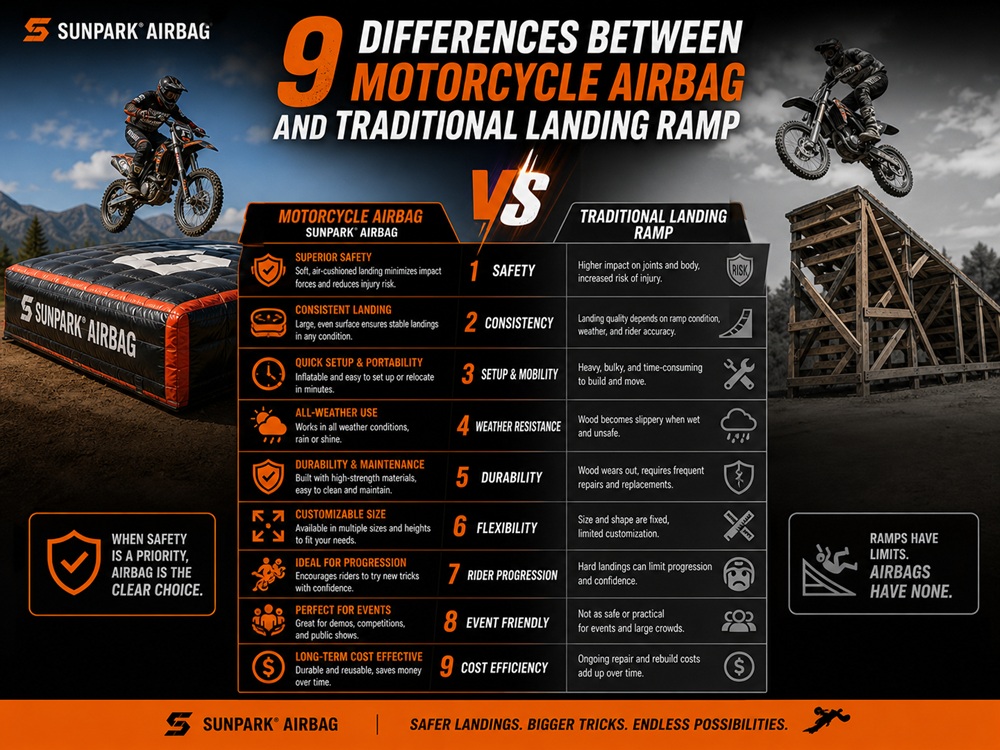
For extreme athletes—especially those practicing BMX, mountain biking, or motocross—a foam pit creates a false sense of security. You land, sink into the blocks, and the trick is over. An airbag allows for actual progression because the athlete can ride out of the landing. The firmness of an airbag can be adjusted via air vents to simulate a dirt or snow landing, providing a realistic transition from practice to actual competition. This is why you see massive demand for specialized equipment like a BMX airbag landing pad.
5. Drastically Reduced Maintenance and Operating Costs
Maintaining a foam pit is a logistical nightmare. Best practices require facility owners to empty the entire pit every few months, vacuum the debris at the bottom, manually “fluff” the blocks, and replace the deteriorated foam. Purchasing replacement foam is incredibly expensive due to high shipping volumes. Airbags require almost zero daily maintenance beyond wiping down the topsheet and ensuring the blowers are clear of debris. The long-term cost savings are undeniable.
6. Increased Throughput and Operational Efficiency
If you run a commercial trampoline park or ski resort, your revenue is tied to throughput. When a user lands in a foam pit, it takes them anywhere from 30 to 60 seconds to physically wade through the blocks and climb out. During this time, the next user cannot jump. When a user lands on an airbag, they walk or ride off the edge in three seconds. By multiplying this efficiency across hundreds of users a day, an airbag drastically reduces queue lines and improves the customer experience.
7. Modularity and Customization
A foam pit is a permanent structural commitment. It requires digging a massive concrete trench into the ground, which limits how a facility can be used or reorganized. Airbags offer total modularity. They can be placed on flat ground, deflated, rolled up, and stored in a corner if you need the floor space for a different event. This flexibility allows facility owners to easily reconfigure their layouts or even take their setups on the road for mobile events, utilizing portable solutions like an airbag landing ramp system.
Quick Summary Table: Core Attributes
| Feature | Inflatable Airbag System | Traditional Foam Pit |
|---|---|---|
| Hygiene | Excellent (Easily sanitized topsheet) | Poor (Absorbs sweat, breeds bacteria) |
| Maintenance | Minimal (Wipe down, check blowers) | High (Constant fluffing, block replacement) |
| Throughput | High (Users exit in seconds) | Low (Takes time to crawl out) |
| Air Quality | Pristine (No dust generated) | Hazardous (Releases polyurethane particles) |
| Fire Safety | High (Fire-retardant PVC) | Critical Risk (Highly flammable foam) |
Benefits and Limitations
Understanding the Reasons Airbags Are Replacing Foam Pits requires acknowledging both sides of the coin. The primary benefit is absolute control over safety and liability. You eliminate the risk of athletes hitting a concrete floor through compressed foam, and you create a sanitary environment that parents and athletes trust.
However, we must use practical commercial judgment to address the limitations. Airbags have a significantly higher upfront capital cost than buying bulk foam blocks. Furthermore, airbags require a constant supply of electricity to run the blowers. If you suffer a sudden power outage without a backup generator, the airbag will slowly deflate, halting operations. Finally, airbags emit a low humming noise from the blowers, which may require acoustic management in smaller indoor facilities.
Pros and Cons Breakdown
| Pros of Upgrading to an Airbag | Cons of Airbag Systems |
|---|---|
| Eliminates toxic dust and drastically improves indoor air quality. | High initial capital investment compared to buying cheap foam. |
| Reduces insurance premiums by removing a massive fire hazard. | Requires continuous electricity for the heavy-duty blowers. |
| Allows athletes to “ride out” tricks, vastly improving skill progression. | Blowers generate continuous background ambient noise. |
| Offers rapid exit times, increasing facility throughput by up to 300%. | Susceptible to punctures from sharp objects if not properly monitored. |
Who Should Use It (And Who Does Not Need It)
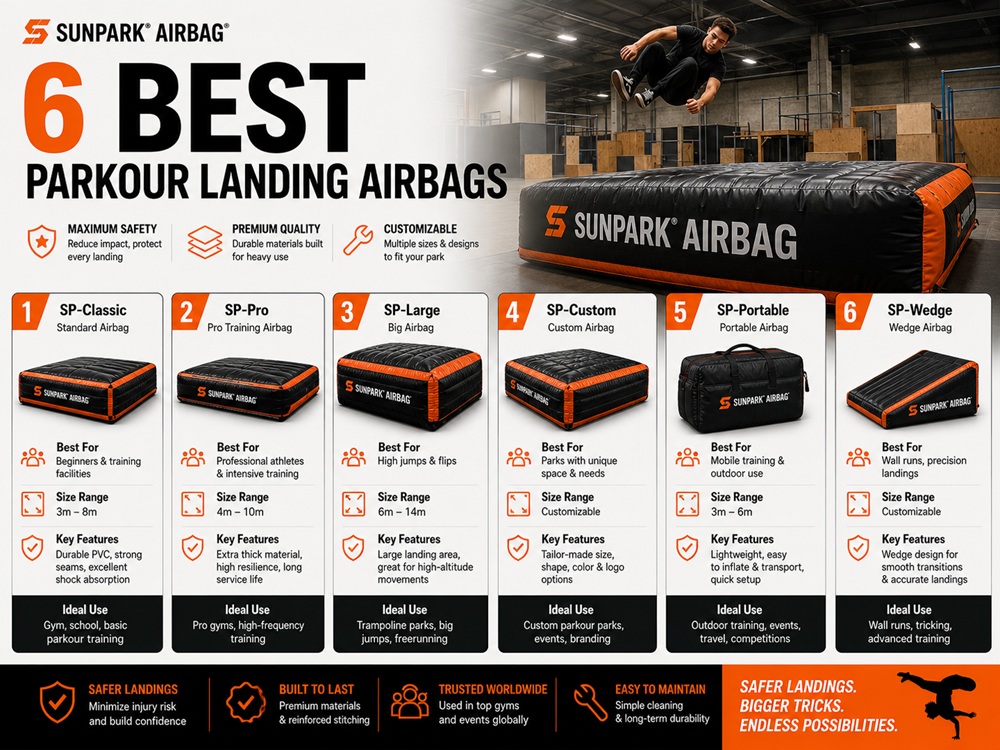
Who Should Use It: For commercial users, trampoline parks, gymnastic academies, ski resorts, and extreme sports complexes, making the transition is mandatory. If your facility caters to high-impact sports where safety and throughput equal revenue, reviewing the best airbag landing systems 2026 is the first step toward modernizing your business. Additionally, any professional setup requiring heavy-duty shock absorption, such as an FMX landing airbag for sale, strictly requires pneumatic technology.
Who Does Not Need It: For beginners building a small, low-budget, temporary backyard setup for their kids, an industrial-grade airbag might be overkill. A small foam pit may still serve extremely low-impact, residential purposes, provided it is kept covered and out of the rain to prevent severe mold growth.
Common Mistakes Facility Owners Make
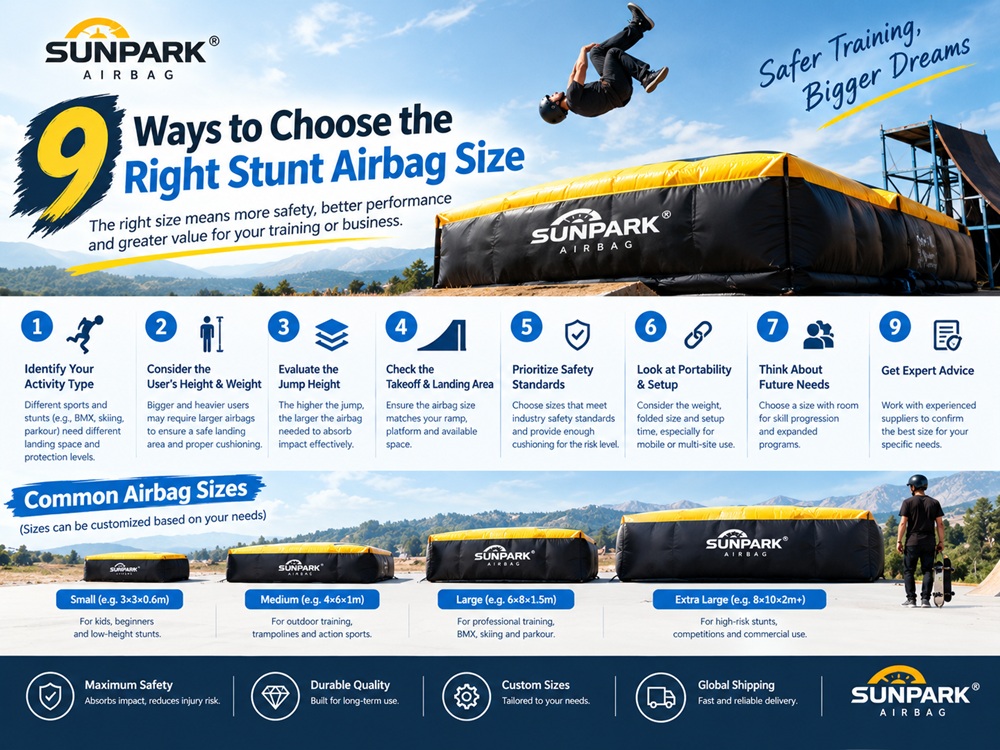
When commercial venues decide to ditch the foam, they often make critical purchasing errors. The most common mistake is undersizing the airbag. If an athlete lands off-center on a bag that is too small, they risk sliding off the edge. You must account for the trajectory of the specific sport, whether you are consulting a mountain bike airbag landing guide or sizing a gymnastics dismount.
Another major mistake is failing to implement blower redundancies. If a primary blower fails, the bag must have sufficient secondary airflow to remain safely inflated while operations are halted. Lastly, some buyers look to save money by purchasing secondhand equipment without understanding the structural fatigue of PVC. If you are exploring this route, you must strictly follow buy used airbag landing tips to avoid purchasing a compromised system.
Buying Considerations and Guide
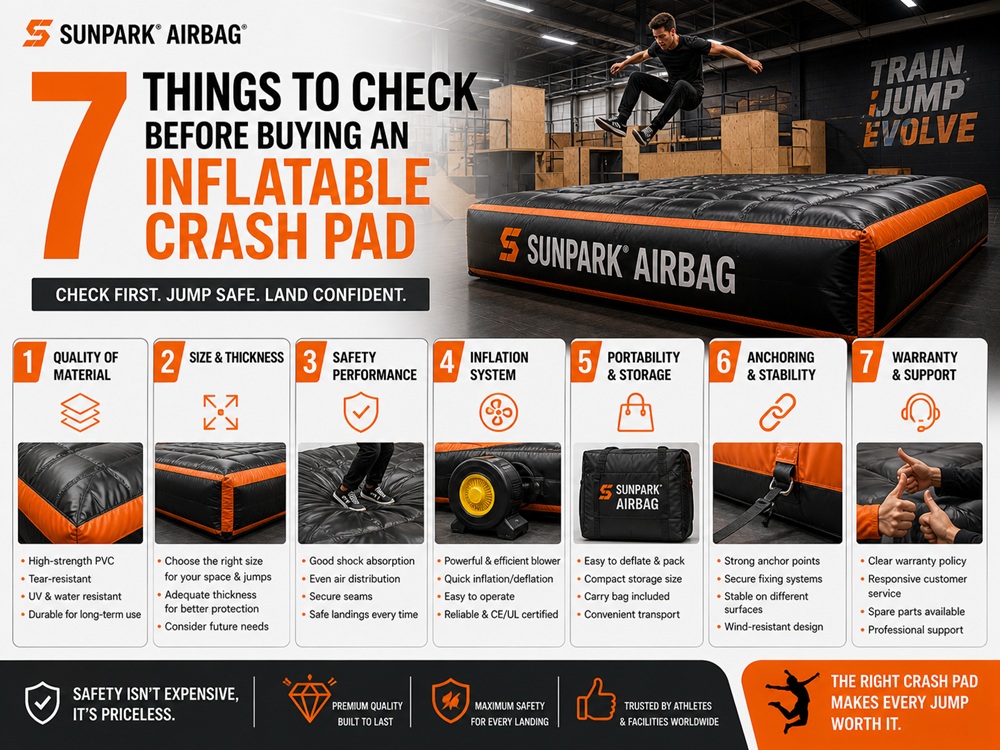
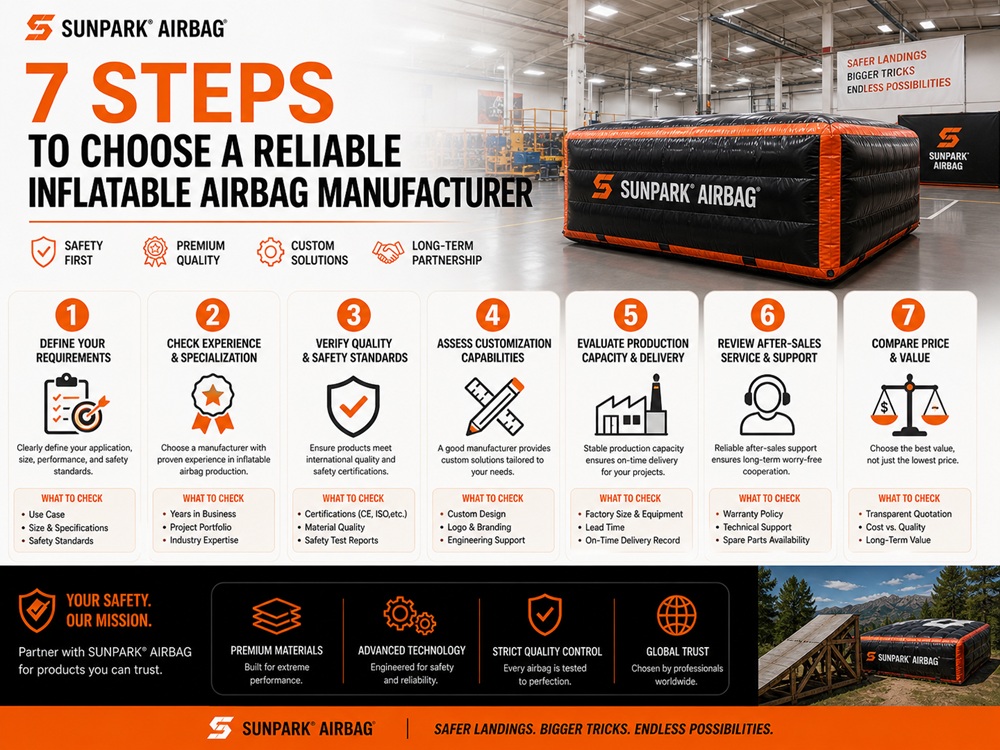
If you are convinced by the Reasons Airbags Are Replacing Foam Pits, you must apply commercial rigor to your purchasing decision. Not all airbags are created equal. You must evaluate the manufacturer’s engineering standards, material sourcing, and warranty support.
| Buying Consideration | What to Look For | Why It Matters |
|---|---|---|
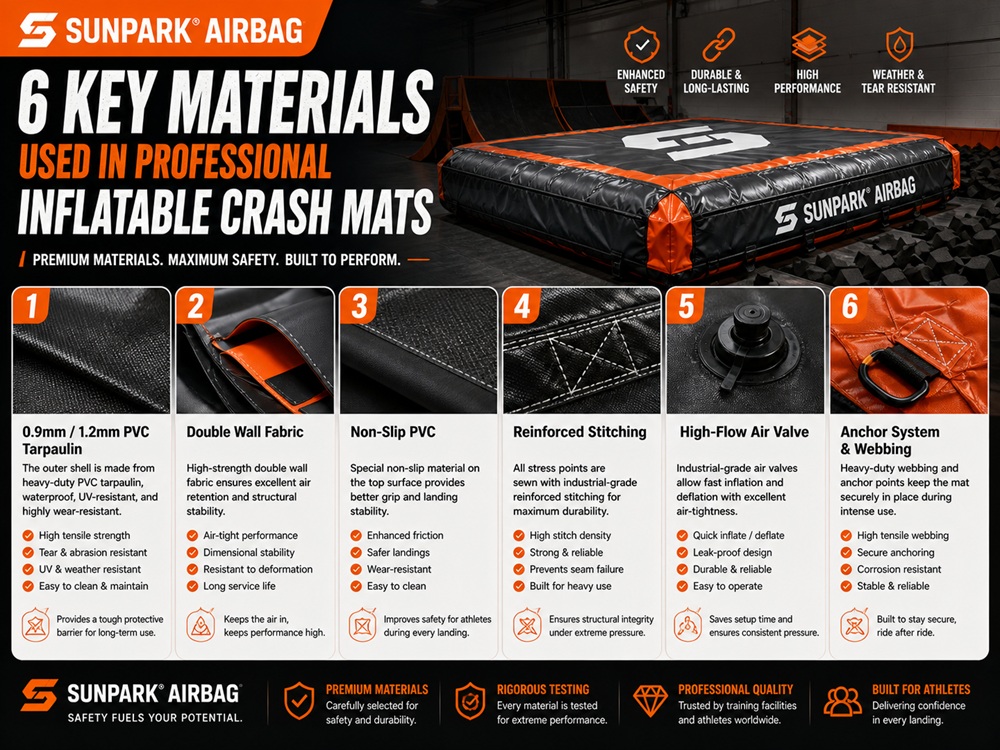
| Material Thickness | 0.55mm to 0.9mm heavy-duty PVC/TPU. | For heavy-duty applications, thin materials will tear under the sheer stress of bike tires or repeated heavy impacts. |
| Internal Pillar System | Dual-chamber technology with internal shock absorbers. | Prevents the “trampoline effect” where the athlete is dangerously bounced back into the air upon impact. |
| Replaceable Topsheet | A modular top layer that zips or velcros off. | The topsheet takes 90% of the wear. Replacing just the topsheet saves you from buying an entirely new airbag. |
| Air Vent Adjustability | Manual or digital pressure release valves. | Allows the facility to adjust the firmness depending on the sport (e.g., firm for bikes, soft for free-falls). |
Expert Recommendation
The writing is on the wall: the commercial sports industry has zero tolerance left for the liabilities associated with foam pits. As standards for health, safety, and athletic progression rise, the pneumatic airbag represents the only viable future.
Explorer of Airbag System for Sports
With over 10 years of experience, we provide freestyle airbags for ski resorts, theme park, sports and gymnastics facility around the globe. SUNPARK® AIRBAG is the leading manufacturer of Airbags for Extreme Sports and Leisure Industries in China.
We emphatically recommend that any facility still operating a foam pit immediately conduct a cost-benefit analysis regarding removal and replacement. By partnering with top-tier trampoline park equipment manufacturers and investing in a bespoke airbag solution, you will drastically cut your maintenance overhead, eliminate dust and bacteria, and provide an elite experience that modern athletes demand.
Comparison Table: Total Cost of Ownership (5-Year Projection)
| Cost Category | Premium Airbag System | Traditional Foam Pit |
|---|---|---|
| Initial Installation | High (Equipment + Blowers) | Medium (Pit excavation + Bulk Foam) |
| Daily Maintenance Labor | Low (10 mins sanitization) | High (Daily fluffing, dust vacuuming) |
| Material Replacement | Low (Topsheet every 2-3 years) | Very High (Complete foam replacement every 1-2 years due to rotting) |
| Energy/Utility Costs | Medium (Continuous blower operation) | Low (No electricity required) |
| 5-Year Total Cost | Most Cost-Effective | Highly Expensive |
Frequently Asked Questions
Are airbags safe for bicycles and dirt bikes?
Yes. Modern airbag systems are engineered specifically for action sports. They utilize highly durable topsheets that resist tearing from pedals, pegs, and tires. This is why bike airbag landing systems are now the gold standard for Olympic-level training.
Do airbags bounce you back up into the air?
No. Unlike a sealed inflatable castle, freestyle airbags feature advanced pressure release valves. Upon impact, the air is expelled out the sides, absorbing the kinetic energy and allowing the athlete to sink safely without rebounding. This design significantly reduces common BMX injuries and prevention efforts rely heavily on this non-rebound technology.
Can an airbag be installed in an existing foam pit?
Absolutely. Many facility owners opt for a custom-sized airbag designed to drop directly into their existing concrete pit. This eliminates the need for expensive structural renovations while instantly providing all the hygiene and safety benefits of a pneumatic landing system.
Authoritative References & Industry Standards
To ensure our recommendations align with the highest echelons of safety and compliance, we refer to the following authoritative organizations:
- ASTM International – Standard Practice for Design, Manufacture, Operation, and Maintenance of Inflatable Amusement Devices
- National Fire Protection Association (NFPA) – Fire Codes regarding Polyurethane Foam Storage and Usage in Commercial Facilities
- Centers for Disease Control and Prevention (CDC) – Hygiene and Sanitation Standards for Public Sporting Facilities