Operating a modern gymnastics center, trampoline park, or action sports training facility comes with intense operational scrutiny. The days of simply digging a concrete trench and throwing in thousands of loose polyurethane blocks are over. Today, owners are facing a crisis of liability, sanitation, and overhead costs directly tied to their landing zones. Addressing rampant foam pit problems is no longer just a matter of facility aesthetics; it is a critical requirement for commercial survival.
Quick Answer
If you operate a trampoline park or extreme sports facility, the most critical foam pit problems revolve around severe hygiene failures, toxic polyurethane dust inhalation, massive fire hazards, and crippling long-term maintenance costs. We recommend completely replacing outdated foam blocks with a commercial-grade inflatable jump airbag. For commercial users, an airbag eliminates toxic dust, reduces cleaning time to mere minutes, and provides a safer, consistent landing surface that typically pays for its own initial capital expenditure in less than 24 months through increased throughput and eliminated block replacement costs.
What is a Foam Pit vs. an Airbag?
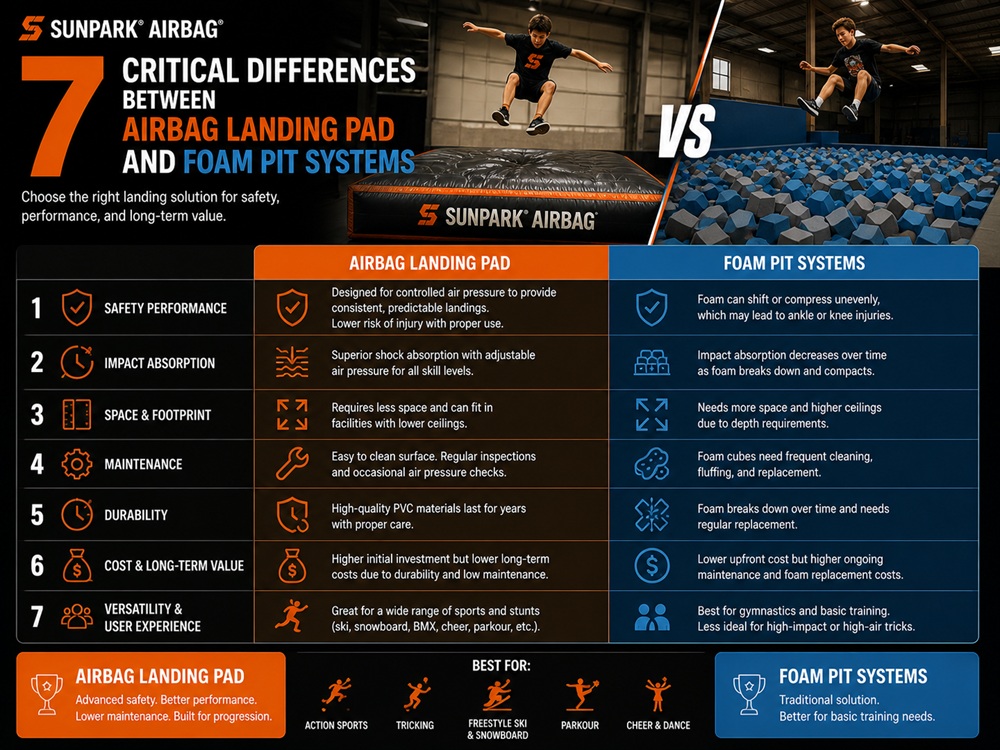
A traditional foam pit is a large structural depression filled with thousands of loose, open-cell polyurethane foam cubes. Historically, this was the industry standard for cushioning high-impact falls in gymnastics and freestyle sports. Conversely, the modern solution is an engineered inflatable landing system. When facility owners research the best airbag landing systems 2026, they are looking for a highly tuned, air-pressurized membrane that acts as a direct replacement, fitting perfectly into the existing pit infrastructure but relying on dynamic air chambers rather than degrading chemical foam blocks.
How Modern Impact Attenuation Works
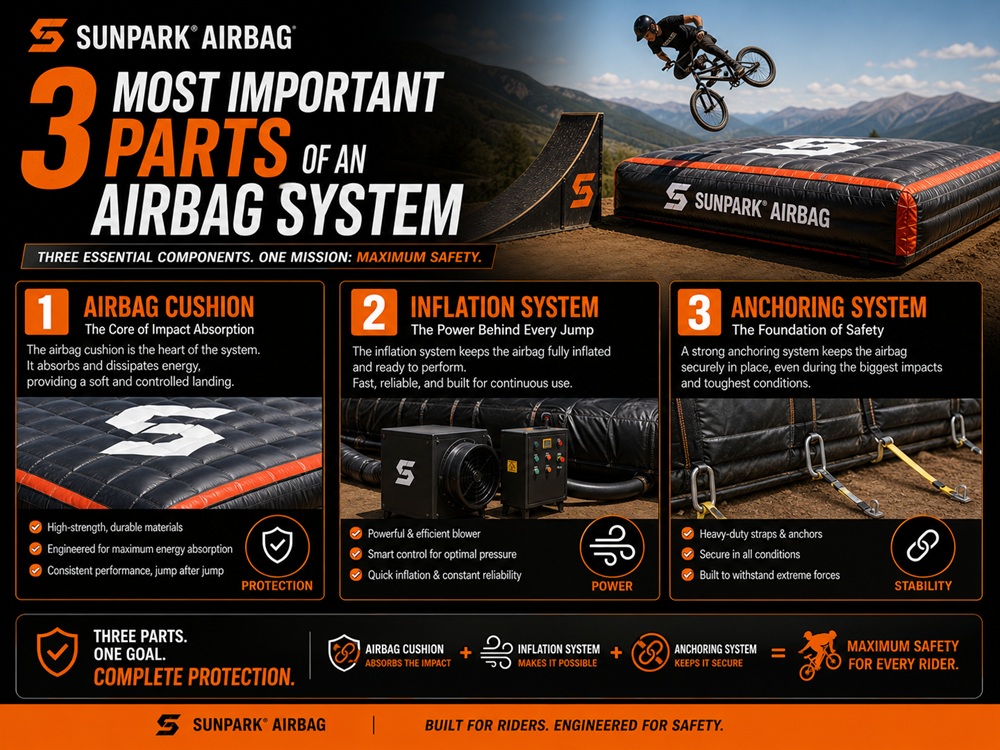
In a foam pit, deceleration happens through the physical displacement and crushing of loose cubes. The fundamental flaw here is variability; foam cubes shift unpredictably, leading to inconsistent impact attenuation. An airbag system operates on entirely different physics. It utilizes a heavy-duty PVC shell filled with continuous ambient air pressure provided by industrial blowers. When an athlete impacts the antimicrobial top sheet, internal air pillars and intelligently designed pressure release valves exhaust the air at a controlled rate. This provides a buttery-smooth, uniform deceleration every single time. Whether you are utilizing a stunt airbag landing for film production or a public park setup, the physics of controlled air release are infinitely more reliable and safer than crushing foam.
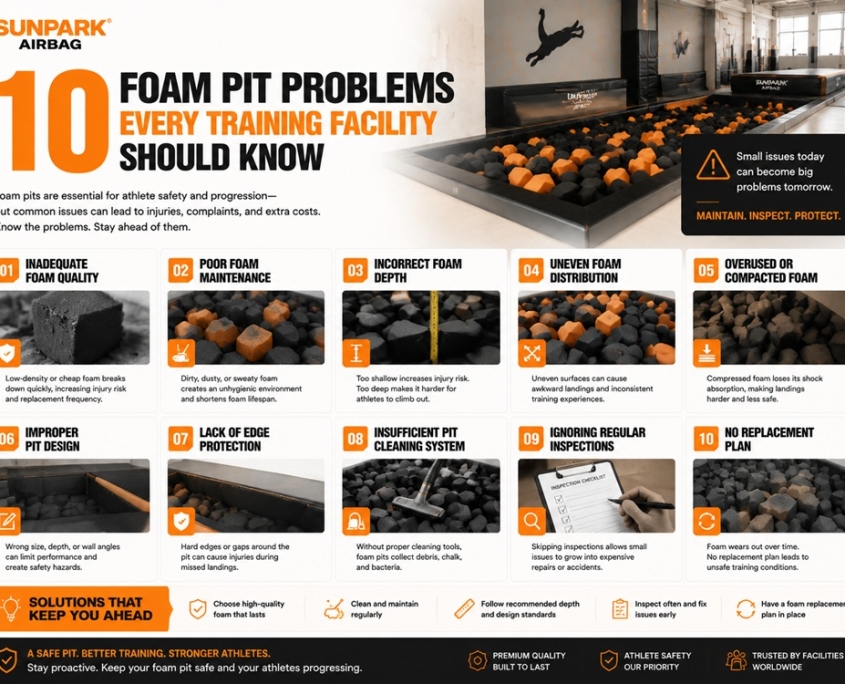
The 10 Critical Foam Pit Problems
From our experience consulting with hundreds of action sports venues, failing to address these specific ten issues will inevitably result in lost revenue, regulatory fines, or catastrophic liability claims.
1. Toxic Polyurethane Dust Inhalation
As foam blocks age and are repeatedly crushed by athletes, they physically break down, releasing microparticles of polyurethane dust into the air. This toxic dust coats your facility, destroys expensive HVAC filters, and, most dangerously, is inhaled directly by athletes, posing severe long-term respiratory risks.
2. Unmanageable Hygiene and Bacterial Incubation
Foam blocks act as literal sponges. They absorb sweat, dead skin cells, hair, saliva, and dirt from every user. Because it is logistically impossible to effectively wash and dry thousands of porous blocks, the bottom of a foam pit becomes an unhygienic breeding ground for staph infections, MRSA, and viruses.
3. Extreme Fire Hazards and Code Non-Compliance
Polyurethane foam is highly combustible and burns at terrifying speeds, releasing highly toxic hydrogen cyanide gas in the process. Fire marshals and local building departments are aggressively penalizing facilities with large indoor foam pits, often refusing to grant occupancy permits without strict adherence to ASTM E84 fire standards.
4. Skyrocketing Commercial Insurance Premiums
Trampoline park insurance is currently one of the most expensive commercial placements in the country, often costing operators between $20,000 and $100,000+ annually. Underwriters view foam pits as massive liabilities because the variable landing surface increases the likelihood of spinal injuries, directly driving up your premiums.
5. Crippling Facility Throughput Bottlenecks
If you care about maximizing your trampoline park owner income, throughput is everything. When a user lands in a foam pit, it takes them anywhere from 30 to 60 seconds to physically wade through the blocks and climb out. During this struggle, the attraction is stalled, lines grow longer, and customer satisfaction plummets.
6. Deceptive Long-Term Operating Costs
Buying bulk foam blocks might appear cheap initially, but the hidden operating expenses are devastating. Replacing degraded, flattened foam blocks costs facilities thousands of dollars every 1 to 2 years. Add in the intense staff labor required to empty, vacuum, and “fluff” the pit daily, and the financial drain is immense.
7. False Sense of Security for Extreme Sports
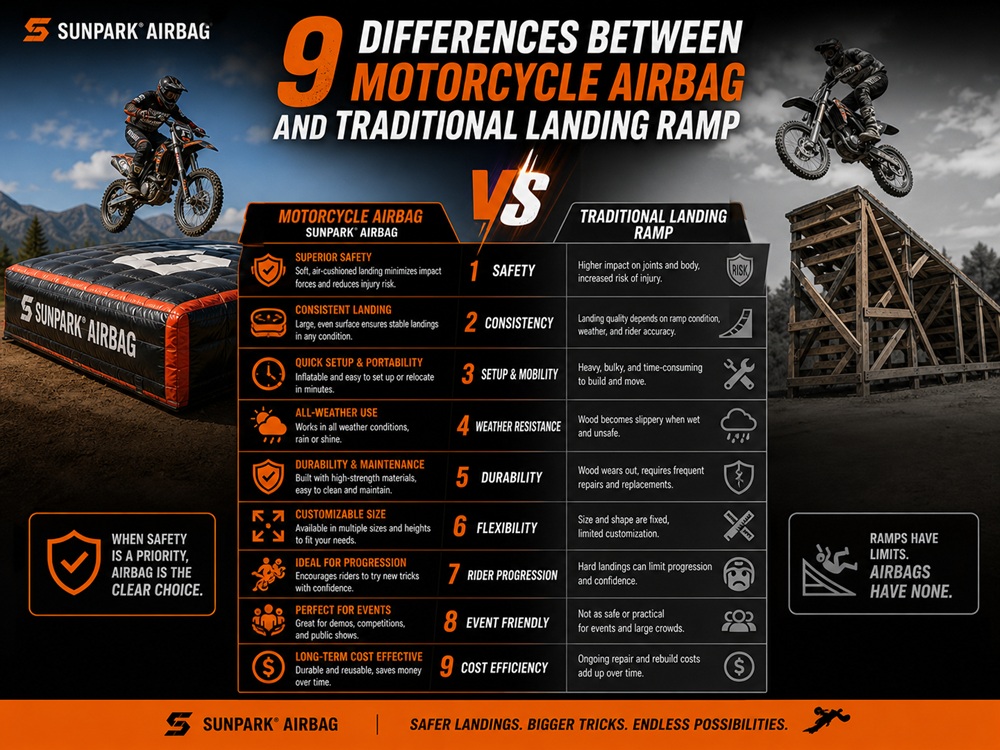
For freestyle action sports, a foam pit creates a “dead” landing. You sink in, and the trick is over. This halts authentic progression. Athletes using a bike airbag landing or an FMX airbag landing can actually ride out of their landings, simulating a dirt or snow ramp perfectly and allowing for true skill advancement.
8. Inconsistent Impact Attenuation (Bottoming Out)
Foam blocks compress unevenly. If the pit is not fluffed constantly, heavy adults can push straight through the foam and strike the hard concrete floor below, causing catastrophic injuries and devastating lawsuits. The ASTM F2970 standard mandates a minimum depth of 60 inches for trampoline park foam pits, but if the foam is degraded, even 60 inches will not prevent bottoming out.
9. Total Inability to Sanitize During Health Outbreaks
During cold and flu season, facility cleanliness is heavily scrutinized by parents. You cannot spray liquid disinfectant heavily onto foam cubes because they will not dry properly, inevitably leading to toxic mold growth in the center of the pit.
10. The Environmental Disposal Nightmare
When it is time to replace your foam pit, you are faced with a massive logistical headache: disposing of hundreds of cubic yards of toxic, non-recyclable polyurethane waste into local landfills, which often incurs heavy commercial disposal fees.
Benefits of Upgrading to an Airbag System
The benefits of ripping out your foam pit are immediate and transformative. You completely eliminate toxic polyurethane dust, drastically reduce your liability profile for insurers, and slash your daily maintenance time from hours down to just 10 minutes of mopping a non-porous antimicrobial topsheet. For facilities seeking to elevate their training programs, installing gymnastics airbag equipment provides athletes with a tunable, safe, and consistent landing zone that drastically accelerates their skill development without the fear of erratic foam compression.
Limitations and Commercial Realities
We must use commercial and practical judgment here; airbags are not magic, and they have strict operational requirements. The primary limitation of an airbag system is the initial capital expenditure (CAPEX). A premium big jump airbag system requires a notably higher upfront investment than buying a pallet of cheap foam cubes. Additionally, airbags require a constant supply of electricity to run the industrial blowers, which introduces a continuous operational utility cost and a low level of ambient background noise to your facility.
Who Should Use It & Who Does Not Need It
For commercial users: Trampoline parks, elite gymnastics centers, ski resorts, and extreme sports training camps must view switching to an airbag as absolutely mandatory. If your business model relies on high user throughput and you want your facility listed on a prominent airbag jump locations guide, you must make the upgrade to satisfy modern athletes and insurers.
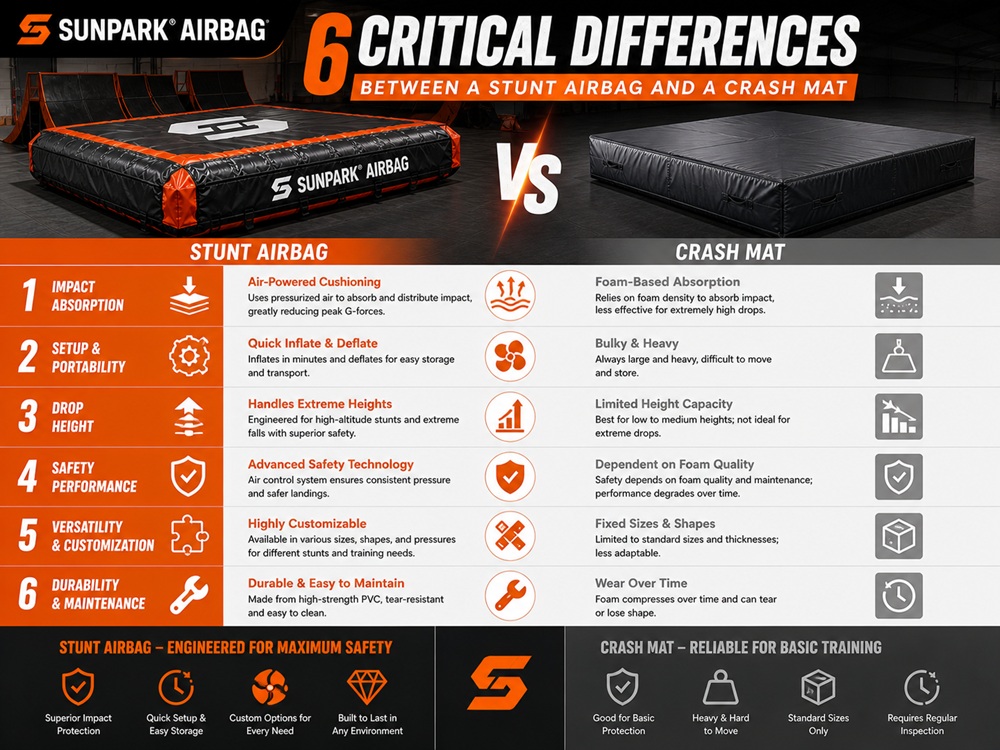
Who does not need it: For beginners building a small backyard setup, or for residential users placing a temporary cushion under a toddler’s indoor climbing wall, a commercial airbag is overkill. In those non-commercial, low-traffic environments where hygiene and throughput are not tied to revenue, a basic inflatable crash mat or a small quantity of foam blocks remains sufficient.
Common Mistakes in Facility Upgrades
The most common mistake facility owners make is waiting for an insurance auditor or fire marshal to mandate the removal of their foam pit before acting. By that time, your premiums have already spiked, and your facility may face temporary closure. Another catastrophic mistake is trying to save money by buying cheap, uncertified foam blocks that do not meet strict ASTM E84 surface burning standards, exposing the entire facility to devastating legal and physical risks.
Buying Considerations and ROI
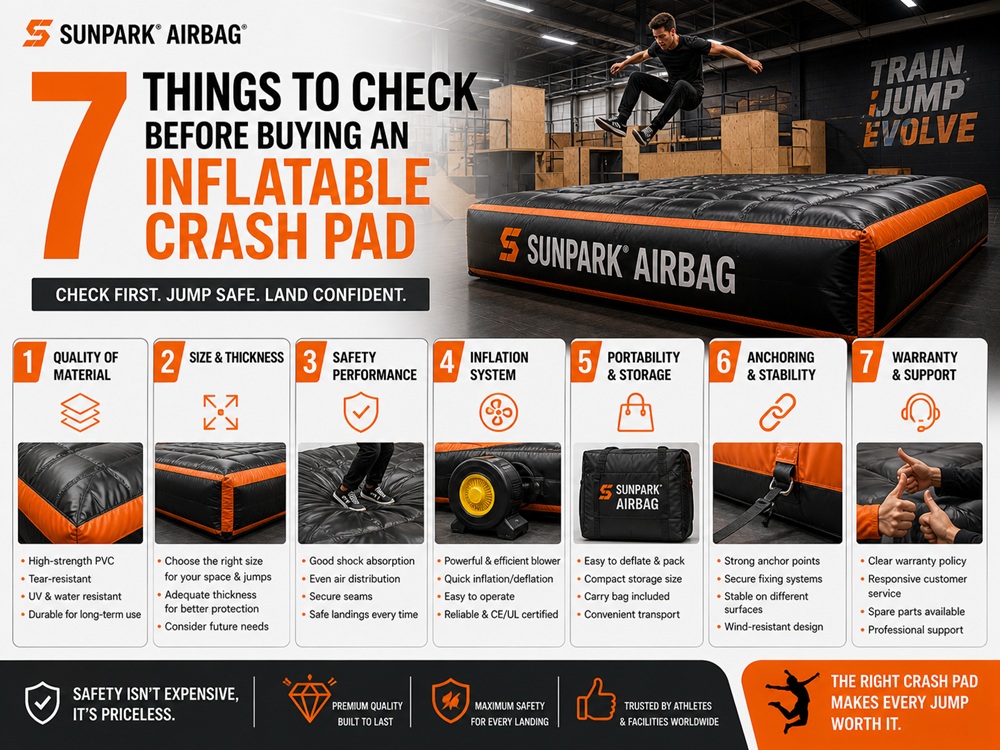
When calculating the Return on Investment (ROI) of replacing a foam pit, do not just look at the invoice price of the airbag. You must calculate the comprehensive Total Cost of Ownership. Factor in the cost of replacing foam cubes every 2 years, the immense labor cost of staff manually fluffing the pit daily, and the revenue lost to slow attraction throughput. In most professional situations, a commercial airbag pays for itself entirely within 18 to 24 months, shifting from a capital expense to a pure profit driver.
Expert Recommendation from SUNPARK® AIRBAG
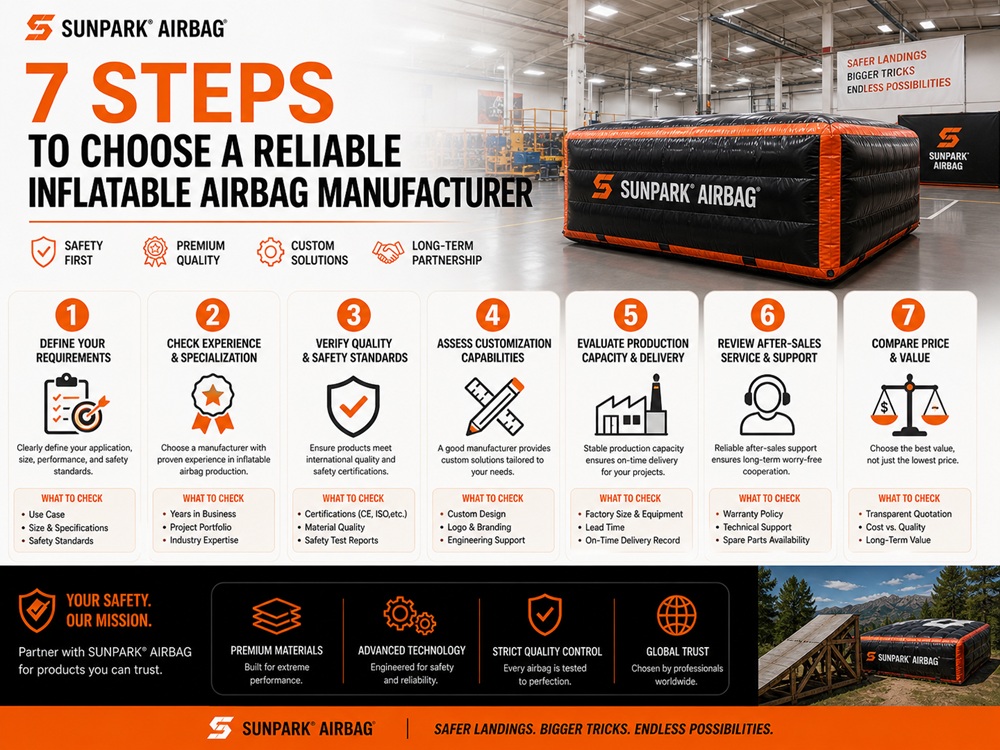
From our extensive experience outfitting global facilities at SUNPARK® AIRBAG, we unequivocally recommend completely phasing out loose foam pits in any commercial environment. The hygiene risks, the ASTM F2970 compliance headaches, and the insurance liabilities are simply too massive to ignore. For gymnastics facilities and trampoline parks looking for a permanent, drop-in replacement that instantly modernizes their operations, we highly recommend the engineered solution below.
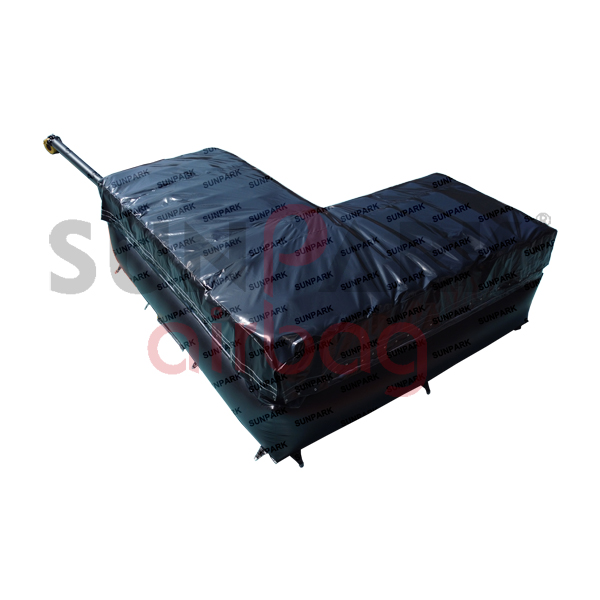
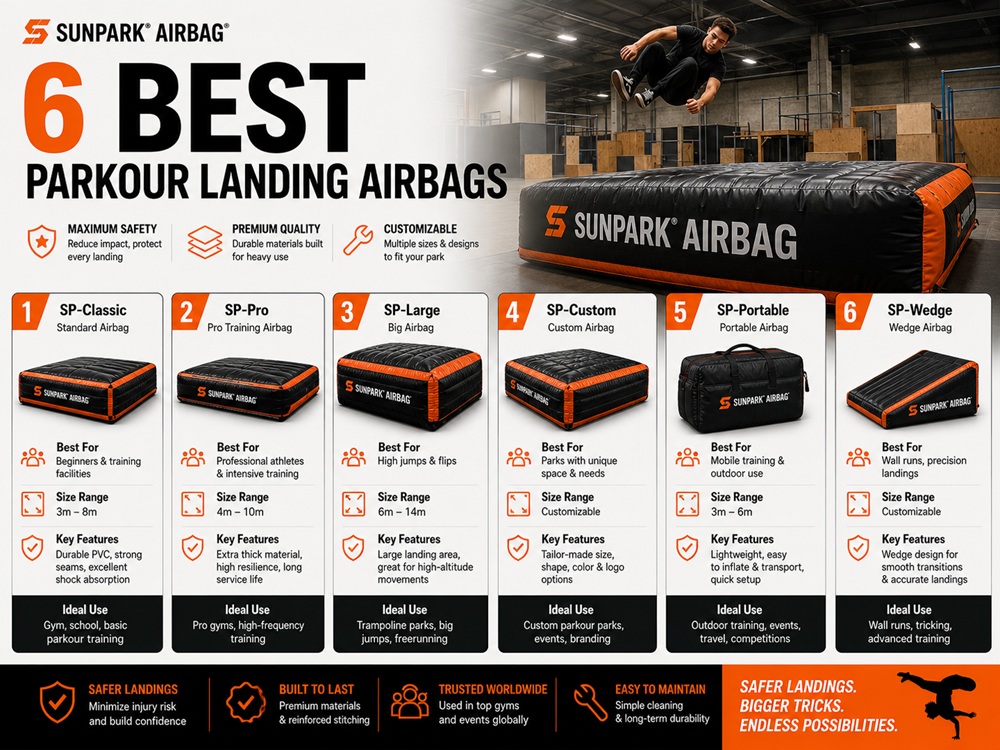
SUNPARK® AIRBAG Inflatable Gymnastics Air Pit
- Material: 0.55mm PVC Tarpaulin for airbag, 0.9mm PVC Tarpaulin for top sheet, water-proof, flame-retardant, UV-protected, lead and phthalate free
- Size & Color: Fully customized to match your existing pit footprint and facility branding.
- Printing: Digital, Silk-screen or UV Printing available for branding.
- HS Code: 9506990000
- Price: Affordable and negotiated based on custom facility dimensions.
- Production time: ~15 working days, depending on scale and volume.
- Workmanship: Crafted by technicians with over 5 years of specialized airbag manufacturing experience to guarantee flawless seams.
- Accessories included: CE/UL Blower, repair kit, heavy-duty carrying bag.
Pros vs Cons Table: Replacing Foam with Airbags
| Pros of Switching to Airbags | Cons of Switching to Airbags |
|---|---|
| Total elimination of toxic polyurethane dust. | Higher initial capital investment (CAPEX). |
| Dramatically faster throughput; users exit in seconds. | Requires continuous electricity for blower operation. |
| Highly favored by insurance companies, lowering premiums. | Blowers create a low level of constant ambient noise. |
| Can be sanitized completely in under 10 minutes. | Vulnerable to punctures if users wear sharp objects (e.g., belt buckles). |
Foam Pit vs Airbag Comparison Table
| Feature | Traditional Foam Pit | Inflatable Airbag System |
|---|---|---|
| Landing Consistency | Variable. Prone to dangerous “bottoming out” if not fluffed. | Uniform and consistent. Pressure distributes evenly upon impact. |
| Hygiene & Sanitation | Poor. Sponges for sweat and bacteria. Impossible to clean. | Excellent. Non-porous PVC topsheet wipes clean effortlessly. |
| Maintenance Labor | High. Requires daily fluffing and vacuuming of toxic dust. | Low. Requires brief daily pressure checks and topsheet mopping. |
| Lifespan & Replacement | 1 to 3 years before blocks severely degrade and require replacement. | 5 to 8+ years with proper topsheet care and routine maintenance. |
Frequently Asked Questions
Are foam pits a fire hazard?
Yes. Traditional polyurethane foam blocks are highly flammable. Unless they are heavily treated to meet strict ASTM E84 surface burning characteristics, they pose a catastrophic fire risk and emit toxic hydrogen cyanide gas when burned. Many fire marshals are actively forcing facilities to replace them.
Why do insurance companies charge more for foam pits?
Insurance providers rate trampoline parks and extreme sports facilities based on injury frequency and severity. Foam pits rely on variable materials that degrade over time, leading to unpredictable landing surfaces and catastrophic “bottoming out” injuries, making them a much higher liability than the consistent, verifiable performance of an airbag.
How deep does a foam pit need to be by law?
According to the ASTM F2970 standard for trampoline courts, the minimum depth required for a trampoline park foam pit is 60 inches (152.4 cm) from the floor of the pit to the top of the frame. However, even with this depth, degraded foam can fail to arrest an adult’s fall adequately.
Can you clean a foam pit?
Meaningfully sanitizing a traditional foam pit is practically impossible. You cannot wash or spray liquid disinfectants on open-cell foam cubes because they will retain moisture, leading to severe mold growth inside the pit. Airbags, featuring smooth PVC topsheets, are the only truly sanitary option.
Authoritative References & Industry Standards
To ensure your facility meets all commercial safety, health, and fire compliance guidelines, we base our recommendations on the frameworks established by the following authorities:
- ASTM International – Governing the F2970 standard for the design, manufacture, installation, and inspection of commercial trampoline courts and foam pit regulations.
- U.S. Environmental Protection Agency (EPA) – Documentation detailing the respiratory hazards, sensitization risks, and toxicity associated with polyurethane foam exposure and off-gassing.
- U.S. Mine Safety and Health Administration (MSHA) – Hazard alerts regarding the severe respiratory implications and flammability of polyurethane foam products in industrial environments.