The terrain park is an unforgiving environment. Every season, we witness novice riders attempt aggressive aerial maneuvers without mastering the fundamental biomechanics of their snowboards. The result is almost always the same: severe wrist fractures, concussions, and a premature end to the season. The reality of freestyle snowboarding is that you cannot bypass the learning curve. You must approach it with methodical, calculated steps.
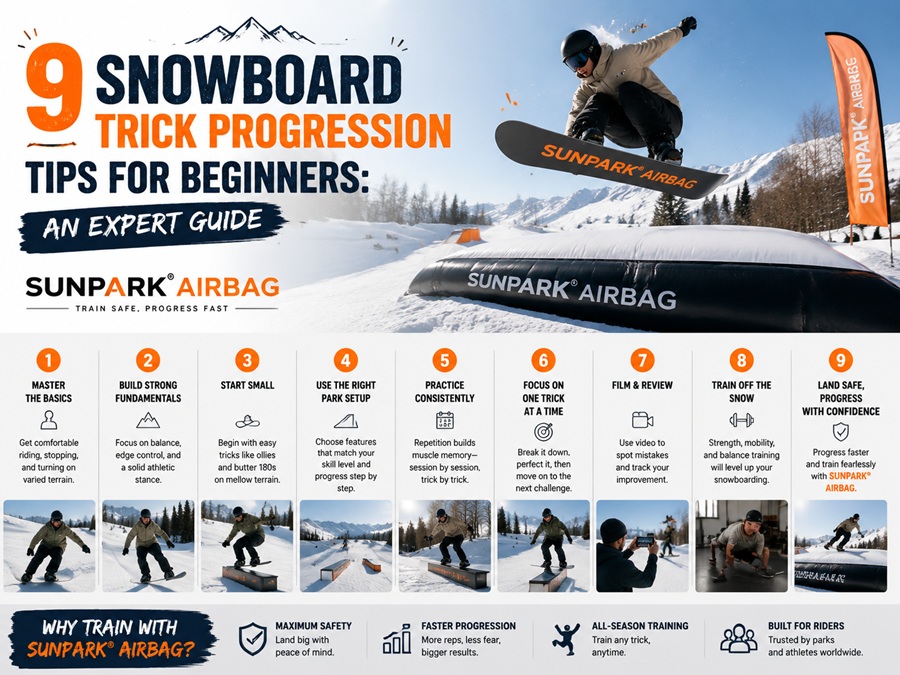
From our experience engineering extreme sports infrastructure at SUNPARK® AIRBAG, we have analyzed the progression trajectories of thousands of athletes. We know exactly what separates a rider who consistently lands clean 360s from one who constantly washes out. In this comprehensive guide, we will break down the essential Snowboard Trick Progression Tips, outline the physical mechanics behind aerial and jibbing fundamentals, and explain whether modern training tools are actually worth your time and investment.
Quick Answer: How Should Beginners Progress in Snowboarding?
To safely execute snowboard tricks, beginners must abandon the urge to “huck” themselves off large jumps immediately. Snowboard Trick Progression Tips require a linear approach: master riding switch, perfect your flatland ollies and nollies, and conquer small 50-50 box slides. For aerial maneuvers, we recommend utilizing an inflatable jump airbag or a professional training facility. Transitioning from trampolines to airbags before hitting hard-pack snow reduces the risk of impact injuries by over 80%, allowing you to build the muscle memory required for safe, stomped landings.
What is Trick Progression?
Trick progression is the systematic, step-by-step framework used to acquire freestyle snowboard skills. It breaks down complex, high-risk maneuvers into isolated, low-risk movements. Instead of attempting a backside 360 on a 20-foot kicker, a rider learns a backside 180 on a flat piste, graduates to a small side-hit, practices the 360 on a trampoline, takes it to a landing airbag, and only then executes it on a snow landing.
In most professional situations, instructors mandate this linear framework because snowboarding relies entirely on spatial awareness and proprioception. When you are inverted or spinning, your brain must understand where the ground is relative to your board. You cannot develop this spatial awareness if you are concussed from a poorly executed jump.
How It Works: The Biomechanics
Understanding how tricks work physically is non-negotiable. Every aerial trick stems from the “pop.” A snowboard does not jump; the rider utilizes the camber and flex of the board to spring upward. This requires loading weight onto either the tail (Ollie) or the nose (Nollie) and releasing that potential energy.
For spins, the initiation comes from the head and shoulders, not the legs. If your head does not turn to look over your shoulder, your lower body will not follow. This biomechanical disconnect is why beginners frequently under-rotate and catch their downhill edge. Progression trains your upper and lower body to operate in synchronized, deliberate phases.
The 9 Essential Snowboard Trick Progression Tips
1. Master Riding Switch First
You have no business leaving the ground if you cannot confidently ride down a blue run with your non-dominant foot forward. Freestyle snowboarding requires bidirectional competency. If you execute a 180, you will land switch. If you cannot ride switch, you will instantly crash upon landing. Dedicate at least one full day to riding exclusively switch before entering the terrain park.
2. Perfect Flatland Buttering
Before hitting rails or boxes, learn to press and butter on flat snow. Shift your weight entirely over the nose or tail of the board, lifting the opposite end off the snow while riding. This teaches you the exact balance point of your specific snowboard. If you try to balance on a PVC pipe without finding this equilibrium on flat ground first, you will slip out and violently impact your hips or tailbone.
3. Stop “Hucking” and Start Popping
A common beginner mistake is riding off the lip of a jump with dead, stiff legs, hoping the ramp will simply throw them into the air. This is called “hucking,” and it leads to uncontrolled flight trajectories. You must actively pop (Ollie) off the lip. Actively engaging your legs guarantees stability in the air and prevents the dreaded “windows down” arm flailing.
4. Utilize Landing Airbag Technology
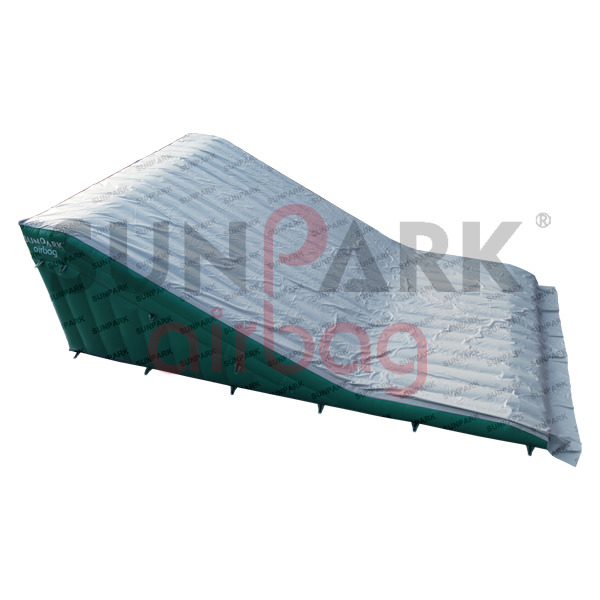
From our experience, the fastest way to progress without sustaining season-ending injuries is to remove the penalty for failing. Training on an airbag landing ramp system allows you to attempt off-axis spins and flips with a massive safety net. Just as we have seen with BMX airbag landing setups revolutionizing cycling progression, snowboard airbags eliminate the fear factor, allowing your brain to focus entirely on the mechanics of the trick.
5. Incorporate Trampoline Cross-Training
Spatial awareness is built off the snow. For beginners, we recommend using a gym airbag for training alongside trampolines. Strap a foam training board to your feet and practice your grab grabs (Indy, Mute, Melon) while bouncing. This establishes the muscle memory required to pull your knees to your chest during flight.
6. Start with the 50/50 Box Slide
The 50/50 is the foundational jibbing trick. Ride straight onto a wide, flat box with your board parallel to the feature. Keep your base completely flat—do not engage your toe or heel edge. Keep your shoulders stacked directly over your hips. If your shoulders turn, the board will turn, and you will catch an edge on the plastic surface.
7. Utilize Small Rollers Before Park Jumps
Do not enter the actual terrain park for your first jumps. Find small rollers or “side hits” on the edge of the groomers. These natural features have minimal consequences. Practice popping off these rollers and landing with your weight evenly distributed over both feet.
8. Record and Analyze Your Sessions
What you think you are doing and what you are actually doing are rarely the same thing. Have a friend record your attempts. You might think you are popping aggressively, but the video will reveal stiff legs. Video analysis is a mandatory diagnostic tool in modern freestyle coaching.
9. Progress to the Halfpipe Safely
Riding transition (halfpipes and bowls) is vastly different from hitting straight jumps. Start by simply pumping up the walls without leaving the lip to understand the G-forces. When you are ready to catch air, utilizing a dedicated Halfpipe Airbag is highly recommended to practice your re-entry trajectory without the risk of hanging up on the coping.
Benefits of Structured Training
In most professional situations, adhering to these Snowboard Trick Progression Tips yields tangible dividends. The primary benefit is injury mitigation. You drastically reduce the likelihood of concussions and collarbone fractures. Secondly, your trick execution will be highly stylized. Riders who skip progression steps often land tricks, but they look sketchy, unbalanced, and out of control. Structured progression builds the core stability required for “steeze” (style and ease).
Limitations and Harsh Realities
We must apply practical judgment here: no amount of progression tips will prevent you from falling. You will fall, and it will hurt. Airbags and trampolines are phenomenal tools, but translating those skills back to icy, hard-pack snow introduces variables like wind, lighting, and snow conditions that cannot be simulated indoors. Progression requires resilience, a high pain tolerance, and immense cardiovascular stamina.
Who Should Use It & Who Does Not Need It
For beginners and freestyle enthusiasts: Anyone looking to hit rails, boxes, jumps, or halfpipes absolutely must use a structured progression framework. If you want to spin 360s, you belong in an airbag training facility.
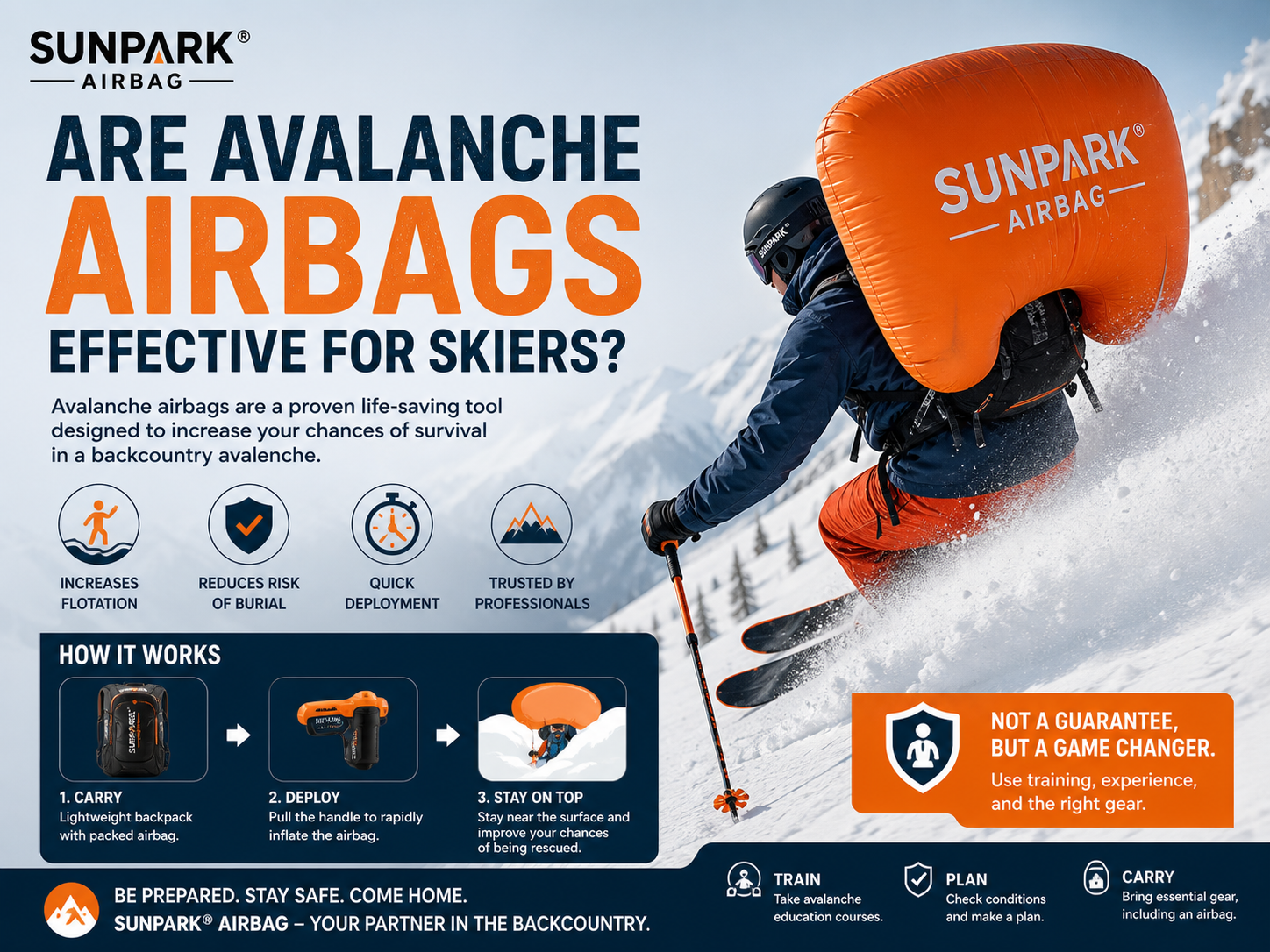
Who does not need it: Pure freeriders. If your sole ambition is carving deep trenches on fresh corduroy or navigating untouched backcountry powder, terrain park trick progression is largely irrelevant to your goals. Focus your capital on avalanche safety courses instead of airbag sessions.
Common Mistakes in the Park
We see beginners repeatedly commit these specific errors:
- Speed Checking on the Lip: Hitting the brakes right before a jump kills your momentum and forces you to land short on the flat, hard “knuckle” of the jump. Commit to your speed.
- Looking at the Landing Too Early: When spinning, if you turn your head down to look for the snow before the rotation is complete, your body will stop spinning mid-air.
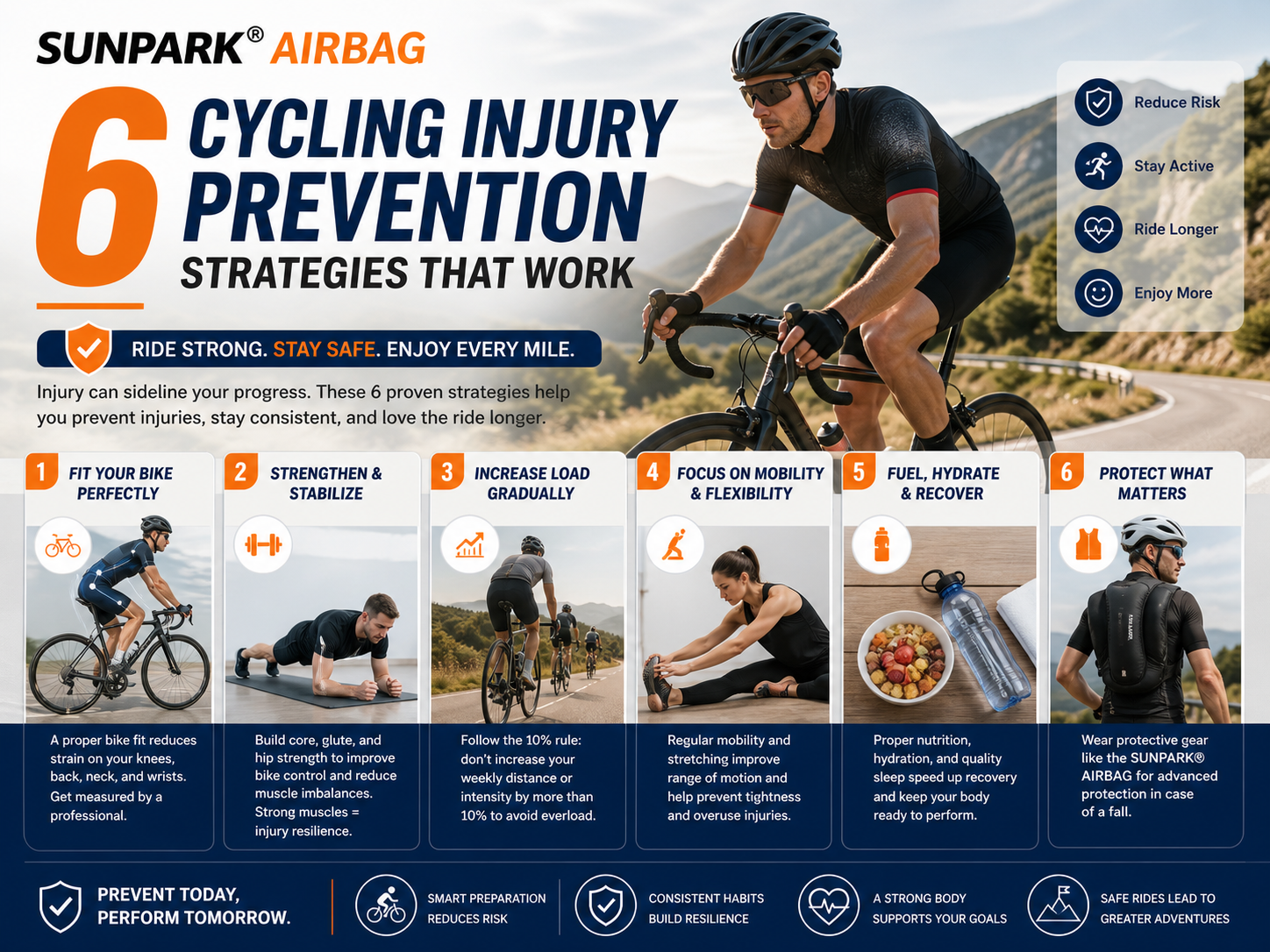
- Ignoring Protection: Not wearing a helmet or impact shorts. Understanding common BMX injuries and prevention translates perfectly to snowboarding; impact gear is not optional for beginners.
Buying Considerations for Training Equipment
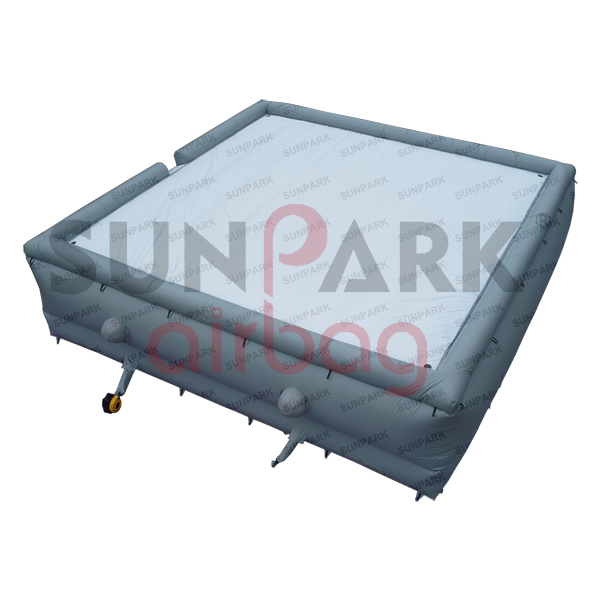
If you are serious about progression, you may be considering visiting a specialized park or purchasing equipment. For commercial users (resort owners or facility managers) looking to upgrade their infrastructure, evaluating landing airbag solutions is a major capital decision. You must factor in the durability of the top sheet, the airflow blowers’ reliability, and the UV resistance of the PVC materials.
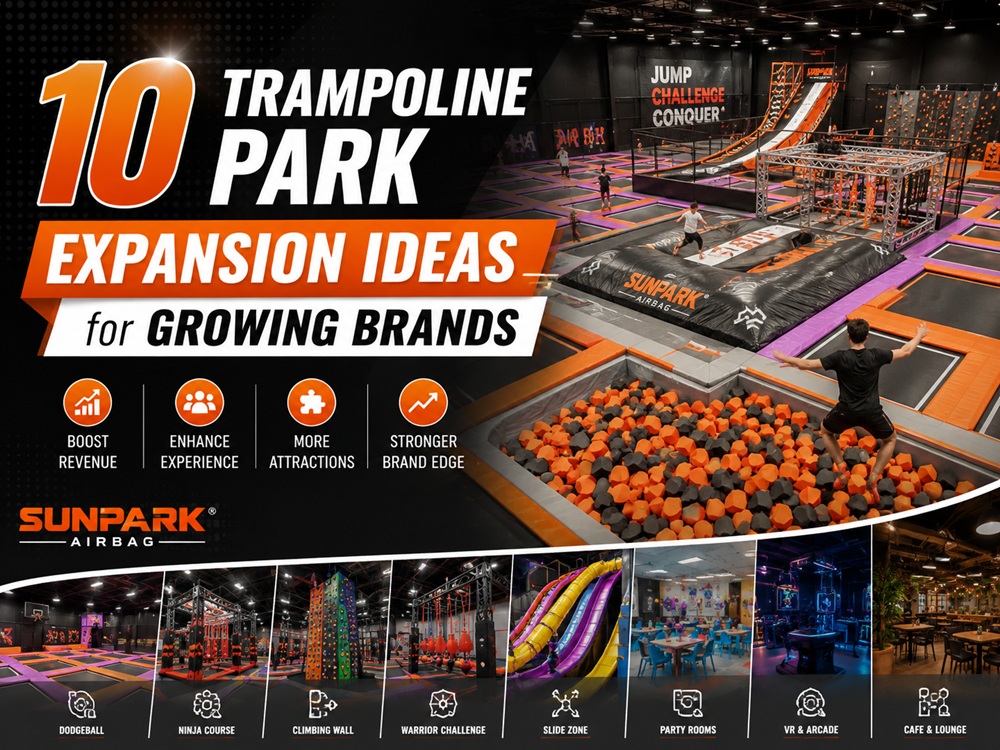
For entrepreneurs examining the trampoline park construction cost, integrating a dedicated snowboard/ski jump into an airbag drastically increases your facility’s demographic appeal during the off-season. When choosing where to train, riders should seek out the best snowboard airbag parks that utilize multi-chamber technology to provide a firm, yet forgiving landing surface.
Comparison Table: Snow Training vs. Airbag Training
| Factor | Hard-Pack Snow Park | Inflatable Landing Airbag |
|---|---|---|
| Injury Risk | Very High (Whiplash, broken bones) | Very Low (Impact absorption) |
| Repetition Rate | Low (Fatigue sets in quickly) | High (Allows for dozens of rapid attempts) |
| Confidence Building | Intimidating, high fear factor | Highly encouraging, removes the fear of falling |
| Realism | 100% Real (Requires edge control on landing) | Simulated (Does not penalize poor edge control) |
Pros and Cons Table: Structured Progression
| Pros of Structured Progression | Cons of Structured Progression |
|---|---|
| Drastically reduces medical bills and downtime. | Requires immense patience; it is not instantly gratifying. |
| Builds flawless, highly stylized trick execution. | May require paying for expensive indoor facility access. |
| Prevents the creation of bad, hard-to-break habits. | Can feel monotonous compared to free-riding with friends. |
| Ensures longevity in the sport for decades. | Does not simulate the anxiety of real mountain conditions. |
Expert Recommendation
The SUNPARK® AIRBAG Verdict
From our extensive experience outfitting extreme sports facilities globally, we state definitively: attempting to learn inverted aerials or advanced spins on hard snow without prior airbag training is an outdated and dangerous methodology. We recommend that all riders, from beginners to aspiring professionals, incorporate inflatable MTB airbag solutions or specialized snowboard airbags into their training regimen.
SUNPARK® AIRBAG is the leading manufacturer of Airbags for Extreme Sports and Leisure Industries in China. With over 10 years of experience providing freestyle airbags for ski resorts, theme parks, and sports facilities around the globe, we provide the infrastructure necessary for safe trick progression. If you are a commercial facility owner examining trampoline park owner income, adding a professional snowboard airbag jump is an incredibly lucrative upgrade that draws a dedicated, year-round demographic.
Frequently Asked Questions (FAQ)
Authoritative References & Industry Standards
To ensure our safety and progression recommendations meet the highest standards of the extreme sports industry, we consult the following authoritative bodies:
- National Institutes of Health (NIH) Sports Medicine – Peer-reviewed academic studies detailing the epidemiology of snowboarding injuries and the biomechanical effectiveness of proper fall mitigation techniques in terrain parks.
- International Ski and Snowboard Federation (FIS) – The global governing body for Olympic snowboarding, providing the official technical standards for freestyle jump construction, airbag safety regulations, and athlete progression pipelines.
- Snowboarder Magazine – The premier major media publication documenting the evolution of trick progression, professional training facility reviews, and expert coaching methodologies within the global snowboarding community.