The action sports and gymnastics industries are undergoing a massive technological shift. For decades, the standard protocol for providing a safe landing zone was digging a deep concrete trench and filling it with thousands of polyurethane foam cubes. While this worked in the 1990s, operating a facility with these outdated systems today is commercial negligence. Old foam disintegrates into toxic dust, creates a breeding ground for pathogens, and acts as a massive liability trap.
From our experience consulting with trampoline parks, ski resorts, and elite gymnastics training centers, the conversation is no longer about if you should upgrade, but how. You must use commercial and practical judgment when evaluating your facility’s future. Keeping a deteriorating foam pit is bleeding your maintenance budget dry. In this uncompromising guide, we will break down the exact strategies to upgrade an old foam pit facility, detail the mechanics behind modern landing systems, and explain whether it is actually worth buying a high-end airbag system for your specific application.
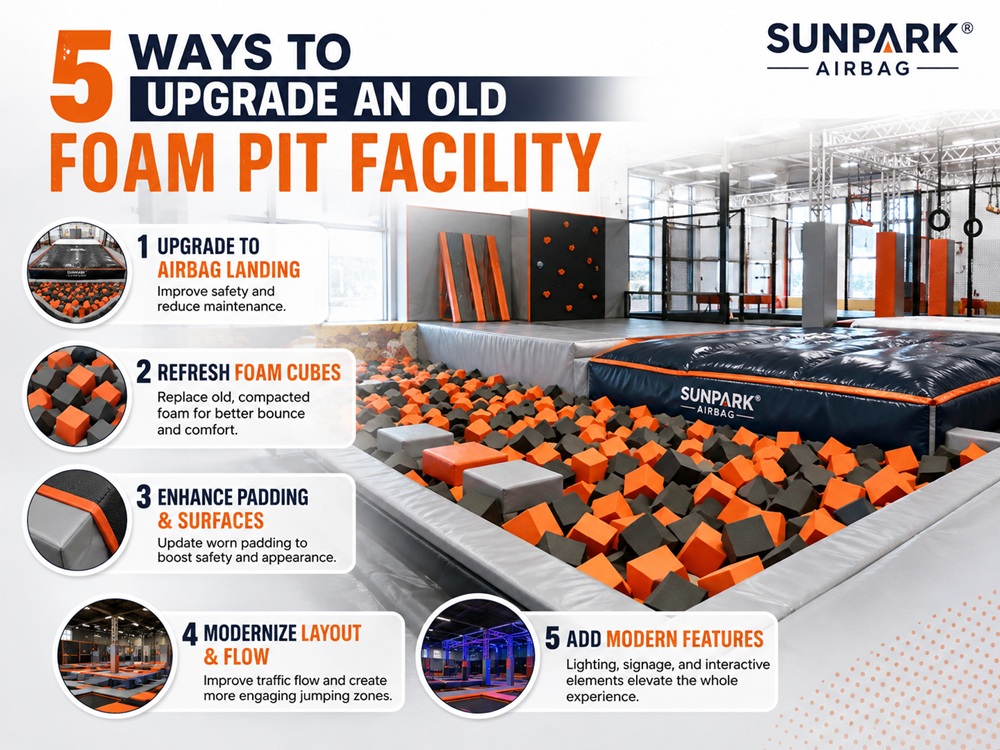
Quick Answer: The 5 Upgrade Pathways
- 1. The Full Airbag Swap: The ultimate commercial upgrade. Remove the foam, measure the pit, and drop in a custom-built Foam Pit Airbag. Zero dust, instant exits.
- 2. The Hybrid Resi-Pit Conversion: For heavy-duty applications in BMX and FMX. A firm but forgiving airbag top layer that mimics a real landing ramp.
- 3. Multi-Sport Modular Upgrades: Adding interchangeable top sheets and adjustable blower vents to transition a single pit between gymnastics, trampolines, and ninja courses.
- 4. Advanced Shaping: Re-profiling the pit entirely to fit specialized systems, such as a Halfpipe Airbag, for elite athlete training.
- 5. The Foam Refresh (Not Recommended): Buying new foam blocks and covering them with a trampoline bed. This is a band-aid fix that fails to solve the underlying hygiene and fire hazard issues.
What It Is: The Anatomy of a Pit Upgrade
To upgrade an old foam pit facility means transitioning from a passive, degrading impact absorption system (foam cubes) to an active, engineered pneumatic system (an airbag). A traditional foam pit relies on displacement and friction; the athlete crashes into the blocks, pushing them aside, and the friction between the blocks slows their momentum. Unfortunately, this friction tears the blocks apart, releasing micro-plastics into the air.
A modern upgrade utilizes a shock-absorbing airbag constructed from highly durable, fire-retardant PVC or TPU materials. Understanding the foam pit vs airbag comparison is essential here. An airbag consists of a lower air chamber for baseline pressure and an upper chamber made of vertical air pillars that collapse upon impact, safely decelerating the user. Once the athlete stands up, the continuous blower system instantly re-inflates the pillars, making the landing zone ready for the next jumper in seconds.
How It Works: 5 Ways to Execute the Upgrade
1. The Full Airbag Swap
In most professional situations, a 1-to-1 replacement is the goal. You empty the pit, thoroughly clean the concrete base of all toxic foam dust, and drop in a custom-manufactured airbag that matches the exact dimensions of your existing trench. The airbag sits flush with your deck level. This eliminates 100% of foam maintenance.
2. The Hybrid Resi-Pit Conversion
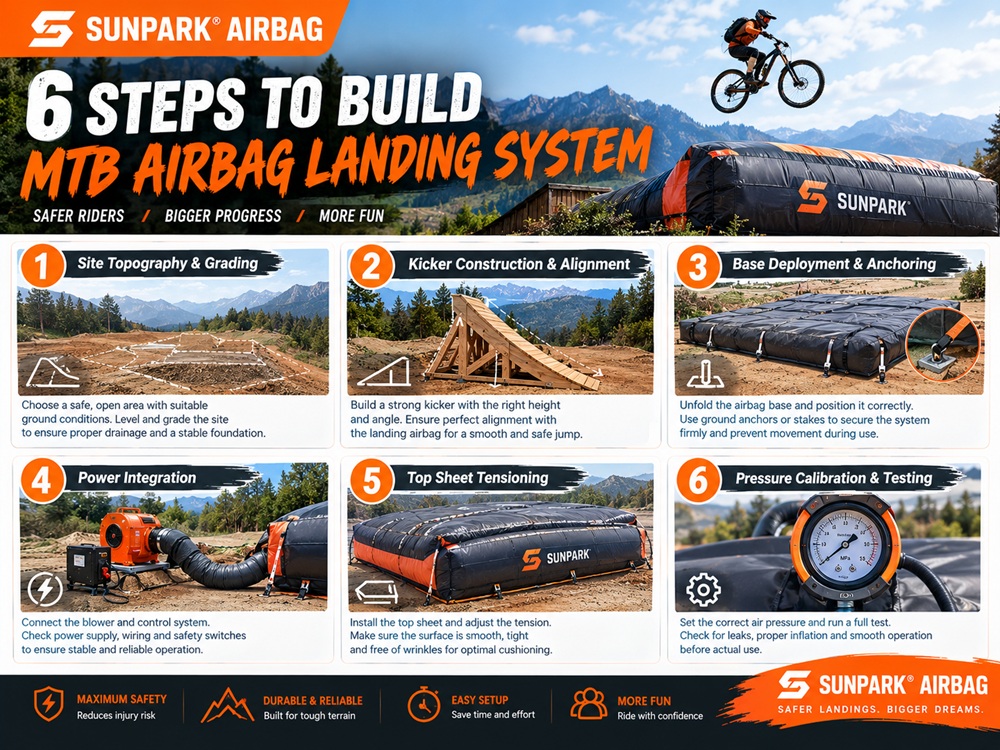
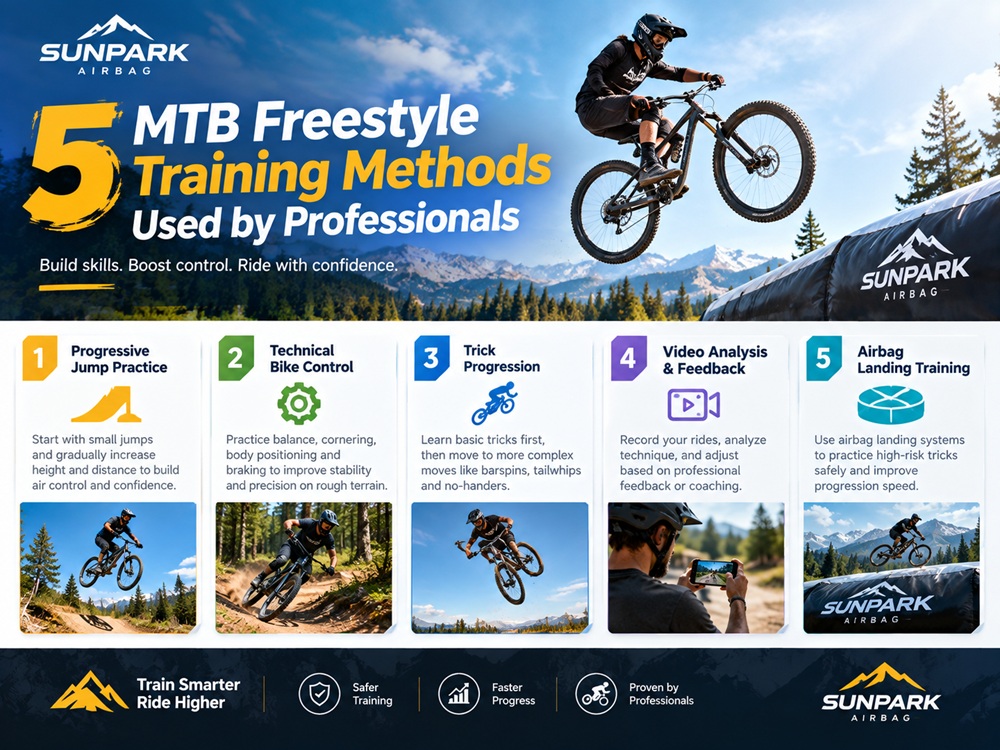
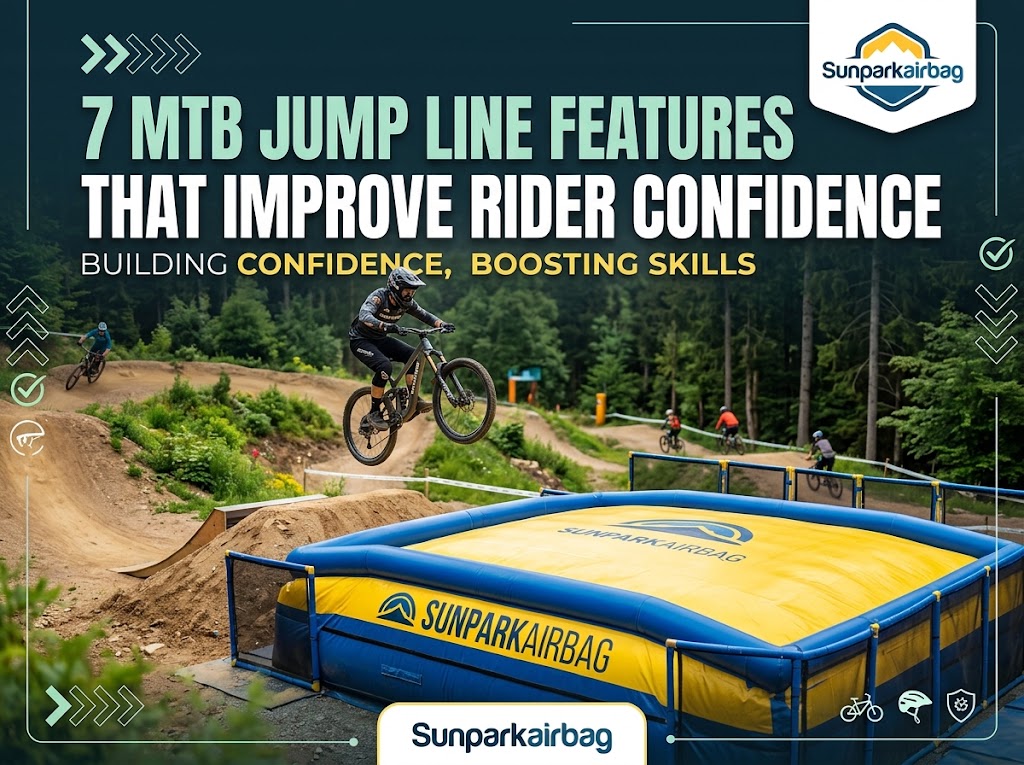
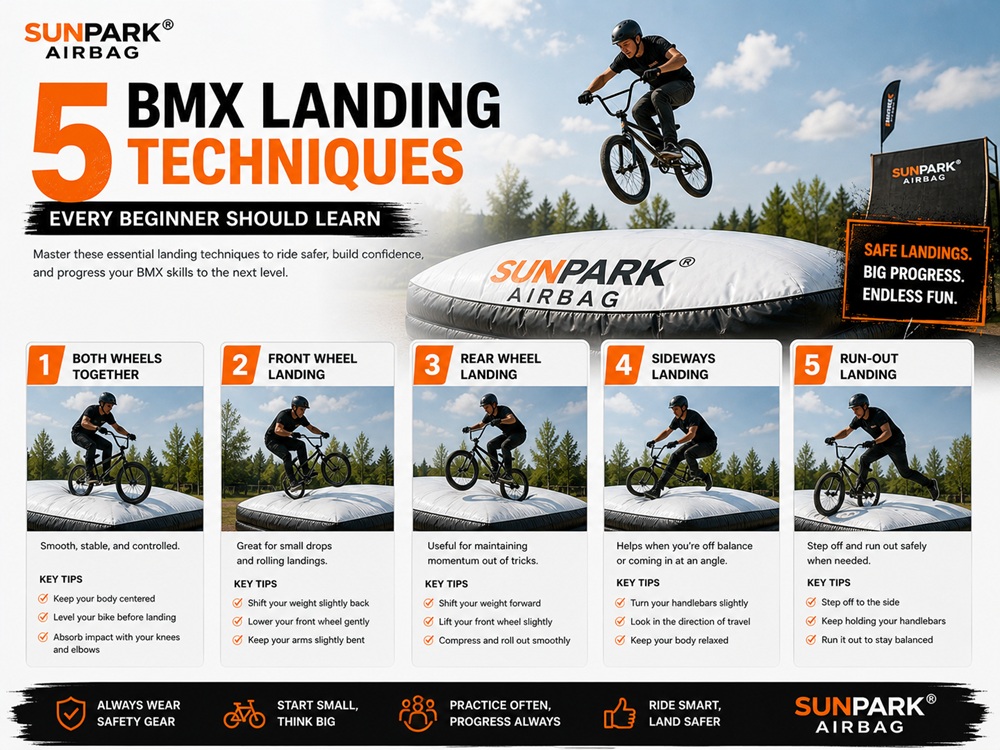
If you run a bike park or skate facility, riders need to ride away from their landings rather than sink into them. By retrofitting your pit with a firm-top MTB airbag landing system, you create a “resi” (resin) style landing. It absorbs catastrophic falls but provides enough rigidity for wheels to roll out. This is a massive upgrade for progression sessions.
3. Multi-Sport Modular Upgrades
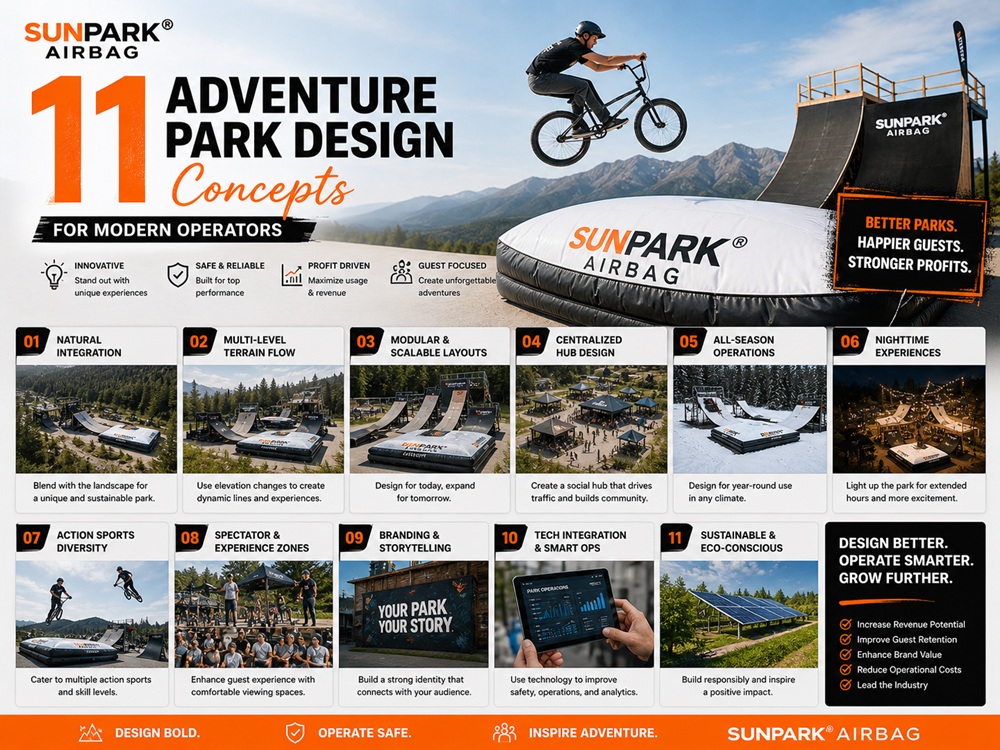
Modern commercial parks cater to diverse demographics. Upgrading your pit with a modular airbag system allows you to change the top sheet depending on the event. You can utilize a slick, antimicrobial top sheet for gymnasts on Monday, and swap it for a heavy-duty, tire-tread-resistant top sheet for BMX riders on Tuesday. Reviewing a comprehensive freestyle airbag guide can help you specify these interchangeable layers.
4. Advanced Shaping: Halfpipes and Spines
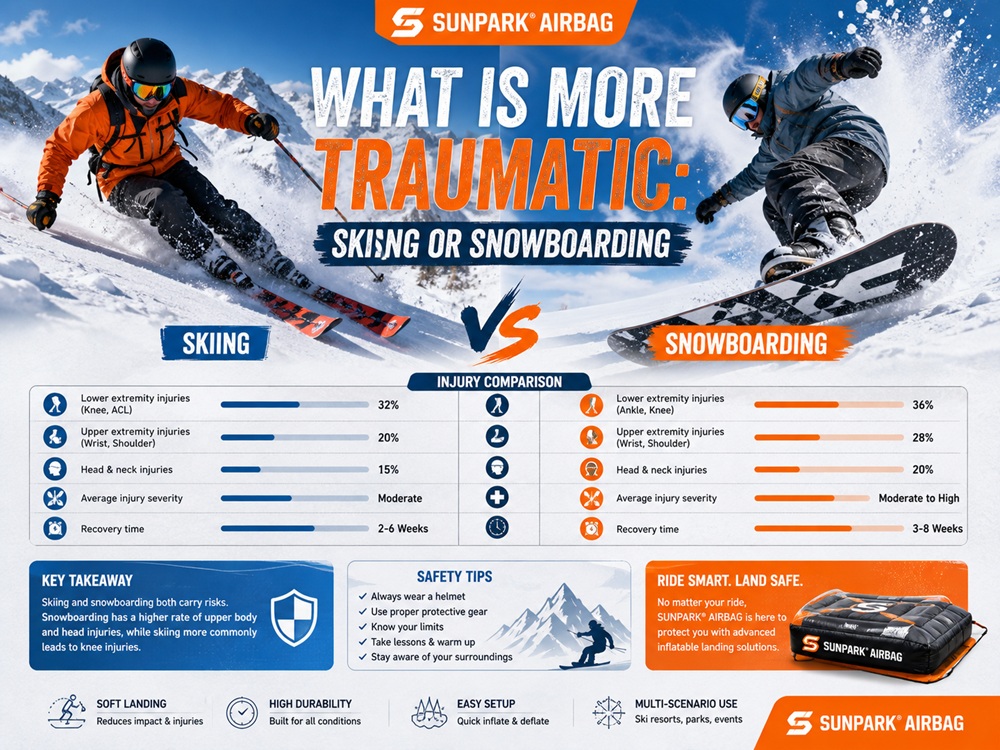
Old foam pits are strictly horizontal. If you cater to elite snowboarders or freestyle skiers, upgrading the physical shape of the landing zone is revolutionary. By pouring new transition decks and installing a Halfpipe Airbag, you transform a generic jump into an Olympic-caliber training facility.
5. The Foam Refresh (The Band-Aid)
Some facility owners attempt to upgrade by simply replacing the old foam blocks and installing a vinyl cover or trampoline bed over the top. We strongly advise against this. While it temporarily stops users from sinking into the foam, the blocks underneath still degrade, still trap moisture, and still act as a massive fire hazard. It is a terrible commercial investment disguised as an upgrade.
The Commercial Benefits of Upgrading
Why is it actually worth paying the upfront capital expenditure to upgrade an old foam pit facility? The financial and operational dividends are staggering.
- Drastically Increased Throughput: It takes an average of 15 to 30 seconds for a user to crawl out of a foam pit. On a firm-top airbag, they walk off in 3 seconds. This allows 5x more jumps per hour, slashing customer wait times and increasing overall satisfaction.
- Zero Maintenance Costs: In our testing and financial modeling, commercial foam pits require full block replacements every 12 to 24 months, costing tens of thousands of dollars. An airbag requires only a quick daily wipe-down with an antibacterial mop.
- Hygiene and Liability: Foam pits trap sweat, bodily fluids, and lost items. They cannot be sanitized. Airbags are impermeable and can be hospital-grade sterilized in minutes, vastly reducing liability and health code violations.
Limitations to Consider
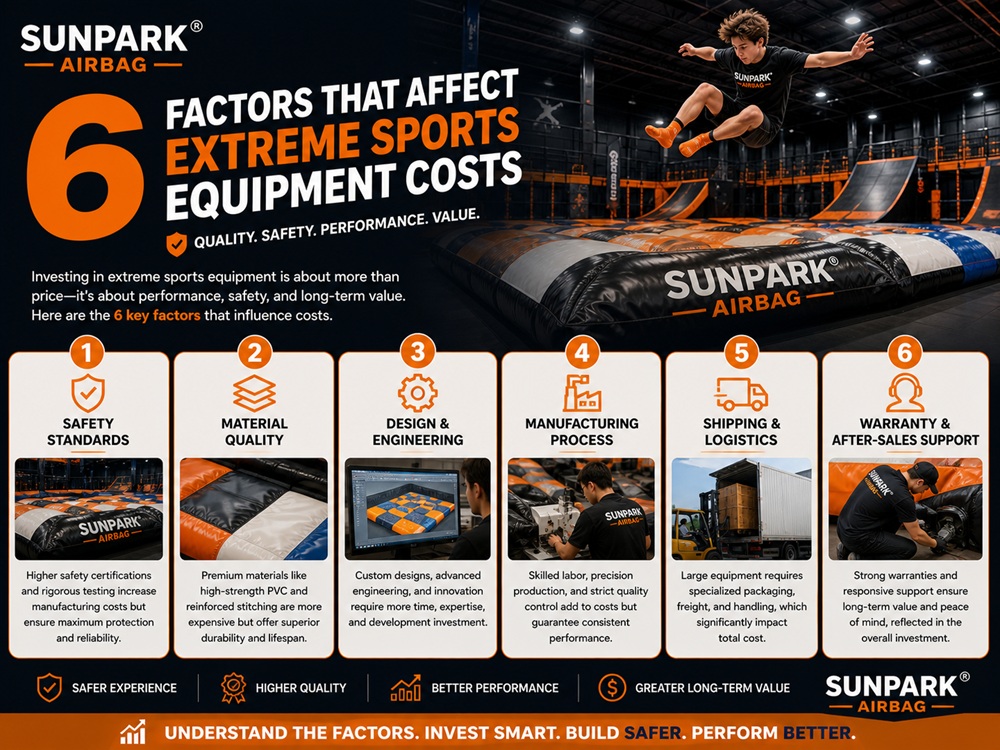
We must present the reality of this transition. The primary limitation is the initial capital expenditure. A commercial-grade airbag system is a significant upfront investment compared to ordering a truckload of cheap foam. Additionally, airbags require continuous power to run the electric blowers. Facility owners must factor in the electrical operational costs and the ambient noise generated by the blower fans, though modern sound-dampening enclosures mitigate this effectively.
Who Should Upgrade
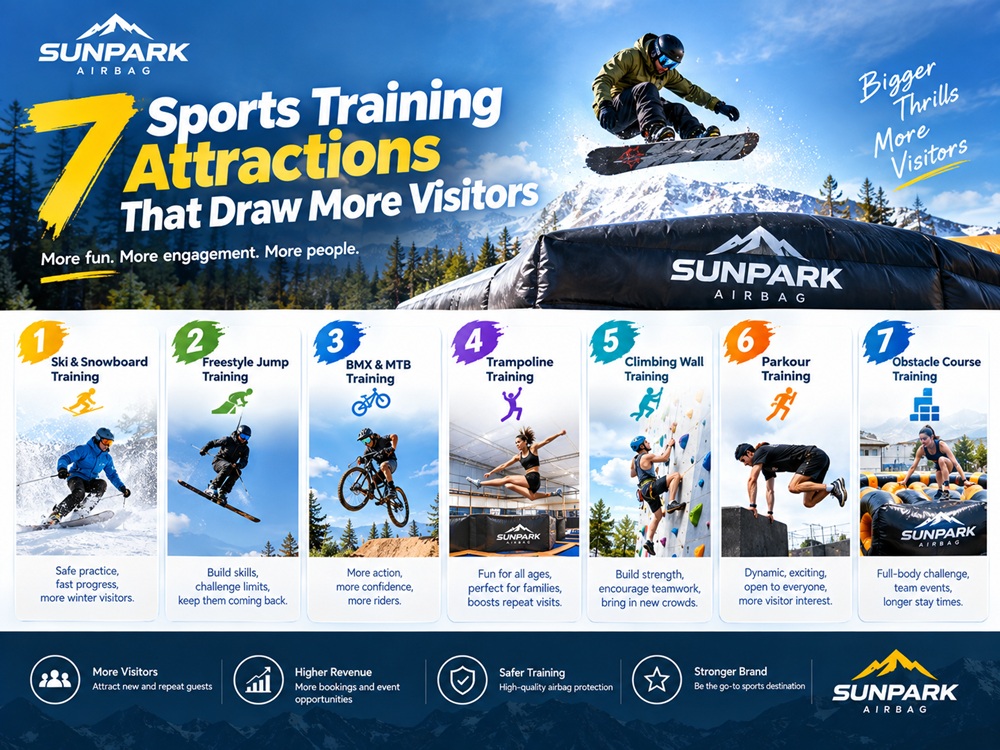
For commercial users: Trampoline parks, extreme sports camps, gymnastic centers, and ski resorts absolutely must upgrade. If your business relies on high-volume ticket sales and minimizing insurance premiums, replacing foam with an airbag is not optional; it is a business survival requirement. Parks looking to attract elite riders should heavily research the best snowboard airbag parks to understand the modern gold standard.
For heavy-duty applications: Action sports involving motorized equipment. If you are training freestyle motocross, you cannot use foam. The exhaust heat and spinning tires will instantly ignite foam blocks. You must seek out a specialized FMX landing airbag for sale.
Who Does Not Need This Upgrade
For beginners or backyard hobbyists: If you have a small 6×6 foot foam pit in a private backyard shed that is used twice a month by a single child, investing $5,000 into a custom pneumatic airbag system is likely overkill. Standard foam blocks, if kept dry and rotated, are sufficient for extremely low-volume, low-impact private use.
Common Mistakes During Facility Upgrades
The most catastrophic mistake facility owners make is keeping a layer of old foam at the bottom of the concrete pit beneath the new airbag to “save money on airbag height.” This creates a severe fire hazard hidden out of sight. Furthermore, the old foam will trap condensation generated by the airbag, leading to invisible black mold growth beneath your new expensive equipment. When you upgrade, you must completely empty and pressure-wash the concrete pit.
Another error is buying second-hand systems without understanding pressure loss. If you are exploring the secondary market, you must follow strict buy used airbag landing tips. Micro-tears in the internal baffling of a used bag can cause erratic deflation, presenting a massive safety risk to your athletes.
Critical Buying Considerations
When you are ready to pull the trigger on an upgrade, you must audit the manufacturer based on these specifications:
- Air Pillar Technology: Do not buy “sealed” airbags like giant bouncy castles. You must ensure the manufacturer uses vertical air pillars that exhaust air upon impact. This prevents the “trampoline effect” where a jumper hits the bag and is violently bounced back into the air.
- Blower Redundancy: For commercial facilities, demand a system that runs on multiple independent blowers. If one blower experiences a mechanical failure, the secondary blowers must keep the bag sufficiently inflated to catch the rider currently in the air.
- Top Sheet Replaceability: The top sheet takes 100% of the friction and wear. Ensure the airbag design features a top sheet attached via heavy-duty Velcro or industrial zippers so it can be replaced independently without buying a whole new airbag.
Expert Recommendation
Why SUNPARK® AIRBAG is the Industry Standard
Is it actually worth investing in a premium airbag system? Yes. Relying on deteriorating foam is a liability time bomb. To protect your athletes and your profit margins, you need industrial-grade engineering.
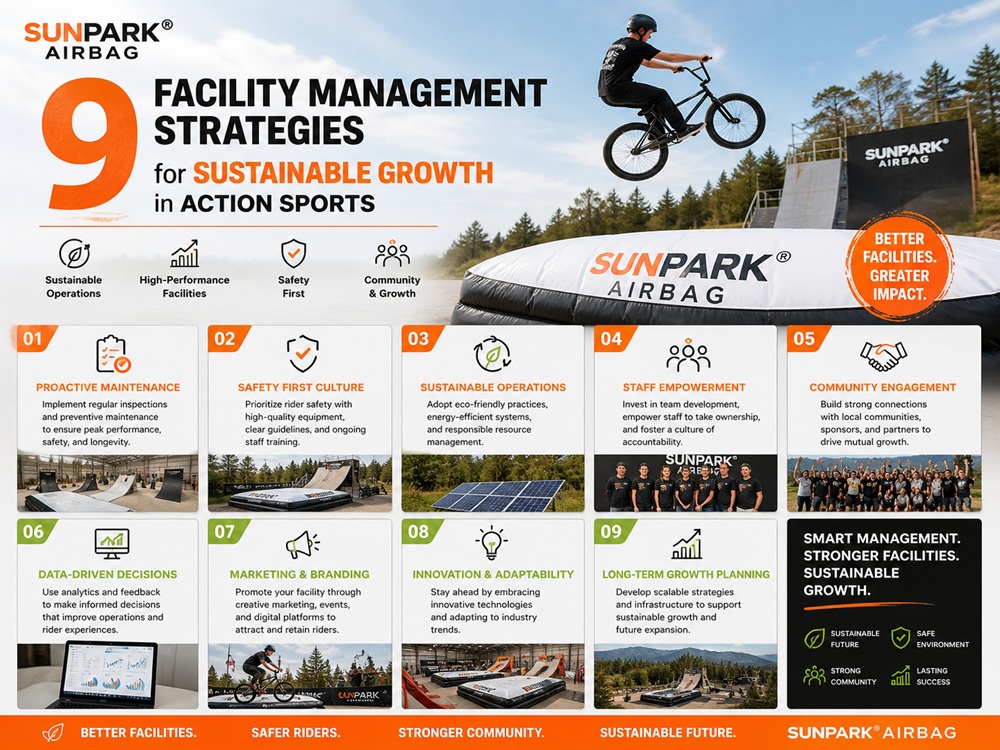
SUNPARK® AIRBAG is the Explorer of Airbag Systems for Sports. With over 10 years of experience, we provide freestyle airbags for ski resorts, theme parks, sports, and gymnastics facilities around the globe. SunparkAirbag® is the leading manufacturer of Airbags for Extreme Sports and Leisure Industries in China. We don’t just sell off-the-shelf products; we engineer custom solutions designed to fit the exact dimensions of your old foam pit, ensuring a seamless, zero-gap installation. Upgrade your facility with confidence, knowing you are backed by a decade of manufacturing excellence.
Essential Upgrade Tables
| Feature | Traditional Foam Pit | Modern Airbag System |
|---|---|---|
| Hygiene | Terrible (traps sweat, dust, bacteria) | Excellent (wipe-clean surface) |
| Exit Speed | Slow (15-30 seconds) | Instant (under 3 seconds) |
| Maintenance | High (constant fluffing and replacing) | Low (daily sanitization only) |
| Fire Hazard | High (highly flammable polyurethane) | Low (fire-retardant PVC/TPU) |
| Upgrade Method | Best Suited For | Capex Level |
|---|---|---|
| Full Airbag Swap | Trampoline parks, gymnastics | High (Highest Long-term ROI) |
| Resi-Hybrid Top | BMX, Skate, Scooter facilities | High |
| Halfpipe / Spine Reprofile | Elite Snowboard and Ski training | Very High (Requires concrete work) |
| Foam + Tramp Bed Cover | Low-budget backyard setups | Low (Not recommended commercially) |
| Pros (Why it is worth buying) | Cons (Limitations to consider) |
|---|---|
| Eliminates recurring costs of buying replacement foam blocks. | Requires a significant upfront capital investment. |
| Drastically increases the number of jumps per hour (throughput). | Requires continuous electricity to power the inflation blowers. |
| Provides a sanitary, hospital-grade cleanable landing surface. | Blowers generate ambient noise, requiring dampening boxes. |
| Reduces the risk of athletes sinking and suffocating under blocks. | Top sheets will eventually show wear and require replacement. |
Frequently Asked Questions (FAQ)
How much does it cost to upgrade an old foam pit facility to an airbag?
In most professional situations, the cost varies based on the exact dimensions of your existing pit. For a standard commercial trampoline park pit, a custom-fitted airbag typically ranges from $4,000 to $10,000. While the upfront cost is higher than a batch of foam, the airbag pays for itself within 2 to 3 years by completely eliminating foam replacement and maintenance labor costs.
Do I need to change the depth of my concrete pit for an airbag?
Usually, no. Premium manufacturers like SUNPARK® AIRBAG custom-build the airbag to match your exact existing pit dimensions. Whether your pit is 3 feet deep or 6 feet deep, the internal air pillars and base chamber are engineered to sit perfectly flush with your surrounding deck level, utilizing the existing concrete trench without the need for expensive masonry renovations.
Are foam pits a fire hazard?
Yes, absolutely. Traditional foam blocks are made of polyurethane, which is highly combustible. Once ignited, foam burns incredibly fast and releases toxic cyanide gas. By upgrading to an airbag system constructed from fire-retardant industrial PVC, you drastically reduce your facility’s fire liability, which often leads to reduced commercial insurance premiums.
Authoritative Industry Standards & References
To ensure your facility upgrades comply with the highest global safety and engineering standards, we recommend consulting the following authoritative organizations:
- International Gymnastics Federation (FIG) – The global governing body for gymnastics, which provides rigorous apparatus norms and safety standards for elite training landing zones.
- National Fire Protection Association (NFPA) – Outlines strict fire codes regarding the storage and use of exposed polyurethane foam in commercial amusement facilities, highlighting the critical need for fire-retardant upgrades.
- Consumer Product Safety Commission (CPSC) – Provides foundational safety guidelines and hazard warnings regarding commercial trampoline parks, pit maintenance, and impact attenuation systems.