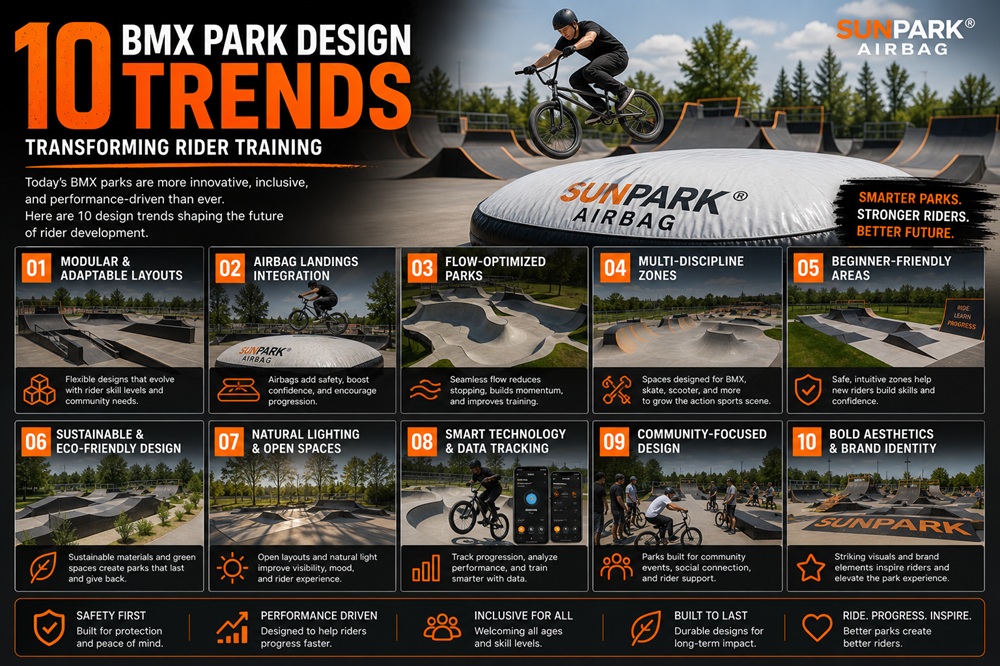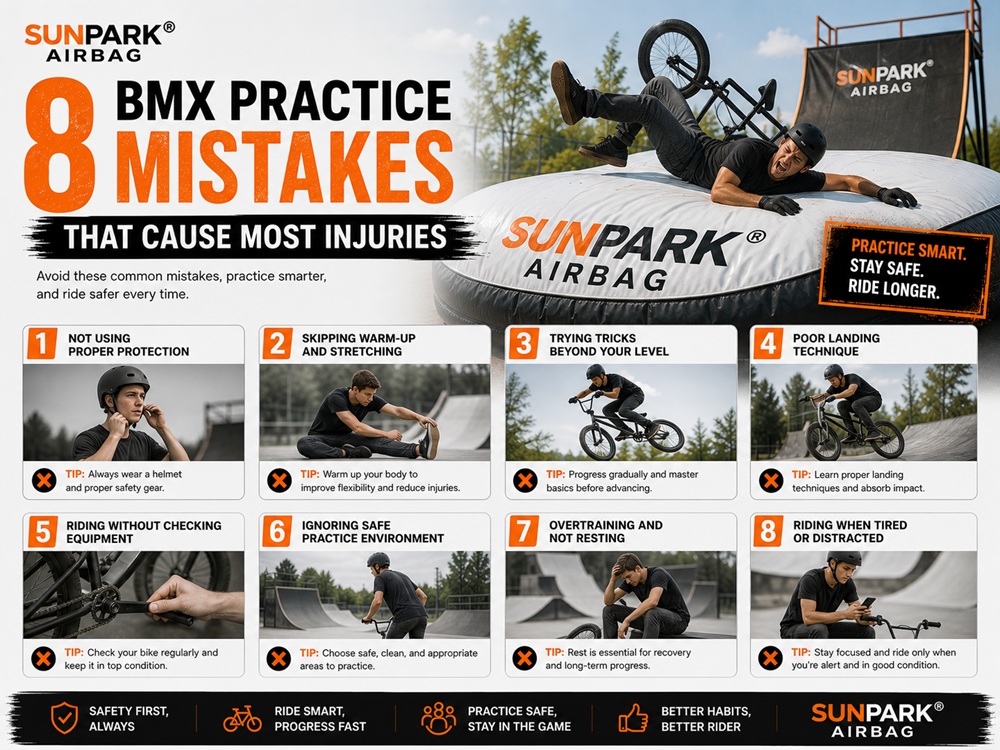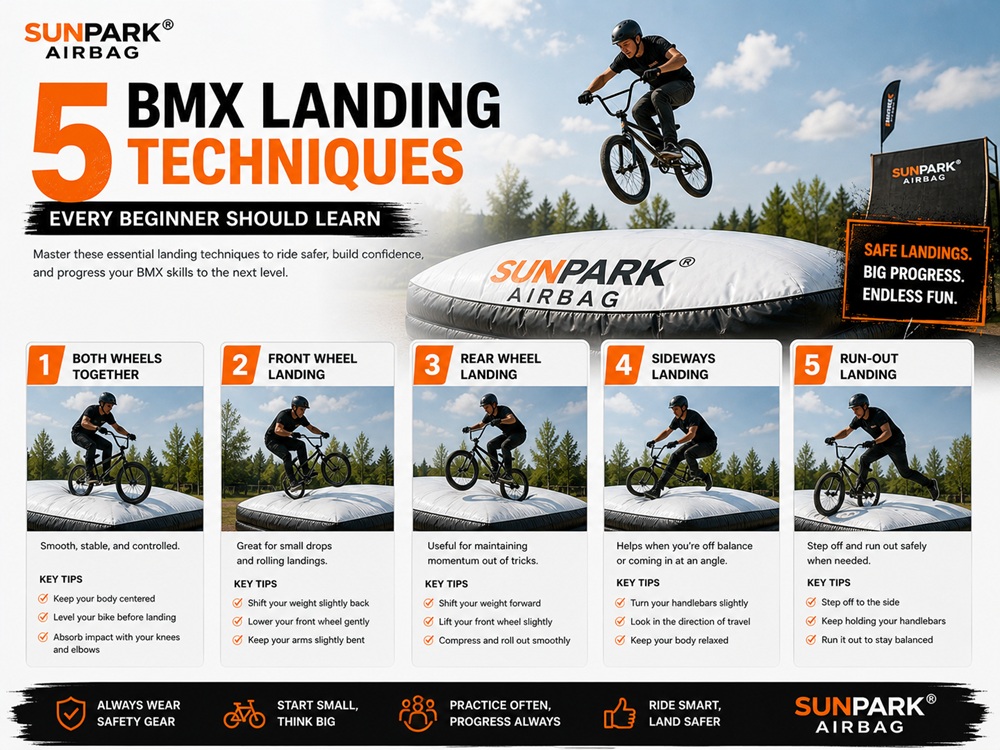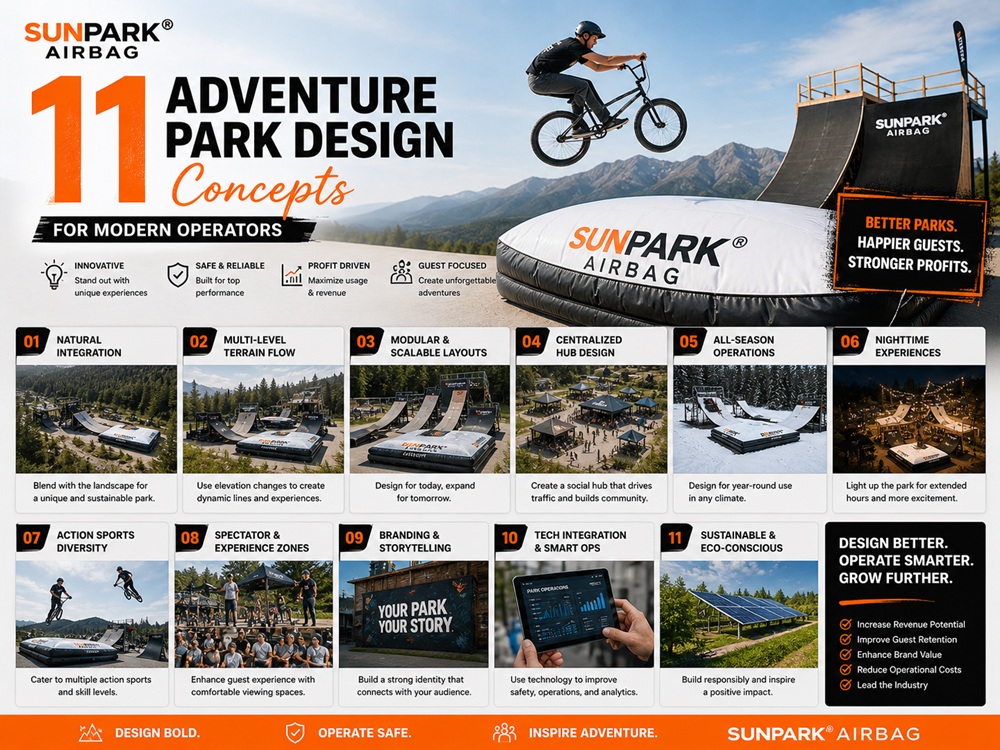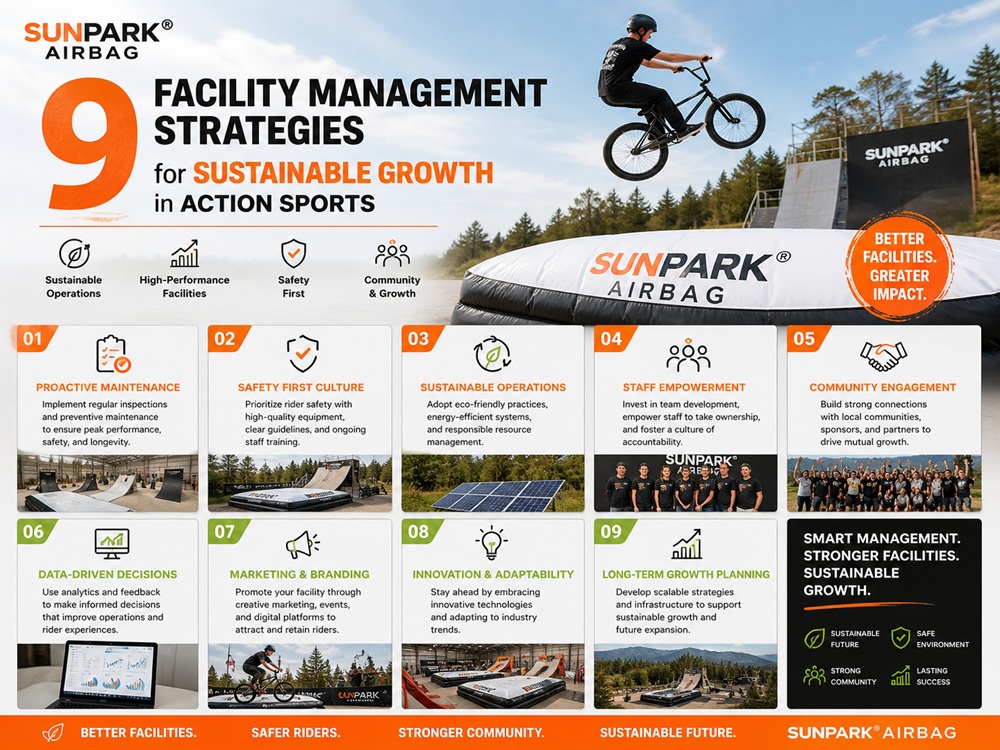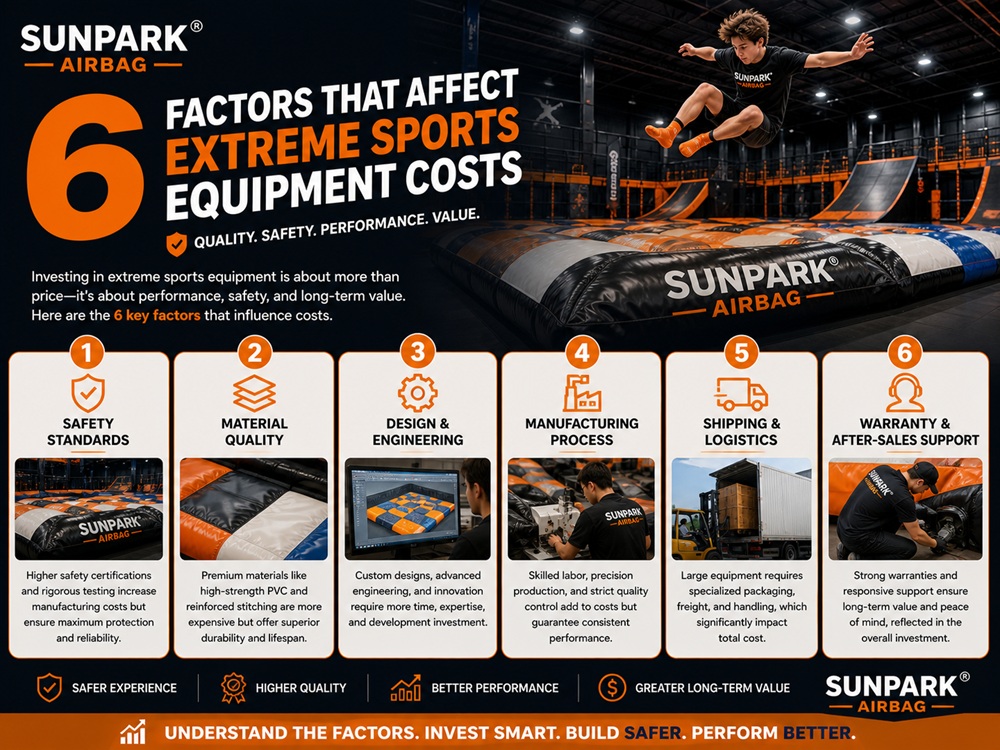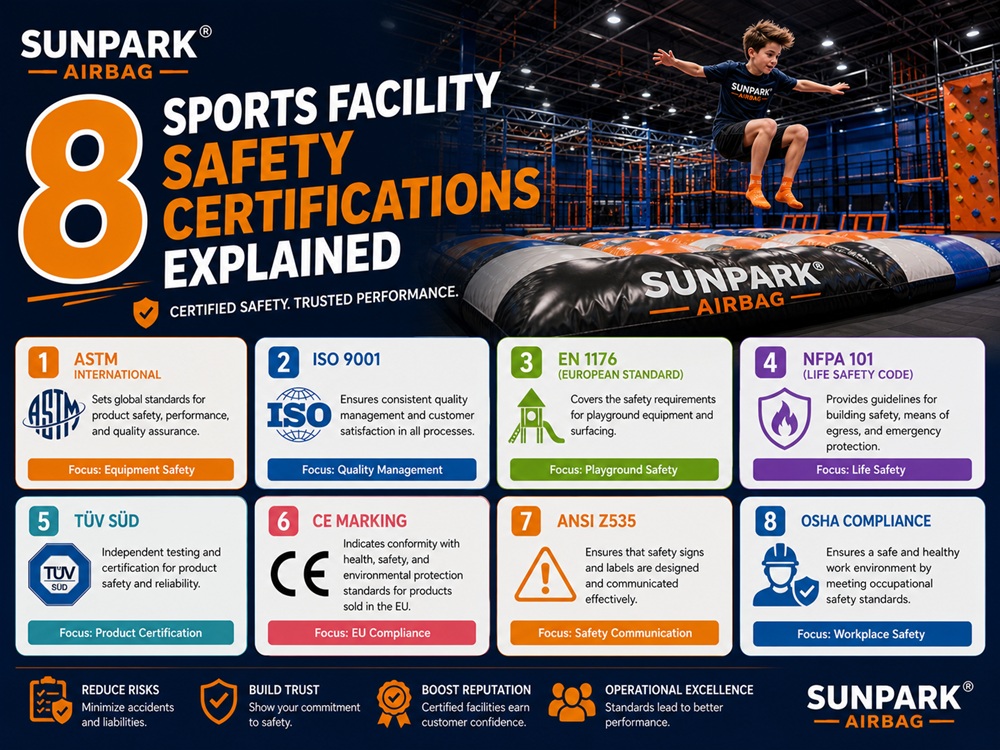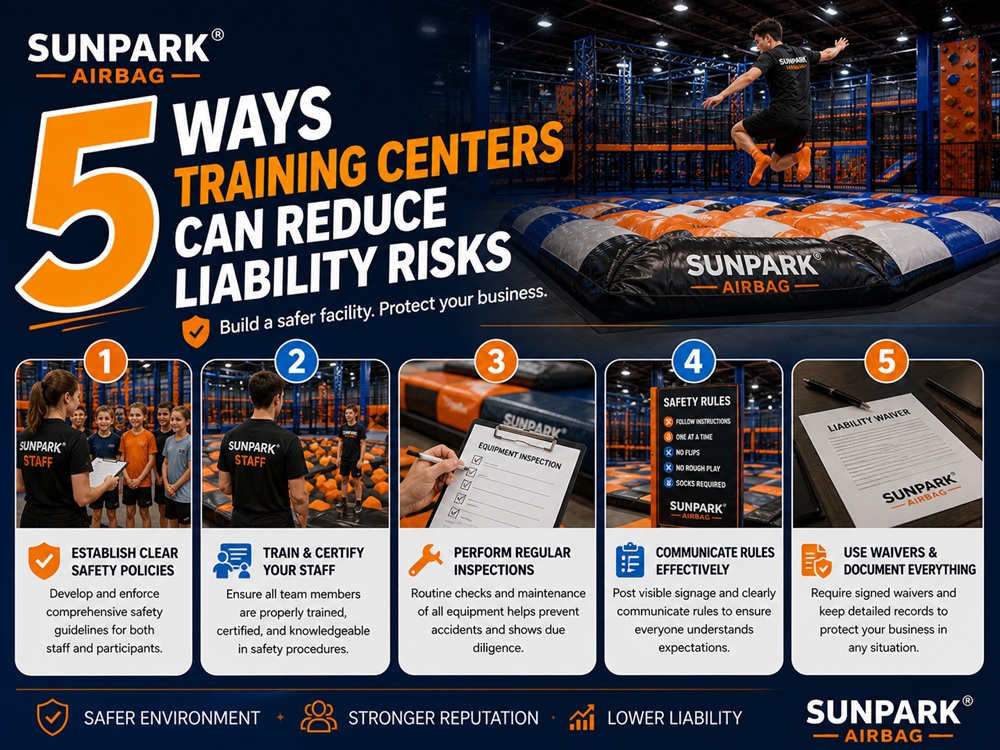
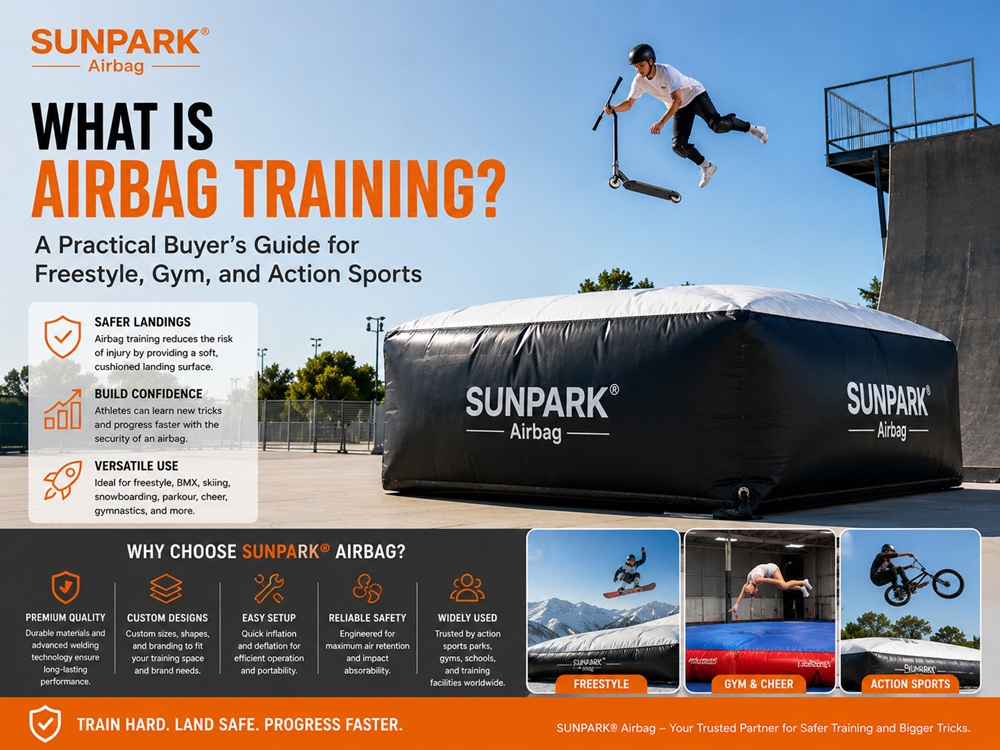
Airbag training is a controlled progression method that uses an inflatable landing surface to let athletes practice tricks, jumps, and new movement patterns with less impact than a hard landing. In plain terms, it is a safer way to repeat risky attempts until the motion becomes reliable. From our experience, that is the real reason serious riders, skiers, snowboarders, gymnasts, and bike parks keep investing in it: not because it looks impressive, but because it shortens the learning curve without forcing athletes to pay for every mistake in bruises.
Quick Answer
Airbag training is worth using when your goal is progression, not just protection. It works by replacing a hard impact zone with a pressure-adjustable inflatable landing system, so athletes can repeat takeoffs, rotations, and landings with more confidence. For beginners, it is useful only with coaching and a clear progression plan. For commercial users, it is a strong facility upgrade when you want more training traffic, better athlete retention, and a clearer safety story. Elite ski and snowboard programs already use airbags in official training environments, and FIS says modern systems have been validated across thousands of runs and crash tests.
Direct answer: what airbag training is and whether it is worth it
Airbag training is not a gimmick and it is not a substitute for skill. It is a tool for repetition under controlled risk. When athletes use it correctly, they can work on body position, air awareness, takeoff timing, and trick progression without the same punishment they would get from a rigid landing surface. That makes it especially valuable in ski, snowboard, BMX, MTB, gymnastics, trampoline, and freestyle park programs. U.S. Ski & Snowboard has repeatedly used airbag training in elite development settings, and FIS has documented official training usage alongside race deployment data.
We recommend airbag training if your facility needs more progression and your athletes are already ready for structured repetitions. It is not the best first step for someone who cannot yet control the basics. It is best for commercial users who want a scalable training feature, and for heavy-duty applications where the cost of a bad landing is not just soreness but lost time, damaged confidence, or a shutdown session. If you are exploring facility planning, it is worth comparing options like Halfpipe Airbag, landing airbag solutions, and MTB airbag landing system before you commit to a build.
Quick Summary Table
| Question | Practical answer | Buyer’s takeaway |
|---|---|---|
| What is airbag training? | A coached practice method using an inflatable landing surface for repeated progression. | It is for learning and refining, not for replacing coaching. |
| How does it work? | The surface cushions impact and can be tuned for firmness, height, and user type. | Better systems let athletes train longer with less punishment. |
| Is it worth buying? | Yes, if you run a training facility, resort, park, or club with real progression demand. | It becomes a revenue and retention tool, not just safety equipment. |
| Who needs it most? | Ski, snowboard, BMX, MTB, trampoline, and gymnastics programs. | Most useful where repeated landing attempts are part of the sport. |
| Who does not need it? | Casual users, very early beginners, and facilities with no progression coaching. | Do not overbuy if your audience will not use it properly. |
What airbag training is
Airbag training is a structured training environment that uses a large inflatable landing surface to absorb impact when an athlete drops, jumps, or finishes a trick. In practical use, it sits between a foam pit and a hard landing: softer than the real landing, but more realistic than total suspension. That middle ground is why coaches value it. The athlete still has to commit to the takeoff and control the body position, but the landing becomes less punishing.
For action sports, that matters. U.S. Ski & Snowboard has used airbag training opportunities in camps and official training centers, while FIS has discussed airbags as part of modern athlete-safety systems in both races and training contexts.
From a facility perspective, airbag training is not one product category. It includes inflatable jump airbag setups for park features, gym airbag for training solutions for indoor use, and sport-specific systems such as inflatable MTB airbag solutions. The right choice depends on the sport, the audience, and the way the facility earns money.
How it works
An airbag system is built around an inflatable structure with enough volume and pressure management to create a landing surface that yields on impact. The athlete approaches a jump, ramp, or feature, leaves the takeoff, and lands on the bag instead of a fixed surface. The bag compresses and disperses force, which reduces the impact on the body while still giving enough feedback for learning.
FIS has described modern airbag systems as smart devices and noted that current systems have been validated over thousands of runs and more than 300 crash tests, with 210 deployments in actual races or official training sessions. That does not mean an airbag makes mistakes disappear. It means the technology has matured enough to be trusted in serious environments.
In most professional situations, the important setup variables are firmness, landing angle, height, run-in speed, and the amount of coaching supervision. If any of those are wrong, the airbag becomes less useful. This is why a strong facility design matters as much as the product itself. Before you buy, it is smart to look at how the bag will fit into the whole operation, whether that is a best snowboard airbag parks model or a custom training environment built around a jump line.
Benefits of airbag training
The biggest benefit is repetition. That sounds simple, but it is the whole business case. Athletes improve faster when they can repeat the same skill without getting knocked out of the session by impact. Airbag training lets them take more quality attempts, and that usually means better progression, stronger confidence, and less fear-driven hesitation.
The second benefit is safety perception. A safer environment often attracts better participation, especially from parents, clubs, and resort guests who need to see a visible commitment to risk reduction. Reuters reported that FIS has been pushing airbags into official training as part of a broader safety review, which tells you where the sport is heading.
The third benefit is commercial. For resorts and parks, a well-run airbag feature can become a traffic driver. It helps with lessons, camps, progression sessions, private coaching, and repeat visits. If you run a venue, it can support business models that go beyond one-off lift ticket sales. That is why operators often pair it with broader facilities planning such as airbag jump locations guide and commercial research like trampoline park construction cost.
For athletes, the real benefit is not that they can land anything. It is that they can fail better. That is a meaningful distinction. In our experience, the most productive training sessions happen when the athlete is challenged just enough to learn, but not so much that each attempt becomes a setback.
Limitations and when it is the wrong tool
Airbag training has clear limits. It does not remove risk. It reduces impact. It does not create skill. It allows skill development. That difference matters, because some buyers overestimate what the product can do. If the jump is poorly built, the approach is inconsistent, or the coaching is weak, the airbag will not save the session.
Another limitation is realism. A landing bag is not the same as snow, dirt, a ramp deck, or a perfectly groomed feature. Athletes still have to transfer skills later to real terrain. That transition needs planning. The best coaches use the bag as a stage in progression, not the final destination.
There is also a commercial limitation. Good systems cost money, and the wrong system can become dead space. If your audience is casual and does not repeat skills often, the ROI will be weak. In that case, a smaller feature or a more general play solution may be smarter than a full training installation. For parks and venues, it helps to compare the airbag against other business levers such as trampoline park owner income and the specific demand in your market.
Comparison Table: airbag training versus other common training tools
| Training tool | Best use case | Strength | Weakness | Our take |
|---|---|---|---|---|
| Airbag training | Freestyle progression, repeated tricks, confidence building | Good mix of realism and cushioning | Still requires coaching and correct setup | Best all-around option when repeat landings matter. |
| Foam pit | Very early attempts and movement discovery | Soft and forgiving | Less realistic landing feedback | Useful, but often too forgiving for real progression. |
| Hard landing surface | Final transfer to real conditions | Most realistic | Least forgiving | Necessary, but not the best place to learn new tricks. |
| Mat-based gym setup | Gymnastics basics and low-height drills | Low-cost and simple | Limited progression ceiling | Good for basics, not enough for advanced aerial work. |
Pros vs Cons Table
Pros
- Lets athletes repeat attempts with less impact.
- Supports faster progression and better confidence.
- Works well in commercial training environments.
- Can increase facility appeal and lesson value.
- Fits multiple sports when the system is chosen correctly.
Cons
- Does not replace coaching, technique, or judgment.
- Can be expensive to buy and operate.
- Needs proper pressure, maintenance, and supervision.
- Less realistic than the final landing surface.
- Wrong sizing or setup can hurt the training value.
Buying Guide Table: what to look for before you buy
| Buying factor | What good looks like | What to avoid | Why it matters |
|---|---|---|---|
| Sport match | System designed for ski, snowboard, MTB, gym, or park use | Generic bag used for every sport | Different sports need different geometry and landing feel. |
| Size and height | Proper dimensions for the jump or drop zone | Oversized or undersized layout | Bad sizing makes progression awkward or unsafe. |
| Pressure control | Adjustable firmness for different users and sessions | Fixed pressure with no tuning | Control is what makes training adaptable. |
| Surface quality | Durable top layer and stable structure | Cheap skin that wears quickly | Surface failure kills the value of the whole product. |
| Installation support | Clear guidance, service, and operator training | Delivery-only supplier | A training asset needs support after the sale. |
| Commercial fit | Can support classes, camps, public sessions, or club use | One-purpose feature with no business plan | Facilities must earn the space they use. |
Who should use airbag training, and who does not need it
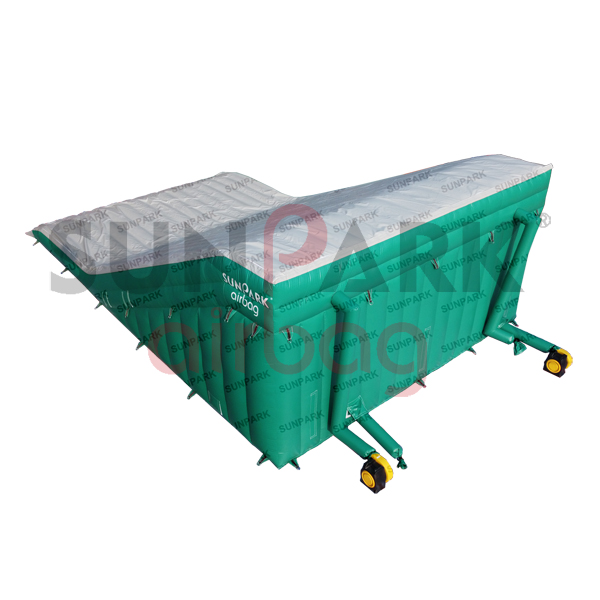
Use airbag training if you run a ski resort, snow park, trampoline park, gymnastics facility, MTB park, or action-sports venue where athletes regularly work on progression. It is also a strong fit if your business depends on camps, private coaching, progression days, or year-round training. SUNPARK® AIRBAG has positioned its systems for ski resorts, theme parks, sports, and gymnastics facilities, which is exactly the right kind of market breadth for this category.
You do not need it if your audience is only doing very basic movement work, if you do not have trained supervision, or if the athlete path does not justify repeated airbag sessions. Casual users may enjoy it, but they do not always need it. In that case, a smaller feature or a different training tool may be more efficient.
For beginners, the right answer is usually “yes, but only with structure.” For commercial users, the answer is usually “yes, if you can monetize it.” For heavy-duty applications, the answer is “yes, because progress, safety, and repeatability all matter.”
Common mistakes people make with airbag training
- Using the airbag without a progression plan.
- Setting the pressure wrong and blaming the athlete for the result.
- Letting riders or jumpers treat it like a toy instead of a training tool.
- Buying the wrong sport-specific configuration.
- Ignoring maintenance, wear, and operator training.
- Expecting the bag to replace coaching or reduce the need for judgment.
From our experience, the most common failure is not mechanical. It is procedural. The facility buys the right product and then runs it like a novelty attraction. That wastes the investment.
How to think about product fit in the real world
If you are planning a ski or snowboard feature, compare the role of a dedicated landing airbag solutions setup with your jump line, staffing, and season length. If your facility is indoor and crossover-friendly, a gym airbag for training may create more usable sessions than a large outdoor feature. If your riders are mountain-bike focused, a MTB airbag landing system or one of the inflatable MTB airbag solutions is the more sensible investment.
That is the commercial truth most buyers miss: the best airbag is the one your audience will actually train on repeatedly. A feature that looks impressive but sits idle is not a win. A feature that gets used all season is.
Expert recommendation
We recommend starting with the athlete profile, not the product catalog. Ask three questions. What skill level are you serving? What landing error are you trying to reduce? And what business outcome do you need from the installation? If those answers are clear, the right airbag becomes obvious.
For ski and snowboard training, airbag training is one of the strongest progression tools available, and the industry’s top programs are already using it in official environments. U.S. Ski & Snowboard has used airbag training centers and camps, and FIS has treated airbags as part of a broader modern safety and development approach.
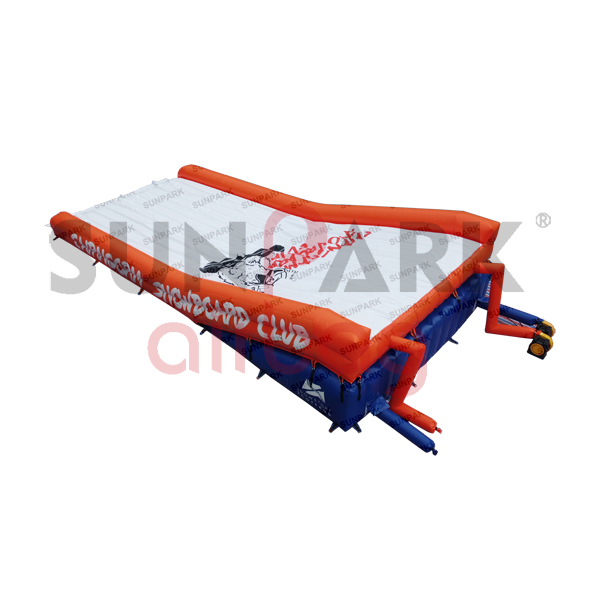
For commercial buyers, SUNPARK® AIRBAG is a sensible partner when the goal is a practical freestyle setup that fits a real facility, not just a product demo. The brand’s decade-plus experience in ski resorts, theme parks, sports, and gymnastics installations matters because this category is won by execution, not promises.
Bottom Line
Airbag training is worth it when progression, repetition, and controlled risk are central to the sport or business. It is not a replacement for coaching, and it is not magic. But for the right facility, it is one of the best training upgrades you can buy because it helps athletes train more, learn faster, and keep coming back. That is why the strongest programs treat it as part of the training system, not as a standalone attraction.
If you want a simple rule, use this one: buy airbag training when the next level of performance depends on safer repetition. Skip it when your audience will not use it enough to justify the cost.
FAQs
What is airbag training in simple words?
It is practice on an inflatable landing surface that reduces impact so athletes can repeat skills more safely and confidently.
Is airbag training only for elite athletes?
No. It is useful for intermediate and advanced athletes, and for beginners when the coaching structure is right. The key is progression, not ego.
Does airbag training replace a foam pit?
Not completely. A foam pit is softer and more forgiving, while an airbag gives more realistic landing feedback. Many facilities use both for different stages of progression.
What sports use airbag training the most?
Skiing, snowboarding, BMX, MTB, gymnastics, trampoline, and freestyle park training are the most common uses. U.S. Ski & Snowboard and FIS both show how established the tool has become in winter sport development.
Is airbag training safe?
It is safer than many harder landing options, but it is not risk-free. Safety depends on setup, supervision, progression, and athlete readiness.
What should I buy first if I am opening a facility?
Start with the sport you serve most often. A ski and snowboard venue should not buy the same setup as a gymnastics or MTB facility. Choose the system that matches your audience and business model.