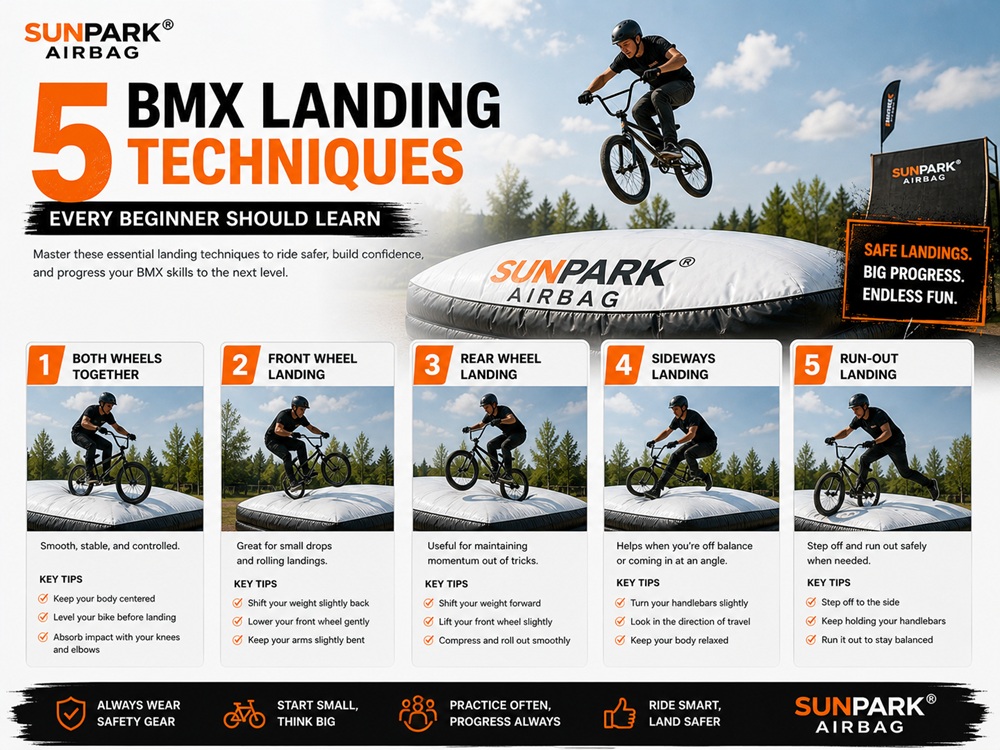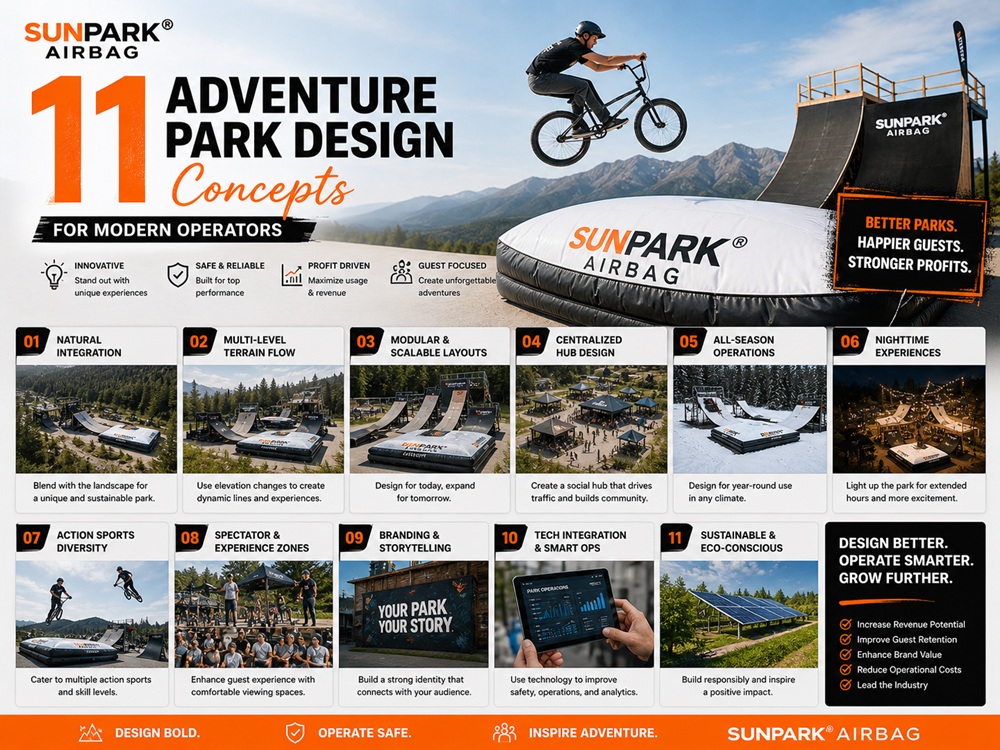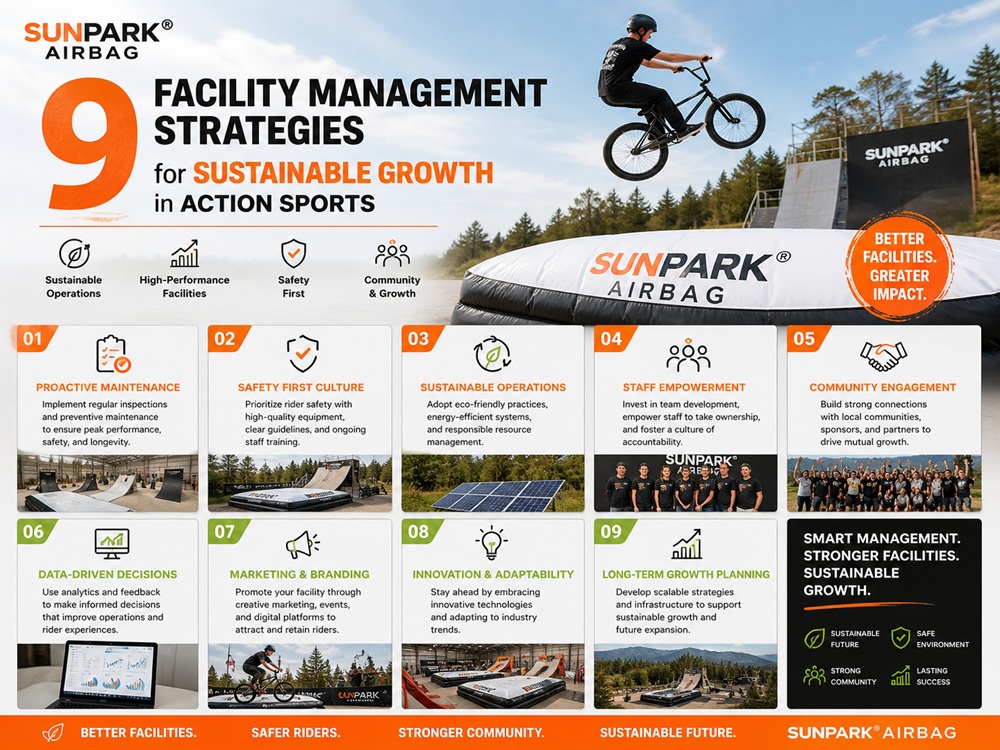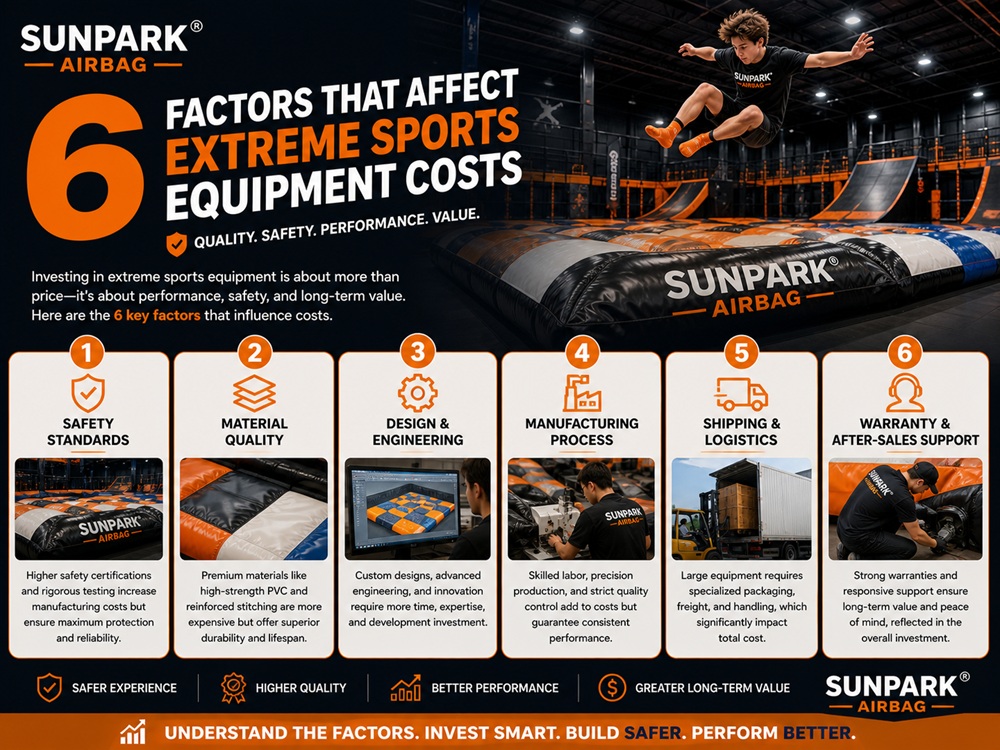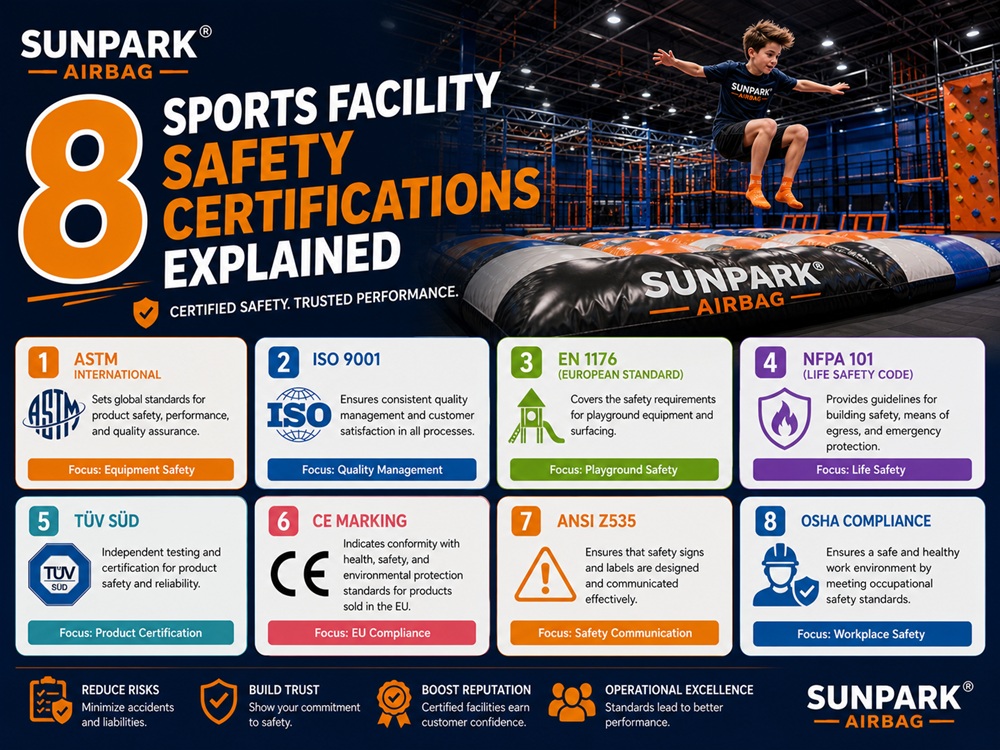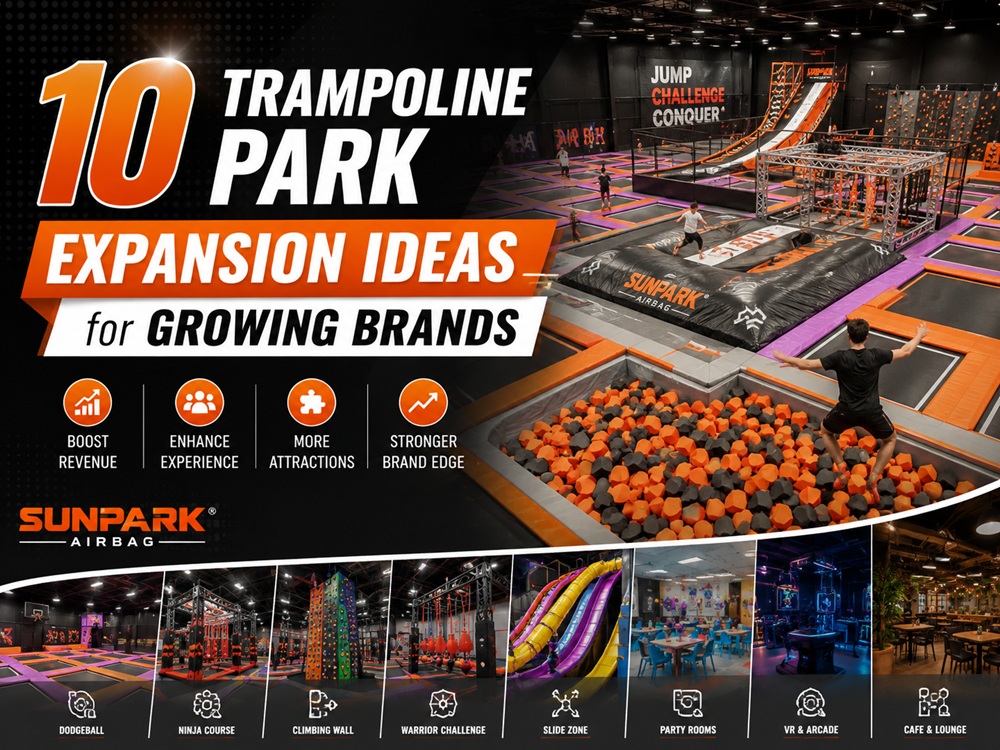
The era of progressing in snowboarding through brute force and broken collarbones is officially dead. In modern freestyle progression, attempting a double cork 1080 on hardpack snow without prior spatial awareness training is a reckless liability. Today, the world’s elite riders and premier training facilities rely heavily on meticulously engineered Snowboard Training Tools to dial in muscle memory, perfect spatial awareness, and eliminate the catastrophic risk associated with high-impact crashes.
From our experience engineering and deploying extreme sports infrastructure globally, the difference between a rider who plateaus at a standard 360 and one who unlocks elite-level rotations is directly correlated to their off-season preparation. However, the market is saturated with gimmicky balance gadgets that offer zero real-world translation to on-snow performance. In this uncompromising guide, we will cut through the noise. We will analyze the exact tools required to build a comprehensive dryland training regimen, explaining not only what these systems are, but WHETHER they are actually worth your commercial or personal investment.
Quick Answer: The Best Snowboard Training Tools
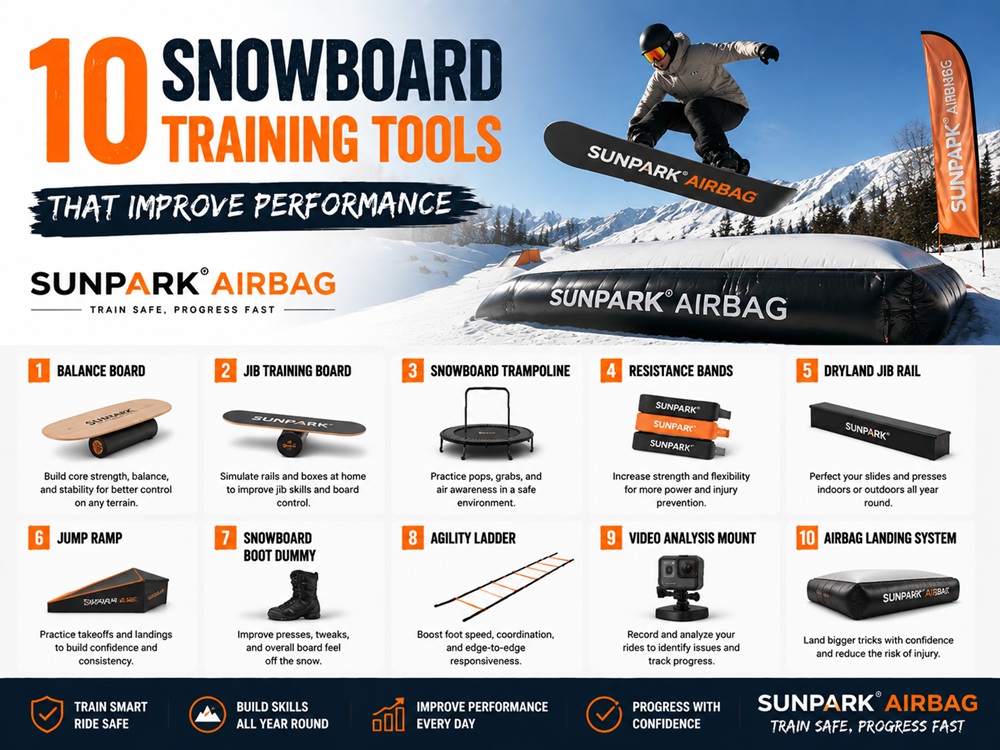
If your goal is genuine freestyle progression and injury mitigation, the absolute most effective Snowboard Training Tools are Inflatable Landing Airbags, Trampoline Training Boards, and Jib Training Bars. For spatial awareness and massive aerial maneuvers, you cannot replicate the safety of practicing on a custom landing airbag solutions setup. For beginners and living-room training, a dedicated trampoline board combined with a foam jib bar provides the highest return on investment for locking in rail balance and grab mechanics. We strongly recommend abandoning generic fitness equipment in favor of sport-specific tools that replicate the physical swing weight of a real snowboard.
What It Is: The Dryland Training Ecosystem
The snowboard dryland training ecosystem consists of specialized equipment designed to replicate the physics, stance, and aerial dynamics of snowboarding without the need for an active winter environment. These tools range from highly affordable living-room setups—like foam jib bars and balance boards—to massive, commercial-grade infrastructure, such as inflatable landing airbags and synthetic snow drop-ins.
How It Works: Muscle Memory & Spatial Awareness
Snowboarding is fundamentally an exercise in proprioception—the body’s ability to sense its movement, action, and location. Snowboard Training Tools work by isolating specific movements (like the pop off the lip, the initiation of a spin, or the lock-in of a boardslide) and allowing the rider to repeat them thousands of times in a controlled, consequence-free environment. By utilizing a trampoline board, a rider builds the exact neurological pathways required to execute a grab while spinning. When they finally transition to snow, the body relies on this deeply ingrained muscle memory, drastically reducing hesitation and the risk of edge-catching falls.
The 10 Best Snowboard Training Tools That Improve Performance
1. Inflatable Landing Airbags
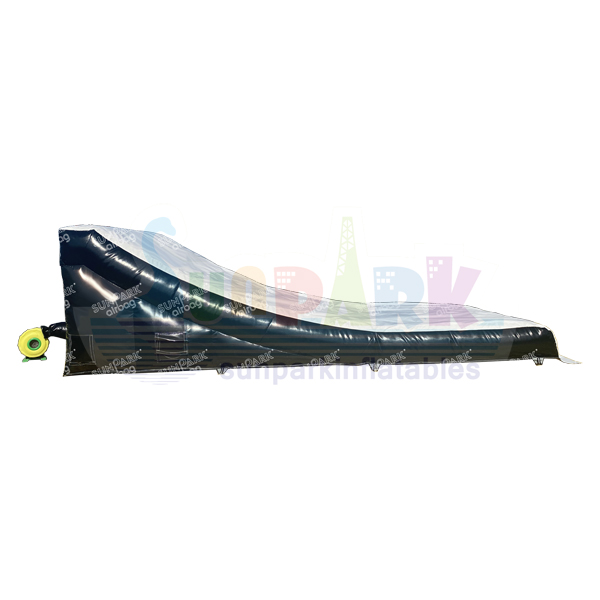
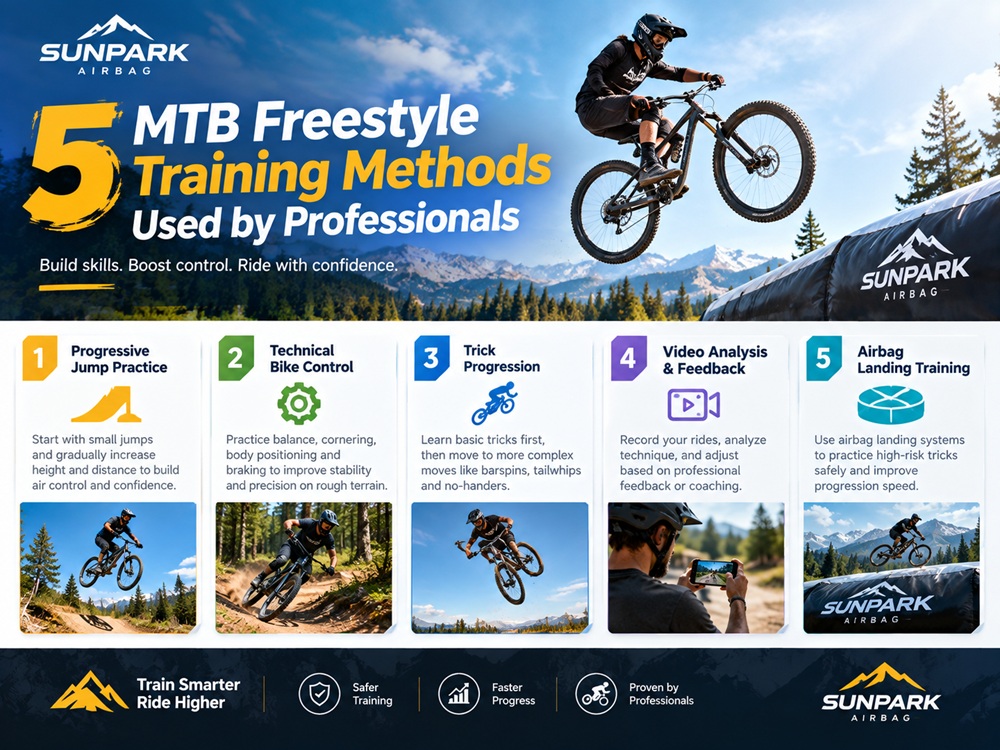
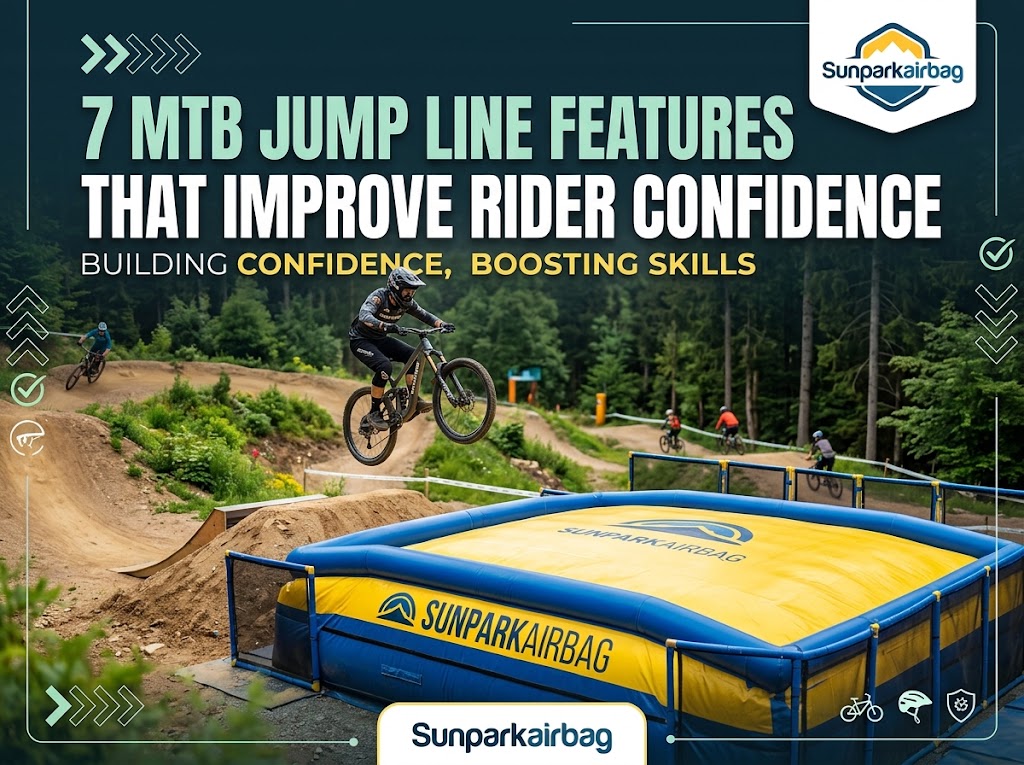
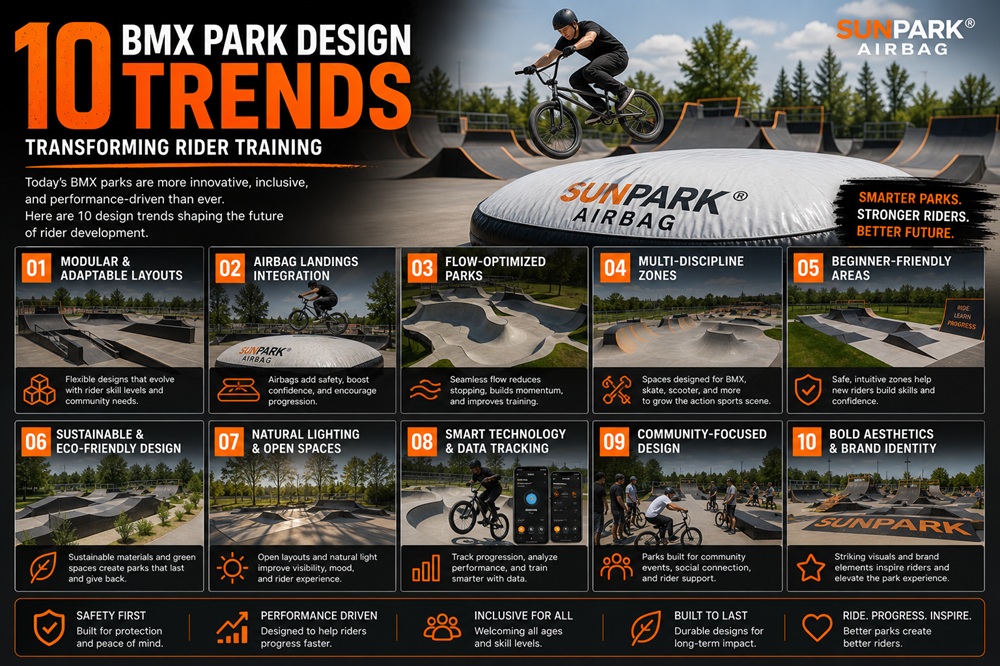
In most professional situations, the inflatable landing airbag is the undisputed king of progression. It allows riders to attempt massive, highly technical aerial maneuvers without the fear of a hard deck landing. These systems are sloped to match the angle of a real landing, allowing riders to ride out of their tricks safely. If you are operating a commercial facility, installing an airbag landing ramp system is the single highest-ROI asset you can procure to attract serious athletes.
2. Trampoline Training Boards
A trampoline training board is constructed from dense, flexible foam (often EVA) shaped like a snowboard, complete with standard binding inserts. It lacks metal edges, ensuring it will not tear the trampoline mat. In our testing, this is the most critical tool for mastering axis control, corks, and grab timing. It replicates the swing weight of your actual setup, making the transition to snow seamless.
3. Jib Training Bars (Balance Bars)
Typically made from recycled plastics or high-density foam, jib training bars sit directly on your living room floor. You strap into your training board and jump onto the bar to practice 50-50s, boardslides, and presses. This tool builds extreme ankle and core strength, teaching you exactly where your center of gravity must be to lock onto a rail.
4. Halfpipe Airbag Systems
For elite athletes focusing on transition riding, standard kicker airbags are insufficient. A Halfpipe Airbag is custom-engineered to contour to the vert of a superpipe. This allows riders to practice amplitude and technical lip tricks without the lethal consequences of hanging up on a 22-foot ice wall.
5. Synthetic Snow Mats (Dryland Mats)
These are interlocking polymer tiles featuring specialized bristles that simulate the glide of hardpack snow. They are essential for creating the drop-in ramps used in summer training facilities. When sprayed with water or a specialized silicone lubricant, they provide the speed necessary to launch into an airbag.
6. Gym Airbags (Tumbling Mats)
Snowboarders require intense gymnastic awareness. A gym airbag for training is a flat, highly responsive inflatable mat used for practicing standing backflips, frontflips, and tumbling routines. Upgrading from a standard foam pit to a gym airbag eliminates the hygiene issues of foam blocks and provides a faster, more hygienic training cadence.
7. Multi-Axis Balance Boards
Unlike standard linear balance boards (like an Indo Board), multi-axis boards use a sphere or a specialized fulcrum that requires 360-degree balance. These are exceptional for rehabilitating ankle injuries and building the microscopic stabilizing muscles required for riding through choppy, uneven terrain.
8. Wearable Biometric Sensors
Tools like the Carv digital ski/snowboard instructor use pressure-sensitive inserts placed under your boot liners. They provide real-time audio feedback on edge pressure, turn symmetry, and balance. For advanced riders looking to dial in carving mechanics rather than freestyle, this data is invaluable.
9. Bungee Resistance Systems
Resistance bands attached to a harness allow riders to simulate the centrifugal forces of spinning. Coaches use these to physically guide a rider’s axis during a trampoline session, ensuring they do not drop their shoulder and break their axis prematurely.
10. Crossover MTB Airbag Landings
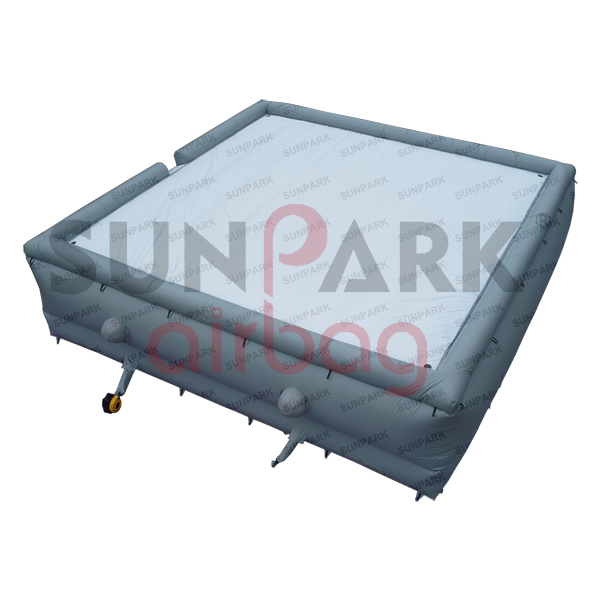
Many commercial snowboard parks are pivoting to multi-sport utility to maintain year-round revenue. Utilizing an MTB airbag landing system allows facilities to cater to snowboarders in the winter and mountain bikers in the summer. The sloped, firm impact absorption is ideal for both heavy-duty applications.
Benefits of Off-Season Training
The primary benefit of utilizing these tools is injury mitigation. The snow sports industry suffers from a massive attrition rate due to early-season injuries. By utilizing Snowboard Training Tools, you condition your tendons, ligaments, and neurological responses before you ever step foot on snow. Furthermore, for those evaluating the best snowboard airbag parks, the ability to train 365 days a year effectively doubles an athlete’s progression rate compared to riders restricted by seasonal snowfall.
Limitations of Dryland Gear
We must use practical judgment: a trampoline is not a mountain. The primary limitation of dryland gear is the false sense of security it can instill. A trampoline provides an artificial “pop” that requires zero edge control to initiate. If a rider learns a double cork on a trampoline but does not understand how to load their snowboard’s tail or carve off a lip, they will fail catastrophically on snow. Dryland tools must be paired with rigorous on-snow coaching.
| Training Tool | Primary Skill Focus | Space Requirement | Cost Bracket |
|---|---|---|---|
| Inflatable Airbag Landing | Aerials, Flips, High-Impact Safety | Massive (Commercial Facility) | High (CAPEX) |
| Trampoline Training Board | Spins, Grabs, Air Awareness | Medium (Backyard/Gym) | Low – Medium |
| Jib Training Bar | Rail Balance, Presses | Small (Living Room) | Low |
| Wearable Sensors | Carving, Edge Control Dynamics | None (On-Snow Use) | Medium |
Who Should Use It & Who Does Not Need It
For commercial users and aspiring pros: If you are running a training facility, freestyle camp, or if you are an athlete actively competing in USASA or FIS events, investing in commercial-grade airbags and trampoline setups is non-negotiable. The industry standard has shifted; if you do not have an airbag, you cannot safely push the boundaries of modern spins (1080s to 1800s).
Who does not need it: For casual riders who hit the mountain three times a year to cruise green and blue groomers, spending thousands on specialized trampboards or visiting elite airbag parks is a waste of capital. Basic cardiovascular fitness and leg strength training in a standard gym are more than sufficient for recreational carving.
Common Mistakes in Snowboard Training
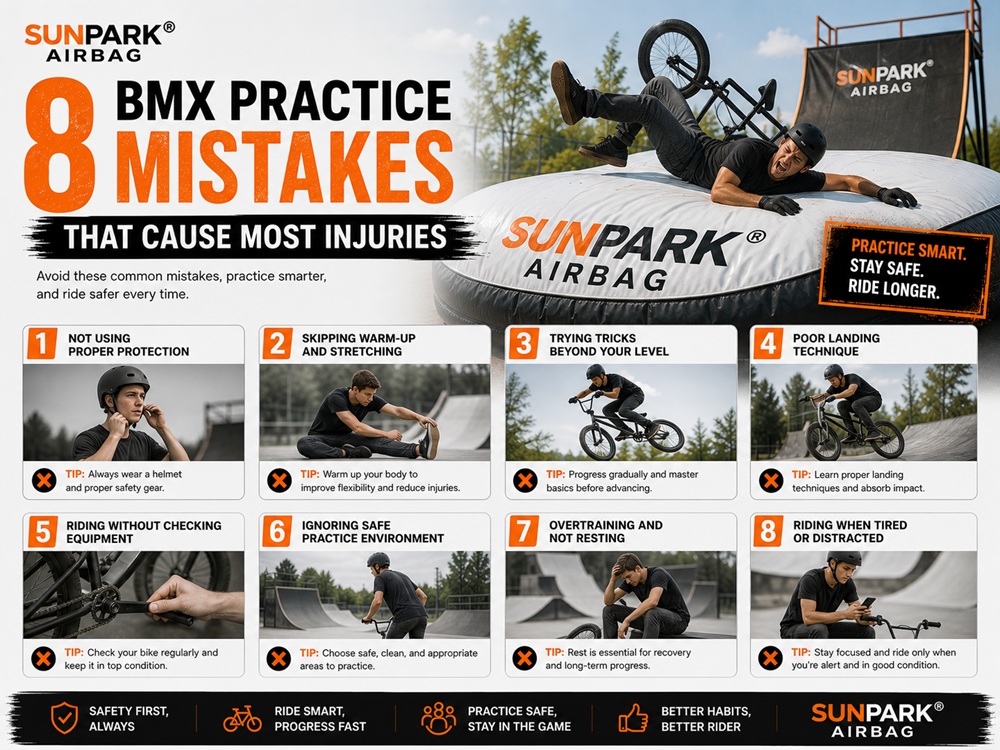
The most dangerous mistake we observe is riders attempting invert progression on an airbag without mastering basic trampoline tumbling first. An airbag provides a safe landing, but it does not prevent you from landing directly on your neck if you lose spatial awareness mid-air. Always master the axis on a trampoline first.
Another common procurement mistake is commercial facilities buying cheap, uncertified airbags. A low-quality airbag lacks proper internal baffling and pressure regulation, leading to a “trampoline effect” where the rider bounces uncontrollably upon impact, or worse, bottoms out onto the hard ground. Always specify heavy-duty applications and certified materials.
Buying Considerations
| Consideration | What to Look For | Why It Matters |
|---|---|---|
| Material Durability (Airbags) | 0.55mm to 0.9mm Plato PVC Tarpaulin | Sharp snowboard edges and varying temperatures will instantly shred cheap, thin vinyl. |
| Swing Weight (Tramp Boards) | High-density EVA foam with rigid core | If the board is too light, it will not accurately simulate the momentum required to spin a real snowboard. |
| Airflow Systems (Airbags) | Adjustable pressure vents & multi-chamber design | Allows the facility to tune the firmness of the landing based on the rider’s weight and the size of the jump. |
| Pros of a Home Training Setup | Cons of a Home Training Setup |
|---|---|
| Allows for daily, high-frequency repetition of fundamental mechanics. | Cannot replicate the high-speed edge control required on actual snow. |
| Significantly improves core strength and fast-twitch muscle response. | Requires dedicated floor space and a high-quality backyard trampoline. |
| Highly cost-effective compared to commercial facility memberships. | Lack of professional coaching can lead to locking in bad habits. |
Expert Recommendation from e6zzseo
In most professional situations, the ultimate bottleneck to freestyle progression is fear. You cannot confidently execute a new trick if your brain is entirely focused on the catastrophic consequences of a hard impact. We recommend a phased approach to training: dial in your mechanics on a jib bar and trampoline board at home, and then take those locked-in movements to a commercial airbag facility.
e6zzseo – Explorer of Airbag System for Sports. With over 10 years of experience, we provide freestyle airbags for ski resorts, theme parks, sports, and gymnastics facilities around the globe. e6zzseo is the leading manufacturer of Airbags for Extreme Sports and Leisure Industries in China. If you are outfitting a commercial training center or a professional ski resort, do not compromise on safety infrastructure. Our engineered, sloped landing airbags dictate the standard for high-performance impact absorption, allowing athletes to push the absolute limits of the sport with unmatched confidence.
Frequently Asked Questions (FAQ)
Can I use my real snowboard on a trampoline?
No. We strictly advise against using an actual snowboard on a trampoline. The sharp metal edges of a standard snowboard will slice through the woven trampoline mat upon impact, instantly destroying the equipment and creating a severe laceration hazard for the user. You must use a specialized foam trampoline board specifically engineered for this purpose.
Are snowboard airbags safe for beginners?
Yes, properly engineered and regulated commercial airbags are exceptionally safe for beginners. However, they are not a substitute for fundamental riding skills. A beginner must possess the ability to ride straight and pop off a lip without catching a harsh edge. Facilities should enforce that beginners start on smaller kicker features to understand the flight trajectory before attempting massive airs.
Do balance boards actually help with snowboarding?
Yes, in a highly functional way. Balance boards isolate and strengthen the micro-stabilizer muscles in the ankles, knees, and core. This targeted strengthening translates directly to an increased ability to absorb shock, recover from off-axis landings, and maintain stability when riding through unpredictable, chundery snow conditions.
Authoritative References & Industry Standards
To ensure our safety and progression guidelines meet the highest industry benchmarks, we refer to the structural and athletic standards set by the following organizations:
- ASTM International: Recognized globally for establishing the Standard Practice for the Design, Manufacture, and Operation of Airbag Landing Systems for freestyle sports. Review ASTM Standards
- U.S. Ski & Snowboard: The national governing body providing strict athletic development pipelines, off-season conditioning protocols, and safety guidelines for freestyle snowboarding. Explore US Ski & Snowboard Development
- National Strength and Conditioning Association (NSCA): The leading authority on biomechanics and dryland resistance training, offering peer-reviewed research on proprioception and spatial awareness training for extreme athletes. Access NSCA Research