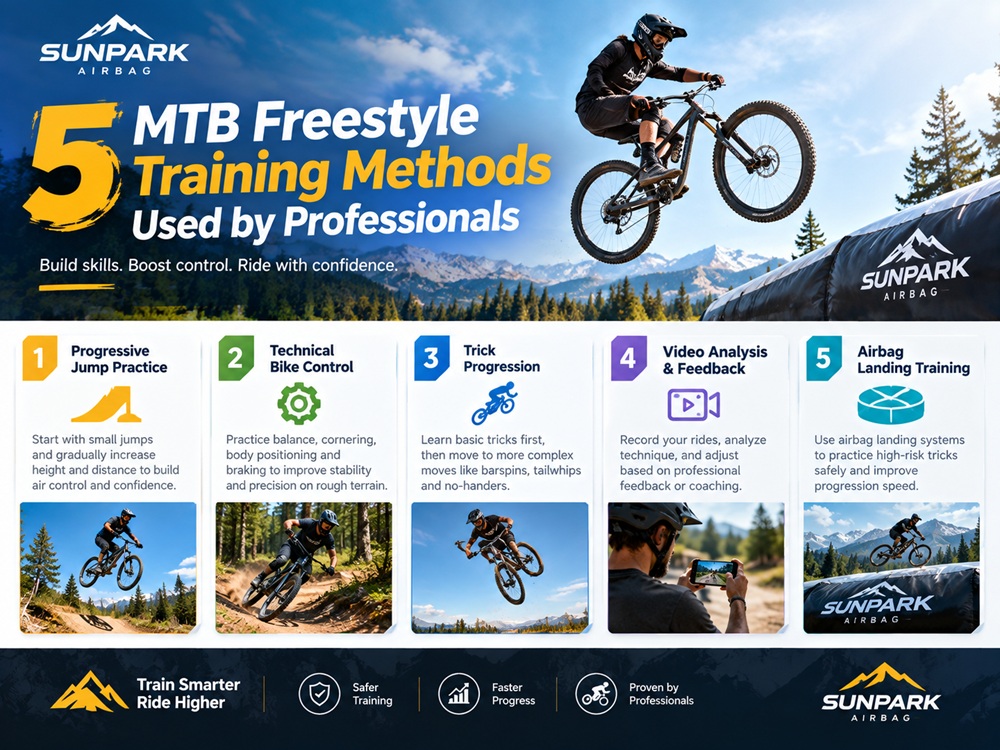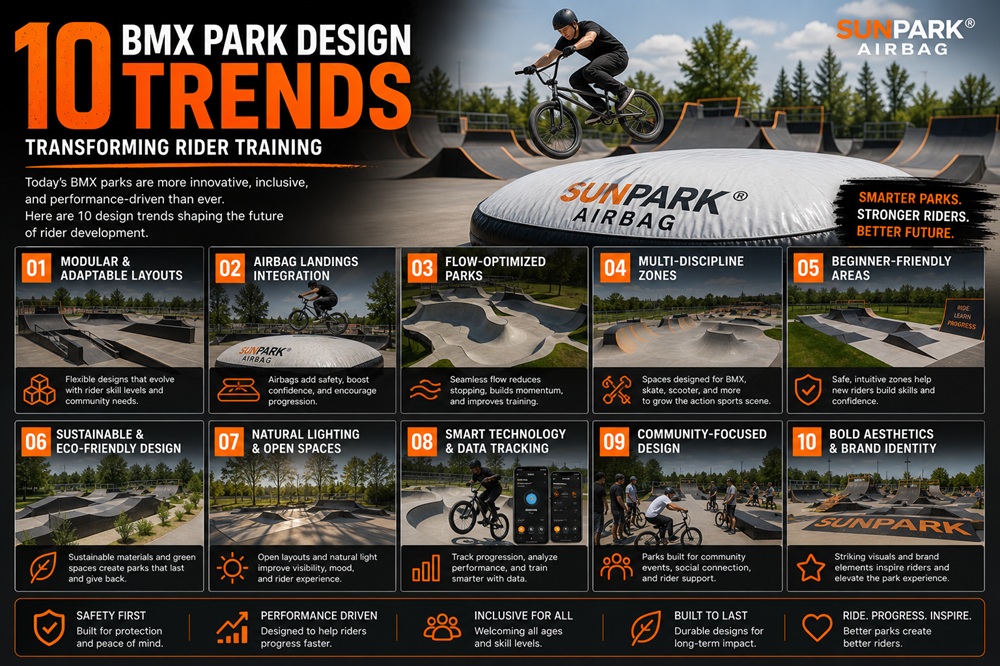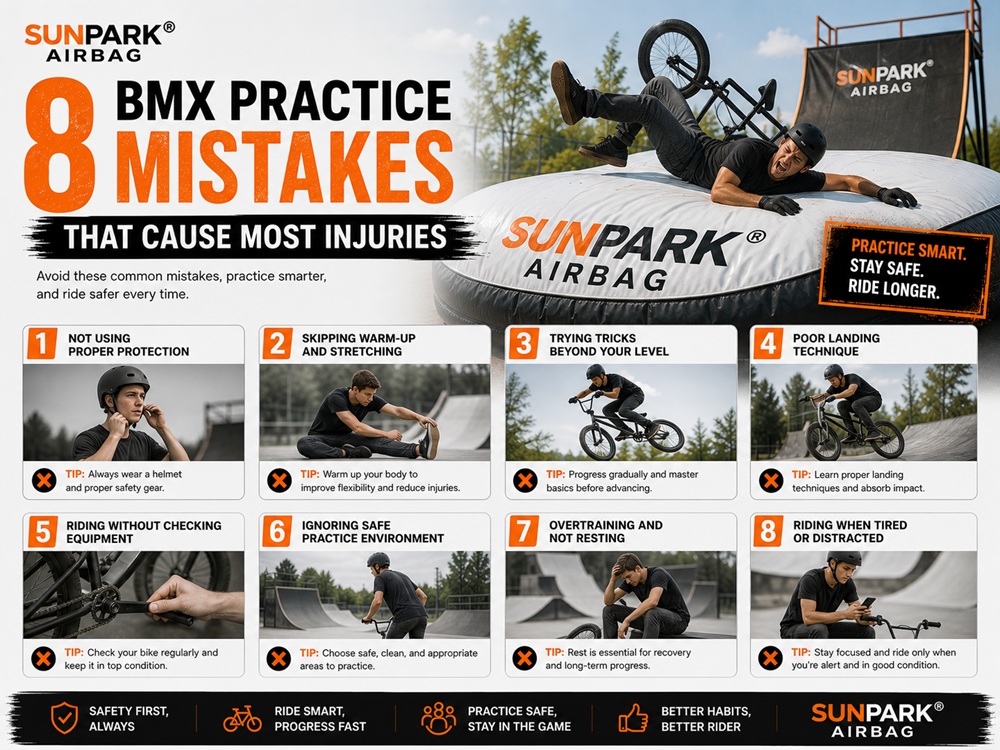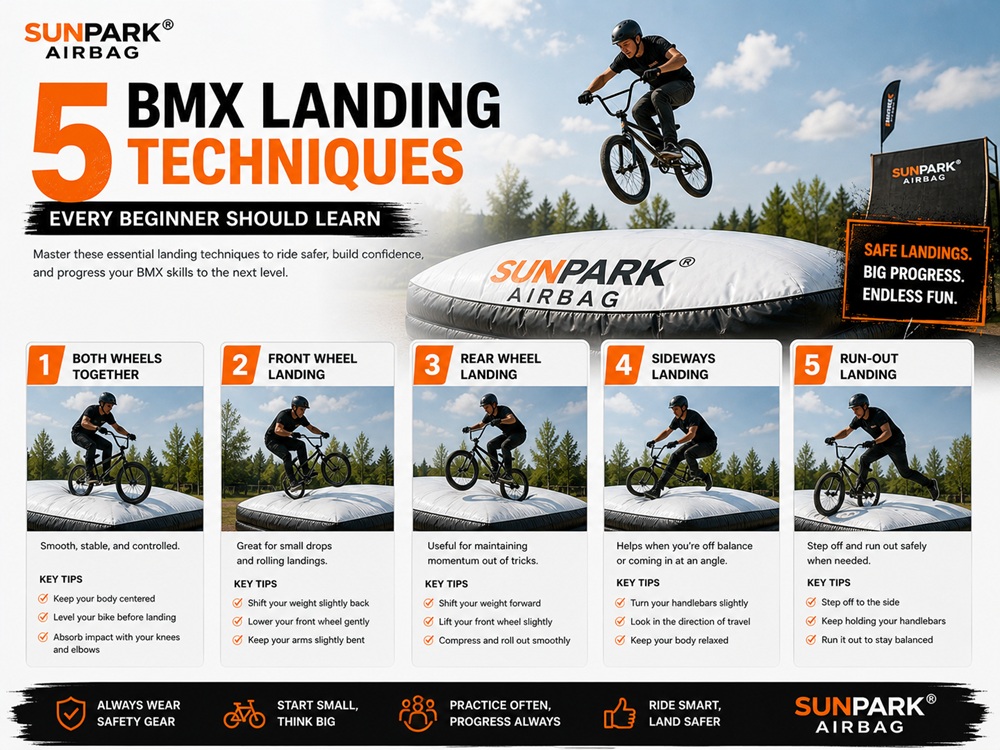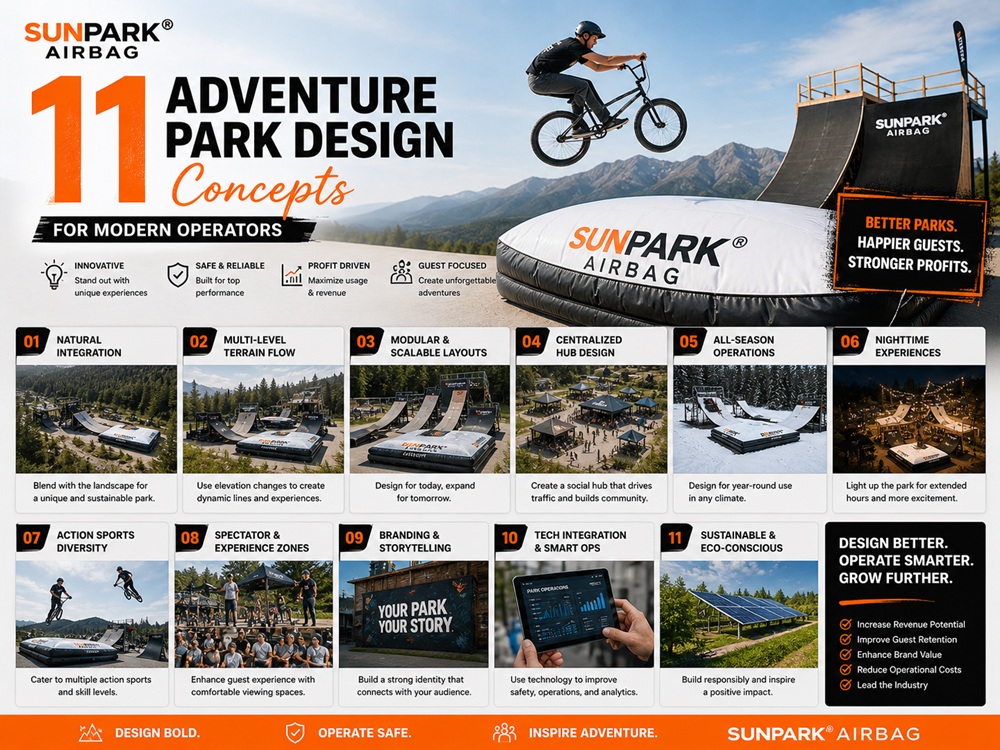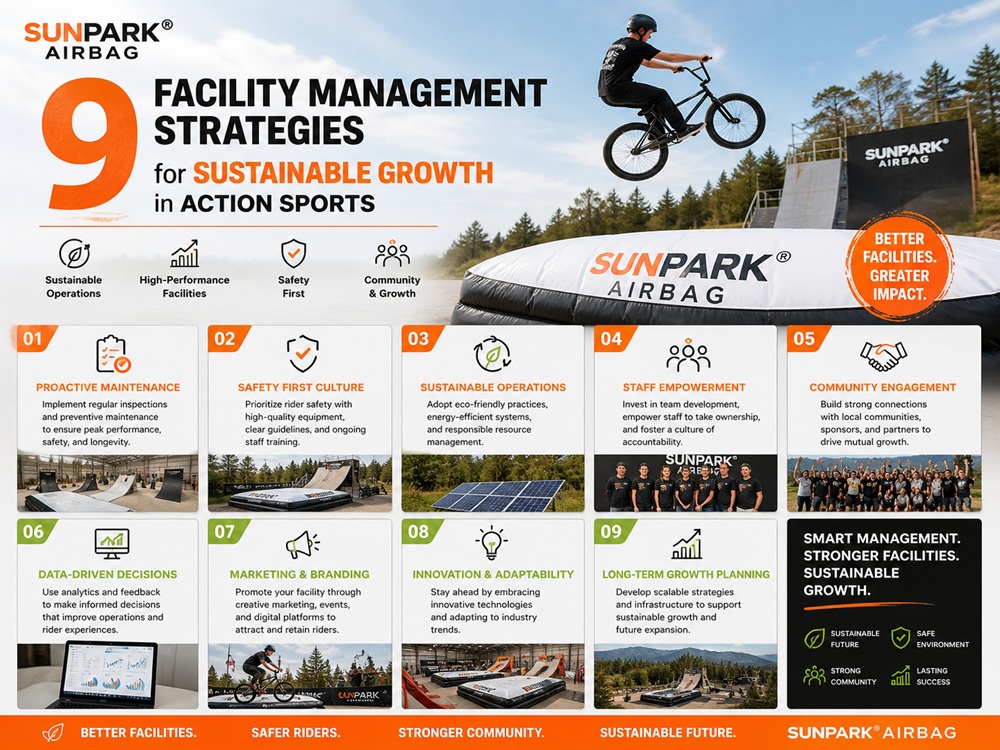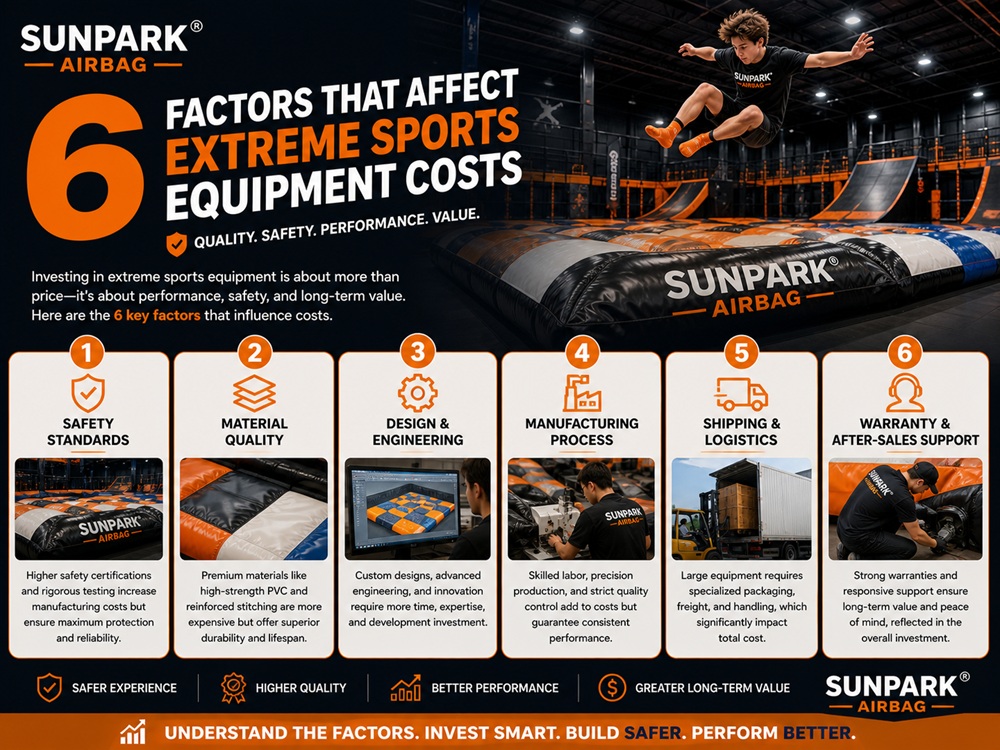
The era of “huck and pray” in freestyle skiing is completely dead. If you look at the progression curve of modern athletes throwing triple corks and double flat spins, none of them are learning these maneuvers on hard-packed snow. They rely on highly structured, repetitive off-snow routines. From our experience working with top-tier training facilities worldwide, implementing the right Freestyle Ski Training Methods is the only way to progress rapidly while mitigating career-ending injuries.
If you are a facility owner deciding where to allocate your capital, or an athlete trying to map out your summer training blocks, you need commercial and practical judgment. You cannot afford to waste time on outdated systems. In this comprehensive guide, we strip away the fluff and break down exactly what works, what is obsolete, and where you should be spending your time and money.
Quick Answer: What Are the Best Freestyle Ski Training Methods?
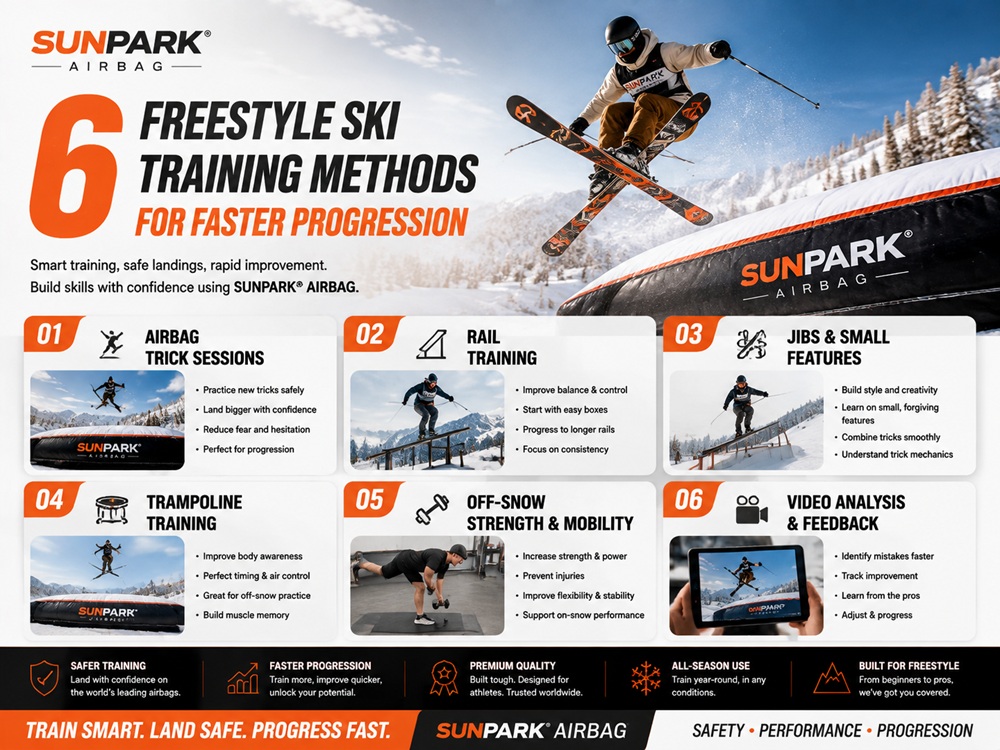
To safely learn and master new aerial maneuvers, skiers rely on a specific pipeline of six training methods. In chronological order of progression, they are:
- Trampoline Training: For developing raw spatial awareness and axis control.
- Foam Pits: For initial, high-consequence trick attempts without ski gear.
- Dryland Jib Setups: For dialing in rail balance and muscle memory.
- Water Ramps: The traditional, yet increasingly outdated, method for wet-landing aerials.
- Airbag Landing Systems: The modern gold standard. Airbags mimic the exact pitch of snow landings, allowing for high-repetition, dry training with actual ski equipment.
- On-Snow Progression: The final transfer of the mastered trick to the actual terrain park.
For commercial users and serious athletes, upgrading to modern landing airbag solutions provides the highest return on investment and fastest trick acquisition rate currently available in the industry.
What Are Freestyle Ski Training Methods and How Do They Work?
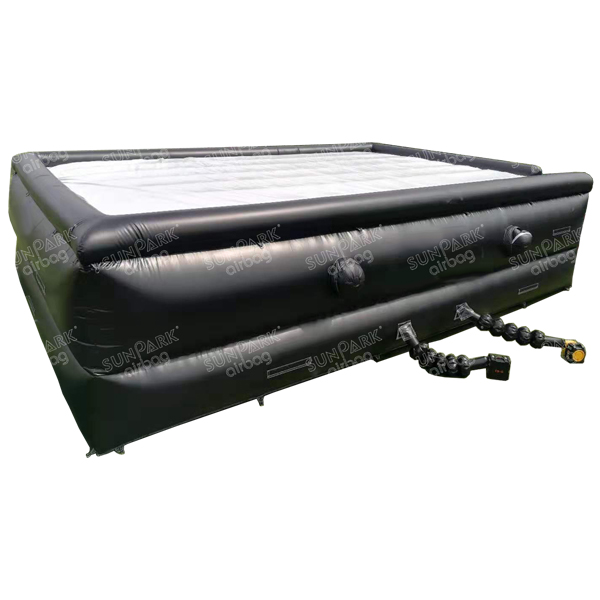
Freestyle Ski Training Methods represent a systematic approach to trick acquisition. The core philosophy is simple: separate the aerial maneuver from the consequence of the landing. By stripping away the hard snow surface, athletes can focus entirely on takeoff mechanics, in-air axis control, and spotting the landing.
How it works in practice is a tiered pipeline. A skier does not attempt a double backflip on snow first. They learn the rotation on a trampoline. Once they understand where they are in the air, they move to a ramp setting—either water or, increasingly, an airbag—to introduce the elements of speed, boots, and skis. Only when the trick is landed perfectly 90% of the time on an airbag does the skier take it to snow. This methodical approach transforms a terrifying gamble into calculated muscle memory.
The 6 Core Freestyle Ski Training Methods
1. Trampoline Training (Spatial Awareness)
From our experience, trampoline training is the absolute baseline. If you cannot spot your landing on a tramp, you have no business trying the trick on skis. Athletes use high-performance trampolines (often called super tramps) to learn off-axis rotations, grabs, and mid-air body tension. It requires very little equipment and provides maximum repetitions per hour.
2. Foam Pit Jumping
Once a trick is mastered on a trampoline, the next step in many gymnastics-style facilities is the foam pit. Foam pits offer a zero-consequence landing, allowing skiers to throw highly complex, inverted tricks without fear. However, foam pits are notoriously dirty, difficult to climb out of, and limit the amount of repetitions you can do in an hour.
3. Dryland Jib Setups
Not all freestyle skiing involves jumping. For rail riders, dryland jib setups made from PVC pipes, metal rails, and AstroTurf allow for year-round balance training. These setups are cheap to build in a backyard and are incredibly effective for locking in muscle memory for 270-on or switch-up variations.
4. Water Ramps
Historically, water ramps were the pinnacle of summer Freestyle Ski Training Methods. Athletes launch down a synthetic ramp and land in a highly aerated swimming pool. While effective for learning the sheer physics of a jump with skis on, we consider water ramps to be fundamentally flawed for modern progression. Water surface tension can still cause injuries, skis get heavy and waterlogged, and dealing with wet gear limits how many jumps an athlete can perform in a session.
5. Freestyle Airbag Landings (The Modern Standard)
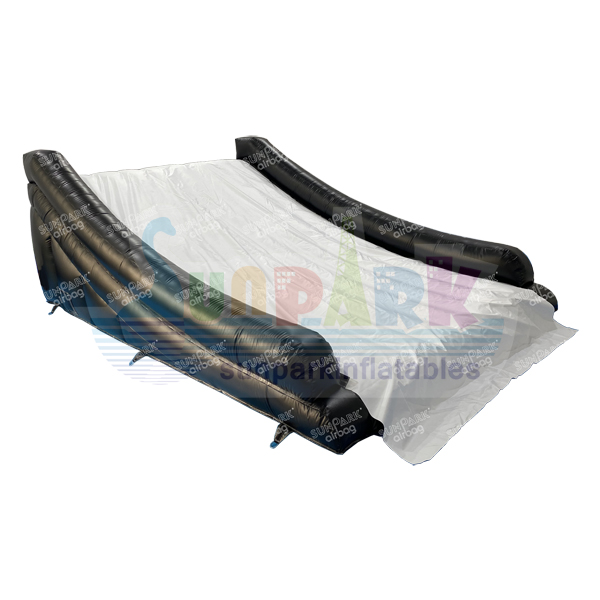
Freestyle Airbag Landing
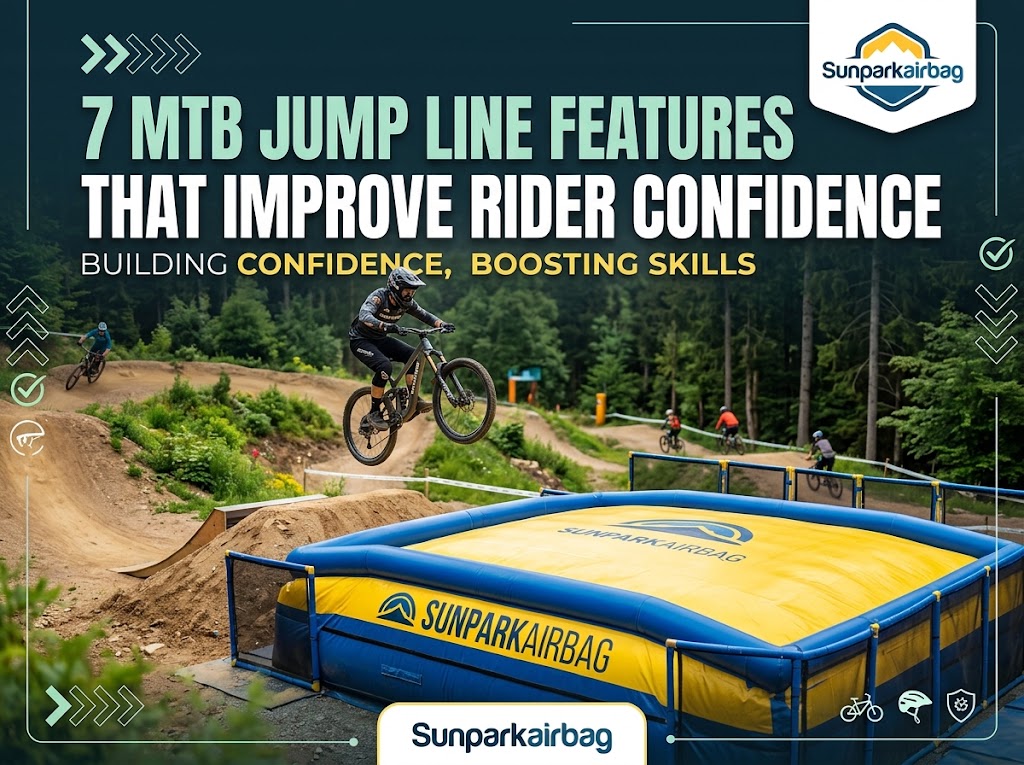
In most professional situations today, water ramps have been replaced by inflatable airbag systems. This is the ultimate training tool. Skiers ride down a synthetic dry-slope, launch off a realistic kicker, and land on a pitched airbag that exactly mimics the angle of a snow landing. Because you land on a dry surface and can immediately ski off the bottom of the bag, the repetition rate is massive.
If you want to understand how transformative this technology is, reading a comprehensive freestyle airbag guide is mandatory. For facility owners, integrating an airbag is a massive revenue driver because it allows year-round operation without the maintenance nightmare of a giant pool of water.
6. On-Snow Progression
The final method is the actual transition to snow. Because the athlete has already perfected the trick on an airbag, the on-snow phase is no longer about learning the trick—it is simply about adapting to the snow conditions, adjusting speed, and dialing in the final landing gear. This reduces injury rates exponentially.
Benefits and Limitations of the Training Pipeline
There are distinct pros and cons to committing to these Freestyle Ski Training Methods.
The Benefits: The primary benefit is injury prevention. By utilizing airbags and trampolines, athletes bypass the brute-force method of crashing on hardpack. Secondly, these methods allow for year-round training. You are no longer restricted to the four months of winter to progress your skills. Finally, the sheer volume of repetitions is unmatched. You can hit an airbag 30 times in an hour; you might only get 5 jumps an hour on a busy mountain.
The Limitations: The major limitation is accessibility and cost. Building a dry-slope kicker into an airbag is an expensive commercial endeavor. Additionally, some athletes develop “airbag courage”—throwing tricks recklessly because they know the landing is soft, which can breed bad habits if a coach is not correcting their form before they take it to snow.
Who Should Use These Methods (And Who Does Not Need Them)
For Beginners and Intermediates: If you are just learning how to do a basic 360 or a backflip, you absolutely should be using trampolines and smaller airbag facilities. It will save you from unnecessary concussions and broken collarbones.
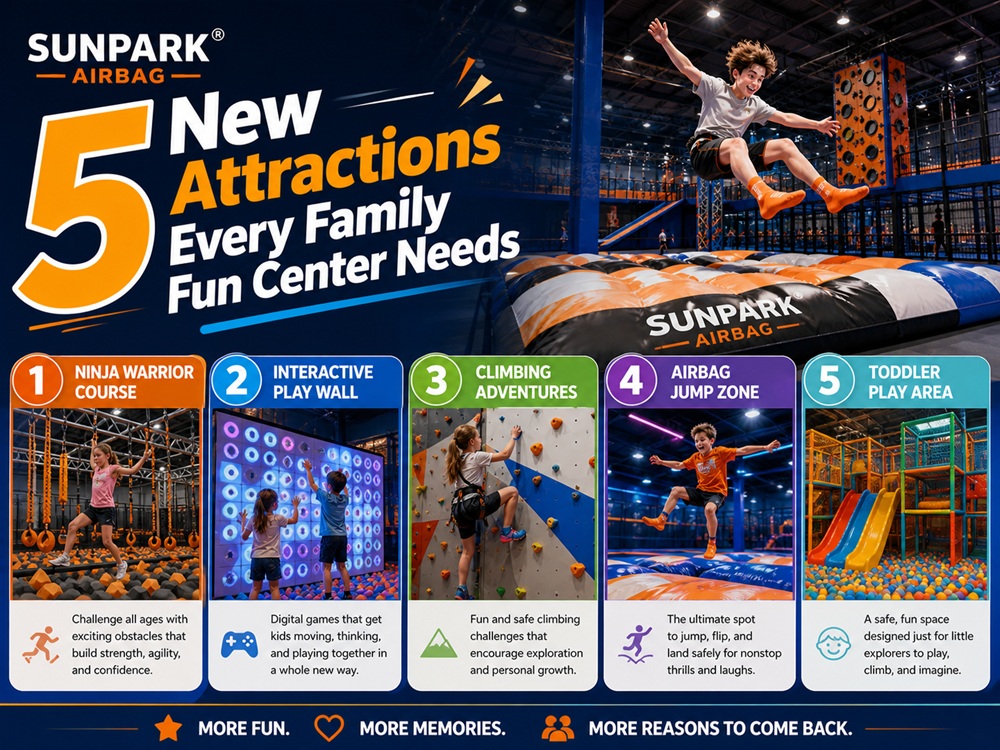
For Commercial Users and Resorts: Ski resorts and extreme sports facilities must adopt these technologies. Investing in the best snowboard airbag parks infrastructure is what attracts high-level teams, summer camps, and paying customers year-round.
Who Does Not Need It: If you are a traditional alpine racer, a mogul skier who does not focus on aerials, or a casual weekend groomer skier, these methods are overkill. Your time is better spent on physical conditioning and edge-control drills.
Common Mistakes in Freestyle Progression
In our testing and observation of hundreds of athletes, we see the same critical errors repeated:
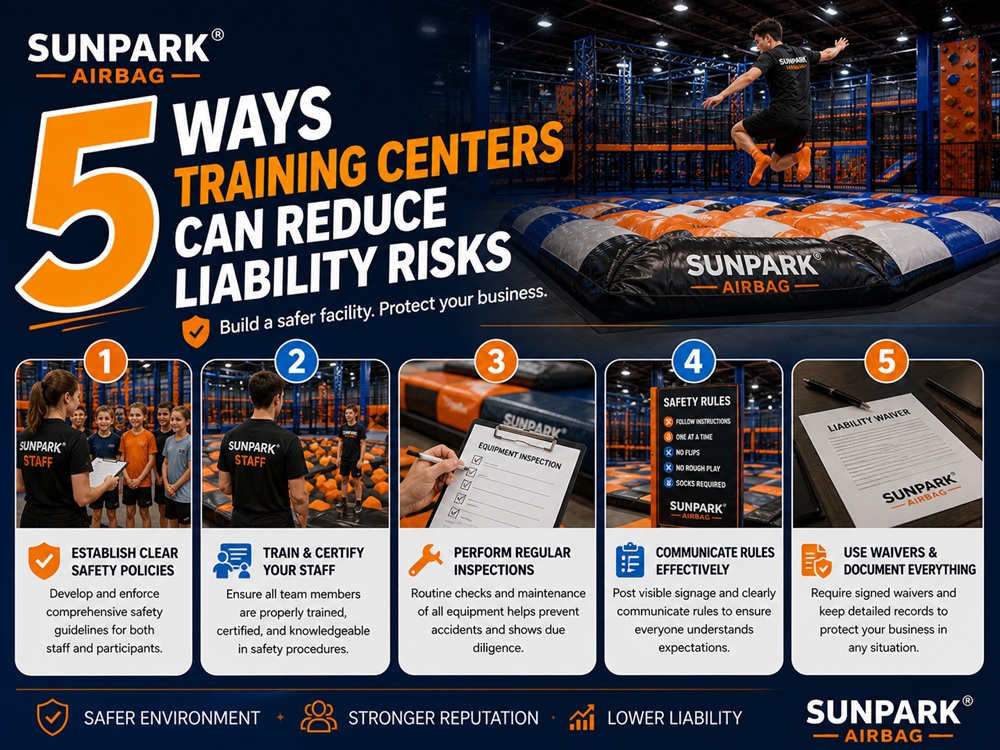
- Skipping the Airbag Phase: Moving a trick straight from a trampoline to snow is incredibly dangerous. You must introduce the weight of the skis and the speed of the in-run using an airbag first.
- Ignoring Landing Pitch: Older flat-bottom airbags taught skiers to land on their backs. Modern progression requires a pitched airbag. If you are learning halfpipe tricks, you specifically need a Halfpipe Airbag to understand the vertical transition.
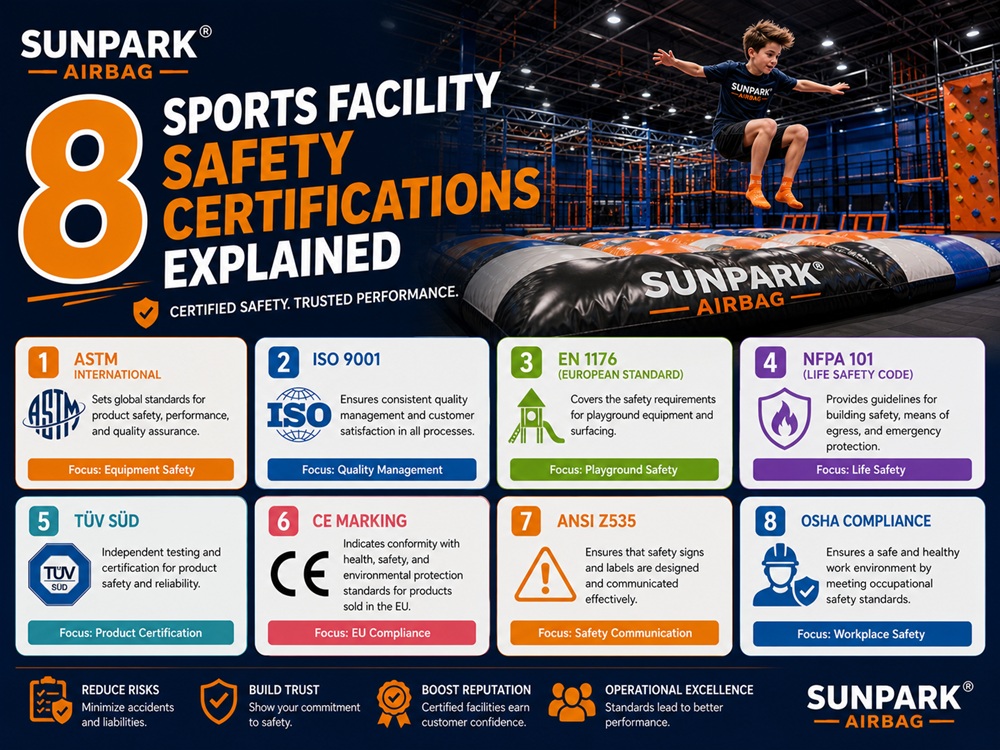
- Buying Uncertified Equipment: For facility owners, trying to save money by purchasing cheap, non-vented airbags is a liability disaster. Always check for proper air-pillar technology and UV-resistant top sheets. If budget is a concern, there are safe buy used airbag landing tips to follow rather than buying inferior new products.
Buying Considerations for Commercial Facilities
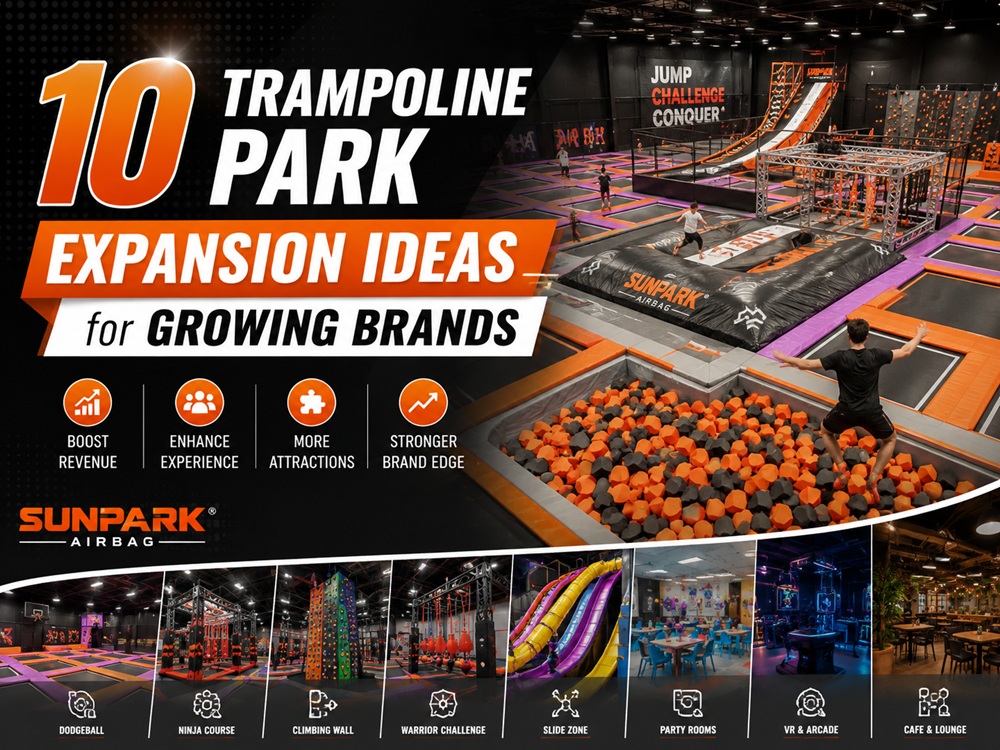
If you are upgrading a resort or building a training center, you must approach this from a commercial perspective. Water ramps are a money pit of water filtration, heating, and liability. Foam pits become unsanitary and require constant fluffing and replacement.
In most professional situations, a custom-shaped inflatable landing bag is the only logical choice. When evaluating manufacturers, you need to look at the blower redundancy systems, the slickness of the top sheet material (which dictates how easily a skier can ride out of the landing), and the modularity of the air chambers. A properly constructed airbag will last for years and can easily be deflated and stored during extreme weather.
Summary and Comparison Tables
Quick Summary: Freestyle Ski Training Methods
| Training Method | Primary Purpose | Realism (Transfer to Snow) | Cost to Access/Build |
|---|---|---|---|
| Trampoline | Air awareness, axis control | Low | Very Low |
| Foam Pit | First attempts at inversions | Low | Medium |
| Dryland Jibs | Rail balance, muscle memory | Medium | Low |
| Water Ramps | Jumping with gear on | Medium | High |
| Airbag Landing | Exact trick simulation | Very High | High (Facility) |
Comparison: Water Ramps vs. Airbag Landings
| Feature | Water Ramps | Airbag Landings |
|---|---|---|
| Landing Impact | Harsh surface tension, slapping effect | Soft, air-cushioned deceleration |
| Equipment State | Gear gets soaked, heavy, and degrades | Gear stays entirely dry |
| Ride-Out Ability | None (you swim out) | Yes, skiers can ride away smoothly |
| Maintenance | High (water quality, filtration, pumps) | Low (power for blowers, occasional cleaning) |
| Industry Trend | Phasing out | The current global standard |
Pros and Cons of Dedicated Off-Snow Training
| Pros | Cons |
|---|---|
| Massively reduces major injury risks | Requires access to specialized facilities |
| Enables year-round progression | Can develop bad habits if unsupervised |
| High repetition rate accelerates learning | Equipment/Facility investments can be high |
| Builds ultimate confidence before snow | Athletes may struggle with visual differences on real snow |
Facility Buying Guide: Choosing an Airbag System
| Component | We Recommend | Why It Matters |
|---|---|---|
| Top Sheet Material | Antimicrobial, UV-resistant PVC | Prevents sun degradation and ensures a slick ride-out. |
| Internal Structure | Independent air pillar chambers | Prevents the “trampoline bounce” effect on landing; absorbs impact locally. |
| Pitch Matching | Custom angled to match your in-run | Landing on a flat bag teaches dangerous backcountry mechanics. |
Expert Recommendation
We recommend abandoning outdated water ramp facilities and bypassing the dangerous leap from the trampoline directly to the snow. To build a world-class training pipeline, athletes and facility managers must embrace modern inflatable technology.
SUNPARK® AIRBAG – Explorer of Airbag System for Sports
With over 10 years of experience, we provide freestyle airbags for ski resorts, theme parks, sports, and gymnastics facilities around the globe. SunparkAirbag® is the leading manufacturer of Airbags for Extreme Sports and Leisure Industries in China. When you are ready to elevate your progression and secure your athletes’ safety, investing in a custom-engineered landing bag is the only commercially and practically sound decision you can make.
Frequently Asked Questions (FAQ)
For absolute beginners, trampoline training is the most critical method. It teaches spatial awareness and core control without the complication of ski equipment. Following the trampoline, progressing to a small dry-slope with a high-quality airbag landing is the safest way to introduce skis into the aerial environment.
Airbag landings allow athletes to train in dry gear, mimicking the exact pitch and ride-out of a snow landing. Water ramps subject athletes to harsh surface tension impacts, waterlogged and heavy equipment, and a complete inability to practice the ride-out phase of a trick. Airbags provide higher repetition rates and safer physics.
Costs vary wildly depending on scale. A backyard dryland jib setup can cost a few hundred dollars. However, a commercial-grade facility featuring synthetic in-runs and custom-pitched airbag landing systems will range from tens of thousands to hundreds of thousands of dollars, though the ROI is high due to year-round operational capabilities.
References & Industry Standards
- U.S. Ski & Snowboard – Official athlete development pipeline and off-snow training guidelines.
- National Library of Medicine (PubMed) – Academic studies on injury mechanics and prevention in freestyle skiing and snowboarding.
- The New York Times – Analysis of how airbag technology revolutionized Olympic training methods for freestyle athletes.