6 Best airbag landing ramp australia 2026

6 Best airbag landing ramp australia 2026

As the adrenaline sports scene explodes across the Southern Hemisphere, athletes from the Gold Coast to Perth are looking for safer ways to progress their skills. Whether you are a professional FMX rider, a competitive mountain biker, or a backyard BMX enthusiast, the technology behind landing systems has shifted. In 2026, the search for the best airbag landing ramp australia has become the top priority for those wanting to master triple backflips without the consequence of a hard landing.

6 Best airbag landing ramp australia 2026

Gone are the days of foam pits that hold moisture and harbor bacteria. The modern inflatable landing pad offers a consistent, adjustable, and portable solution that can be set up in parks, private properties, or professional training facilities. This guide explores the leading options available to Australian riders this year.

In the Australian action sports market, the demand for the best airbag landing ramp australia has transitioned from commercial bike parks to private backyard setups. This shift is driven by the refinement of high-pressure inflatable technology that allows a ramp to be soft enough to absorb a crash but firm enough to ride away from. In 2026, we are seeing a focus on UV-protected materials that can withstand the harsh Australian sun, which is notorious for degrading standard plastics.

Furthermore, the move toward portable setups means that riders are looking for systems that can be packed into a heavy-duty carrying bag and transported in a standard ute. Advanced anchoring systems have also become a standard requirement to ensure that the ramp remains stationary during high-wind conditions common in coastal regions like New South Wales and Victoria.

Featured Choice: SunparkAirbag Cheap Airbag Landing Ramp

Featured Choice: SunparkAirbag Cheap Airbag Landing Ramp

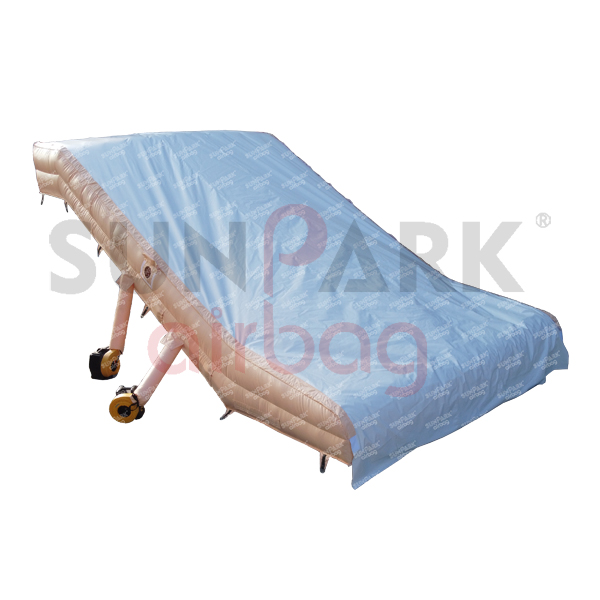
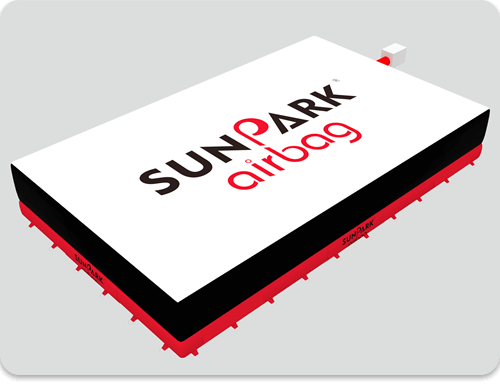
For those seeking an affordable entry into the world of freestyle progression without sacrificing safety, the SunparkAirbag Airbag Landing MTB is a standout. This system is specifically designed for mountain bike and BMX applications, featuring strong reinforcements in high-impact zones.

Key Features:

  • Heavy-duty, seamless and removable top-sheet for easy maintenance.
  • Air vents for precise pressure adjustment based on rider weight.
  • Advanced anchoring system to ensure the ramp stays fixed during use.
  • Variable air-blowing positioning, ideal for complex portable setups.
  • 2-Year warranty for peace of mind.
Material: 0.55mm PVC Tarpaulin (Airbag) / 0.9mm (Top Sheet)
Safety: Lead and phthalate free, flame-retardant, UV-protected
Customization: Logo branding and custom sizes available
Production: Approximately 12 working days

3. Best Professional Grade: SunparkAirbag Inflatable Landing Pad

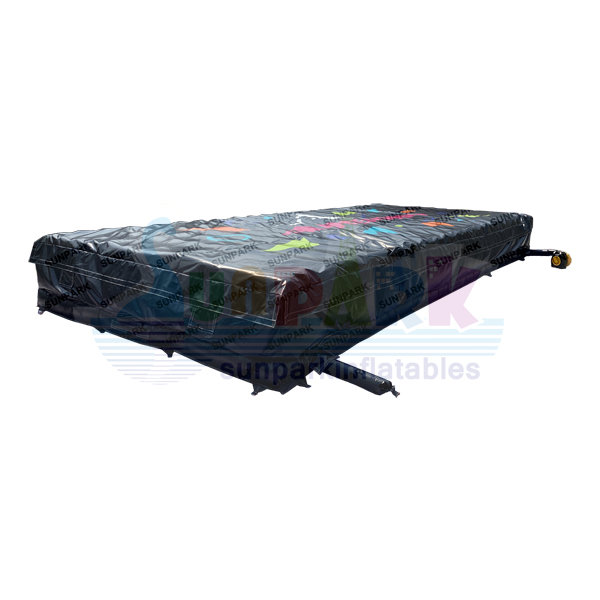
When looking for the best airbag landing ramp australia for professional shows or high-performance training, the 2-layered impact absorbing system of the SunparkAirbag Inflatable Landing Pad is superior. Measuring 8x5x0.8m, this pad provides a massive surface area for landing complex maneuvers.

Advanced Performance Features:

This model includes optional side bumpers, which are essential for keeping jumpers from sliding off the side if they land off-center. For winter sports enthusiasts in the Snowy Mountains, it also offers an optional stopper at the end to prevent sliding on snow setups. The 0.6mm PVC top sheet is designed for maximum slide-ability, allowing the rider to coast off the airbag smoothly after a successful landing.

4. Top 6 Best Airbag Landing Ramp Australia List

1. SunparkAirbag Pro Series Landing

1. SunparkAirbag Pro Series Landing

Dominating the market with a balance of price and durability, the SunparkAirbag Pro Series is favored for its 0.9mm heavy-duty top sheet. It is widely considered the best airbag landing ramp australia for those who train daily. The dual-chamber system allows for a soft catch while maintaining the structural integrity needed to ride out.

2. DD Airbags Australia Edition

Known for their custom Australian sizing, DD Airbags offer great portability. Their focus on lightweight materials makes them a popular choice for traveling teams who perform at regional shows across the country.

3. Air-Rec Inflatable Pads

Specializing in FMX (Freestyle Motocross) landings, these are much larger and utilize thicker 0.9mm PVC for the entire body to withstand the weight of a 100kg motorcycle hitting the surface at speed.

4. SunparkAirbag Compact MTB Pad

4. SunparkAirbag Compact MTB Pad

The best airbag landing ramp australia for backyard enthusiasts with limited space. Its 10-day production time and affordable price point make it accessible for local clubs and private users. It includes a repair kit and high-performance blower as standard accessories.

5. Ninja Park Airbag Modules

Designed for parkour and gymnastics centers, these modules focus on vertical impact absorption rather than the sloped landing required for bikes. They are often used in indoor trampoline centers across Sydney and Melbourne.

6. Custom Event Airbags by Sunpark

For event organizers, the ability to print logos directly or use Velcro banners makes this the top choice for sponsored competitions. The UV protection is specifically tested for high-heat environments like Western Australia.

5. Material Science: PVC Tarpaulin and Safety Standards

A critical factor in deciding on the best airbag landing ramp australia is the material thickness. Standard inflatables often use 0.4mm material, but for freestyle landings, a minimum of 0.55mm for the internal structure is required. The top sheet—the part that actually makes contact with the bike and rider—should ideally be 0.6mm to 0.9mm. This provides the necessary puncture resistance against pedals and footpegs.

Health safety is equally important. Premium manufacturers ensure their materials are water-proof, flame-retardant, and free from lead and phthalates. In 2026, the HS Code 9506990000 remains the standard for importing these sporting goods into Australia, and buyers should ensure their blower units are compliant with Australian electrical voltage and plug standards (240V, Type I plug).

6. Comparison Table: Portable vs. Stationary Landings

FeatureSunpark MTB Landing (Portable)Pro Inflatable Pad (Stationary)Traditional Foam Pit
PortabilityHigh (Includes carry bag)Moderate (Requires pallet)Zero (Permanent)
Setup Time15 – 20 Minutes30 – 45 MinutesN/A
Impact AbsorptionHigh (Adjustable Vents)Extreme (2-Layer System)Variable (Depends on foam age)
Weather ResistanceUV & Water ProofUV & Water ProofLow (Holds water/bacteria)
MaintenanceLow (Replaceable sheet)Low (Seamless design)High (Regular foam rotation)

7. Frequently Asked Questions (FAQs)

What is the best way to adjust the softness of the landing?

The softness is controlled via adjustable air vents located on the sides of the airbag. By opening the vents, air escapes faster upon impact, providing a softer catch. Closing them makes the landing firmer, which is better for practicing landings where you intend to ride away immediately.

Do I need a constant power source?

Yes, most airbags in Australia require a constant-air blower. The blower must remain on while the airbag is in use to maintain the internal pressure. If power is lost, the bag will slowly deflate, so it is vital to have a reliable power source or a backup generator for remote locations.

How long does an airbag landing last in the Australian sun?

With proper UV-protected PVC (like the 0.55mm tarpaulin used by SunparkAirbag), a landing ramp can last 5 to 7 years. However, the top sheet may need replacement every 2 to 3 years depending on the frequency of use and the intensity of the UV exposure.

Is it possible to customize the dimensions?

Absolutely. Most top-tier manufacturers offer full customization. Whether you need a specific width to fit your existing ramp or a specific height to match your takeoff, the best airbag landing ramp australia is often one that is tailored to your specific jump geometry.

8. References and Safety Standards

What age is best for air trampolines
What age is best for air trampolines?

Active recreation is a cornerstone of childhood development, but as new technologies like inflatable landing systems emerge, parents often ask: what age is best for air trampolines? In 2026, the landscape of backyard and commercial play has been transformed by the introduction of safety-first solutions like the Sunparkairbag Trampoline Airbag.

What age is best for air trampolines

While traditional trampolines have long been a staple of physical play, air trampolines—specifically those equipped with advanced airbag landing zones—provide a different dynamic. Understanding the intersection of age, physical development, and equipment safety is essential for any parent or park operator. This comprehensive guide explores the ideal age ranges for air trampolines and how innovative products are making high-intensity jumping safer for everyone.

1. The Medical Consensus: Minimum Age Requirements

Determining what age is best for air trampolines requires looking at pediatric orthopedics and motor development. Major health organizations, including the American Academy of Pediatrics (AAP) and the American Academy of Orthopaedic Surgeons (AAOS), generally recommend that children under 6 years of age should not use recreational trampolines. This is because younger children’s bones are still developing and are more susceptible to fractures from the high-impact forces of a bounce.

However, air trampolines—which replace rigid spring surfaces with inflatable air-filled structures—often provide a much lower impact threshold. In commercial settings like trampoline parks, specialized zones are often created for children as young as 3, provided they are using equipment specifically designed for their weight and height. When asking what age is best for air trampolines, the answer depends heavily on the type of equipment being used and the level of supervision provided.

2. Featured Product: Sunparkairbag Trampoline Airbag

2. Featured Product: Sunparkairbag Trampoline Airbag

Innovative solutions like the Sunparkairbag Trampoline Airbag are designed to bridge the gap between thrill and safety. Unlike traditional foam pits that can harbor bacteria or hide underlying hazards, these air-filled landing systems offer a hygienic and consistent impact-absorption surface.

Features of SunparkAirbag China Trampoline Park Airbag:

  • Safety First: Our airbag trampolines are designed to ensure a soft, secure landing, minimizing the risk of injury while maximizing fun for all ages. The innovative airbag design absorbs impact efficiently, offering a safer alternative to traditional trampoline landing surfaces.
  • Durability: Made from high-quality PVC tarpaulin, these airbag trampolines are built to withstand the rigors of heavy use in busy trampoline parks. They are resistant to UV rays, fire, and water, making them suitable for both indoor and outdoor setups.
  • Customizable Sizes: Whether you need a small trampoline airbag for a home setup or large-scale airbag trampolines for a commercial trampoline park, we offer a range of sizes to fit your needs.
  • Easy Setup and Storage: Designed for convenience, our inflatable trampolines can be quickly inflated and deflated. Once deflated, they can be easily stored without taking up much space.
  • Perfect for Trampoline Parks: Ideal for trampoline parks, our airbag trampolines enhance the thrill of extreme sports while ensuring the highest safety standards. They are designed to handle jumps, flips, and other high-intensity movements.

3. Toddlers (Ages 3-5): The Introduction Phase

For parents wondering what age is best for air trampolines specifically for early motor skills, the 3-to-5-year range is when many children begin to develop the balance needed for stable jumping. While high-tension spring trampolines are discouraged for this age group, air-based inflatables with low-pressure bounce zones are often used in “Toddler Time” sessions at indoor parks.

At this age, the focus is on stability rather than height. Using a Sunparkairbag Trampoline Airbag in a controlled environment ensures that if a toddler loses their balance, the landing surface is forgiving. This stage is critical for developing the proprioceptive sense—the body’s ability to perceive its own position in space.

4. School-Age Children (Ages 6-12): The Peak Bouncing Years

Most experts agree that 6 years and older is when children have the physical coordination and bone density to handle standard trampoline play. This is the demographic where the question “what age is best for air trampolines” finds its most enthusiastic audience. Children in this bracket have the agility to perform basic tricks, and they are old enough to follow safety rules such as “one person at a time.”

For this age group, air trampolines offer a massive advantage over foam pits. Airbags provide a “zero-rebound” landing for flips and jumps, which prevents the double-bounce effect that causes many injuries on traditional trampolines. This makes the 6-12 age range the ideal time to introduce structured play on high-quality inflatable systems.

5. Teens and Adults: Extreme Sports and Professional Use

What age is best for air trampolines if you are looking for professional training? The answer is “any age” once basic athletic competence is achieved. For teenagers and adults, air trampolines and airbags are professional-grade tools used for freestyle skiing training, gymnastics, and parkour. The Sunparkairbag systems are capable of handling high-velocity impacts from professional athletes, making them a staple in extreme sports training centers.

Adults also benefit from the low-impact nature of air trampolines. As a form of “rebounding” exercise, it provides a cardiovascular workout that is significantly easier on the joints than running or traditional jumping, proving that these devices are not just for children.

6. Why Airbags Change the Safety Equation

When discussing what age is best for air trampolines, the safety mechanism is the most important factor. Traditional foam pits require constant maintenance—foam blocks eventually crumble, creating dust that can be inhaled, and they lose their ability to cushion over time. In contrast, an inflatable airbag provides:

  • Internal Air Management: Blower systems maintain a constant internal pressure that can be adjusted based on the weight of the users.
  • Reduced Collision Risk: Airbags allow for faster “exit times” than foam pits, meaning the landing zone is cleared more quickly, reducing the chance of a second person jumping onto the first.
  • Cleanliness: PVC surfaces are easy to sanitize, a major priority for commercial facilities in the modern era.

7. Technical Specifications for Air Trampolines

When selecting a supplier for air-based systems, technical specifications are non-negotiable. Quality materials ensure that the equipment is safe for all intended age groups.

Specification ItemStandard Requirement
Material (Airbag)0.55mm PVC Tarpaulin
Material (Top Sheet)0.9mm PVC Tarpaulin
Safety FeaturesWater-proof, Flame-retardant, UV-protected
Chemical SafetyLead and Phthalate free
WorkmanshipMinimum 5 years experience required for welders
CertificationsASTM, EN71-14:2014 compliant

8. Age Compatibility Summary Table

Age GroupRecommended UsePrimary Benefit
0 – 2 YearsNot RecommendedSafety and bone development priority
3 – 5 YearsLow-impact / Parent supervisedBalance and motor skill development
6 – 12 YearsActive jumping / Airbag landingsPeak agility and bone density growth
13 – 18 YearsAdvanced acrobatics / TrainingSafe environment for skill mastery
18+ AdultsFitness and Professional TrainingLow-impact cardio and joint protection

9. Frequently Asked Questions (FAQs)

Is an air trampoline safer than a traditional one?

Yes, specifically when using an airbag landing system. Traditional trampolines have metal springs and frames that cause most injuries. Air trampolines eliminate these hard surfaces, replacing them with air-cushioned PVC. However, the rule of “one person at a time” still applies to ensure maximum safety.

Can a 4-year-old jump on a Sunparkairbag?

While the equipment is designed for safety, children under 6 should only use such equipment in a dedicated “toddler zone” where the air pressure is adjusted for their lighter weight and under direct adult supervision. Always check the specific park’s age policy.

What happens if the power goes out?

Quality inflatable systems like those from Sunparkairbag are designed to deflate slowly. However, in any professional setting, the landing zone must be cleared immediately if the blowers lose power. The durable PVC tarpaulin acts as a secondary layer of protection during a slow deflation.

How do you clean an air trampoline?

The PVC material is non-porous. It can be cleaned using mild soap and water or specialized disinfectants. This is a primary reason why airbags have replaced foam pits in most high-end trampoline parks.

8 Best airbag snowboard 2026

8 Best airbag snowboard 2026

In the world of extreme winter sports, 2026 marks a turning point where safety and rapid progression finally intersect. For athletes looking to master double corks or beginners aiming for their first straight air, finding the Best airbag snowboard systems is no longer a luxury—it is a training necessity.

8 Best airbag snowboard 2026

Whether you are a resort manager looking to upgrade a snow park or a professional rider building a backyard training hub, selecting the right inflatable landing is vital. This guide breaks down the top 8 professional airbags that are redefining how we ride today.

The year 2026 has seen a significant shift in how freestyle snowboarding is taught. Resorts are moving away from traditional foam pits—which are difficult to maintain and sanitize—toward advanced multi-chamber inflatable systems. The Best airbag snowboard solutions now offer realistic ride-out capabilities, allowing athletes to land, stabilize, and continue moving, effectively mimicking real snow conditions while removing the threat of high-impact injury.

Technology has advanced to include moisture-retaining top sheets and UV-protected PVC materials that withstand sub-zero temperatures without cracking. This ensures that the airbags remain pliable and safe throughout the winter season, providing a consistent landing surface for riders of all skill levels.

2. SUNPARK AIRBAG Snowboard Park Airbag

2. SUNPARK AIRBAG Snowboard Park Airbag

The SUNPARK Snowboard Park Airbag is a staple in modern freestyle parks. Designed for high-frequency use, this model focuses on durability and ease of maintenance. It is particularly well-suited for commercial resorts in Guangzhou and global ski hubs that require a reliable landing zone for a high volume of guests.

Technical Specs

  • Material: 0.55mm PVC Tarpaulin for airbag, PVC Tarpaulin or PVDF for top sheet, water-proof, flame-retardant, UV-protected, lead and phthalate free
  • Size: Customized
  • Workmanship: Workers have 10 years above experience in airbags to guaranteed all is making well
  • HS Code: 9506990000
  • Production time: 18 working days or so
  • Accessories: Blower, repair kit, heavy duty carrying bag

3. SUNPARK AIRBAG Snowboarding Safety Airbag

3. SUNPARK AIRBAG Snowboarding Safety Airbag

When safety is the primary metric, the SUNPARK Snowboarding Safety Airbag stands out with its patented 2-chamber system. This architecture separates the Catching Zone from the Safety Zone, ensuring that even on the deepest impacts, the rider never makes contact with the hard ground. This is widely considered a top contender for the Best airbag snowboard training tool for Olympic-level facilities.

Features and Specs

  • Impact System: 2 chambers impact absorption system (Catching Zone & Safety Zone)
  • Safety: Safety perimeter for secure landings and anchoring system for fixation
  • Maintenance: Removable & replaceable top sheet and exit sheet
  • Warranty: 2-Year warranty
  • Material: 0.55mm PVC Tarpaulin for airbag, 0.9mm PVC Tarpaulin for the top sheet
  • Production time: 15 working days or so

4. Bagjump Snow Landing Airbag

Bagjump remains a global leader in the industry. Their 2026 Snow Landing model is engineered to provide the most realistic “ride-away” experience. By utilizing multi-compartment air pockets, the bag absorbs the initial downward force while maintaining enough surface tension for the rider to stay on their feet. This is the preferred choice for national slopestyle teams who need to simulate a real landing transition without the consequence of ice or hard-pack snow.

5. BigAirBag Revolution Stunt Series

BigAirBag has focused on the “stunt” aspect of snowboarding. Their Revolution series features an internal blower system, which reduces noise—a common complaint at mountain resorts—and protects the equipment from the elements. In 2026, the Revolution series is notable for its high-throughput design, allowing a rider to clear the bag and the next rider to drop in within seconds, maximizing park efficiency.

6. The AcroBag PAB Landing Bag

The AcroBag, designed for progressive freestyle training, is often cited as the “Swiss Army knife” of airbags. It is highly portable, requiring only 4 to 5 people for setup, and can be ready in approximately 60 minutes. Its double-chamber system allows for granular control over impact softness, making it ideal for transitioning from new trick attempts to landing reps.

7. Progression Airbags Kustom Mini

Not every facility has the space for a 30-meter landing. The Kustom Mini by Progression Airbags offers a sloped landing transition that can be set up on flat ground. This groundbreaking design is perfect for smaller resorts or specialized training centers with limited resources. Despite its smaller footprint, it maintains a guardrail perimeter to keep riders safely on the surface.

8. SUNPARK Olympic Size Freestyle Landing

For those aiming for the podium, size matters. The SUNPARK Olympic Size Landing Bag is a massive 42x12m setup. It is designed to handle the trajectory of 20-meter kickers. Its stoppers and side bumpers are specifically engineered to prevent the “catapult effect,” where a rider might bounce off the bag if they land with too much horizontal momentum. This represents the absolute peak of Best airbag snowboard technology for 2026.

9. BCA Float 42 Avalanche Airbag (Bonus Safety)

While landing bags are for the park, safety in 2026 also extends to the backcountry. The BCA Float 42 is the gold standard for avalanche protection. If your “snowboard airbag” needs are more about survival than stunts, this 150-liter system provides essential buoyancy in a slide. It features the Float 2.0 compressed air engine, which is the most reliable refillable system on the market for the current season.

10. Summary Comparison Table

Product NamePrimary UseKey MaterialChambers
SUNPARK Park AirbagCommercial Resorts0.55mm PVCStandard
SUNPARK Safety AirbagElite Training0.9mm Top Sheet2 (Dual Zone)
Bagjump Snow LandingRealistic ProgressionRipstop / PVCMulti-Pocket
AcroBag PABMulti-Sport/StuntCE Certified PVC2 (Adjustable)
Kustom MiniLimited SpaceDurable TarpaulinSloped Transition

11. Frequently Asked Questions (FAQs)

Q: What makes a “landing” airbag different from a “stunt” airbag?

A: A landing airbag (like the Bagjump or SUNPARK Olympic) is sloped to allow the rider to ride away. A stunt airbag is usually flatter and designed for high-impact falls where the rider does not intend to land on their feet.

Q: Can these airbags be used in the summer?
A: Yes! Most 2026 models are designed for year-round use. When paired with dry-slope material (like Neveplast or DriSnow), these airbags allow for 365 days of progression.

Q: How long do these airbags last?
A: With a replaceable top sheet and proper UV protection, a professional airbag from a reputable manufacturer can last 5 to 10 years with regular maintenance.

12. References

7 Best Cheap MTB Airbag Options 2026

7 Best Cheap MTB Airbag Options 2026

The progression of mountain biking skills has seen a dramatic shift in the last few years. In the past, learning a backflip or a 360 involved digging a massive mulch pile or finding a deep foam pit. However, as we move into 2026, the technology behind high-quality, portable landings has become accessible to the average rider. Finding a Cheap MTB airbag is no longer a dream but a reality for riders looking to bridge the gap between intermediate trails and professional slopestyle tricks. In this comprehensive guide, we analyze the top affordable options that provide safety without breaking the bank.

7 Best Cheap MTB Airbag Options 2026

The Evolution of MTB Airbag Technology in 2026

Safety in extreme sports has always been a primary concern, but for a long time, the equipment required to mitigate risk was prohibitively expensive. A Cheap MTB airbag used to mean a flimsy bouncy castle that lacked the structural integrity for a 30-pound mountain bike. By 2026, manufacturing advancements have allowed companies like SunparkAirbag to utilize industrial-grade PVC Tarpaulin in consumer-level products.

The core benefit of an airbag over a foam pit is portability and consistency. Foam pits become damp, harbor mold, and require constant fluffing. Modern mountain bike airbags use constant-air technology with adjustable vents, allowing the rider to fine-tune the softness of the landing. Whether you are practicing basic drops or international-level tricks, the ability to deflate and pack your landing into a carrying bag has changed the game for backyard setups and traveling shows.

1. SUNPARK® MTB Airbag Landing: The Gold Standard

SUNPARK® AIRBAG | Mountain Bike Airbag Landing

1. SUNPARK® MTB Airbag Landing: The Gold Standard

If you are looking for the best overall balance between price and professional performance, the SunparkAirbag MTB Airbag Landing is a standout. This system is designed specifically for riders who want to transition from air to a sloped landing, mimicking real-world jump conditions while providing a massive safety net.

Key Features:

  • 2-layered impact-absorbing system: This dual-chamber design ensures that if a rider lands heavily, the bottom layer prevents them from “bottoming out” against the ground.
  • Air vents for softness adjustment: Tailor the firmness based on rider weight and trick type.
  • Anchoring system: Secure fixation is vital for windy days or high-impact landings.
  • Replaceable top sheet: The 0.9mm PVC top sheet is built for durability, but being removable means you can replace it after years of heavy tire friction without buying a whole new airbag.

Technical Specifications:

Material0.55mm PVC for body, 0.9mm PVC for top sheet
Size8.5 x 4.5 x 1m (Custom sizes available)
Safety SpecsFlame-retardant, UV-protected, lead and phthalate-free
Warranty2-Year warranty
PriceAffordable and negotiable

2. SUNPARK® MTB Jump Airbag: Customizable Excellence

SUNPARK® AIRBAG | MTB Jump Airbag Landing

SUNPARK® AIRBAG | MTB Jump Airbag Landing

The Jump Airbag variant is often the go-to for those with limited space or specific jump geometry in mind. What makes this a top choice for a Cheap MTB airbag is its high level of customization at an entry-level price point. Produced in Guangzhou with rapid 15-day lead times, it is the choice for many bike parks and private training facilities.

Workmanship: Our workers have 5 years above experience in airbags to guarantee all is making well.

Why Choose the Jump Airbag?

Unlike standard flat pads, the Jump Airbag can be tailored to match the specific height and angle of your kicker. The use of UV-protected 0.55mm PVC Tarpaulin ensures that even if left out in the sun, the material won’t degrade as quickly as cheaper, unbranded alternatives. This longevity is what truly makes it a cheap option over the long term, as the cost-per-use drops significantly.

3-7. Other Top Affordable Alternatives in 2026

While Sunpark leads the market in custom manufacturing, several other brands have released products to satisfy the demand for a Cheap MTB airbag in the 2026 season.

3. The Backyard Shredder Mini

Designed for younger riders and small BMX setups, this 3x3m pad is purely for flat-bottom practice. It lacks a sloped landing but is highly affordable for parents looking to increase safety during basic hop practice.

4. AeroLand Entry-Level Inflatable

AeroLand has focused on weight reduction. While not as durable as the 0.9mm PVC used by Sunpark, their 0.4mm options are extremely light, making them the most portable on the list for riders who need to hike their gear into the woods.

5. G-Force Landing Pad

The G-Force series is notable for its side-bumper integration. While Sunpark offers these as an option, G-Force includes them as standard. However, the overall footprint is smaller, making it less forgiving for off-axis landings.

6. Titan Air MTB Series

Titan Air uses a unique honeycomb internal structure. This provides a very firm feel that some professional riders prefer for “stomping” landings, though it is less comfortable for beginners who are crashing more frequently.

7. DIY Air-System Bladders

For the ultra-budget conscious, some manufacturers sell the internal bladders separately. Riders can build their own wooden frames and use the inflatable bladder as the impact zone. This is the absolute Cheap MTB airbag route, but it requires significant construction skills to ensure safety.

Materials and Safety: What Makes a Quality Cheap MTB Airbag?

When searching for a Cheap MTB airbag, you must not compromise on the quality of the PVC. In the industry, “Cheap” should refer to efficient manufacturing and direct-to-consumer pricing, not low-grade materials. The standard for 2026 is 0.55mm PVC Tarpaulin. This material is essential because it is waterproof and flame-retardant. More importantly, it is UV-protected. Inexpensive plastics that lack UV protection will become brittle and crack after just one summer in the sun.

Another critical safety feature is the 2-layered impact-absorbing system found in SunparkAirbag products. This design creates a “dead zone” of air that prevents the rider from hitting the hard ground through the bag. Without this, a heavy landing on a single-chamber bag can result in a “trampoline effect,” shooting the rider back into the air or, worse, allowing them to strike the earth through the inflated material.

Maintenance and Longevity of Portable Airbags

To ensure your Cheap MTB airbag lasts through 2026 and beyond, regular maintenance is required. PVC is tough, but a mountain bike’s metal pedals and sharp brake levers can cause punctures if the bike is dragged across the surface. Always use a heavy-duty carrying bag during transport to prevent abrasions.

If a puncture does occur, most reputable brands like SunparkAirbag include a repair kit. This usually consists of PVC patches and specialized glue. Additionally, keeping the blower in a strong, dry box is vital. The blower is the heart of the system; if it fails due to moisture or debris, the airbag is useless. Checking the anchoring system for secure fixation before every session is the final step in a safe maintenance routine.

Summary Comparison Table

FeatureSunpark MTB LandingSunpark Jump AirbagGeneric Budget Brands
Main Material0.55mm PVC Tarpaulin0.55mm PVC Tarpaulin0.4mm PVC or Polyester
Top Sheet0.9mm (Removable)0.9mm (Removable)Non-removable/Thin
Layering2-Layer SystemCustomizable LayersSingle Layer
CustomizationHigh (Size/Color/Logo)Extreme (Geometry)None (Stock only)
Warranty2-Year2-YearNone or 90 Days

Frequently Asked Questions

Is it safe to use a Cheap MTB airbag in the rain?While the PVC material is waterproof, the top surface becomes extremely slippery when wet. It is not recommended to jump in the rain as your tires may slide out upon impact. Additionally, you must protect the electric blower from any water contact to prevent electrical failure.

How long does it take to inflate?Most medium-sized airbags (like the 8.5×4.5m model) inflate in about 5 to 10 minutes using a standard high-output industrial blower. Deflation takes slightly longer as the air must be pushed out before folding.

Can I use an MTB airbag for BMX and Scooters too?Yes, these airbags are perfect for any wheeled extreme sport. However, because scooters have smaller wheels and sharper decks, you should be even more diligent about checking the top sheet for small nicks or tears.

What blower do I need?Reputable manufacturers provide the blower with the purchase. These are usually 1500W to 2000W blowers that require a standard 110V or 220V outlet. If you are using it in a remote location, you will need a portable generator with at least 3000W of peak power.

References and Standards

  • ASTM F2374-21: Standard Practice for Design, Manufacture, and Operation of Inflatable Device.
  • EN 14960-1:2019: Inflatable play equipment – Safety requirements and test methods.

Best Safety Equipment for BMX

7 Best Safety Equipment for BMX 2026: The Ultimate Protection Guide

The Evolution of BMX Protection in 2026

In 2026, the phrase best safety equipment for BMX refers to a holistic ecosystem of protection. We are seeing a massive shift toward “proactive safety”—gear that doesn’t just protect you during a fall but helps you train more safely before the fall even happens. This includes the rise of inflatable training surfaces that allow for high-repetition trick practice without the physical toll of concrete landings.

Best Safety Equipment for BMX

Table of Contents


Technology like MIPS (Multi-directional Impact Protection System) has become standard in helmets, while reactive polymers like D3O have made pads so slim they can be worn under tight race kits. For any rider aiming to stay in the sport long-term, investing in high-end gear is no longer optional; it is the foundation of a successful riding career.

1. Sunparkairbag Inflatable BMX Landing Ramp

1. Sunparkairbag Inflatable BMX Landing Ramp

The first item on our list of the best safety equipment for BMX isn’t something you wear, but something you land on. For freestyle riders and professionals, the Sunparkairbag Inflatable BMX Landing Ramp is a game-changer for training. It simulates the geometry of a real landing while providing a soft, air-cushioned surface.

Technical Specifications

Material0.55mm PVC Tarpaulin for airbag, 0.9mm PVC Tarpaulin for top sheet
Safety FeaturesWater-proof, flame-retardant, UV-protected, lead and phthalate free
WorkmanshipConstructed by workers with 5+ years of experience in extreme sports airbags
AccessoriesBlower, repair kit, heavy-duty carrying bag

Key Benefits for Riders

  • Safe & Smooth Landings: The impact-absorbing design ensures rider safety during high-altitude trick attempts.
  • Durable & Long-Lasting: High-strength materials are engineered for heavy daily use in bike parks.
  • Quick Setup: Easy inflation and deflation make it portable for events and private backyard sessions.
  • Customizable: Available in various sizes and colors to match team branding or specific ramp heights.

2. Sunparkairbag BMX Jump Airbag

2. Sunparkairbag BMX Jump Airbag

While landing ramps are for perfecting the “ride away,” the Sunparkairbag BMX Jump Airbag (Jump Xtreme) is designed for those learning the biggest tricks in the sport. This is widely considered the best safety equipment for BMX progression, allowing riders to fail safely from heights of over 15 feet.

Jump Xtreme Features

  • 2-Chamber Impact System: Features a Catching Zone for the primary hit and a Safety Zone to prevent bottoming out.
  • Safety Perimeter: A secure landing area that prevents the rider from sliding off the sides.
  • Anchoring System: Robust fixation points to ensure the airbag remains stable even in windy outdoor conditions.
  • Replaceable Sheets: The top sheet and exit sheet are removable, allowing for easy maintenance and logo branding.
  • 2-Year Warranty: Backed by a long-term guarantee of performance and safety.

With a regular size of 15x10x3.5m, this setup is the gold standard for extreme sports competitions and professional training facilities worldwide.

3. MIPS-Equipped Smart Full Face Helmets

The helmet remains the most critical piece of wearable gear. In 2026, the **best safety equipment for BMX** lists are dominated by helmets featuring MIPS technology. MIPS is a slip-plane layer inside the helmet designed to reduce rotational motion transferred to the brain during angled impacts.

Modern BMX helmets like those from Fly Racing or Fox now include integrated Bluetooth communication and crash sensors that can automatically alert emergency contacts if a severe impact is detected. For racing, look for helmets that meet the ASTM F1952 downhill mountain bike standard, which offers superior chin bar protection compared to standard cycling helmets.

4. D3O Impact-Reactive Knee and Elbow Pads

Pads have come a long way from the bulky, sweaty plastic shells of the past. The **best safety equipment for BMX** now utilizes D3O—a “non-Newtonian” material that stays soft and flexible during normal movement but hardens instantly upon impact.

This allows for knee pads that are slim enough to fit under jeans but protective enough for a 20-foot fall on a concrete vert ramp. Brands like Fuse and Shadow Conspiracy have perfected these “invisa-lite” designs, ensuring that riders don’t have to sacrifice mobility for safety.

5. Reinforced Palm Tech Gloves

Your hands are often the first thing to touch the ground in a crash. The **best safety equipment for BMX** in 2026 includes gloves with touch-screen compatibility and silicone-grip fingers for maximum brake lever control.

Key features to look for include a perforated palm for ventilation and a reinforced thumb wrap to prevent blisters during long sessions. High-end gloves now use Kevlar stitching in high-abrasion areas, ensuring the gloves don’t tear during a slide on asphalt.

6. Low-Profile Rigid Ankle Braces

Ankle injuries are notoriously common in BMX, especially during tailwhips and bails. The **best safety equipment for BMX** includes low-profile ankle guards that protect against “crank bite” (when the pedal hits your ankle) and provide lateral support to prevent sprains.

Many professional street riders now wear ankle braces under their socks. These are designed to be thin enough to fit inside standard BMX shoes while using plastic inserts to shield the delicate malleolus bone from direct impacts.

7. Kevlar-Reinforced Lightweight Race Pants

Rounding out our list is specialized apparel. BMX race pants in 2026 are built with 600D polyester and Kevlar knee panels. Unlike standard athletic wear, these pants are engineered to resist melting from friction during a high-speed slide on a dirt track or wooden park surface.

The 2026 Fly Racing BMX line, for example, features multi-directional stretch panels that allow the rider to move freely while maintaining a “race-fit” that won’t get caught in the chain. These pants often come with built-in hip pads, further solidifying their place as the **best safety equipment for BMX**.

Safety Equipment Comparison Table

Equipment TypeKey TechnologyBest ForBenefit
Inflatable LandingPVC Tarpaulin / AirbagFreestyle / TrainingReduces impact injury by 90%
MIPS HelmetRotational Slip-PlaneAll DisciplinesPrevents concussions
D3O PadsReactive PolymersPark / StreetFlexibility + Impact Protection
Kevlar PantsHigh-Abrasion FabricRacingPrevents road rash/burns
Ankle BracesRigid InsertsTechnical TricksPrevents ankle rollovers

Frequently Asked Questions (FAQs)

Is an inflatable landing ramp worth it for a beginner?

Yes. An inflatable landing ramp is one of the **best safety equipment for BMX** investments because it builds confidence. Beginners can learn basic air control without the fear of falling on hard ground, which accelerates the learning process significantly.

Should I choose a full-face or open-face helmet?

For BMX racing, a full-face helmet is mandatory. For park and street, many riders prefer open-face for better visibility and cooling, but a full-face is the **best safety equipment for BMX** if you are attempting tricks that involve high speeds or vertical height.

How often should I replace my BMX safety gear?

Helmets should be replaced after any significant impact or every 3-5 years due to foam degradation. Pads and gloves should be replaced once the fabric tears or the protective inserts lose their shape.

References & Safety Standards

The 6 Best Bike Airbag Landing Systems for Action Sports in 2025

The 6 Best Bike Airbag Landing Systems for Action Sports in 2025

In the high-adrenaline world of action sports, progression is the name of the game. Whether you are a professional BMX rider attempting a world-first quadruple backflip or a weekend mountain bike enthusiast looking to clear your first gap jump, safety is paramount. The introduction of the Best bike airbag landing technology has completely revolutionized how riders train, allowing them to push the boundaries of physics without the catastrophic consequences of a hard-surface crash.

The 6 Best Bike Airbag Landing Systems for Action Sports in 2025

Modern bike airbags have transitioned from simple flat cushions to sophisticated inclined landing ramps that mimic the geometry of real-world dirt jumps. This guide explores the premier options on the market, focusing on durability, portability, and the specific impact-absorption technology that makes these systems the gold standard for riders globally.

1. The Evolution of the Best Bike Airbag Landing Technology

Ten years ago, a stunt airbag was essentially a giant, flat marshmallow. While it saved lives, it did not help with the transition. If you landed a trick on a flat bag, you had to come to a complete stop, often sinking into the material. The Best bike airbag landing systems of today are engineered with an inclined top sheet and internal air chambers that allow riders to actually ride away from their tricks.

By mimicking the shape of a traditional landing ramp, these airbags provide a soft catch but maintain enough surface tension to support the weight of the bike and rider upon touchdown. This progression has reduced the learning curve for professional athletes by over 60 percent, as they can perform hundreds of repetitions in a single day with minimal fatigue or fear of injury.

2. SUNPARK AIRBAG MTB Airbag Landing

2. SUNPARK AIRBAG MTB Airbag Landing

The SUNPARK MTB Airbag Landing is a masterpiece of engineering designed specifically for BMX and mountain bike riders. This system is the Best bike airbag landing for those who need a custom fit for their existing ramp setups. The focus here is on high-frequency usage and extreme durability.

SUNPARK® AIRBAG MTB Technical Specs

  • Port: Guangzhou
  • Material: 0.55mm PVC Tarpaulin for airbag body; 0.9mm PVC Tarpaulin for the top sheet. Water-proof, flame-retardant, UV-protected, lead and phthalate-free.
  • Size: Customizable to fit any park or backyard setup.
  • Workmanship: Manufactured by workers with 5+ years of experience to guarantee structural integrity.
  • Accessories: High-output blower, comprehensive repair kit, and a heavy-duty carrying bag.
  • HS Code: 9506990000

What sets this MTB airbag apart is the dual-layer material strategy. Using a thicker 0.9mm PVC for the top sheet ensures that the friction from bike tires and the occasional pedal strike do not puncture the air chambers. This makes it a top contender for the Best bike airbag landing in commercial bike parks where hundreds of riders may use the facility daily.

3. SUNPARK AIRBAG Dirt Bike Jump Landing Airbag

3. SUNPARK AIRBAG Dirt Bike Jump Landing Airbag

Moving from bicycles to motorized vehicles, the requirements for a landing system change drastically. The SUNPARK Dirt Bike Jump Landing Airbag is engineered to handle the significantly higher weight and speed of motocross bikes. It is widely considered the Best bike airbag landing for FMX (Freestyle Motocross) training.

SUNPARK® AIRBAG Dirt Bike Technical Specs

  • Standard Size: 10 x 4.5 x 1m (Customizable for larger gaps).
  • Construction: Reinforced 0.9mm PVC top sheet to withstand the heat and weight of a dirt bike.
  • Production Time: Approximately 15 working days.
  • Safety Features: Flame-retardant and UV-protected materials to prevent degradation during outdoor desert or track training.
  • Package: All-inclusive heavy-duty packaging for easy transport to different track locations.

The 1-meter thickness of the base provides a massive buffer zone. For dirt bike riders, the Best bike airbag landing must offer a consistent internal pressure. SUNPARK achieves this through high-quality blowers that maintain constant airflow, ensuring that even a 250lb motorcycle is met with a smooth, progressive deceleration rather than a sudden jolt.

4. NextStep Incline Airbags

NextStep has become a household name in the backyard MTB community. Their incline airbags are designed for the enthusiast who has a limited amount of space but wants a professional-grade training tool. Their airbags are often paired with their own line of foldable ramps.

The reason NextStep is often called the Best bike airbag landing for home use is their “ride-out” technology. The top sheet is attached in a way that creates a smooth transition from the air to the ground, allowing riders to maintain their momentum. This is vital for practicing “line” jumps where multiple tricks are performed in sequence.

5. DD Airbags Pro Series

DD Airbags, based out of Australia, specializes in the Pro Series, which is a staple at major international competitions. Their bags are known for having multiple “zones” of air pressure. The top zone is soft to catch the initial impact, while the lower zones are firmer to prevent the rider from bottoming out on the ground.

For elite athletes, the Best bike airbag landing must be reliable in various temperatures. DD Airbags utilizes advanced temperature-compensating vents that release air as it expands in the heat, preventing the bag from becoming too stiff in the sun. This level of detail is why they are trusted by the biggest names in the Nitro Circus and X-Games circuits.

6. BAGJUMP All-In-One Landing

BAGJUMP is the veteran of the industry. Their All-In-One landing system is a hybrid that combines a foam pit’s safety with a landing ramp’s functionality. This is the Best bike airbag landing for permanent installations at large-scale indoor action sports centers.

Their patented air-valve system allows for the most customizable landing experience. Operators can adjust the “firmness” of the landing via a remote control, making it possible to switch from a “safe-catch” mode for beginners to a “pro-landing” mode for experts in seconds. Their 0.9mm PVC top sheets are also treated with a special friction-reducing coating to prevent “high-siding” when a rider lands slightly sideways.

7. Airshot Portable Ramps and Airbags

The Airshot series is the Best bike airbag landing for the traveling influencer or content creator. These systems are designed to be as light as possible without sacrificing safety. While the material is slightly thinner than the SUNPARK industrial models, the portability is unmatched.

Airshot systems can be inflated using a standard 110V or 220V blower in under five minutes. They are perfect for street sessions or temporary setups in parking lots. If you need a landing that fits in the trunk of a mid-sized SUV, Airshot is the leading choice in the current market.

8. How to Choose the Best Bike Airbag Landing for Your Needs

Selecting the Best bike airbag landing requires an honest assessment of your skill level, your budget, and your intended use. Not all airbags are created equal, and choosing the wrong one can actually be counterproductive to your training.

Internal Construction: Baffles vs. Pillars

Higher-end airbags like those from SUNPARK® AIRBAG use a sophisticated system of internal baffles. These fabric walls inside the bag control the movement of air. When you land, the air is forced into adjacent chambers rather than just compressing in one spot. This creates a much more stable landing surface. Cheaper bags may use simple pillars, which can result in a “bouncy” feeling that is dangerous for high-speed landings.

Material Weight and Durability

If you are using the bag for a dirt bike, you cannot settle for anything less than 0.9mm PVC on the top sheet. The heat from an exhaust pipe or the knobby tires of a 450cc bike will shred lighter materials in days. For BMX and MTB, 0.55mm is often sufficient for the sides, but the top sheet should always be reinforced. UV protection is also critical if the bag will stay outside, as the sun can make PVC brittle over time.

9. Maintenance and Safety Protocols

Owning the Best bike airbag landing comes with a responsibility to maintain it. Even the highest quality PVC can develop micro-tears over time. Regular inspections of the seams and the blower intake are mandatory.

  • Daily Inspection: Before the first jump, walk the perimeter of the bag. Listen for hissing sounds and check that the blower is clear of debris.
  • Pressure Testing: Ensure the bag is not over-inflated. A bag that is too hard is just as dangerous as a bag that is too soft. You should be able to press your hand into the bag with moderate resistance.
  • Moisture Control: Never pack an airbag away while it is wet. This leads to mold and mildew, which can rot the internal baffles and cause structural failure.

10. Summary Comparison Table

Brand/ModelPrimary UseTop Sheet MaterialKey Advantage
SUNPARK MTB LandingBMX / MTB0.9mm PVCHigh durability, fully customizable sizes.
SUNPARK Dirt BikeMotocross / FMX0.9mm PVCLarge buffer zone for heavy vehicle impacts.
NextStep InclineBackyard MTB0.6mm PVCBest for home use and tight spaces.
DD Airbags ProElite CompetitionReinforced PVCMulti-zone pressure for precision landings.
BAGJUMP All-In-OneIndoor ParksAnti-friction PVCRemote-controlled firmness adjustments.
Airshot PortableContent CreatorsLightweight PVCMaximum portability and fast setup.

11. Frequently Asked Questions (FAQs)

What is the Best bike airbag landing for beginners?

For beginners, the Best bike airbag landing is usually a flat-top or low-incline bag from a brand like SUNPARK. These provide the largest margin for error. As the rider improves, they can transition to steeper incline bags that facilitate riding away from the trick.

How long do these airbags last?

A professional-grade airbag made with 0.9mm PVC can last between 5 to 10 years with proper care. Keeping the bag out of direct sunlight when not in use and ensuring it is dry before storage are the two most important factors for longevity.

Can I use a bike airbag for other sports?

Yes, the Best bike airbag landing systems are often multi-functional. They are frequently used for skateboarding, scootering, and even snowboarding (with a special slick top sheet). Always consult the manufacturer before using a bike bag for motorized vehicles if it was not designed for them.

Do I need a continuous blower?

Most high-end landings require a continuous-flow blower. This ensures that the pressure remains constant even if there are minor leaks or during the heavy impact of a landing. Some smaller, sealed-air bags exist, but they generally offer less impact absorption than continuous-flow models.

12. References and Further Reading

  1. SUNPARK® AIRBAG Technical Manufacturing Standards (2025).
  2. International Action Sports Safety Association – Guidelines for Inflatable Landing Systems.
  3. Journal of Sports Engineering: Impact Attenuation in Inflatable Structures for Stunt Safety.

Choosing the Best bike airbag landing is an investment in your athletic future and your physical well-being. By opting for high-quality materials, experienced workmanship, and the right geometry for your sport, you can turn a dangerous hobby into a safe, progressive journey toward mastery. Whether you choose the customizable options of SUNPARK or the portable convenience of Airshot, the world of action sports has never been safer.


6 Easy Steps for Trampoline Park Airbag Replacement

6 Easy Steps for Trampoline Park Airbag Replacement

Introduction to Trampoline Park Airbag Replacement

As trampoline parks continue to grow in popularity, ensuring the safety and longevity of equipment is paramount. One of the most important components of a trampoline park’s safety infrastructure is the airbag. Over time, wear and tear, external factors, or accidents can necessitate the replacement of these airbags. In this article, we will guide you through the 6 easy steps for trampoline park airbag replacement to help keep your facility safe, functional, and compliant with safety standards.

6 Easy Steps for Trampoline Park Airbag Replacement

Table of Contents

Why Replace Your Trampoline Park Airbag?

Replacing your trampoline park airbag is essential to maintaining a safe environment for both patrons and staff. Here are a few key reasons why replacement is necessary:

  • Wear and Tear: Continuous use can lead to airbag deterioration, causing reduced shock absorption.
  • Safety: A damaged airbag could fail to properly cushion jumps, increasing the risk of injuries.
  • Compliance: Trampoline parks are often subject to regulations that require regular equipment inspections and replacements.
  • Improved Performance: New airbags offer better durability, air retention, and a more responsive landing.

Step-by-Step Guide to Airbag Replacement

Replacing your trampoline park airbag might seem like a daunting task, but with the right steps, it can be done efficiently and safely. Follow these simple steps:

Step 1: Assess the Condition of the Current Airbag

Assess the Condition of the Trampoline Park Airbag

The first step in airbag replacement is to thoroughly assess the condition of the existing airbag. Look for visible signs of wear, such as punctures, holes, or significant flattening. If the airbag is not providing sufficient cushioning or showing damage, it’s time for a replacement.

Step 2: Gather the Necessary Tools and Materials

Before beginning the replacement, make sure you have the necessary tools and equipment. You will need:

  • Replacement airbag (from a reputable manufacturer such as SUNPARK®)
  • Air compressor
  • Wrench or screwdriver (depending on the airbag’s attachment system)
  • Protective gloves and safety equipment

Step 3: Deflate the Old Airbag

Carefully deflate the old airbag using the air release valve. Be sure to do this slowly to avoid any damage to the valve or airbag fabric. Make sure all air is removed before proceeding to the next step.

Step 4: Remove the Old Airbag

Once deflated, remove the airbag from its position. Depending on the design, this may involve unscrewing or detaching the airbag from its frame. Take care not to damage surrounding components during removal.

Step 5: Install the New Airbag

Now that the old airbag has been removed, it’s time to install the new one. Position the replacement airbag in the designated area and secure it using the appropriate fasteners. Ensure the airbag is properly aligned and centered to ensure maximum safety and performance.

Step 6: Inflate the New Airbag

Once the airbag is securely in place, use an air compressor to inflate the airbag to the recommended pressure. Monitor the inflation process to ensure there are no leaks, and the airbag maintains its shape and size. Check for any unusual bulging or deflation that might indicate an issue with the airbag or inflation process.

Why Choose SUNPARK® Airbags?

When it comes to trampoline park airbag replacements, choosing a trusted and high-quality manufacturer is crucial. SUNPARK® has over 10 years of experience in providing freestyle airbags for a variety of industries, including trampoline parks, sports, and gymnastics facilities. Here’s why SUNPARK® stands out:

  • Expertise: SUNPARK® is a leading manufacturer with experience serving top brands worldwide, including snowboarders, athletes, and trampoline parks.
  • Quality Products: SUNPARK® airbag products are made from durable materials, ensuring long-lasting performance and safety.
  • Customization: SUNPARK® offers customized airbags tailored to your park’s specific needs.
  • Safety Focus: SUNPARK® is committed to developing products that reduce injury risks in extreme sports environments.

Our Products Include:

Frequently Asked Questions (FAQs)

1. How long does it take to replace a trampoline park airbag?

Typically, replacing a trampoline park airbag can take anywhere from 1-2 hours, depending on the size and complexity of the installation.

2. How often should airbag replacement be done?

It is recommended to inspect airbags regularly for signs of wear and replace them at least once every 2-3 years, or sooner if damage is observed.

3. Can I replace the airbag myself?

Yes, with the proper tools and instructions, replacing the airbag can be done safely by your team. However, for larger or more complex installations, it’s advisable to consult professionals.

Conclusion

Replacing a trampoline park airbag may seem like a complex task, but following the 6 easy steps outlined above can make the process straightforward and efficient. Always ensure that you use high-quality airbags from trusted manufacturers like SUNPARK® to guarantee safety, durability, and a superior experience for your customers.

StepDescription
1. Assess the Old AirbagCheck for wear and tear before replacing the airbag.
2. Gather Necessary ToolsEnsure you have all equipment needed for the replacement.
3. Deflate the Old AirbagCarefully deflate the existing airbag.
4. Remove the Old AirbagDetach the old airbag from its position.
5. Install the New AirbagPlace and secure the new airbag in the designated position.
6. Inflate the New AirbagEnsure the new airbag is inflated to the recommended pressure.


How to Stay Safe at a Trampoline Park

How to Stay Safe at a Trampoline Park?

SAFETY FIRST: INJURY PREVENTION IS CRITICAL

Follow Essential Rules to Ensure a Fun, Injury-Free Experience

Implementing proper safety protocols—from pre-jump preparation to using advanced protective gear—can reduce trampoline park accidents by up to 75% according to recent safety studies.

How to Stay Safe at a Trampoline Park

Understanding Trampoline Park Risks & Statistics

Trampoline parks have grown tremendously in popularity, but with increased participation comes a corresponding rise in injuries. According to the American Academy of Pediatrics and recent studies in pediatric emergency medicine, trampoline park injuries have increased significantly over the past decade, with most involving children and adolescents.

Injury Statistics & Risk Analysis

Common Injuries

  • 🦵 Sprains and fractures (40% of injuries, lower extremities)
  • 🧠 Head and neck injuries including concussions
  • 💥 Collision injuries from multiple users
  • ⬇️ Falls from trampolines onto hard surfaces
  • 🔄 Overuse injuries from repetitive jumping

Primary Risk Factors

  • Multiple users on single trampoline (+60% collision risk)
  • Attempting advanced maneuvers without progression
  • Improper landing techniques causing joint stress
  • Fatigue reducing coordination and reaction time
  • Inadequate safety equipment or poor maintenance

Safety Implementation Impact

Comprehensive safety protocols can reduce injury rates by up to 75%. Facilities with advanced safety systems like airbag landing zones report significantly lower serious injury rates compared to those using traditional foam pits or standard mats.

Key Finding: Proper safety measures don’t reduce fun—they enable consistent, long-term participation by preventing injuries that would end jumping sessions prematurely.

Pre-Visit Preparation & What to Wear

Proper preparation before visiting a trampoline park significantly enhances safety and enjoyment. These steps should begin before you even leave home.

Physical Readiness Assessment

  • Check for pre-existing conditions: Individuals with back problems, joint issues, osteoporosis, or heart conditions should consult a physician before jumping.
  • Assess fitness level: Trampolining requires moderate cardiovascular fitness and core strength. Consider basic conditioning exercises if sedentary.
  • Rest adequately: Ensure you’re well-rested; fatigue impairs coordination and reaction time.
  • Hydrate and eat appropriately: Drink water before arrival and eat a light meal 1-2 hours prior—never jump on a full stomach.

Appropriate Attire Guidelines

Clothing ItemRecommendedTo Avoid
TopForm-fitting athletic shirt or tuck-in shirtLoose, baggy clothing
BottomsAthletic pants or shorts with secure waistbandJeans, belts, clothing with zippers/hardware
FootwearTrampoline socks with grip (usually provided)Regular socks, bare feet, shoes
AccessoriesNoneJewelry, watches, glasses (unless secured)
HairTied back securelyLong, loose hair

Essential Safety Rules Every Jumper Must Follow

Trampoline parks establish rules based on injury data and manufacturer guidelines. Following these rules isn’t just about compliance—it’s about preventing serious injuries.

⚠️ Fundamental Park Rules

1. One Jumper Per Trampoline

This is the most critical rule for preventing collisions. Wait your turn before jumping onto any trampoline surface.

2. No Double Bouncing

Avoid bouncing other jumpers higher by jumping near them; this disrupts control and causes unpredictable motion that leads to falls.

3. Stay Within Designated Areas

Only jump on the trampoline beds—never on the padded frames or between trampolines where surfaces change unexpectedly.

Zone-Specific Guidelines

Main Jump Courts

Basic jumping only, maintain spatial awareness of other jumpers in adjacent squares.

Foam Pits

Enter feet first only, clear the landing area quickly for the next jumper.

Performance Areas

For experienced users only, often requiring staff supervision and specific safety equipment.

Proper Jumping Techniques to Prevent Injuries

Correct jumping form significantly reduces injury risk. These techniques should be practiced before attempting any advanced maneuvers.

Basic Jumping Form Fundamentals

Starting Position

  • Stand in the center of the trampoline
  • Feet shoulder-width apart
  • Arms at sides or slightly forward for balance
  • Look forward at the horizon, not down at feet

Jumping Motion

  • Use controlled knee bends to initiate bounce
  • Avoid exaggerated or jerky movements
  • Maintain core engagement for stability
  • Keep jumps moderate in height when learning

Landing & Exiting

  • Always land on both feet with knees slightly bent
  • Allow knees to absorb impact naturally
  • Come to a complete stop before stepping off
  • Use designated exit paths, not jumping surfaces

Common Technical Mistakes to Avoid

  • Over-rotation on flips: Causes awkward landings on head/neck
  • Insufficient height before tricks: Doesn’t allow completion of rotation
  • Arms flailing: Reduces control and stability
  • Landing with straight legs: Transfers impact directly to joints
  • Looking down during rotation: Disorients spatial awareness

Sunpark Airbag: Advanced Safety Technology

Sunpark Airbag systems represent the cutting edge in trampoline park safety technology. With over 10 years of experience as a leading manufacturer of airbags for extreme sports, Sunpark has adapted professional-grade safety equipment for recreational trampoline facilities worldwide.

Engineering and Design Excellence

Progressive Compression Design

Airbags compress gradually to decelerate users safely, unlike foam pits that can have inconsistent density leading to bottoming out or unexpected resistance.

High-Strength Material Construction

Utilizes durable, UV-resistant PVC tarpaulin with welded seams for maximum reliability in commercial settings with high-frequency use.

Intelligent Chamber Systems

Multiple independent air chambers prevent complete deflation if one chamber is compromised, maintaining safety even with minor damage.

Sunpark Product Applications

Olympic-size Landing Systems

Olympic size Snowboard Landing Bag technology adapted for trampoline parks, providing safe landing for high-performance tricks and professional training.

Beginner Training Areas

Smaller airbags with lower profiles for skill development, allowing new jumpers to progress confidence in a controlled, safe environment.

Progressive Learning Systems

Multiple airbags with varying sizes and firmness for different skill levels, supporting athlete development from beginner to advanced.

Global Trust & Professional Endorsements

Sunpark equipment is trusted by World Champion athletes and serious sports enthusiasts globally. Their commitment to continuous product development and improvement ensures their systems incorporate the latest safety research and material science advancements. When choosing a trampoline park, look for facilities that invest in professional-grade safety equipment like Sunpark Airbag systems.

Supervising Children: Special Guidelines

Children require special supervision at trampoline parks due to their developing coordination, risk assessment abilities, and physical vulnerability.

Age-Appropriate Supervision Levels

👶

Under 3

Not recommended
Most parks have minimum age policies

👧

3-5 years

Direct, on-court supervision
One adult per child, within arm’s reach

🧒

6-9 years

Active visual supervision
Adult on same court, attentive watching

👦

10-12 years

Periodic checking
Adult in facility, regular check-ins

🧑

13+ years

Rule enforcement
Ensure compliance with park rules

Teaching Children Safety Awareness

  • Use simple, clear language: “One at a time,” “Feet first,” “Stay in your square”
  • Practice on ground first: Teach jumping form and landing technique off the trampoline
  • Set time limits: Children fatigue quickly; 10-15 minute sessions with breaks are ideal
  • Model good behavior: Children learn safety habits by watching adults follow rules
  • Establish emergency protocols: Teach them how to recognize staff and ask for help

Choosing a Safe Trampoline Park Facility

Not all trampoline parks maintain the same safety standards. Careful evaluation before visiting can help you select the safest facility.

Facility Inspection Checklist

Before paying or signing waivers, inspect:

Cleanliness & Maintenance

  • Well-maintained facilities correlate with better safety
  • Look for worn surfaces, torn padding, damaged nets
  • Check for proper lighting throughout facility
  • Avoid strong chemical smells indicating improper cleaning

Staff & Crowd Control

  • Staff actively monitoring jumpers and enforcing rules
  • Adequate staff-to-jumper ratios (1:20 or better)
  • Park limits capacity to prevent overcrowding
  • Clear safety signage posted and easy to understand

Certifications & Compliance

  • ASTM F2970-20 safety standards compliance
  • IATP (International Association of Trampoline Parks) membership
  • CPR/AED and first aid trained staff visible
  • Proper business licenses and insurance verification

Emergency Response & First Aid Awareness

Despite all precautions, injuries can occur. Knowing proper emergency response can minimize complications and promote better outcomes.

⚠️ Recognizing Serious Injuries Requiring Immediate Attention

  • Loss of consciousness (even briefly)
  • Neck or back pain with numbness or weakness
  • Deformity of limbs indicating possible fractures
  • Difficulty breathing or chest pain
  • Severe headache, confusion, or vomiting after head impact
  • Inability to bear weight on a limb

Emergency Action Plan

  1. Alert park staff immediately—they’re trained in facility-specific protocols and emergency procedures
  2. Do not move the injured person unless they’re in immediate danger from other jumpers or equipment
  3. Keep the person still and calm while waiting for professional medical help to arrive
  4. Provide first aid only if trained and necessary to preserve life or prevent worsening of injury
  5. Document the incident with photos and detailed notes for insurance and potential legal purposes
  6. Follow up with medical evaluation even for seemingly minor injuries, as some issues manifest hours later

FAQs: Trampoline Park Safety Questions

What age is safe for trampoline parks?

Most parks set a minimum age of 3-4 years, but developmental readiness varies. Children under 6 require direct, hands-on supervision. Consider your child’s coordination, ability to follow instructions, and impulse control. The American Academy of Pediatrics recommends against recreational trampoline use for children under 6 due to higher injury rates and developing skeletal systems.

Are trampoline parks safer than backyard trampolines?

Trampoline parks typically have better safety equipment (enclosed designs, professional padding, foam pits, advanced systems like Sunpark Airbag) but present different risks (more users, advanced equipment, higher structures). Overall injury rates are similar, but park injuries tend to be more severe due to greater heights and complexity. Professional parks with proper safety systems offer superior protection for advanced maneuvers but require stricter rule adherence due to increased hazards.

How can I prevent knee and ankle injuries at trampoline parks?

Proper warm-up is essential: 5-10 minutes of light cardio followed by dynamic stretching. Landing technique matters most—always land on both feet with knees bent to absorb impact. Strength training off the trampoline (focusing on legs, ankles, and core) improves joint stability. Avoid overexertion—fatigue significantly increases injury risk after approximately 60 minutes of continuous jumping. Consider supportive braces if you have previous injuries or instability.

What should I do if I see unsafe behavior at a trampoline park?

First, alert park staff immediately—they’re responsible for enforcement and have authority to remove violators. If someone is in immediate danger, you may need to intervene directly by stopping the activity or moving people from harm’s way. For ongoing issues, speak to a manager and consider documenting with photos/video. As a last resort, leave the facility and report serious safety concerns to local health departments or consumer protection agencies. Your safety takes priority over any admission cost.

Are trampoline park waivers legally binding?

Waivers provide significant legal protection for facilities but aren’t absolute. They typically protect against claims of ordinary negligence but not gross negligence or willful misconduct. Courts consider factors like clarity of language, voluntary consent, and public policy. Always read waivers carefully before signing, and consider consulting a lawyer if you have concerns. Your signature doesn’t waive rights to sue for hazards the park knew about but didn’t address or warn against adequately.

How often do trampoline parks inspect their equipment?

Reputable parks conduct daily visual inspections before opening, weekly detailed inspections of all components, and annual professional inspections by certified technicians. Sunpark Airbag systems include specific maintenance schedules—typically daily pressure checks, weekly seam inspections, and monthly comprehensive inspections. Always ask about inspection protocols when choosing a facility, and look for inspection logs that are often posted publicly. Facilities that can’t produce recent inspection records should be avoided.

Conclusion: Safety Creates Better Fun

SAFETY ENABLES SUSTAINABLE FUN

Proper Precussions Allow for Long-Term Enjoyment

Trampoline parks offer unique physical activity and social enjoyment when approached with proper safety awareness. The key to a positive experience lies in balancing enthusiasm with caution, recognizing that safety measures don’t diminish fun—they enable it by preventing injuries that would end participation prematurely.

Sunpark Airbag: The Future of Trampoline Safety

Sunpark Airbag technology represents how innovative safety equipment can enhance rather than restrict recreational experiences. By providing professional-grade landing systems developed for world-class athletes, these systems allow jumpers to progress skills with reduced risk—embodying the principle that true freedom in sports comes from proper safety foundations.

As trampoline parks continue evolving, patron awareness must keep pace. Informed jumpers who follow rules, respect equipment limits, and choose facilities with advanced safety systems contribute to a safer environment for everyone. Remember that safety is a shared responsibility between park operators providing proper equipment and maintenance, staff enforcing rules consistently, and patrons exercising good judgment.

Final Safety Reminders

  • Always follow posted rules—they’re based on injury data and manufacturer guidelines
  • Supervise children actively according to their age and ability level
  • Choose facilities with professional safety equipment like Sunpark Airbag systems
  • Listen to your body and take breaks before fatigue sets in
  • Report unsafe conditions or behavior to staff immediately
  • Remember that no trick is worth serious injury—progress skills gradually with proper training

Ultimately, the goal isn’t to eliminate risk entirely—that would eliminate the joy of challenging movement—but to manage risk intelligently through preparation, technique, equipment, and supervision. By implementing the guidelines in this comprehensive safety guide, you can enjoy trampoline parks to their fullest while minimizing the likelihood of becoming an injury statistic. The bounce should always be upward, not toward the emergency room. Stay safe, jump smart, and enjoy the incredible experience of flight that trampoline parks offer when approached with proper respect and preparation.

What is an Indoor Trampoline Park

What is an Indoor Trampoline Park? What Can We Play?

Introduction to indoor trampoline park

An indoor trampoline park is a specialized recreational facility featuring interconnected trampolines designed for fun, fitness, and skill development. These parks provide a safe environment where visitors can jump, flip, and perform stunts on trampolines without outdoor constraints or weather limitations. With increasing popularity worldwide, indoor trampoline parks have become a top destination for families, fitness enthusiasts, and extreme sports athletes.

What is an Indoor Trampoline Park

Table of Contents

  1. Introduction
  2. Features of an Indoor Trampoline Park
  3. Activities You Can Play
  4. Safety Measures
  5. SUNPARK® Airbag System
  6. Summary Table
  7. Frequently Asked Questions
  8. References


The concept combines entertainment, exercise, and skill-based challenges. Modern parks often integrate foam pits, dodgeball courts, climbing walls, and unique airbag landing zones to enhance the fun and safety experience for visitors of all ages. This article explores what an indoor trampoline park is and the wide variety of activities available.

Features of an Indoor Trampoline Park

1. Interconnected Trampolines

The main feature of any indoor trampoline park is its network of interconnected trampolines that allow continuous jumping across large areas. This design maximizes fun and provides a full-body workout.

2. Foam Pits and Airbags

Foam pits and airbags provide soft landing zones for practicing flips and tricks. These elements enhance safety while allowing visitors to try advanced moves without risk.

3. Dodgeball and Basketball Zones

Many trampoline parks have specialized courts for trampoline dodgeball and slam-dunk basketball, adding competitive fun and social interaction.

4. Climbing Walls and Ninja Courses

Advanced parks often feature climbing walls and obstacle courses designed for agility and strength training, catering to a broad range of fitness enthusiasts.

5. Safety Features

Padded surfaces, safety nets, and professional supervision ensure that trampoline parks minimize the risk of injuries while maximizing fun.

Activities You Can Play

1. Free Jumping

Visitors can jump freely on interconnected trampolines, practicing flips, twists, and other aerial tricks.

2. Dodgeball

Trampoline dodgeball combines fast-paced action with high-flying jumps, providing an exciting team-based experience.

3. Basketball Dunking

Specialized trampolines allow players to jump high and perform slam dunks safely, perfect for basketball enthusiasts.

4. Foam Pit Training

Trampolines leading to foam pits allow visitors to practice aerial tricks safely. Foam pit zones are ideal for beginners learning flips and spins.

5. Airbag Landing Fun

Modern indoor trampoline parks often use advanced airbags for safe landings. SUNPARK® Airbag products such as Airbag Landing, Inflatable Landing, and Foam Pit Jump Airbags are leading solutions for extreme sports and recreational trampoline parks.

Safety Measures

  • Professional supervision and trained staff.
  • Padded and reinforced trampoline surfaces.
  • Clear safety instructions and restricted zones for beginners.
  • Advanced airbags like SUNPARK® Free Fall Airbag and Stunt Airbag reduce injury risks.
  • Age-specific and skill-specific areas to separate young children from advanced athletes.

SUNPARK® Airbag System

SUNPARK® has over 10 years of experience designing freestyle airbags for trampoline parks, ski resorts, sports facilities, and theme parks. They are trusted globally for high-quality airbag systems that provide safe landing zones for extreme sports enthusiasts.

Key products include:

These products are widely used by world champion snowboarders, professional riders, and trampoline parks, ensuring a safe and thrilling experience for visitors.

Summary Table

ActivityEquipmentBenefit
Free JumpingTrampolinesFun and fitness, aerial skill practice
DodgeballTrampoline Dodgeball CourtsTeam play, agility, coordination
Basketball DunkingTrampoline Slam Dunk ZonesHeight and strength enhancement
Foam Pit TrainingFoam PitsSafe aerial tricks practice
Airbag LandingSUNPARK® AirbagsExtreme trick safety and stunt training

Frequently Asked Questions

1. What is an indoor trampoline park?

An indoor trampoline park is a recreational facility with interconnected trampolines, foam pits, and airbags for safe jumping, fitness, and extreme sports training.

2. What activities can I play in a trampoline park?

You can play free jumping, dodgeball, slam-dunk basketball, foam pit tricks, and use airbag landing zones for advanced stunts.

3. Are indoor trampoline parks safe?

Yes, with padded surfaces, professional supervision, and safety equipment like SUNPARK® airbags, injuries are minimized.

4. Who uses SUNPARK® airbags?

World champion snowboarders, professional riders, and trampoline parks globally use SUNPARK® airbags for safe stunt practice.

References

8 Expert Tips to Set Up a Trampoline Park Successfully

8 Expert Tips to Set Up a Trampoline Park Successfully

Launching a trampoline park is an exciting venture into the thriving family entertainment and active leisure industry. A successful launch requires meticulous planning, a relentless focus on safety, and selecting the right equipment partners. This comprehensive, step-by-step guide provides eight critical tips to set up a trampoline park that is not only profitable but also a benchmark for safety and fun. We’ll also explore how integrating premium safety equipment, like advanced airbag systems from industry leaders, can become your unique competitive advantage.

8 Expert Tips to Set Up a Trampoline Park Successfully

Tip 1: Master the Business and Safety Planning Phase

Before purchasing a single trampoline, a solid foundation is crucial. This phase determines your park’s long-term viability.

Develop a Comprehensive Business Plan

Your business plan is your roadmap. Detail your target market (families, teens, fitness enthusiasts), conduct a thorough competitor analysis, and create realistic financial projections covering startup costs, operating expenses, and revenue streams (admission, parties, concessions, merchandise). Secure appropriate financing based on this plan.

Navigate Legal and Insurance Requirements

Consult with a lawyer to establish the correct business entity and understand local zoning laws for recreational facilities. The most critical step is obtaining comprehensive liability insurance. Insurers will heavily scrutinize your safety plans, equipment choices (like certified airbag systems), and operational procedures. Proactively addressing these concerns is key to securing coverage.

Understand and Commit to Safety Standards

Familiarize yourself with the ASTM F2970-20 standard, the key safety specification for trampoline courts in the U.S. Compliance isn’t optional; it’s the baseline for patron safety and your legal protection. Planning for certified equipment from the start streamlines this process.

Pro Tip:

Engage with your insurance provider during the planning stage. Their requirements for equipment certification (e.g., CE, ASTM) and safety protocols will directly influence your purchasing and operational decisions, preventing costly changes later.

Master the Business and Safety Planning Phase to Set Up a Trampoline Park Successfully

Tip 2: Choose the Perfect Location and Layout

The right location maximizes visibility and accessibility, while a smart layout maximizes revenue and safety.

Location Criteria

Prioritize high-visibility areas with easy highway access. Look for spaces in retail centers, near shopping malls, or in family entertainment districts. Ensure the building has exceptionally high ceilings (often 18-25 feet minimum), adequate column spacing for open courts, and sufficient parking. Don’t underestimate the utility requirements for heavy HVAC and power needs.

Efficient and Safe Layout Design

Work with experienced park designers to create a logical flow. Separate high-energy zones (like main courts and stunt lanes with airbag landers) from toddler areas and party rooms. Ensure clear lines of sight for court monitors and create wide, unobstructed pathways for movement. Allocate space for a front desk, concessions, and spectator seating.

Tip 3: Select Superior Trampoline and Court Equipment

Your equipment is the core product. Never compromise on quality.

Choose a Reputable Manufacturer

Partner with established suppliers known for durability, safety, and good warranty terms. Their equipment should have a proven track record in commercial settings and full compliance with ASTM or CE standards.

Prioritize Commercial-Grade Construction

Residential-grade trampolines will fail quickly under commercial use. Insist on heavy-duty steel frames, high-tensile jump beds, patented spring systems, and thick, padded covers. This investment reduces downtime, maintenance costs, and injury risk.

Tip 4: Integrate Advanced Safety Systems (Beyond the Nets)

While perimeter nets are standard, differentiating your park with next-level safety attracts serious enthusiasts and reduces risk.

The Evolution from Foam Pits to Airbag Systems

Traditional foam pits require constant maintenance, can harbor moisture and bacteria, and pose inconsistent landing hazards. Modern inflatable airbag landing systems offer a superior, hygienic, and consistent landing surface. They are a game-changer for advanced activities.

Why Airbags are a Smart Investment

Why Airbags are a Smart Investment

MTB Airbag Lander

Integrating a Stunt Airbag or Foam Pit Jump Airbag into your park allows you to offer high-value attractions like advanced flips, trick training lanes, and ninja warrior-style obstacles. This attracts a broader demographic, from professional athletes training for events like the World Cup Big Air to teens seeking a bigger thrill. It demonstrably elevates your park’s safety profile, which is a powerful marketing tool and can positively impact insurance premiums.

Safety FeatureTraditional Foam PitModern Inflatable Airbag (e.g., SunparkAirbag®)
Landing ConsistencyVariable; blocks shift and compact.Consistent and predictable cushioning on every jump.
Hygiene & MaintenanceHigh; foam absorbs sweat, difficult to clean, requires regular replacement.Low; wipe-clean PVC surface, no absorbent materials.
Setup & VersatilityPermanent installation, difficult to reconfigure.Flexible; can be inflated/deflated for events or layout changes.
Perceived Value & AppealStandard expectation.High-impact attraction for marketing and advanced users.

Tip 5: Design an Engaging and Diverse Activity Mix

Cater to all ages and skill levels to maximize your market appeal and repeat business.

  • Dedicated Toddler Zone: Soft play, mini-trampolines, and ball pits.
  • Main Trampoline Courts: The heart of your park, with interconnected beds.
  • Specialty Courts: Dodgeball, basketball slam lanes, and foam (or airbag) pit stunt lanes.
  • Fitness & Ninja Offerings: Aerobics classes, ninja warrior obstacle courses with airbag landing zones.
  • Party & Event Spaces: Private rooms that are easily accessible to the main attractions.

Tip 6: Implement Rigorous Operational and Staff Training Protocols

Your staff are your frontline for safety and customer experience.

Develop Clear Standard Operating Procedures (SOPs)

Document every process: opening/closing, safety checks, emergency response, and equipment monitoring (including airbag pressure checks).

Invest in Extensive Staff Training

Train staff not just as monitors, but as safety ambassadors and customer service experts. Conduct regular drills for emergencies and conflict resolution. Certify key staff in CPR and First Aid.

Tip 7: Develop a Strategic Marketing Plan Pre-Launch

Build excitement and attract your first customers before you open.

  • Digital Presence: Build a user-friendly website with online booking. Be active on Instagram and TikTok, showcasing fun and safety features like your airbag jump attractions.
  • Grand Opening Campaign: Use local PR, influencer partnerships, and special offers to generate buzz.
  • Community Partnerships: Partner with schools, sports teams, and local businesses for fundraising nights and group discounts.

Tip 8: Plan for Ongoing Maintenance and Innovation

A successful park is always evolving.

Strict Daily and Weekly Maintenance

Implement a non-negotiable schedule for inspecting trampoline beds, springs, pads, nets, and airbag systems. Log all inspections and repairs.

Plan for Reinvestment and Updates

Set aside capital for refreshing your park every few years. This could mean new attractions, themed upgrades, or expanding your offerings with the latest equipment, like new custom airbag configurations, to stay ahead of trends.

Company & Product Spotlight: SunparkAirbag®

Company & Product Spotlight: SunparkAirbag®

When planning the safety and high-performance features of your park, partnering with a world-class manufacturer is essential. SunparkAirbag® is the leading manufacturer of Airbags for Extreme Sports and Leisure Industries in China. Trusted by World Champions, famous riders, and ski resorts globally, they bring professional-grade safety to trampoline parks.

As extreme sports have developed, athletes and serious enthusiasts demand safer training methods. SunparkAirbag® creates the products that make this possible, supplying world-class athletes and recreational facilities alike. Their deep commitment to R&D and quality ensures every jumper’s safety is the top priority.

Why Choose SunparkAirbag® for Your Park?

  • Uncompromising Quality: Built with the best eco-friendly materials (like Plato Brand PVC) and advanced manufacturing techniques.
  • International Certification: Products are certified to CE EN14960, meeting stringent European safety standards.
  • Full Customization: From size to shape and graphics, all airbags can be tailored to your park’s theme and space. They provide 3D designs for your confirmation before production.
  • Complete Product Range: Offers the ideal solution for any need:

Choosing SunparkAirbag® means more than buying equipment; it’s partnering with experts for a one-stop-service solution, from design to installation support, ensuring your park features the best in safety and innovation.

Frequently Asked Questions (FAQs)

What is the most overlooked step when you set up a trampoline park?

Many entrepreneurs underestimate the complexity of insurance and risk management. Engaging with insurers early and designing your park with certified, high-safety equipment like professional airbag systems can make the process smoother and potentially lower your premiums.

How much does it cost to set up a trampoline park?

Costs vary dramatically by size, location, and equipment quality. A smaller park may start around $300,000, while large, flagship facilities can exceed $2 million. Major cost drivers include facility build-out, commercial-grade trampolines, advanced safety systems (like inflatable landing bags), and HVAC.

Are airbag systems really worth the investment over traditional foam pits?

Absolutely. While the initial investment may be higher, airbag systems offer lower long-term maintenance costs, superior hygiene, and a more consistent safety performance. They also serve as a premium attraction that can command higher session fees for “pro lanes” and significantly enhance your marketing appeal to serious athletes and thrill-seekers.

What is the single most important safety feature?

There is no single feature—safety is a system. It combines compliant equipment, intelligent layout, rigorous staff training, enforced rules, and vigilant supervision. Integrating advanced components like certified airbags strengthens every part of this system.

How can I make my trampoline park stand out from competitors?

Differentiate through superior safety, unique attractions, and exceptional service. Offering specialized training areas with professional equipment, like stunt airbags used by athletes, positions your park as a premium, trustworthy destination for both casual fun and serious skill development.

Conclusion

Knowing how to set up a trampoline park is about blending strategic business acumen with an unwavering commitment to safety and customer experience. By following these eight tips—from meticulous planning and legal compliance to choosing commercial-grade equipment and investing in advanced safety like inflatable airbag systems—you lay the groundwork for a resilient and profitable business.

The family entertainment industry is competitive, and today’s guests seek more than just basic trampolines. They look for clean, well-managed facilities that offer thrilling yet secure experiences. Partnering with industry leaders like SunparkAirbag® allows you to integrate the same certified safety technology trusted by world champion athletes and major resorts directly into your park. This not only mitigates risk but also creates a powerful unique selling proposition.

Your journey to build a successful park starts with a single, well-informed step. Prioritize quality, champion safety, and create unforgettable fun.