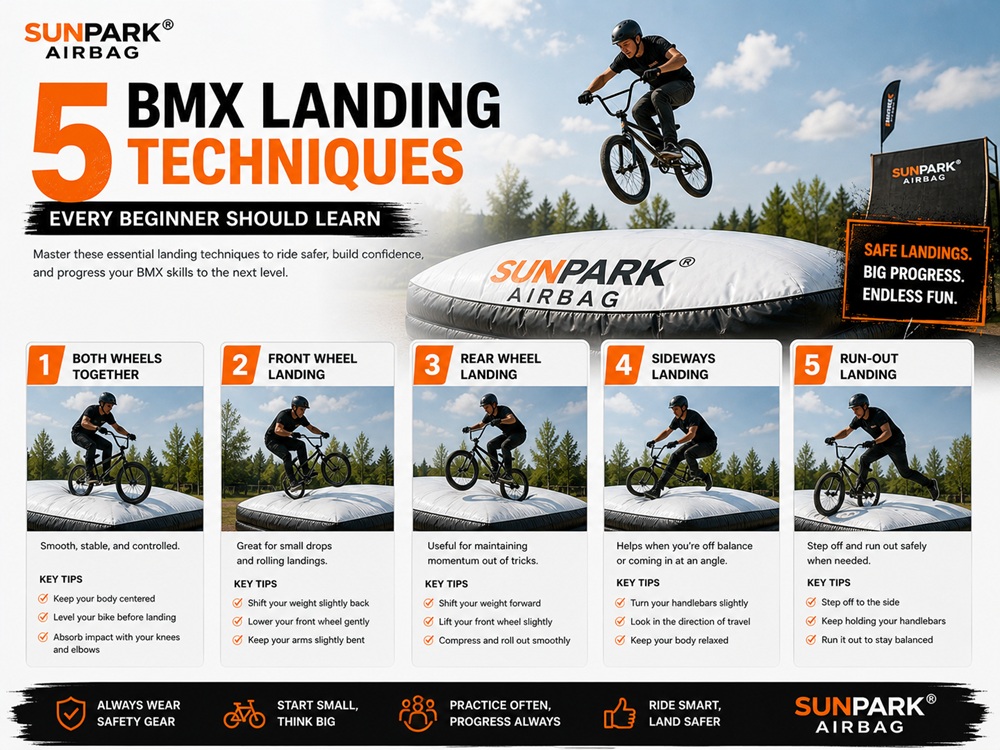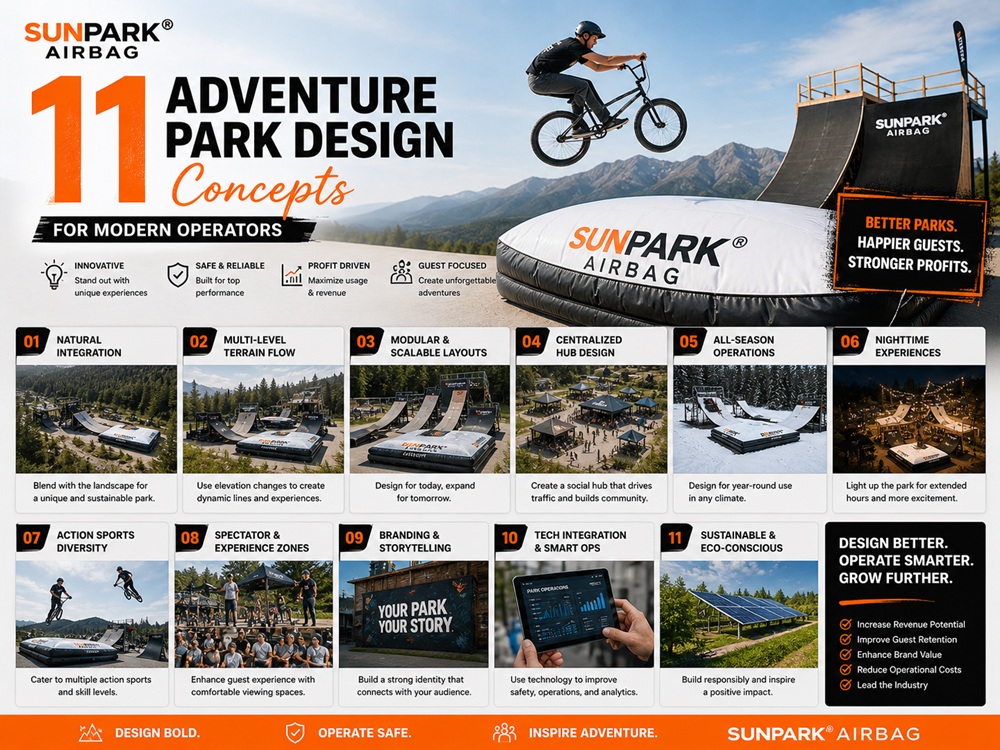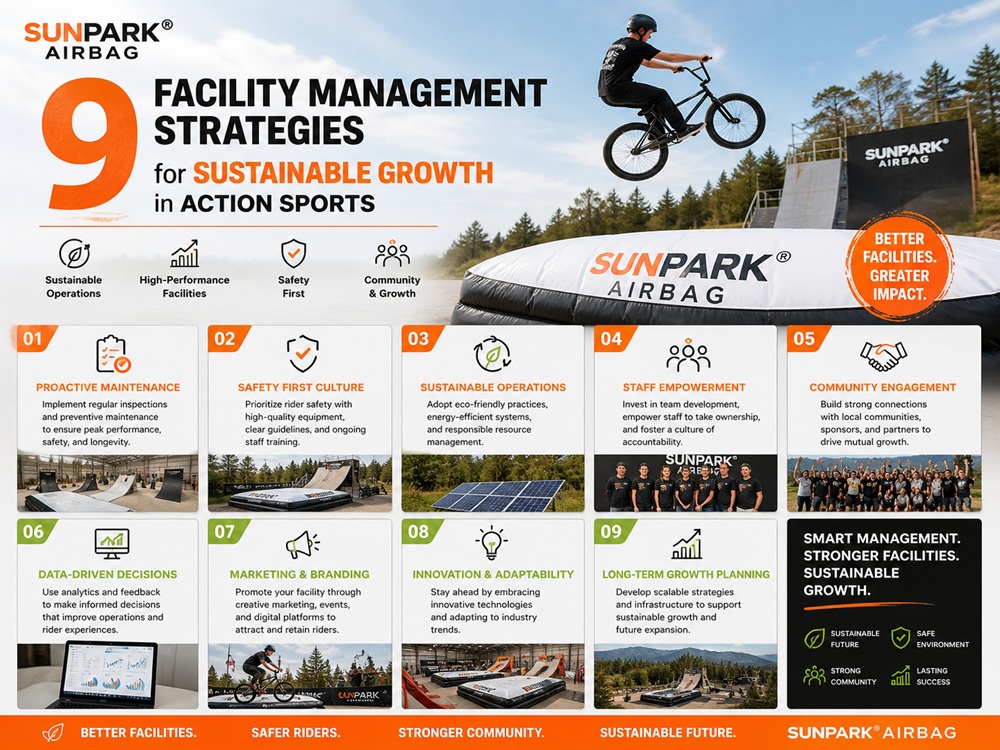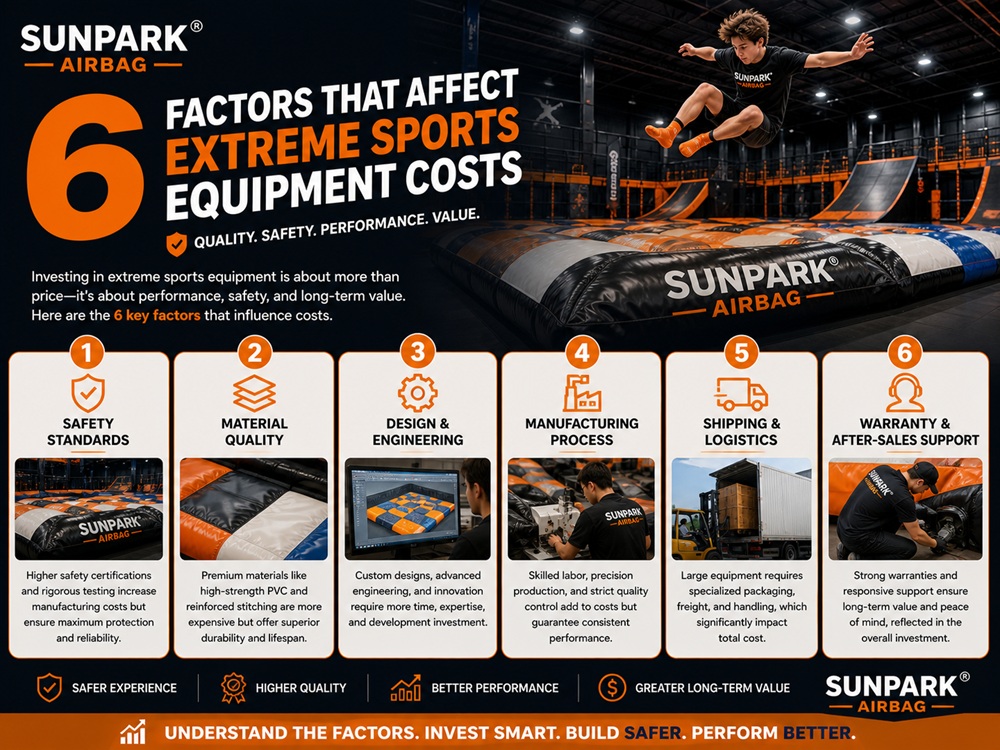
For decades, the arrival of spring meant one thing for snowboarders: hanging up the boots, losing hard-earned muscle memory, and spending the first month of the next winter just relearning old tricks. Today, the landscape of freestyle progression has completely changed. If you are serious about advancing your skills, the off-season is no longer a break; it is where the real work happens.
Athletes and coaches are constantly evaluating the most effective Snowboard Training Methodsr to maintain peak aerial awareness, edge control, and physical conditioning. From our experience working with top-tier athletes and commercial freestyle facilities globally, sticking solely to living-room balance boards is a waste of time. To truly progress safely, you need to engage in high-impact, low-consequence environments.
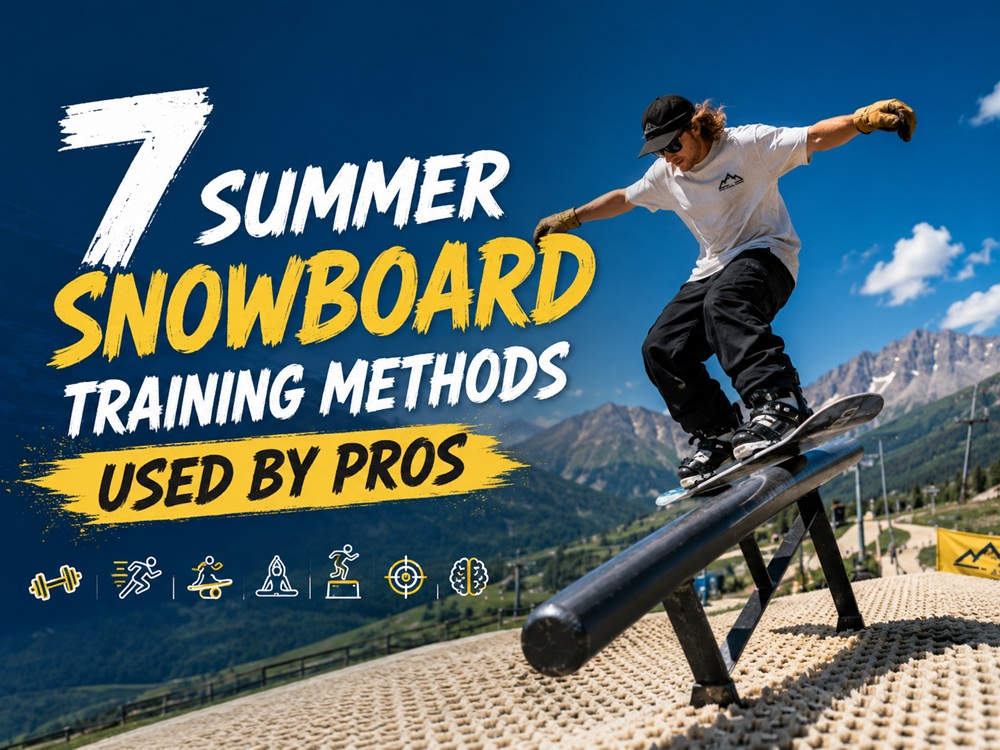
In this comprehensive guide, we dissect the exact summer training protocols utilized by professional snowboarders. We take a firm position on what works, what creates bad habits, and whether specific equipment is actually worth using, buying, or upgrading.
Quick Answer: The Best Summer Training Protocol
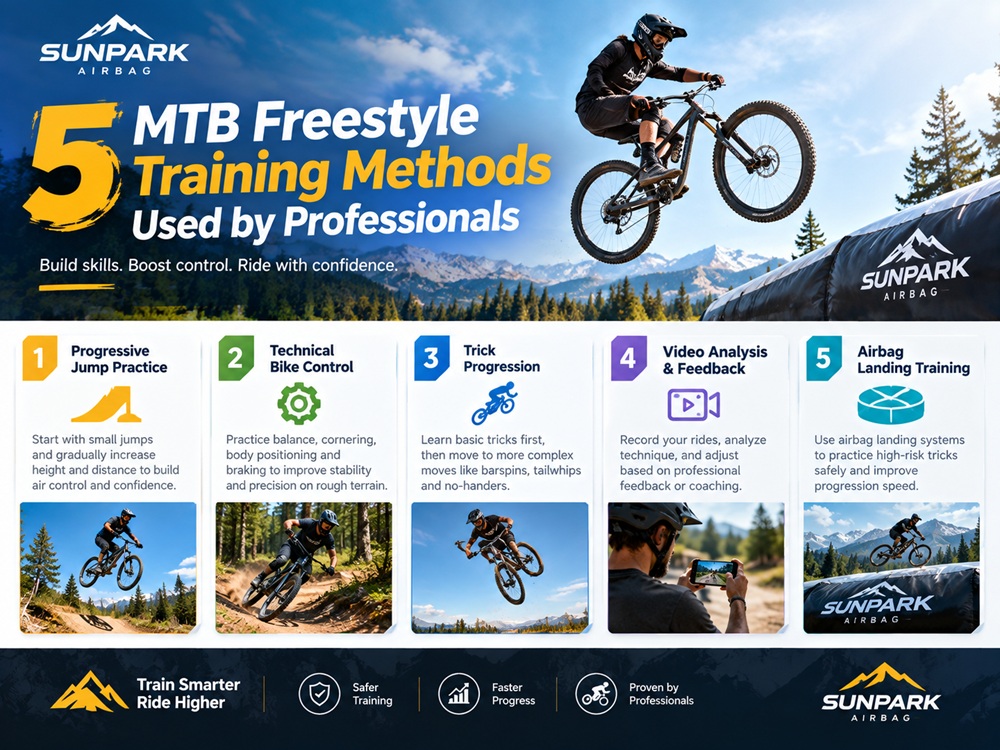
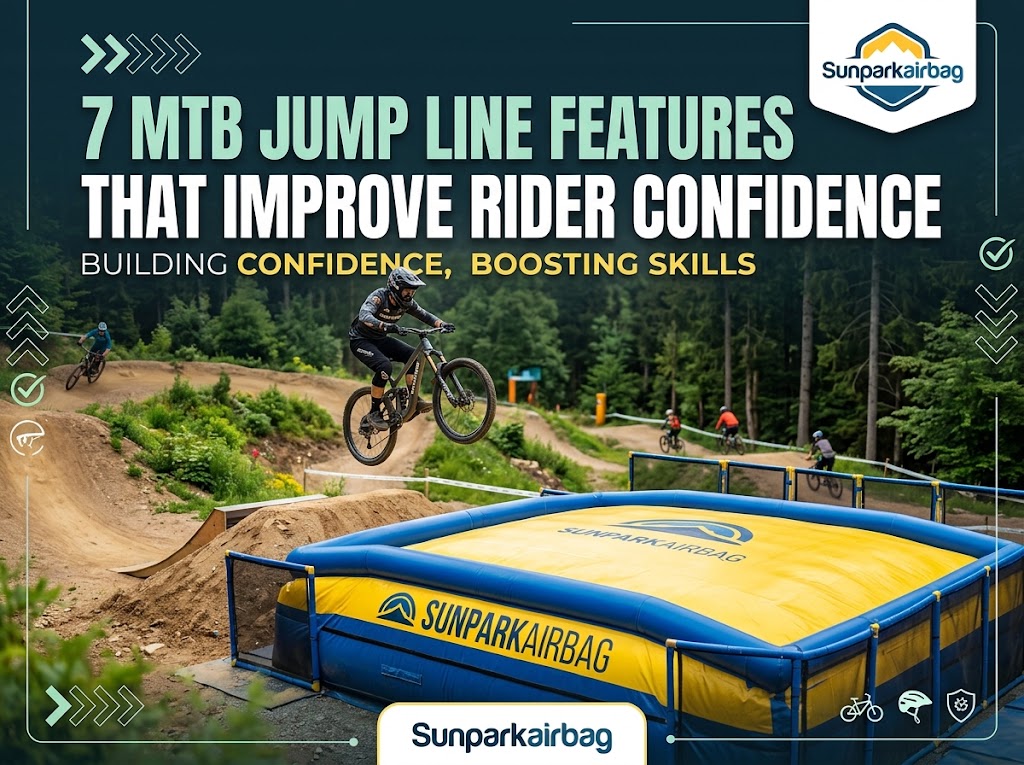
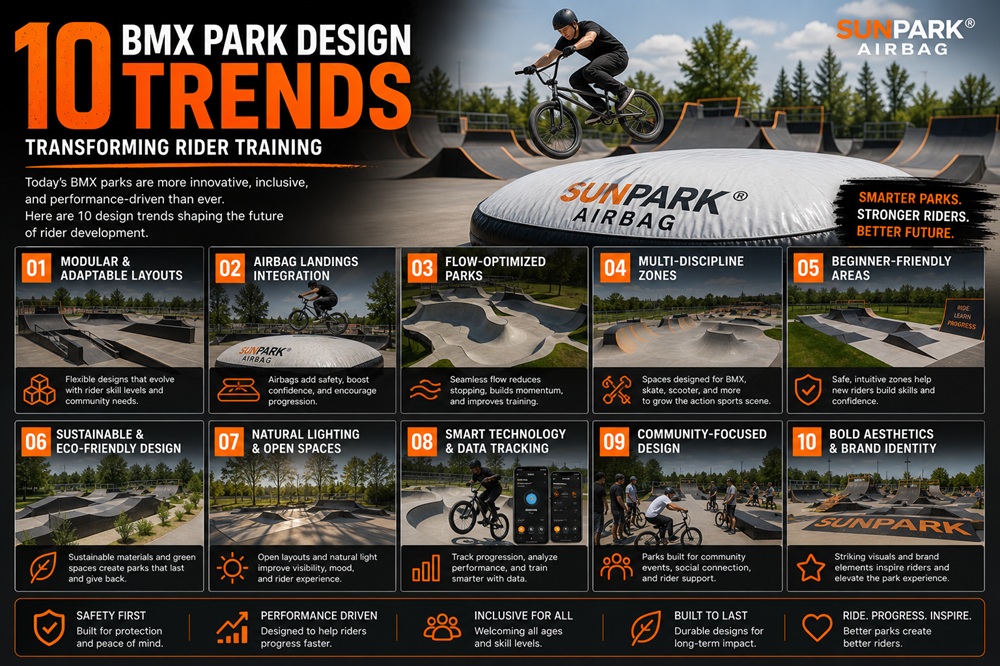
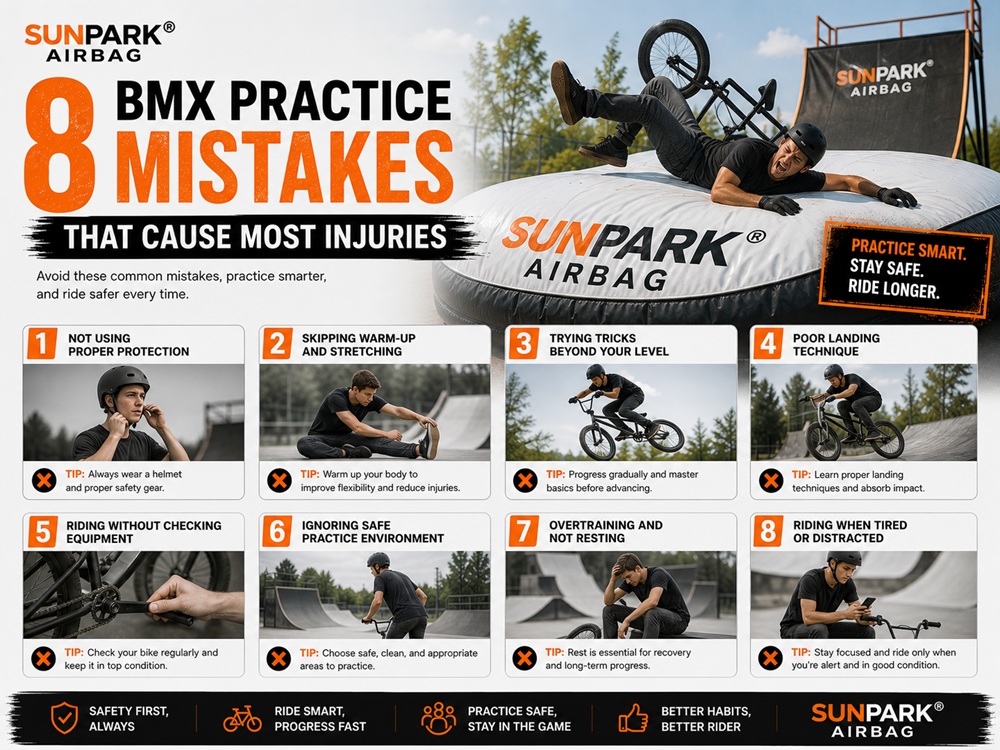
If you want to master new off-axis rotations and complex aerial maneuvers during the summer, the undisputed champion of all Snowboard Training Methodsr is the combination of dry slope in-runs with professional inflatable airbag landing systems.
Our Expert Recommendation: Stop risking injuries on hard synthetic snow landings. Utilizing a proper setup from SUNPARK® AIRBAG allows you to attempt double corks and complex spins with zero consequences. Supplement this with trampoline boarding for spatial awareness and targeted gym plyometrics for explosive leg strength.
Explorer of Airbag System for Sports
With over 10 years of experience, we provide freestyle airbags for ski resorts, theme park, sports and gymnastics facility around the globe. SUNPARK® AIRBAG is the leading manufacturer of Airbags for Extreme Sports and Leisure Industries in China.
Table of Contents
- Quick Summary Table: Top Training Methods
- What It Is and How It Works: The 7 Methods
- Benefits and Limitations of Summer Training
- Pros and Cons Table
- Who Should Use These Methods (And Who Does Not Need Them)
- Method Comparison Table
- Common Mistakes in Off-Season Training
- Buying Considerations for Commercial and Home Use
- Expert Recommendation & Bottom Line
- Authoritative References
- Frequently Asked Questions
Quick Summary Table: Top Training Methods
| Training Method | Primary Skill Developed | Cost/Accessibility | Injury Risk Level |
|---|---|---|---|
| Airbag Landing Systems | High-impact aerials, off-axis rotations | Moderate (Facility access needed) | Very Low |
| Trampoline Boarding | Spatial awareness, grab mechanics | Low to Moderate | Low |
| Dry Slope Parks | Edge control, rail sliding | Moderate | High (if no airbag) |
| Wakeboarding | Switch riding, edge hold | Moderate | Moderate |
| Skateboarding (Vert/Bowl) | Pumping, transition riding, flow | Low | High |
| Strength & Conditioning | Explosive pop, injury prevention | Low | Low |
| Balance/Jib Boards | Core stability, basic rail stalls | Low (At-home) | Very Low |
What It Is and How It Works: The 7 Methods
1. Airbag Landing Systems (The Gold Standard)
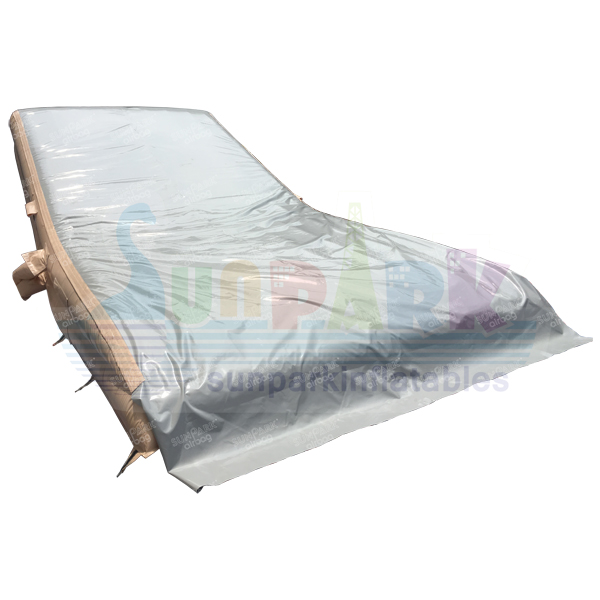
Airbag systems have revolutionized extreme sports. Instead of launching off a dry slope kicker and landing on punishing synthetic bristles, athletes launch and land safely on a massive, highly engineered inflatable cushion. How it works is simple: a dry slope or synthetic snow in-run provides the speed, and the airbag absorbs the kinetic energy of the landing.
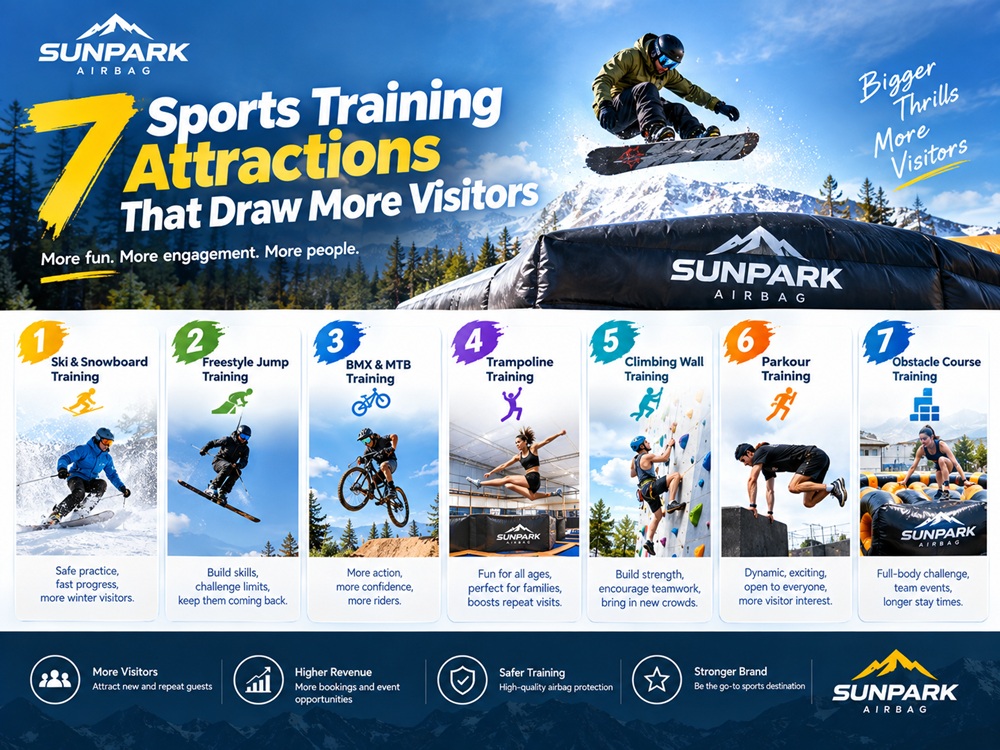
In most professional situations, athletes refuse to learn double or triple corks on hard snow. They take it to the airbag first. This is where SUNPARK® AIRBAG excels. By offering advanced landing airbag solutions, athletes can accurately mimic the pitch of a real mountain landing. Whether you are using a standard kicker bag or a massive Halfpipe Airbag for transition training, this method provides the highest return on investment for freestyle progression. If you want to know where to start, reviewing our airbag jump locations guide is highly recommended.
2. Trampoline Boarding
Trampoline training involves strapping a specialized foam-edged snowboard to your feet and bouncing on a high-performance trampoline. This focuses entirely on aerial mechanics. It allows you to slow down the sensation of flipping and spinning, helping you understand where you are in the air (proprioception). For beginners and pros alike, combining a trampoline with a gym airbag for training allows for safe dismounts when attempting complex corks.
3. Dry Slope and Synthetic Snow Parks
Dry slopes utilize interlocking plastic bristles (like Snowflex or Neveplast) that mimic the glide of real snow when lubricated with water mist. They are excellent for maintaining your edge control and hitting rail setups during the summer. However, in our testing, falling on dry slope is incredibly painful and can lead to severe friction burns (“snowflex thumb” is a real issue). We only recommend dry slopes if they terminate into an inflatable jump airbag.
4. Wakeboarding and Cable Parks
Wakeboarding is frequently touted as a great crossover sport. While it is fantastic for maintaining leg strength and practicing switch edge control on water, we have strong opinions on its limitations. Because you are holding a tow rope, wakeboarding creates a “lazy” upper body stance. Your shoulders stay square to the boat or cable, which actively contradicts the rotational shoulder mechanics required for snowboarding. It is fun, but it is not a perfect 1:1 training tool.
5. Skateboarding (Transition and Surfskating)
Riding bowls, halfpipes, and pump tracks on a skateboard translates beautifully to snowboarding. It teaches you how to generate speed by pumping through transitions and bending your knees. Surfskates (skateboards with a swiveling front truck) are particularly effective at replicating the heel-to-toe carve of a snowboard. The major limitation here is the high risk of concrete impacts.
6. Gym-Based Strength and Plyometrics
Snowboarding destroys knees and lower backs if they are not protected by armor-like musculature. Professional Snowboard Training Methodsr always include heavy gym time. Box jumps, Bulgarian split squats, and heavy deadlifts build the explosive pop required to clear massive jumps, while deep core work protects the spine during hard landings.
7. At-Home Balance and Jib Boards
A jib board is a handle-less deck that you balance on a foam roller or a static plastic cylinder. While heavily marketed to novices, commercial and practical judgment dictates that these have a low ceiling for progression. They are fine for dialing in muscle memory for a front-board rail stall in your living room, but they will not help you land a 720 on the mountain.
Benefits and Limitations of Summer Training
The primary benefit of adopting rigorous Snowboard Training Methodsr in the off-season is the elimination of “ring rust.” You start the winter season precisely where you left off, rather than spending December re-learning basics. Furthermore, training on forgiving surfaces like airbags drastically reduces the risk of season-ending injuries.
The main limitation is the translation gap. No synthetic surface or trampoline feels exactly like frozen water. You must understand that summer training builds the *mechanics* of a trick, but you will still need to make minor adjustments once you are back on real snow in a heavy winter jacket with varying wind conditions.
Pros and Cons Table: Off-Season Airbag & Trampoline Training vs. Winter-Only Riding
| Summer Airbag/Tramp Training | Winter-Only Riding (No Off-Season) |
|---|---|
| Pro: Zero-consequence environment for learning dangerous inverted tricks. | Pro: 100% authentic snow feel and edge friction. |
| Pro: Consistent weather and jump conditions (no icy landings). | Pro: Builds actual mountain awareness and variable terrain adaptability. |
| Con: Requires financial investment in facility access or home equipment. | Con: High risk of severe injury when attempting new tricks on hardpack snow. |
| Con: Synthetic in-runs can dull snowboard edges quickly. | Con: Muscle memory degrades significantly over the 6-month summer break. |
Who Should Use These Methods (And Who Does Not Need Them)
For beginners: If you are just learning how to link turns, do not waste money on advanced trampoline foam boards or giant kicker airbags. Your best summer training is a surfskate board in an empty parking lot to master heel-to-toe weight transfer, combined with basic leg squats.
For commercial users and aspiring pros: If you are throwing 540s and looking to learn corks, you absolutely must be utilizing airbag facilities. In modern snowboarding, attempting an off-axis double rotation on hard snow without previously dialing in the spatial awareness on an airbag is reckless and amateurish. We highly advise visiting the best snowboard airbag parks to safely push your limits.
Method Comparison Table: The High-Impact Trinity
| Feature | Airbag Systems | Trampoline Boarding | Dry Slope (No Airbag) |
|---|---|---|---|
| Realism (Board Feel) | High (You wear actual boots/board) | Low (Bouncing mechanics differ) | Moderate to High |
| Fear Factor / Consequence | Very Low | Low | Very High |
| Best Used For… | Committing to massive spins/flips | Learning grab timing & spotting landings | Rail tricks & lip take-offs |
Common Mistakes in Off-Season Training
From our experience, the most detrimental mistake athletes make during the summer is developing “trampoline style.” Because trampolines give you artificial bounce, riders often forget to “pop” (extend their legs) off the lip of a jump. They simply let the trampoline throw them into the air. When they take this back to the snow, they absorb the jump lip and crash instantly.
Another common mistake is training without an actual snowboard attached to your feet. Doing a backflip on a trampoline in your socks feels completely different than doing it with 10 pounds of fiberglass strapped to your stance. Always use a foam training board to simulate the swing weight.
Buying Considerations for Commercial and Home Use
If you are a facility owner or a highly dedicated athlete looking to invest in these Snowboard Training Methodsr, commercial and practical judgment is required. Not all inflatable systems are equal.
- Durability and Materials: For heavy-duty applications, the top sheet of the airbag must be constructed from advanced PVC that resists tearing from sharp snowboard edges. Standard bouncy castle material will shred in an hour.
- Air Venting Technology: A cheap airbag will bounce the rider back into the air (the trampoline effect). A professional SUNPARK® AIRBAG utilizes engineered air-release valves that absorb the impact, allowing the rider to ride out or sink safely without rebounding.
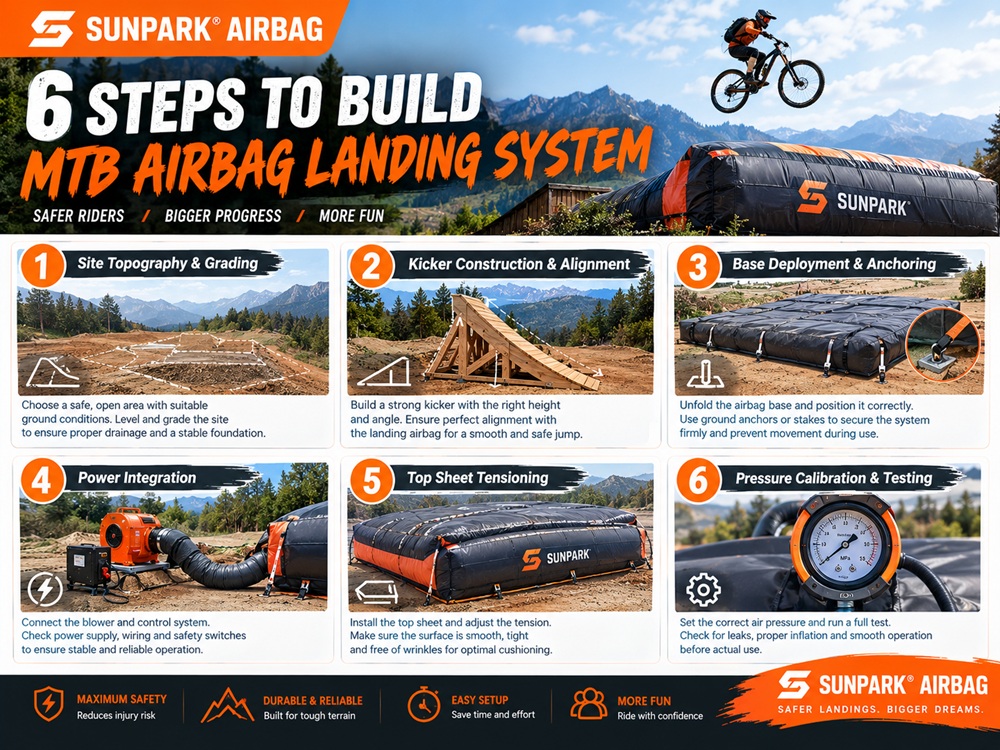
- Customization: If you run a multi-sport facility, ensure your manufacturer can design custom pitches. For instance, many facilities combine snow setups with inflatable MTB airbag solutions to maximize summer revenue.
Expert Recommendation & The Bottom Line
The days of relying on sheer bravery to learn new freestyle tricks are over. Professional snowboarding is now a calculated science of biomechanics and repetitive safety training.
The Bottom Line: If we have to rank the absolute best Snowboard Training Methodsr, an inclined airbag landing system paired with a synthetic in-run is unmatched. It is the only method that accurately replicates the speed, swing weight, and trajectory of a real mountain jump while entirely removing the orthopedic risks associated with crashing. We recommend that serious athletes seek out facilities utilizing SUNPARK® AIRBAG technology, or for commercial facility owners, upgrading your outdated foam pits to sanitary, high-performance airbag systems to drastically increase rider safety and progression.
Authoritative References
To ensure our training methodologies align with elite sports science, we reference the following authoritative organizations that guide professional action sports development:
- US Ski & Snowboard – The national governing body providing athletic development guidelines and off-season training protocols for Olympic-level snowboarders.
- International Ski and Snowboard Federation (FIS) – The global governing body setting the standards for competitive freestyle park and pipe facility safety.
- National Strength and Conditioning Association (NSCA) – The leading authority on plyometric and strength training regimens required for extreme sports injury prevention.
Frequently Asked Questions
Yes. Professional systems like those manufactured by SUNPARK® AIRBAG feature a highly durable, replaceable top sheet specifically engineered to withstand the friction and impact of steel snowboard edges without puncturing. However, athletes are still advised to slightly detune heavily burred edges to prolong the lifespan of the equipment.
No. Using a regular snowboard will instantly destroy the trampoline mat and potentially cause severe injury. You must use a specialized foam training board (which lacks metal edges and is constructed of dense, flexible foam) or heavily wrap an old deck in duct tape and pool noodles. We strongly recommend purchasing a dedicated foam training board.
It is acceptable for maintaining general board balance and leg fitness, but we consider it flawed for freestyle technique. Because wakeboarding requires you to hold a tow rope, it squares your shoulders forward and prevents the natural upper-body rotation vital for snowboarding spins. It can develop bad habits if used as your sole off-season training method.
The cost varies wildly depending on the size, pitch, and custom branding required. Small kicker bags can start in the lower thousands, while massive, professional slopestyle landing bags can range much higher. For a commercial facility evaluating their return on investment, we recommend consulting our guide on trampoline park owner income to understand how high-end attractions like airbags drive ticket sales.