The era of learning triple tailwhips by launching yourself over a sketchy dirt jump into a pile of mulch is dead. In 2026, the progression of extreme sports is entirely dictated by the quality of the infrastructure athletes have access to. If you want to compete at a global level, you cannot rely on trial and error. You need calculated, repetitive, and safe progression. From our experience designing safety equipment for elite sports complexes, the line separating a good skatepark from a world-class training center comes down to one metric: risk mitigation.
When athletes search for the premier BMX Training Facilities, they are not looking for simple concrete bowls. They are looking for environments engineered to push boundaries safely. This means transitioning from the outdated, unhygienic foam pits of the past to precision-engineered pneumatic landing systems, padded roll-outs, and Olympic-spec Supercross tracks. In this guide, we strip away the marketing fluff to evaluate the absolute best places to train globally, giving you the commercial and practical judgment necessary to decide where to invest your travel and training budget.
Quick Answer
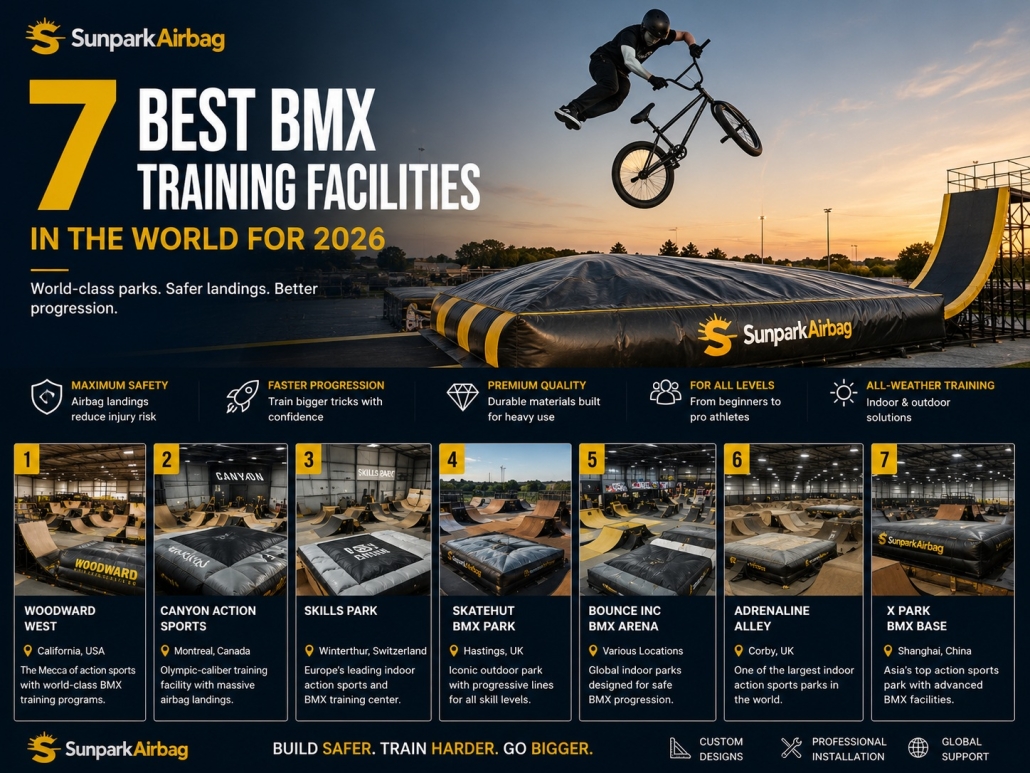
The 7 best BMX Training Facilities in the world for 2026 are Woodward Camp (USA), Area 47 (Austria), Joyride 150 (Canada), Adrenaline Alley (UK), UCI World Cycling Centre (Switzerland), Daniel Dhers Action Sports Complex (USA), and DDASC (Australia). For commercial users and professional athletes, the defining characteristic of these elite facilities is their complete abandonment of traditional foam pits in favor of modern pneumatic airbag systems. We recommend prioritizing facilities that offer a tiered progression system: starting on a flat airbag, moving to a sloped BMX airbag landing, graduating to a resi-ramp, and finally executing the trick on hardwood or dirt.
Table of Contents
- What is an Elite BMX Training Facility?
- How Modern Progression Works
- The 7 Best Facilities Globally
- Benefits of Professional Training
- Limitations and Reality Checks
- Who Should Use These Facilities
- Who Does Not Need Them
- Common Mistakes Riders Make
- Choosing the Right Facility
- Expert Recommendation
- Data and Comparison Tables
- The Bottom Line
- Frequently Asked Questions
What is an Elite BMX Training Facility?
An elite training facility is a highly controlled architectural space dedicated strictly to athletic progression. Unlike public skateparks, which are designed for general recreation, a true training facility focuses on the science of safely learning high-consequence tricks. These indoor and outdoor complexes feature specific “progression tools.” This includes variable-height roll-ins, perfectly transitioned jump boxes, resi-ramps (a layer of foam covered by a plastic resin sheet), and, most critically, massive custom-shaped airbags.
How Modern Progression Works
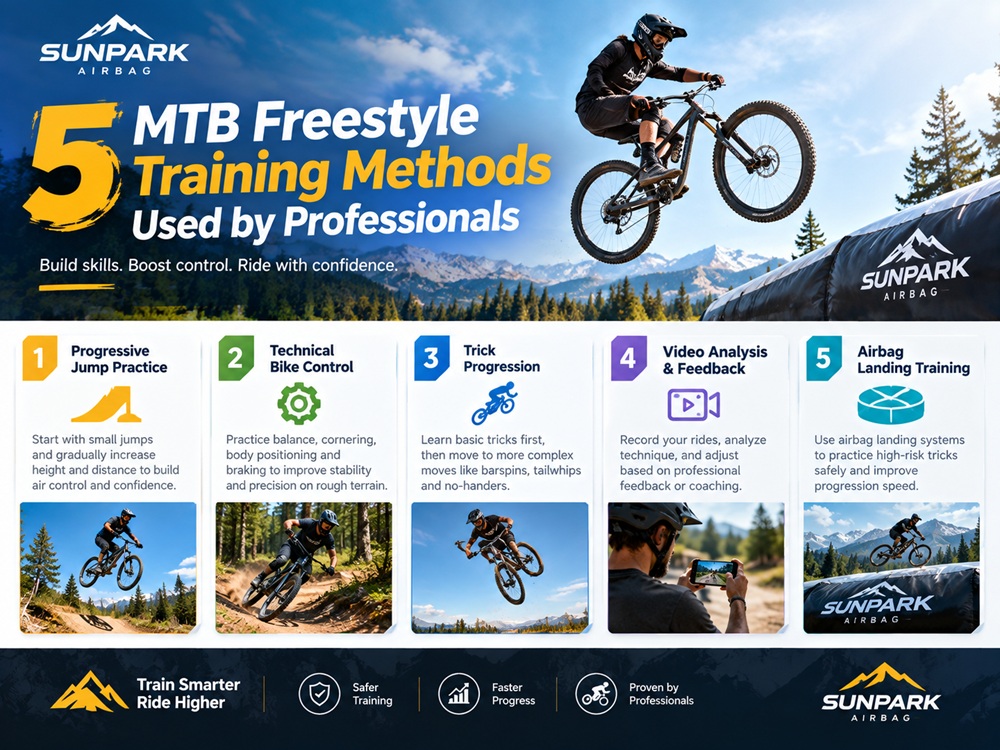
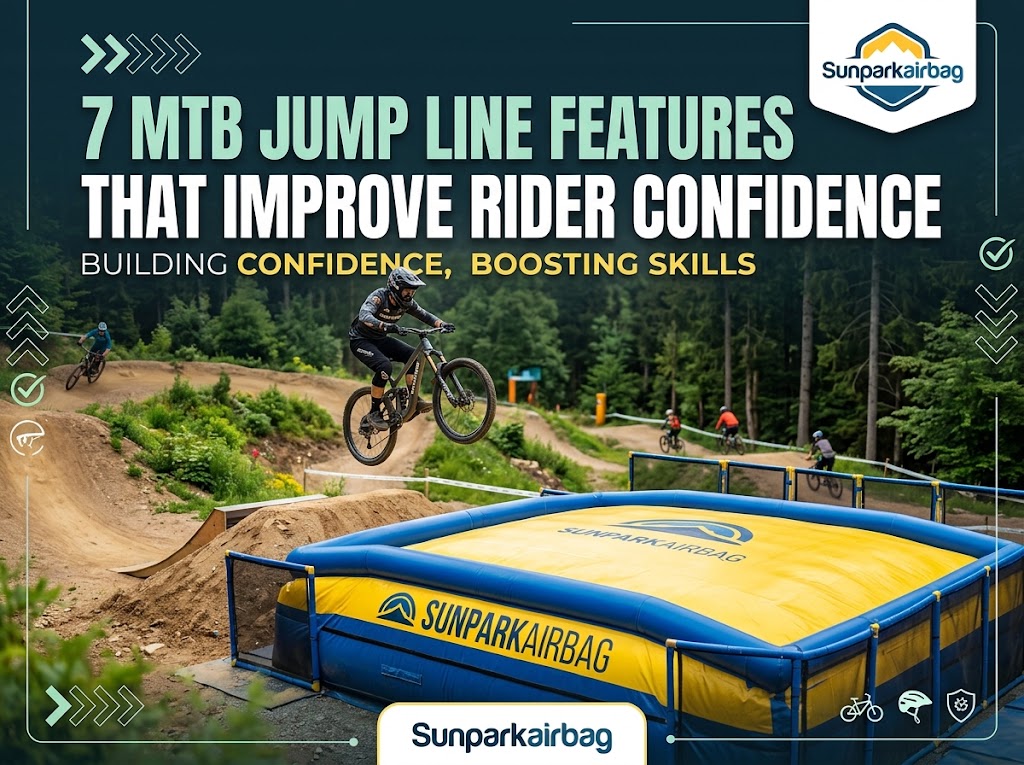
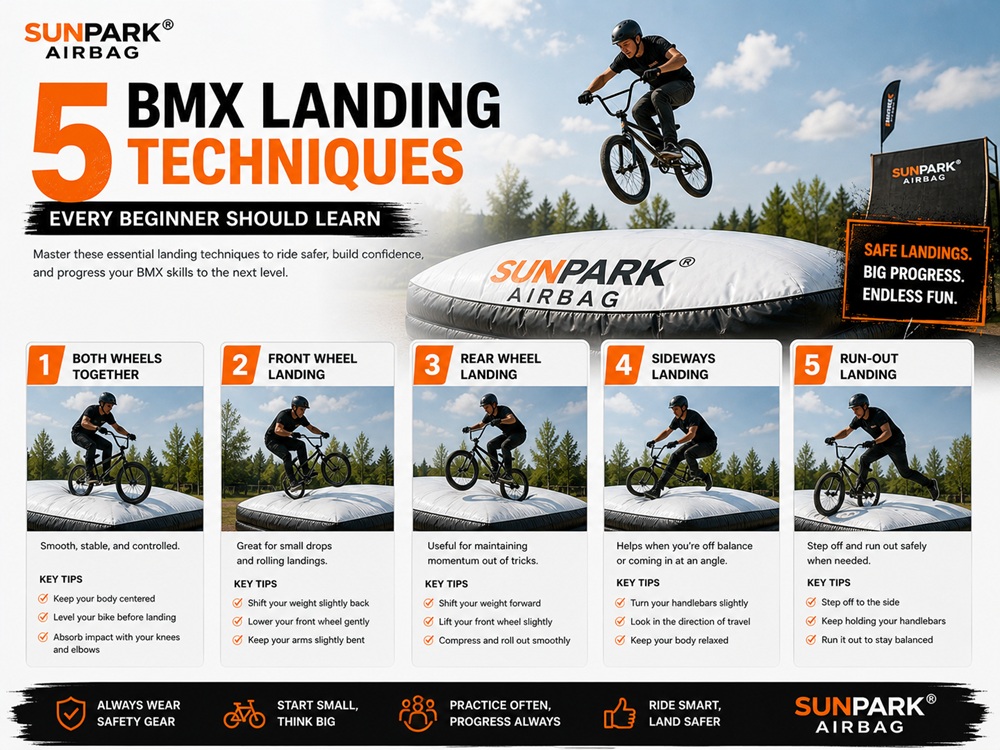
The mechanics of modern BMX progression rely on a tiered risk model. In most professional situations, a rider will never attempt a new rotational trick directly to wood or concrete. First, the trick is visualized and attempted on a trampoline to build spatial awareness. Next, the rider takes their bike to a jump with a flat airbag. Once the rotation is mastered without the penalty of a hard crash, they move to a sloped airbag landing, which simulates the trajectory of a real ramp. Finally, they transition to a resi-ramp, and then to the final hard surface. Understanding a comprehensive foam pit vs airbag comparison is essential here; airbags provide ride-away capability, which builds the muscle memory necessary for landing, whereas foam pits swallow the rider entirely and hinder proper landing mechanics.
The 7 Best BMX Training Facilities in the World
1. Woodward Camp (Pennsylvania, USA)
Woodward remains the undisputed king of action sports. It operates essentially as a small city dedicated to extreme athletics. With over a dozen indoor and outdoor parks, Woodward boasts elite-level progression setups. In our testing of global infrastructures, Woodward’s integration of massive outdoor dirt jumps culminating in sloped airbag landings sets the gold standard for dirt jumping progression.
2. Area 47 (Ötztal, Austria)
Area 47 is an extreme sports paradise. While famous for its water ramps, its dry-land BMX and MTB training center is spectacular. They utilize cutting-edge bike airbag landing systems that allow European riders to train year-round regardless of the alpine weather. The steepness and variety of their roll-ins are perfect for dialing in high-speed, multi-rotation tricks.
3. Adrenaline Alley (Corby, UK)
As Europe’s largest indoor action sports venue, Adrenaline Alley is the training ground for the British Olympic team. For heavy-duty applications, this facility delivers. They have ripped out outdated safety hazards and installed massive, rideable airbag systems that allow park riders to repeatedly drill double-flips without risking career-ending joint impact.
4. UCI World Cycling Centre (Aigle, Switzerland)
If your discipline is BMX Racing or Supercross, the UCI headquarters is the pinnacle. This facility features identical replicas of Olympic-spec tracks, including the terrifying 8-meter Supercross starting hill. It is an incredibly clinical environment focused heavily on aerodynamics, gate speed, and track flow rather than freestyle tricks.
5. Joyride 150 (Ontario, Canada)
Joyride 150 is arguably the most perfectly designed indoor park for gradual progression. They cater to everyone from toddlers on balance bikes to X Games medalists. Their facility includes rhythm sections, a foam/resi progression room, and indoor cross-country loops. It is a masterclass in park flow and space utilization.
6. Daniel Dhers Action Sports Complex (North Carolina, USA)
Founded by an Olympic medalist, this complex is built by a pro, for pros. It features world-class park setups that exactly mimic the size, transition, and flow of FISE and Olympic competition courses. If you are a park rider looking to memorize run timing, DDASC is the ultimate tactical environment.
7. Asylum Skatepark (Nottinghamshire, UK)
A grittier, core BMX facility that has consistently upgraded its safety infrastructure. Asylum is famous for its massive indoor box jumps and dedicated training nights. It strikes the perfect balance between an authentic BMX atmosphere and modern safety protocols, utilizing premium landing setups to mitigate common BMX injuries and prevention.
Benefits of Professional Training Facilities
The core benefit is accelerated, consequence-free progression. A rider can attempt a trick fifty times in one afternoon on a sloped airbag without sustaining a single bruise. On dirt, one bad crash will sideline that same rider for six weeks. Furthermore, the networking aspect is invaluable; surrounding yourself with superior riders forces you to elevate your own standards and provides immediate, real-time coaching feedback.
Limitations and Reality Checks
We must exercise practical judgment: training exclusively in an elite facility can breed a false sense of security. Airbag and resi-ramp riders sometimes develop a “huck and pray” mentality, throwing reckless tricks because they know the landing is soft. When they finally transition to concrete, the fear returns, and their technique crumbles. Furthermore, access is a major limitation. Traveling to these top-tier destinations requires significant financial investment.
Who Should Use These Facilities
For commercial users and aspiring pros: If you are looking to secure sponsorships or compete at a national level, training at these facilities is non-negotiable. You cannot learn the technical density of modern BMX tricks safely at a local municipal concrete park. You need the airbags.
Who Does Not Need Them
For beginners: If you are just learning to bunny hop, manual, or drop into a quarter pipe, spending thousands of dollars to visit Woodward is a waste of capital. Learn fundamental bike control on the flat ground and small ramps of your local park before paying for elite progression tools.
Common Mistakes Riders Make
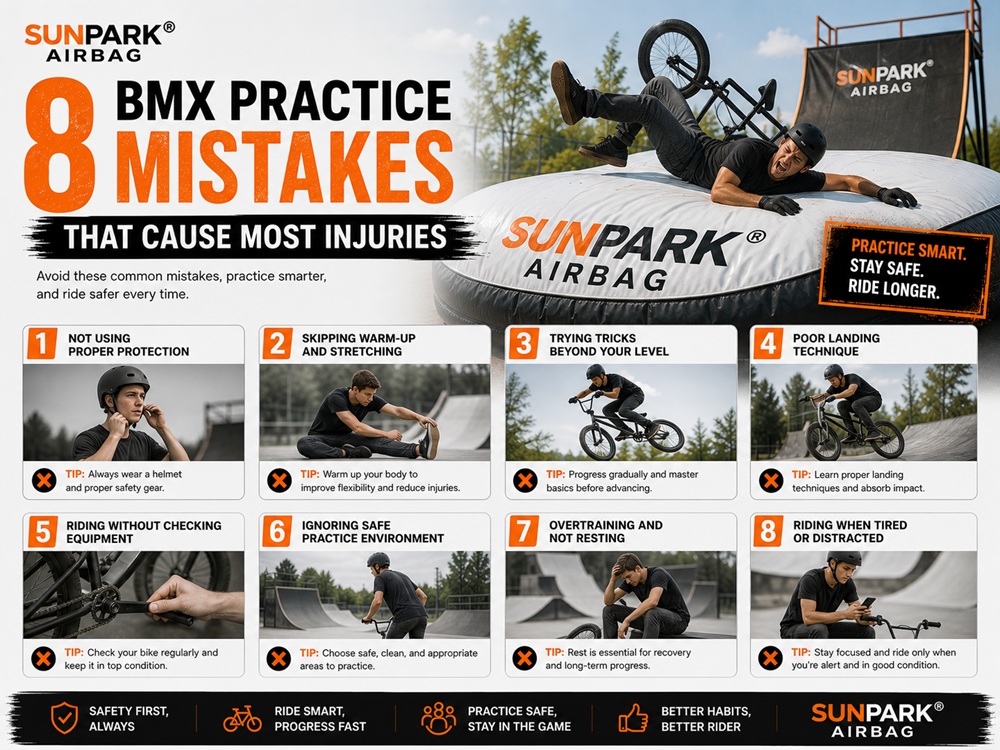
From our experience, the most catastrophic mistake riders make is relying on old, unmaintained foam pits. Foam pits are breeding grounds for bacteria, and over time, the foam breaks down, leading to riders hitting the hard floor underneath. Additionally, riders often rush the progression ladder. They will land a trick once on an airbag and immediately take it to wood, resulting in severe injury. You must land a trick flawlessly, with perfect tire contact and ride-away posture, at least ten consecutive times on a sloped airbag before taking it to a hard surface.
Choosing the Right Facility
When deciding where to train, evaluate the infrastructure critically. Look at their landing systems. Are they using the best airbag landing systems 2026 has to offer? Sloped, rideable airbags are vastly superior to flat stunt bags. Check the transition sizing; if you ride dirt, you need steep, kicked lips, whereas park riders need mellow, drawn-out transitions. Finally, check their maintenance record. A facility with torn resi-ramps and deflated bags shows a dangerous lack of commercial care.
Expert Recommendation
In most professional situations, we recommend avoiding any facility that still heavily promotes foam pits as their primary training tool. The industry has moved on. You should exclusively seek out BMX Training Facilities that have invested in pneumatic, ride-out landing systems. This infrastructure mimics the exact physics of a real landing while eliminating the catastrophic impact of a crash.
Powered by Industry-Leading Safety
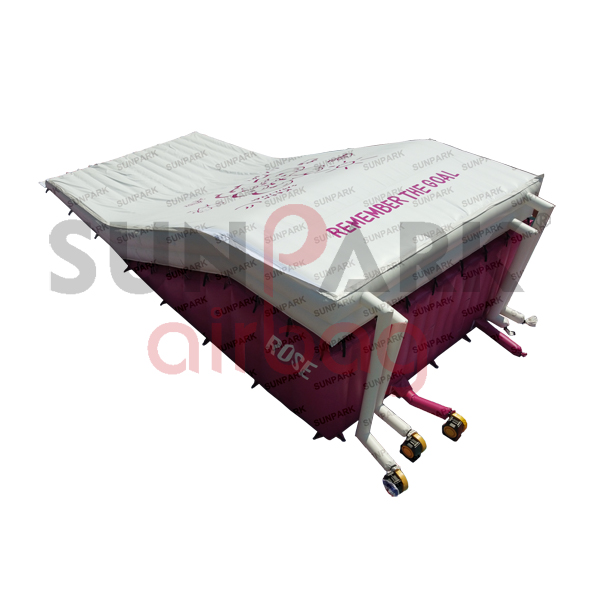
SUNPARK® AIRBAG With over 10 years of experience, we provide freestyle airbags for ski resorts, theme park, sports and gymnastics facility around the globe. SunparkAirbag® is the leading manufacturer of Airbags for Extreme Sports and Leisure Industries in China. We engineer the exact tools that make elite progression possible.
Data and Comparison Tables
| Facility Name | Location | Best Suited For |
|---|---|---|
| Woodward Camp | USA | Dirt, Park, Mega-Ramp Progression |
| UCI World Cycling Centre | Switzerland | Olympic BMX Racing & Supercross |
| Area 47 | Austria | High-speed Freestyle, Water/Dry Training |
| Adrenaline Alley | UK | Indoor Park, Elite Airbag Training |
| Feature | Traditional Foam Pit | Sloped BMX Airbag |
|---|---|---|
| Landing Mechanics | Stops momentum entirely; bad habits formed. | Allows rider to ride away; builds proper muscle memory. |
| Hygiene | Poor (Traps sweat, dirt, bacteria). | Excellent (Anti-microbial vinyl, easy to clean). |
| Retrieval Time | Slow (Digging bike out takes minutes). | Instant (Rider rolls away immediately). |
| Safety Consistency | Degrades as foam breaks down over time. | Consistent pneumatic pressure every jump. |
| Pros (Advantages) | Cons (Limitations) |
|---|---|
| Access to state-of-the-art safety infrastructure. | High cost of entry, travel, and accommodation. |
| Exposure to professional athletes and coaching. | Can create reliance on soft landings if overused. |
| Weather-proof progression in indoor complexes. | Intimidating environment for complete beginners. |
| Training Goal | Required Infrastructure | Red Flag to Avoid |
|---|---|---|
| Learning Double Flips | High roll-in to sloped ride-out airbag. | Flat airbags with no ride-out capability. |
| BMX Supercross | 8-meter starting hill, Pro-section jumps. | Asphalt tracks with flat turns. |
| Technical Park Riding | Resi-spines, foam box jumps, diverse flow sections. | Slippery wooden ramps, poor indoor lighting. |
The Bottom Line
If you are serious about advancing your capabilities in 2026, investing time at one of the premier BMX Training Facilities is a mandatory step in your career. The evolution of extreme sports safety—specifically the shift from dirty foam pits to highly engineered, sloped pneumatic airbags—has completely rewritten what is possible on a bicycle. By choosing a facility that prioritizes this modern infrastructure, you drastically reduce your risk of injury while accelerating your technical progression. Analyze the layout, verify the landing systems, and commit to the progression ladder. It is an investment that yields immediate results on the bike.
Frequently Asked Questions
Why are professional BMX facilities removing their foam pits?
From a commercial and practical standpoint, foam pits are highly unhygienic, expensive to maintain, and a severe fire hazard. More importantly, they teach terrible landing mechanics. Because a rider simply falls into the foam, they never learn to spot their landing and ride away smoothly. Sloped airbags have entirely replaced them because they allow the rider to execute the trick and roll away safely, building accurate muscle memory.
Do I need to be a professional to visit places like Woodward?
No. While these facilities cater to professionals, they are built around the concept of progression for all skill levels. They offer beginner sections, small pump tracks, and introductory foam/airbag setups. However, absolute beginners should master basic bike control before spending the money on an elite facility trip to ensure they actually benefit from the specialized equipment.
What is a resi-ramp in BMX?
A resi-ramp is a transitional landing surface that bridges the gap between an airbag and a hard wooden or concrete ramp. It typically consists of a layer of impact-absorbing foam covered by a thick, durable plastic resin sheet. It provides enough firmness to ride away from a trick, but enough give to prevent serious injury if a rider falls, making it the perfect final step before taking a trick to a real ramp.
Authoritative Industry References
- Union Cycliste Internationale (UCI): The world governing body for sports cycling, setting the international standards for BMX Racing and Freestyle park specifications. Review UCI Standards
- USA BMX: The national sanctioning body for bicycle motocross in the United States, providing regulations on track building and athlete safety protocols. Explore USA BMX
- International Olympic Committee (IOC): Official guidelines and technical infrastructure requirements for Olympic-level BMX Freestyle and Supercross venues. View Olympic Infrastructure Data