The era of throwing dirt into haphazard mounds and calling it a training facility is dead. Modern extreme sports facilities have evolved into highly engineered, precision-focused training centers. As riders push the boundaries of what is physically possible on a bicycle, the infrastructure supporting them must eliminate unnecessary risk while accelerating the learning curve. If you own, operate, or are planning to build a facility, understanding current BMX Park Design Trends is not just about aesthetics; it is a matter of commercial survival, liability mitigation, and rider retention.
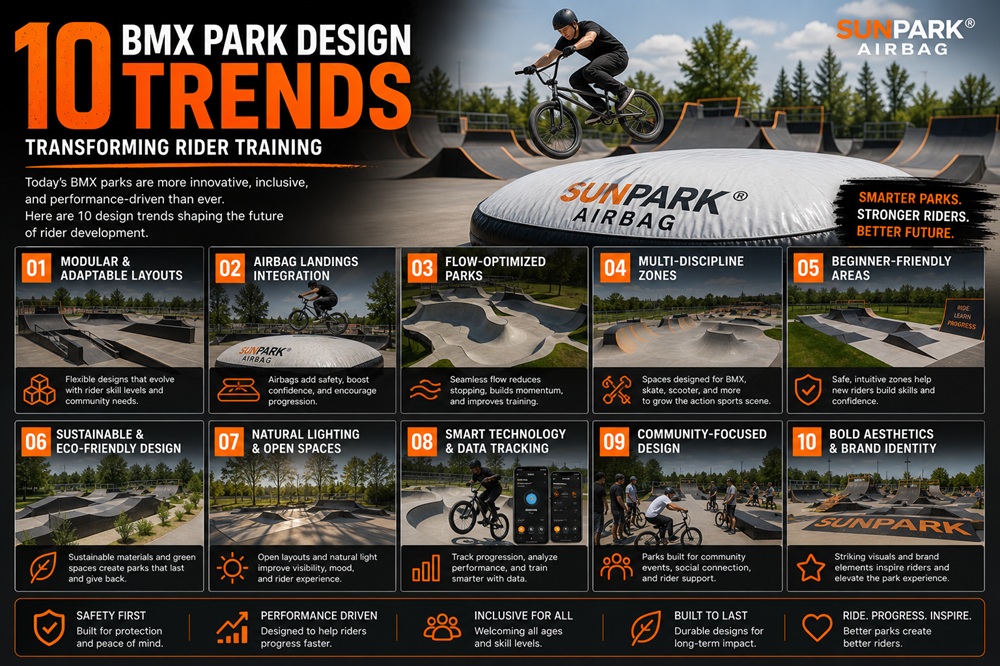
From our experience building out progression zones for world champions and commercial facilities alike, we have witnessed a massive shift away from punishing concrete and unsanitary foam pits toward sophisticated, inflatable technology and modular park geometry. In this comprehensive guide, we dissect the design trends that are fundamentally altering how BMX athletes train, helping you make informed purchasing decisions that guarantee a high return on investment.
Quick Answer: The Future of BMX Training Facilities
The most critical shift in modern BMX Park Design Trends is the transition from high-consequence, static landing surfaces to forgiving, dynamic progression infrastructure. If you are building or upgrading a park today, you must implement the following:
- Airbag Landings: Eradicating foam pits in favor of hygienic, shock-absorbing inflatable landings.
- Resi Ramps: Utilizing padded resin surfaces as a transition between airbags and hard wood/concrete.
- Modular Geometry: Building adjustable kickers and landings to accommodate different skill levels.
Ultimately, a commercial facility that fails to offer a safe, stepped progression system will lose its customer base to parks that invest in modern safety technology.
What Are Modern BMX Park Design Trends?
BMX Park Design Trends represent the architectural, technological, and material shifts in how freestyle cycling facilities are constructed. Historically, parks were built with rigid materials—concrete bowls, wooden box jumps, and dirt trails. A rider learning a new trick faced binary outcomes: land perfectly or suffer a severe impact.
Modern design trends focus entirely on the concept of “safe progression.” This means designing an environment where a rider can fail safely dozens of times before taking a trick to a hard surface. This involves integrating impact-absorbing materials, precision-calculated ramp transitions, and specialized zones dedicated strictly to skill acquisition rather than competitive performance.
How The New Training Infrastructure Works
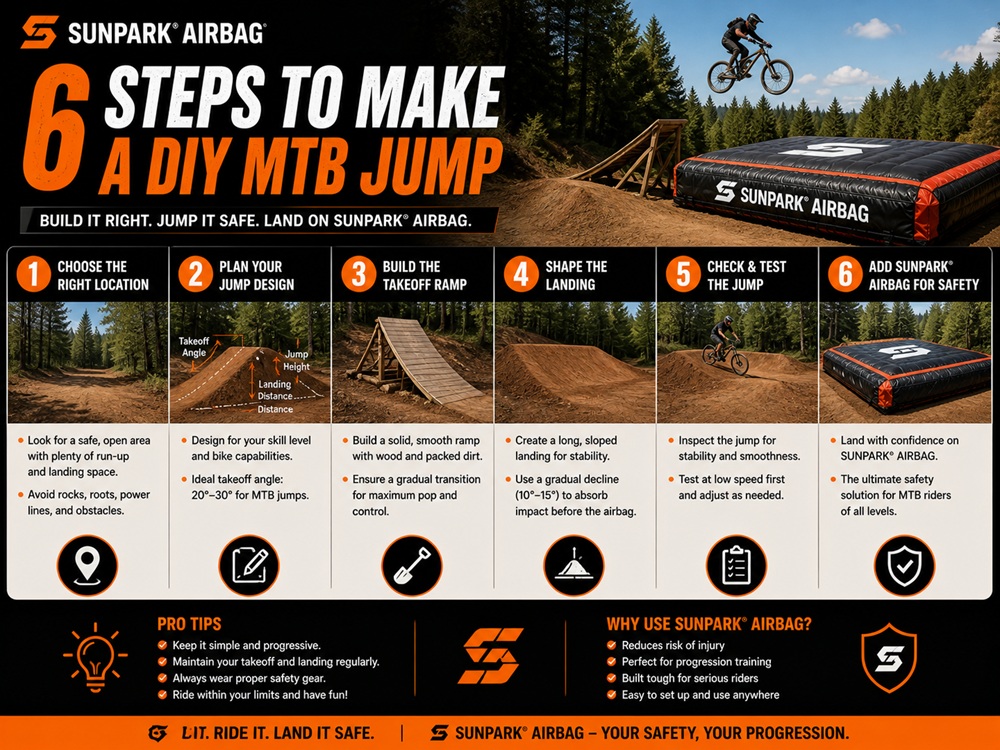
The modern training facility operates on a step-by-step graduation system. For beginners, the infrastructure is soft; as the rider’s skill increases, the infrastructure hardens. A typical trick progression cycle in a modern park works like this:
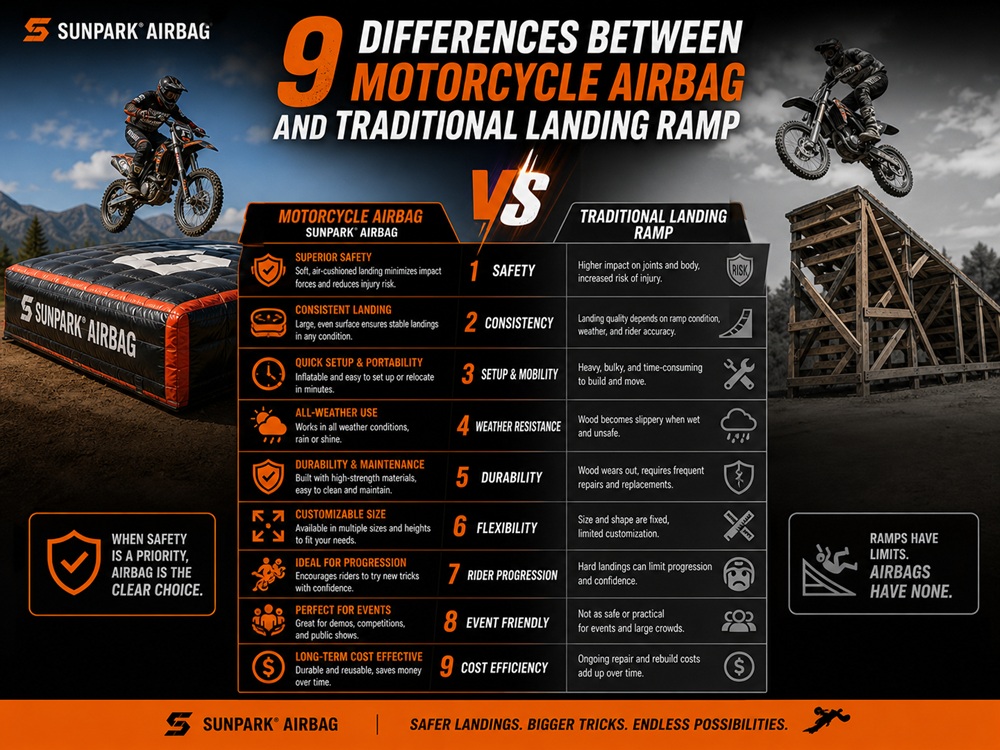
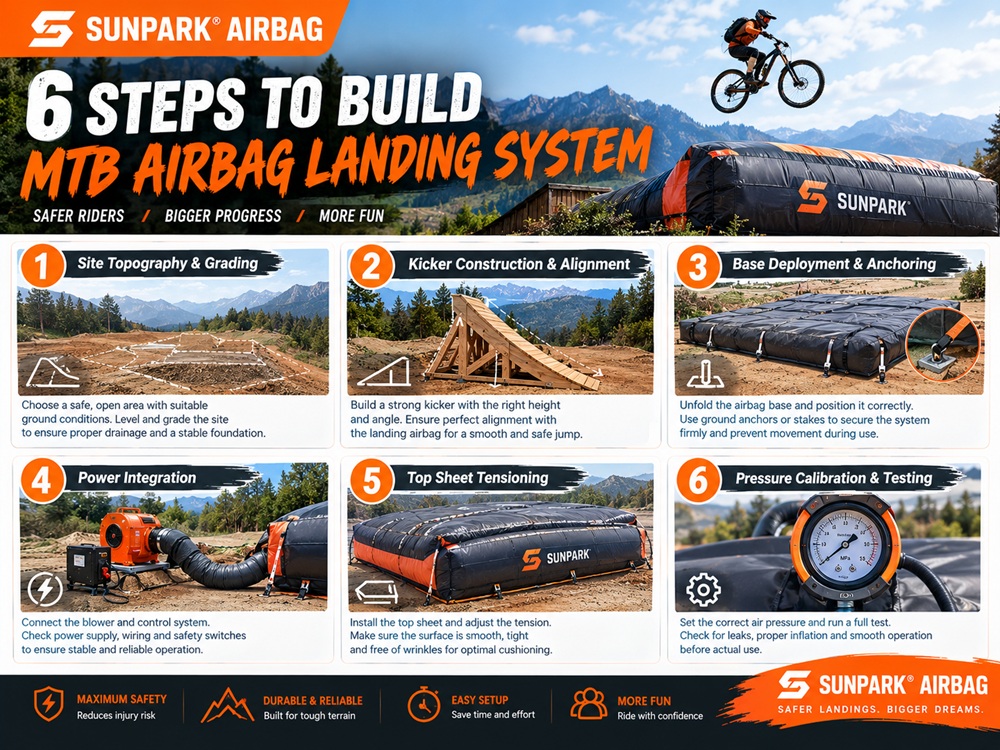
First, the rider attempts the maneuver on a trampoline or into a soft inflatable bag. Once the body mechanics are understood, the rider moves to a BMX airbag landing system shaped like a real ramp, allowing them to ride away from a successful trick or crash softly if they fail. Next, they graduate to a “Resi” ramp (a layer of foam topped with a flexible rubber/plastic sheet). Finally, the rider takes the perfected trick to standard wood or concrete park features.
10 BMX Park Design Trends Transforming Rider Training
1. The Extinction of the Traditional Foam Pit
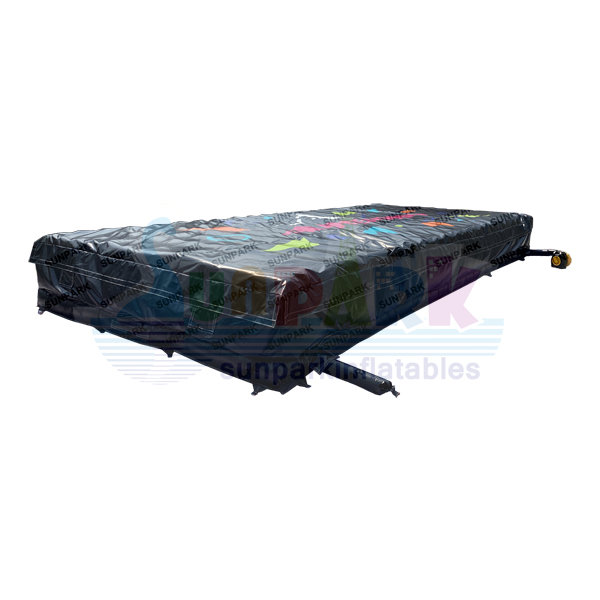
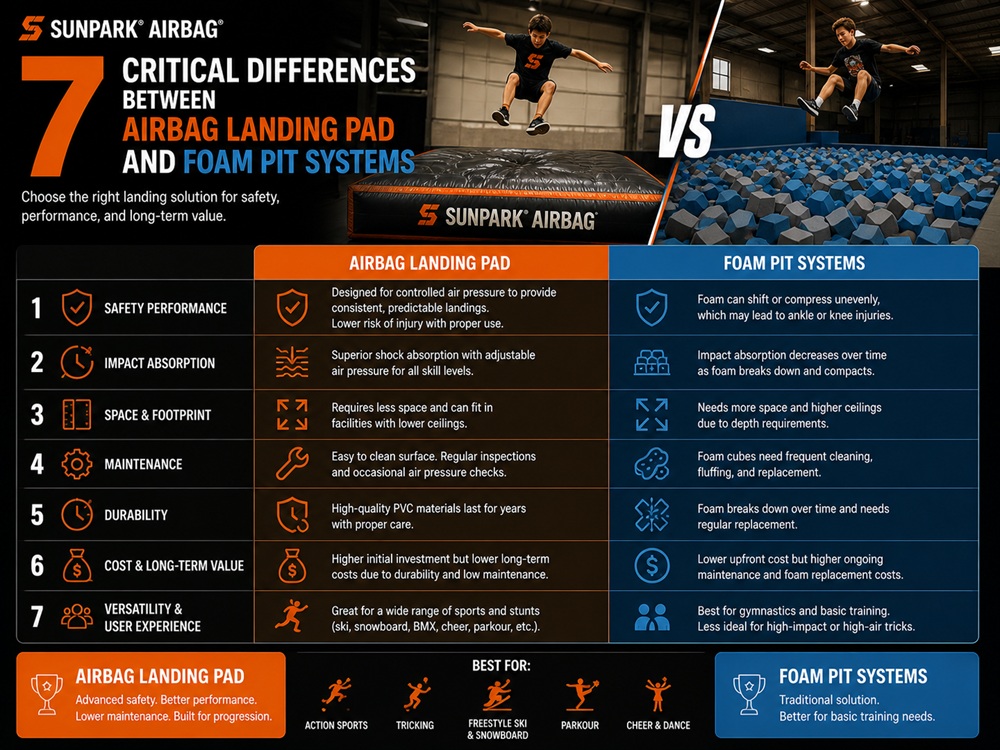
For decades, the foam pit was the gold standard for learning new tricks. Today, it is a massive liability. Foam pits are unsanitary, harboring sweat, bacteria, and discarded bandages. Furthermore, extracting oneself from a foam pit is exhausting, drastically reducing the number of practice repetitions a rider can achieve in an hour. Savvy operators are ripping out their pits, a shift we explore deeply in our foam pit vs airbag comparison.
2. True-to-Transition Airbag Landings
The direct replacement for the foam pit is the sloped airbag. Unlike early flat stunt bags that abruptly stopped a rider’s momentum, modern airbags mimic the exact geometry of a real landing ramp. Riders can pedal into a kicker, execute a double backflip, and actually ride away down the inflatable transition. This creates highly realistic muscle memory.
3. Implementation of Resi (Resin) Ramps
Resi ramps bridge the psychological gap between the airbag and the hard wood. By placing high-density impact foam beneath a layer of slick, durable resin plastic, park designers create a surface firm enough to roll on but soft enough to absorb the impact of a harsh casing. Every top-tier training facility now features a dedicated resi line.
4. Modular and Adjustable Ramp Geometry
Static parks become boring. The current trend is highly modular construction. Using hydraulic lifts or modular wooden blocks, park operators can change the angle of a kicker or the gap distance of a jump in minutes. This keeps the local riding community engaged and allows a single facility to cater to both amateurs and visiting professionals.
5. Multi-Discipline Integration
Facilities are no longer strictly for bikes. The financial reality of running a massive indoor warehouse means operators must diversify. We are seeing BMX parks integrate seamlessly with gymnastics zones and trampoline areas. If you are expanding your business model, consulting with trampoline park equipment manufacturers is a crucial step to maximize your square footage.
6. Focus on Injury Mitigation Design
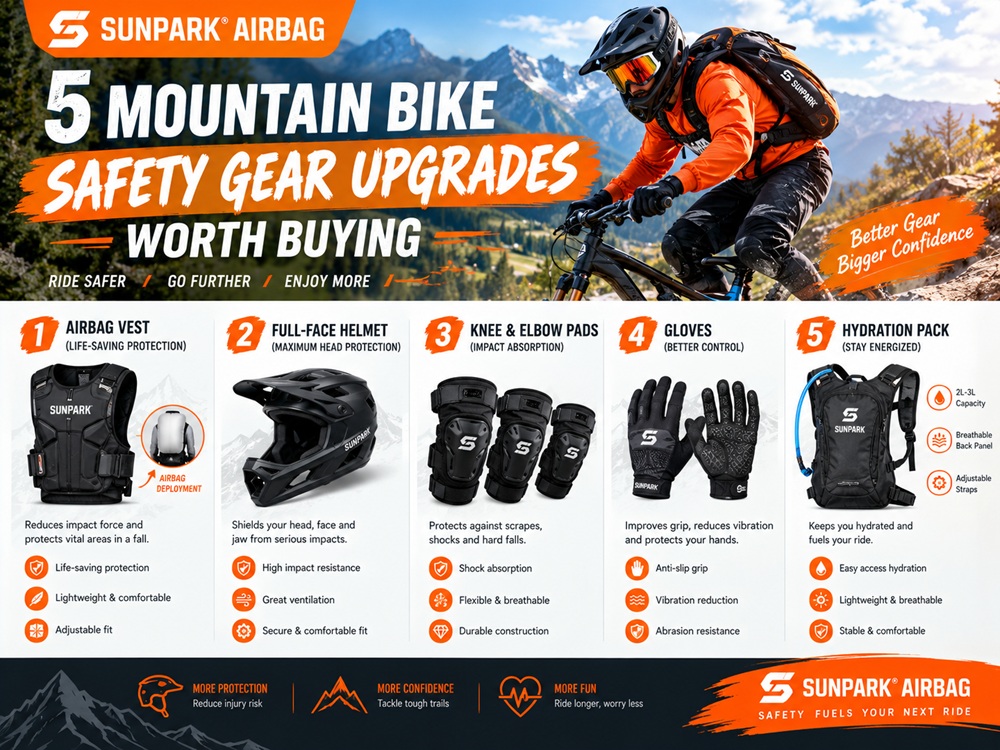
Park builders are actively engineering out dangerous, blind corners and flat landings. Understanding the mechanics of common BMX injuries and prevention has led to wider roll-in decks, extended landing run-outs, and padded coping. Insurance premiums for commercial parks are astronomical; proactive safety design is the only way to keep policies affordable.
7. Data-Driven Training Tools
High-end facilities are installing integrated speed timers on roll-ins and delayed-playback camera systems facing the airbags. A rider hits the jump, rides out, and immediately looks at a screen to watch their body positioning in slow motion. This immediate feedback loop is accelerating the progression of the sport at an unprecedented rate.
8. All-Season, Weather-Resistant Materials
For outdoor parks, untreated plywood is obsolete. Municipalities and private builders are utilizing Skatelite, GatorSkins, and specialized poly-resin composites. These materials resist water damage, expand and contract without warping, and provide consistent tire grip regardless of ambient humidity.
9. Pump Tracks as the Ultimate Foundation
Before a rider hits a mega ramp, they must understand bike control. Asphalt and modular fiberglass pump tracks are dominating park designs. They teach riders how to generate speed without pedaling through rhythmic body movements, serving as the perfect, low-risk warm-up zone for all ages.
10. The Rise of High-End Pre-Owned Markets
Because top-tier equipment is expensive, a robust secondary market has emerged. Facilities frequently upgrade to the latest tech, selling perfectly viable older systems. For commercial users on a strict budget, exploring buy used airbag landing tips is a highly effective way to modernize a park without crippling cash flow.
The Benefits of Modernizing Your Facility
Embracing these BMX Park Design Trends yields immediate commercial and athletic benefits. First, your customer base broadens. A park with only concrete bowls appeals to a narrow demographic of highly skilled, fearless riders. A park with airbags and resi ramps attracts beginners, families, and action sports camps, multiplying your revenue streams.
Second, maintenance costs plummet. While the initial investment in a proper landing system is high, you no longer have to pay staff to fluff, clean, and replace thousands of foam blocks. The facility remains cleaner, odors are eliminated, and throughput (the number of riders utilizing a jump per hour) increases by up to 300%.
The Limitations and High Initial CapEx
We must inject some practical judgment into this analysis: modernizing is not cheap. The primary limitation of installing cutting-edge airbags and modular systems is the massive Capital Expenditure (CapEx) required upfront. If you are reading reviews for the best airbag landing systems 2026, you will notice that commercial-grade equipment requires a substantial budget.
Furthermore, inflatable systems require continuous power for blowers, adding to your monthly utility overhead. They also demand strict operational protocols; if a rider hits an airbag with a sharp metal pedal or exposed bolt, they can puncture the equipment, necessitating immediate on-site vinyl welding and repair.
Quick Summary Table: Trends and Impact
| Design Trend | Primary Benefit | Target User | Commercial Impact |
|---|---|---|---|
| Sloped Airbag Landings | Safe trick progression with realistic ride-outs. | All Skill Levels | Massively increases park throughput and safety. |
| Resi Ramps | Bridging the gap to hard surfaces. | Intermediate / Pro | Retains serious riders training for competitions. |
| Modular Geometry | Adjustable layouts prevent park stagnation. | Facility Operators | Drives repeat visits and ongoing memberships. |
| Video Feedback Systems | Immediate trick analysis. | Athletes / Coaches | Allows the facility to host premium coaching clinics. |
| Asphalt Pump Tracks | Low-barrier entry for skill building. | Beginners / Kids | Draws in the lucrative family and beginner demographic. |
Who Should Upgrade Their Park (And Who Does Not Need To)
Who Should Upgrade: In most professional situations, any indoor commercial facility charging a daily admission fee must upgrade. If you operate an indoor bike park, extreme sports camp, or a mega-ramp training center, failing to install sloped airbags and resi transitions will render your facility obsolete. Your target demographic expects modern safety standards.
Who Does Not Need To: If you are managing a municipal outdoor concrete skatepark funded by taxpayers, installing permanent airbags is highly impractical due to vandalism, weather degradation, and the need for constant supervision. For these public, unsupervised applications, sticking to durable, low-maintenance concrete is the correct administrative decision.
Common Mistakes Facility Owners Make
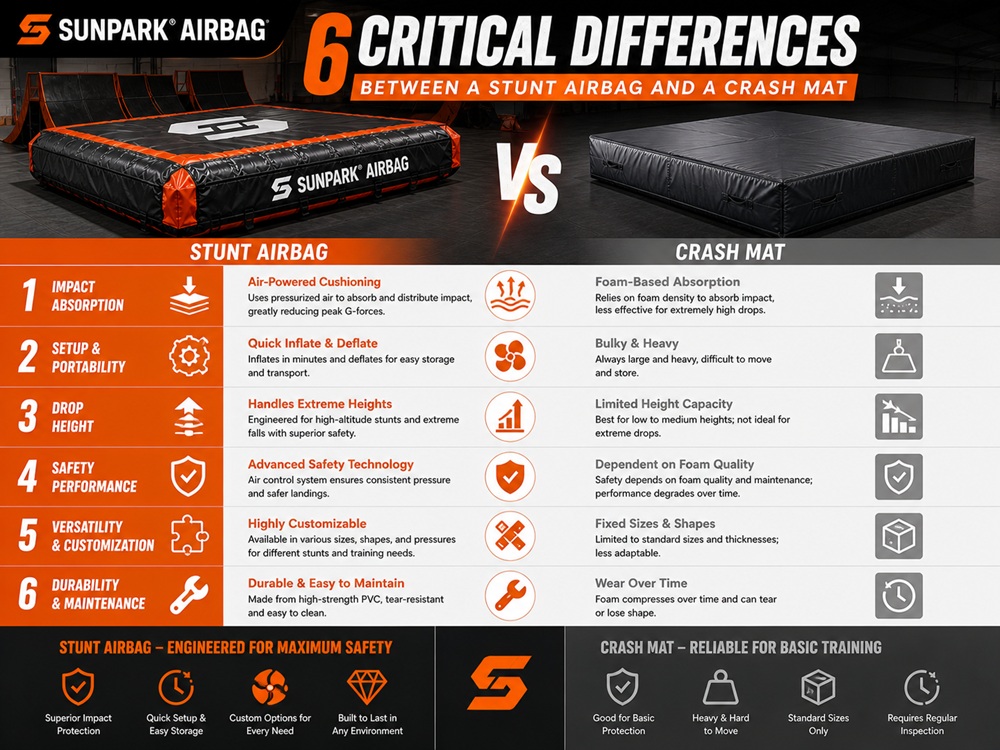
Generic stunt bags are designed to catch falling bodies from a height; they are not engineered for the rotational momentum of a bicycle. When a rider lands a bike on a standard flat bag, the wheels dig in, instantly pitching the rider over the handlebars and causing severe neck and collarbone injuries. You must invest strictly in sloped, true-to-transition airbags specifically designed for bikes.
Another common mistake is ignoring the roll-in speed. Operators often build a massive jump but fail to calculate the required roll-in tower height. If riders have to sprint to clear the gap, they are exhausted before they leave the lip, drastically increasing the chance of crashing.
Expert Buying Considerations for Park Infrastructure
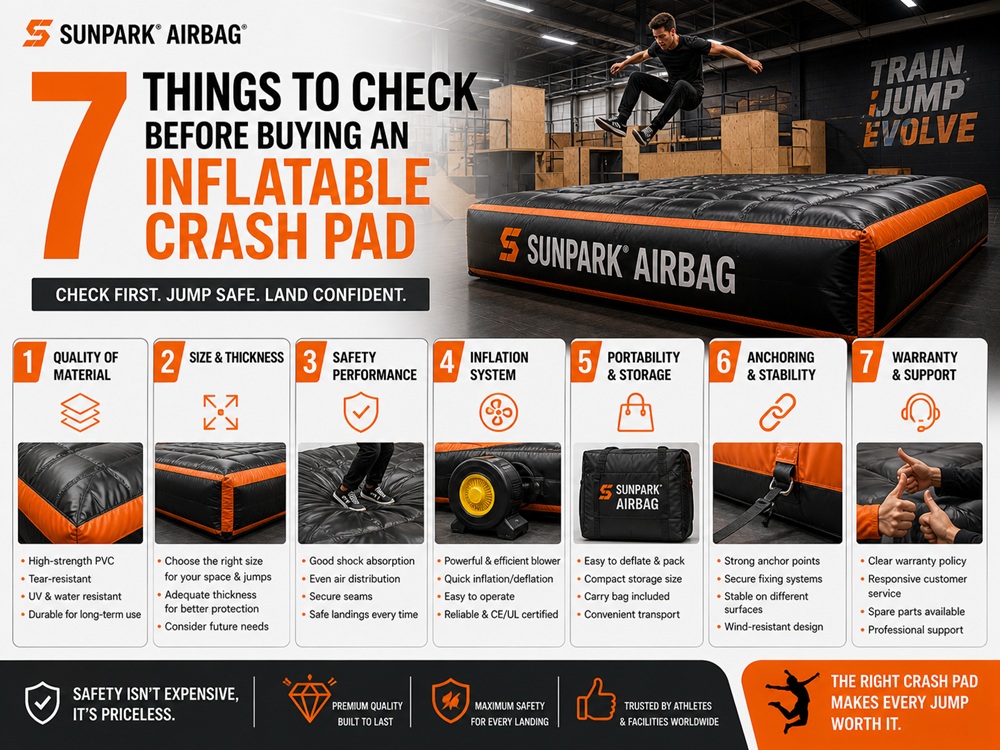
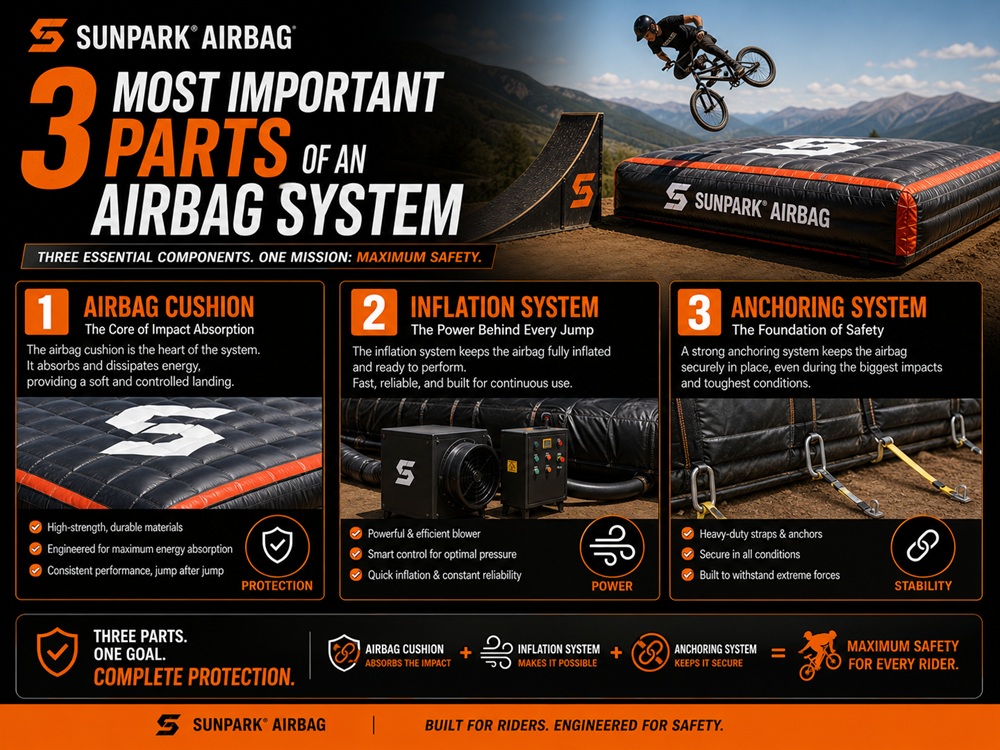
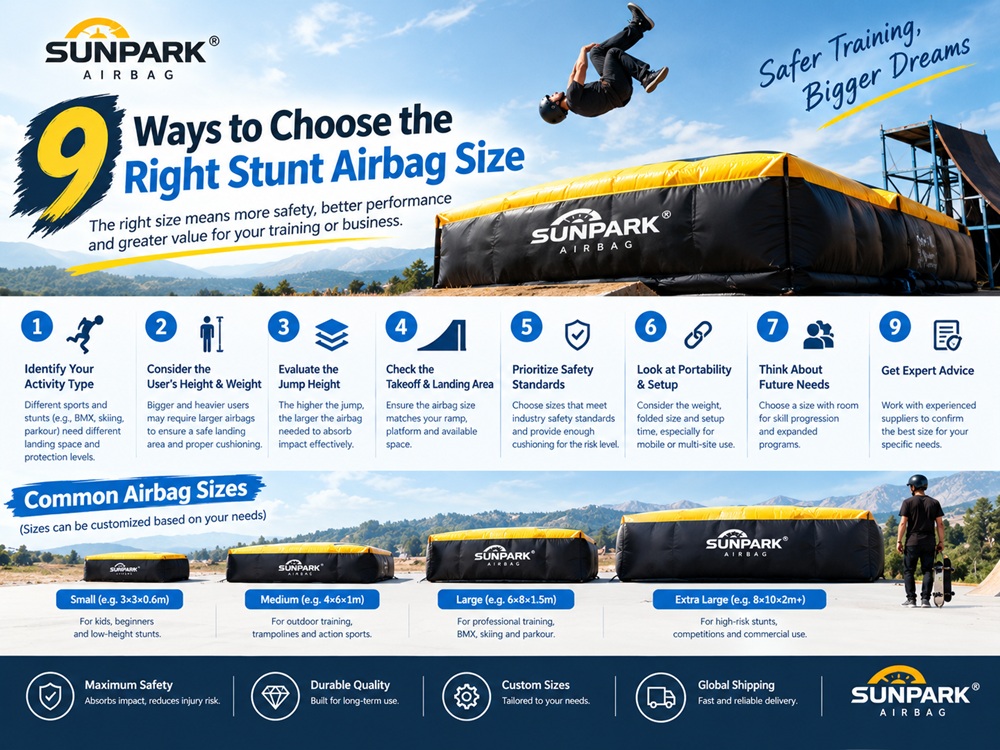
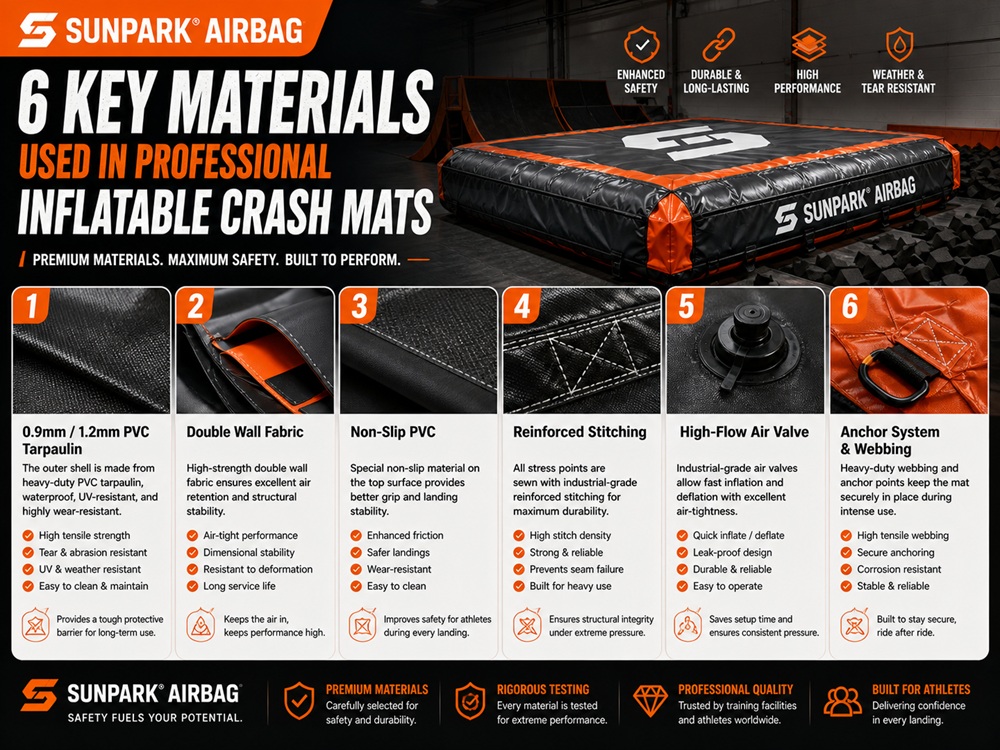
When procuring modern landing systems, do not just look at the price tag. Evaluate the material tear strength. For heavy-duty applications, the top sheet of an airbag must be replaceable, as bicycle tires and pedals will eventually wear down the contact zone. Look for systems that utilize a dual-chamber design: a soft top layer for impact absorption and a firm bottom chamber to prevent the rider from bottoming out against the hard floor.
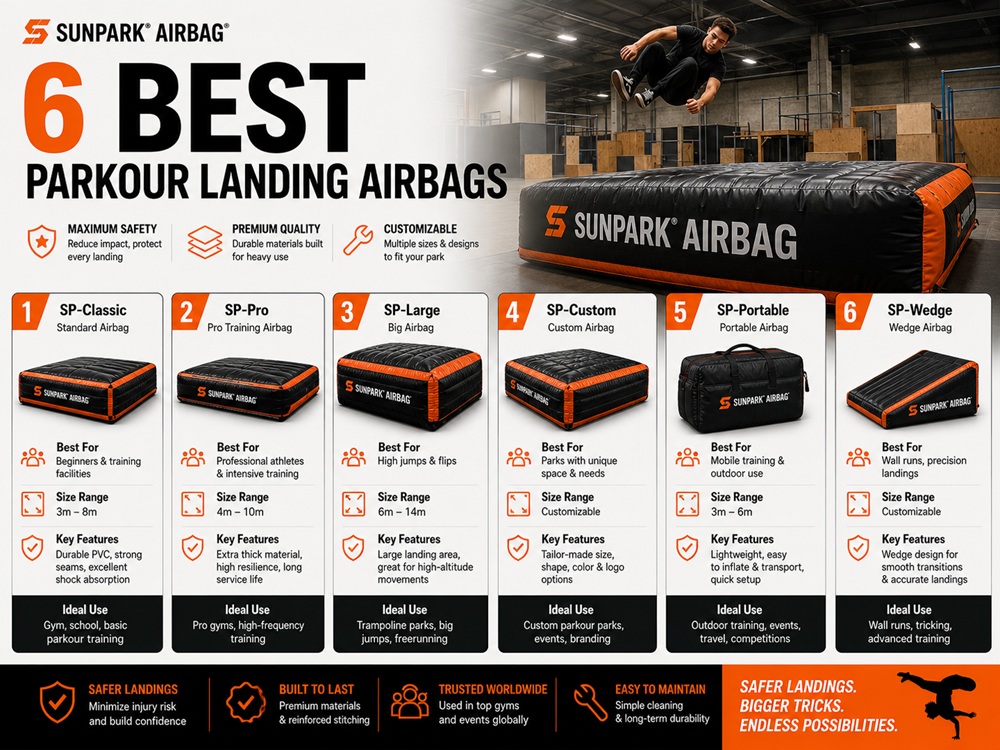
Before you finalize your park layout, consult reputable industry lists, such as the bike airbag landing systems guide, to ensure you are selecting equipment that matches the specific dimensions of your building and the skill level of your local market.
Pros and Cons Table: Modern vs. Traditional Parks
| Modern Airbag/Resi Parks | Traditional Wood/Concrete Parks |
|---|---|
| Pro: Exponentially lower injury rates for complex tricks. | Pro: Very low daily operational costs (no blowers/electricity). |
| Pro: Highly attractive to beginners and summer camp programs. | Pro: Authentic feel prepares riders for street and bowl contests. |
| Con: Requires significant initial capital and daily power usage. | Con: High barrier to entry; intimidates new or young riders. |
| Con: Vulnerable to punctures from sharp bike components. | Con: Extreme liability exposure and higher insurance premiums. |
Detailed Comparison Table: Foam Pits vs. Airbag Landings
To definitively end the debate on progression infrastructure, here is how the legacy system compares to the modern standard.
| Feature Metric | Traditional Foam Pit | Sloped Airbag Landing |
|---|---|---|
| Hygiene & Cleanliness | Poor. Traps sweat, dust, and physical debris. | Excellent. Antimicrobial vinyl wipes clean easily. |
| Rider Throughput | Low. Takes 1-2 minutes to extract bike and rider. | High. Rider rides down the transition immediately. |
| Trick Realism | Low. You cannot land and roll away. | High. Mimics the exact physics of a real ramp. |
| Maintenance Cost | High. Foam degrades into toxic dust and requires replacement. | Low to Medium. Requires occasional top-sheet replacement. |
| Fire Hazard Level | Extremely High (even with retardants). | Low. Fire-resistant PVC materials. |
SUNPARK® AIRBAG Expert Recommendation
In our testing and decades of deployment, it is clear that facility operators who refuse to adapt to modern progression technology will be outpaced by competitors who do. We strongly recommend overhauling legacy foam pits and static jump lines.
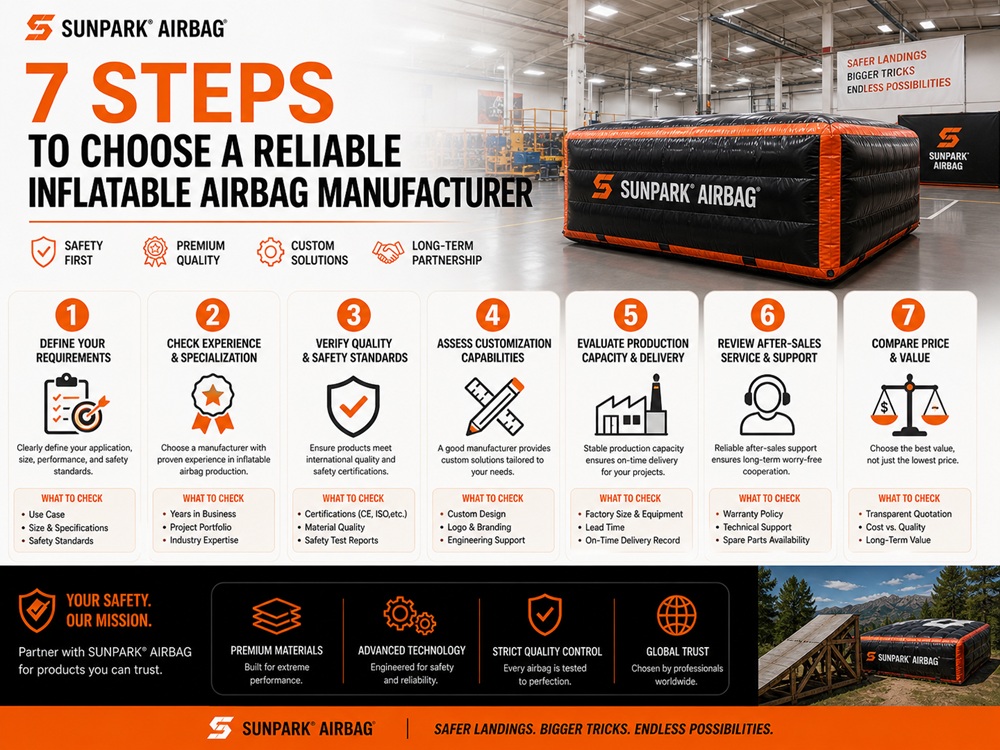
SUNPARK® AIRBAG – Explorer of Airbag System for Sports
With over 10 years of experience, we provide freestyle airbags for ski resorts, theme parks, sports, and gymnastics facilities around the globe. SunparkAirbag® is the leading manufacturer of Airbags for Extreme Sports and Leisure Industries in China.
As extreme sports developed, more and more snowboarders and serious sports enthusiasts are looking for safer training possibilities to progress without risks of getting injured. We create the products for World Champion Snowboarders, famous riders, and trampoline parks worldwide. We are deeply committed to the development and improvement of our own products. Whether you need a standard BMX kicker setup or a massive custom landing pad, our engineering ensures your facility offers the absolute pinnacle of safe progression.
Frequently Asked Questions (FAQ)
Are airbag landings safe for absolute beginners?
Yes. Airbag landings are actually highly recommended for beginners. Because the impact is entirely absorbed by the inflatable chambers, a beginner can practice rolling over jumps and getting comfortable with airtime without the fear of a hard crash on a wooden deck.
How much electricity does a BMX airbag use?
Airbags run on continuous air blowers, typically requiring 1.5 to 2.0 HP motors. Depending on the size of the bag, you may run two to four blowers. While it does increase utility costs, the increase is negligible compared to the revenue gained from higher rider throughput and lower foam maintenance.
Can bikes pop or puncture a freestyle airbag?
While it is possible if a bike has exposed sharp metal (like a broken brake lever or jagged pedal pins), high-end commercial airbags are built with heavy-duty PVC tarpaulin. They are highly resistant to standard tire rubber and smooth plastic pedals. Routine bike inspections by park staff easily mitigate this risk.
What is a Resi ramp made of?
A Resi ramp consists of a hard structural base (usually wood or steel), covered by a thick layer of high-density shock-absorbing foam, which is then capped with a slick, durable plastic or rubber resin sheet. This creates a surface that feels hard enough to ride on, but yields upon heavy impact.
Authoritative References & Standards
To ensure our designs and recommendations meet the highest echelons of safety and professional standards, we align with the following organizations:
- UCI (Union Cycliste Internationale): The world governing body for sports cycling, dictating track and park specifications for Olympic-level BMX Freestyle competitions. Visit UCI
- ASTM International: The globally recognized organization developing technical standards for materials, products, and systems, including amusement rides and action sports devices. Visit ASTM
- National Institutes of Health (NIH) – Sports Medicine: Peer-reviewed medical literature analyzing injury mechanisms in extreme sports and the efficacy of impact-attenuating surfaces. Visit PubMed