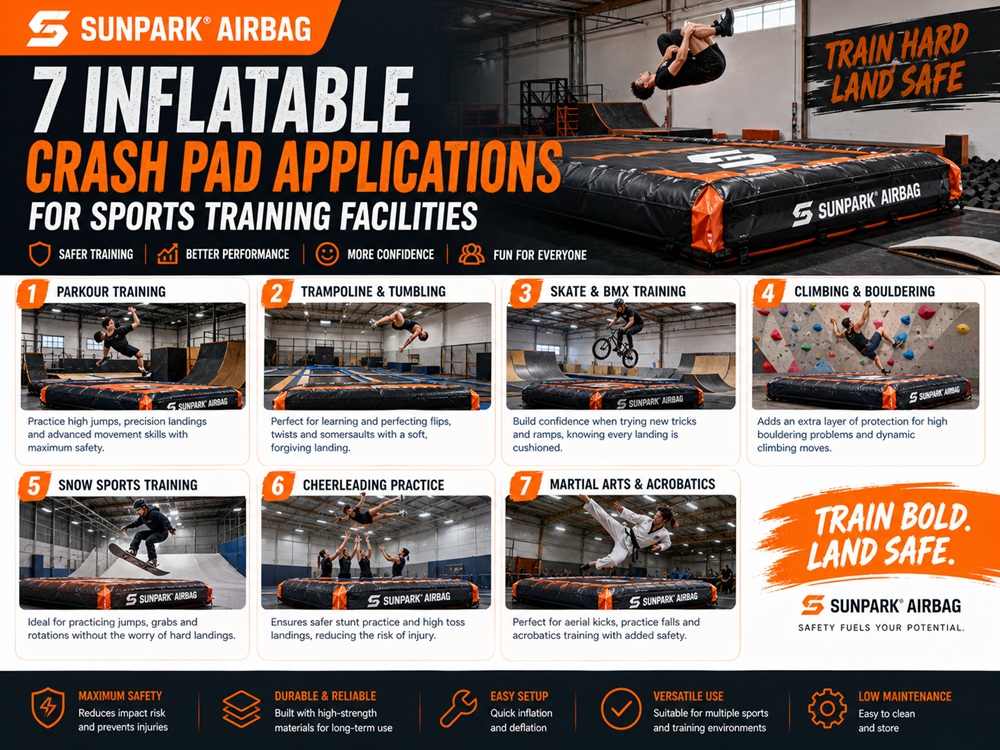
The cycling landscape is undeniably shifting. With the aggressive proliferation of high-speed e-bikes on commuter paths and the increasing amplitude of freestyle BMX and mountain bike jumps, the physical stakes for riders have never been higher. From our experience as safety engineers and industry practitioners at SUNPARK® AIRBAG, relying solely on an outdated polystyrene helmet and a flimsy reflector is a gamble you cannot afford to take. A modern rider must view safety as a comprehensive, integrated system.
In most professional situations, treating Bicycle Safety Products as optional accessories rather than vital infrastructure is a catastrophic error in judgment. Whether you are navigating chaotic urban intersections or launching forty-foot gaps at an extreme sports training facility, modern engineering offers profound injury-prevention technologies. In this guide, we will analyze the current market, cut through the marketing jargon, and detail exactly what gear is worth your investment to keep you out of the emergency room.
Quick Answer: What Are the Essential Bicycle Safety Products?
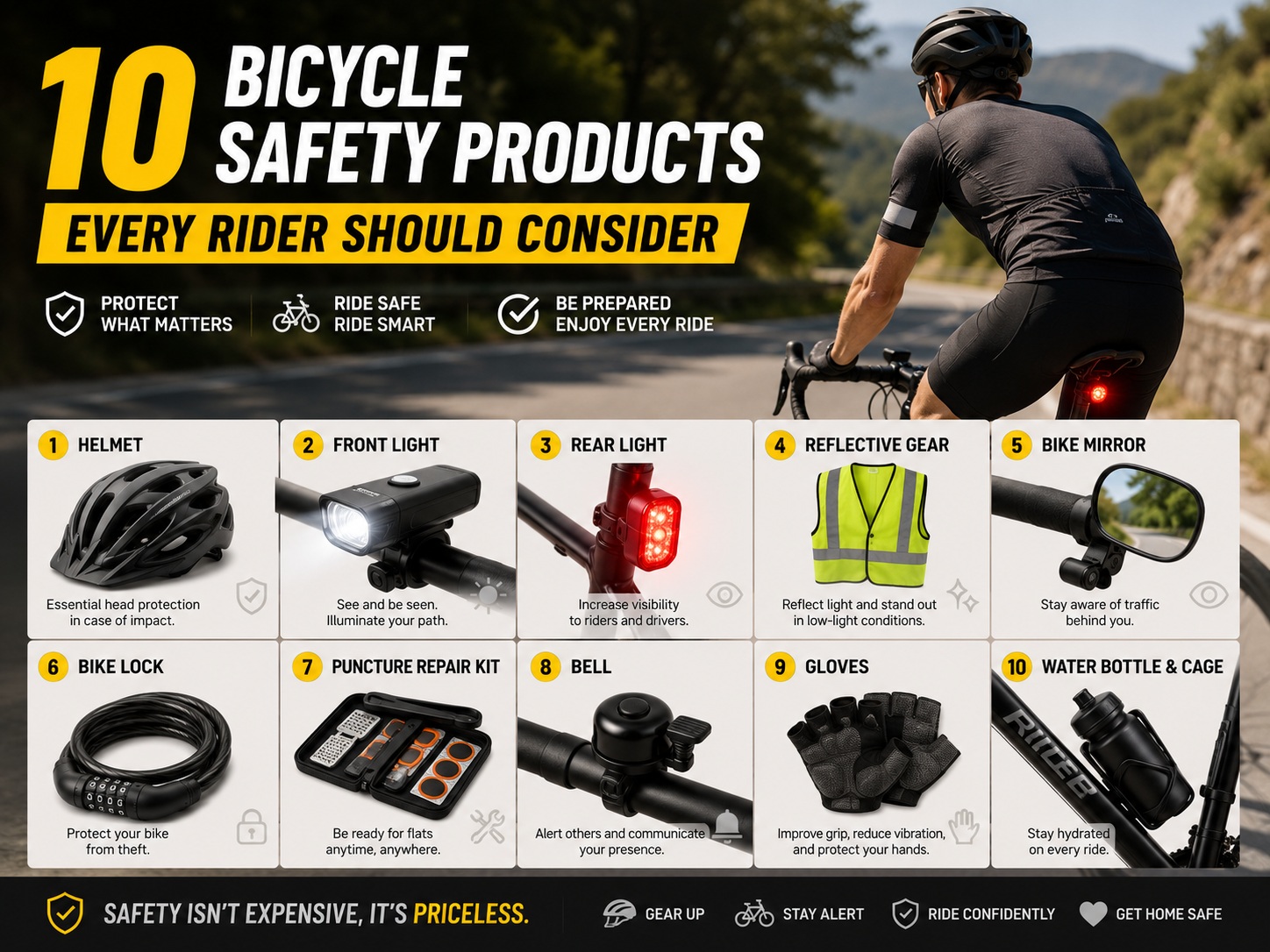
If you are serious about accident prevention and impact mitigation, your baseline Bicycle Safety Products must include: 1) A MIPS-equipped helmet to prevent rotational brain injuries, 2) High-lumen Daytime Running Lights (DRLs) for active visibility, and 3) A rear-facing radar system to detect approaching vehicles. For heavy-duty applications like freestyle jumping and progression training, commercial riders and extreme athletes must integrate an bike airbag landing to practice high-risk maneuvers safely without the spinal compression risks associated with traditional foam pits.
What It Is: The Modern Safety Ecosystem
Bicycle Safety Products encompass a broad spectrum of engineered equipment designed for two primary functions: active accident prevention (visibility and situational awareness) and passive impact mitigation (energy absorption during a crash). Today’s safety gear utilizes aerospace-grade polymers, smart sensors, and advanced pneumatic systems to protect the human body against extreme kinetic forces.
How Modern Safety Gear Works
Understanding the physics of a crash is paramount. A standard helmet works by crushing its EPS (Expanded Polystyrene) foam liner, increasing the time it takes for your head to stop, thereby reducing linear G-forces. However, modern MIPS (Multi-Directional Impact Protection System) helmets introduce a slip-plane technology that allows the helmet to rotate independently of the head, drastically reducing the rotational forces that cause concussions.
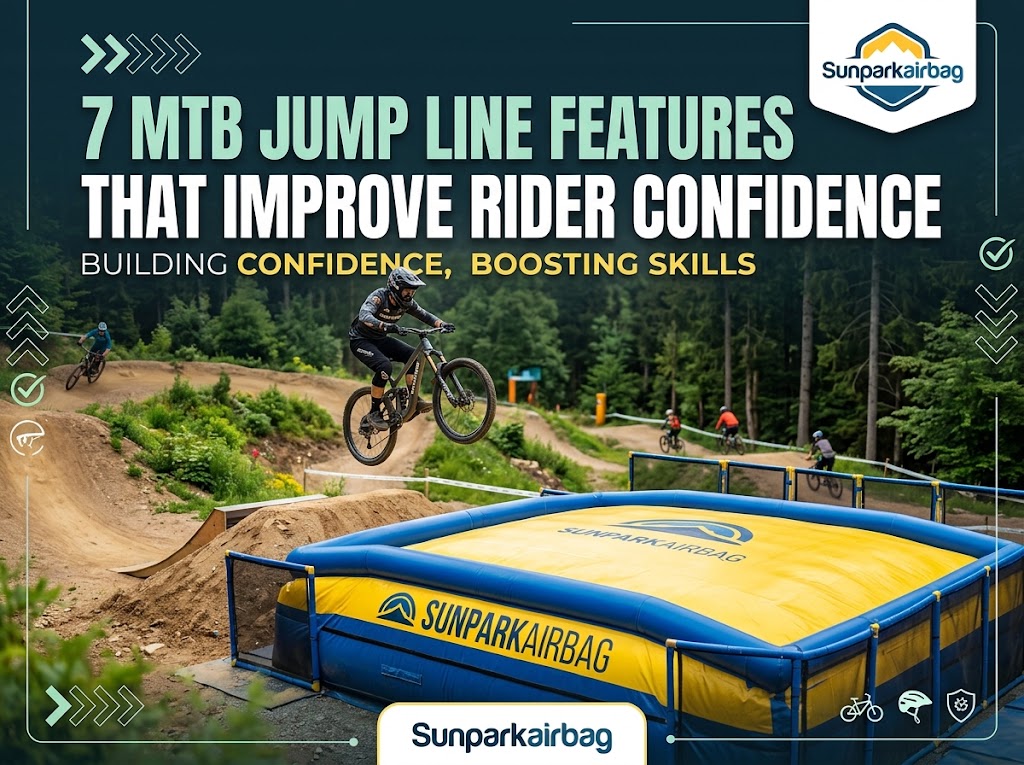
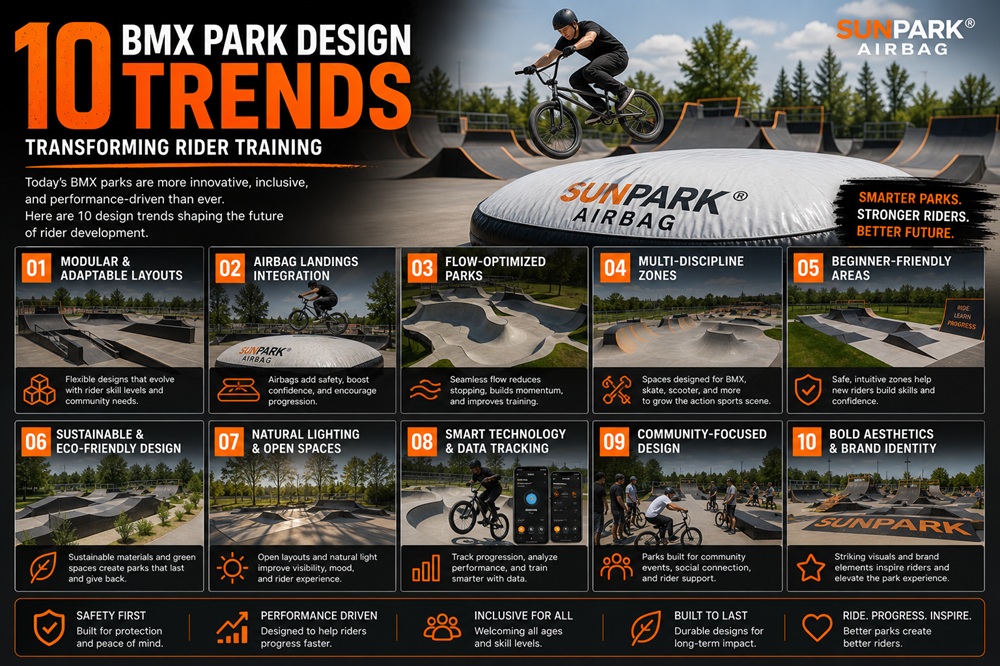
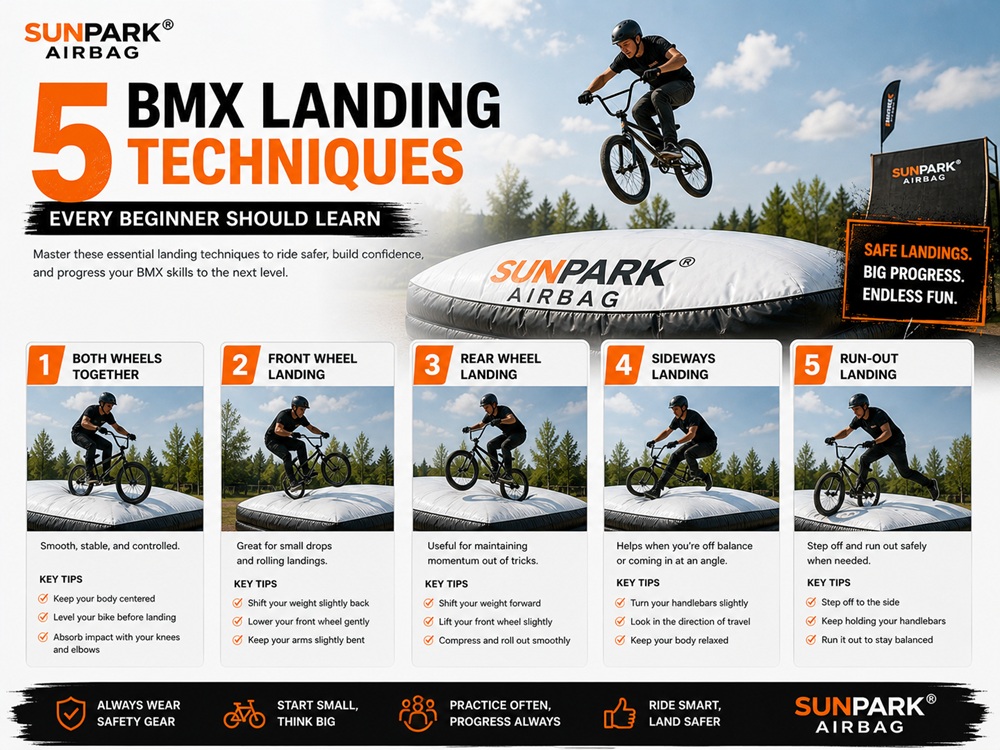
At the extreme end of the spectrum, freestyle athletes use high-volume pneumatic absorption. By replacing dangerous, unsanitary foam pits with a precision-engineered stunt airbag landing, riders can execute massive aerial maneuvers. The dual-chamber air system catches the rider softly while remaining firm enough for them to ride away upon landing, effectively eliminating the harsh rebound and hygiene issues of outdated training facilities.
The Strategic Benefits
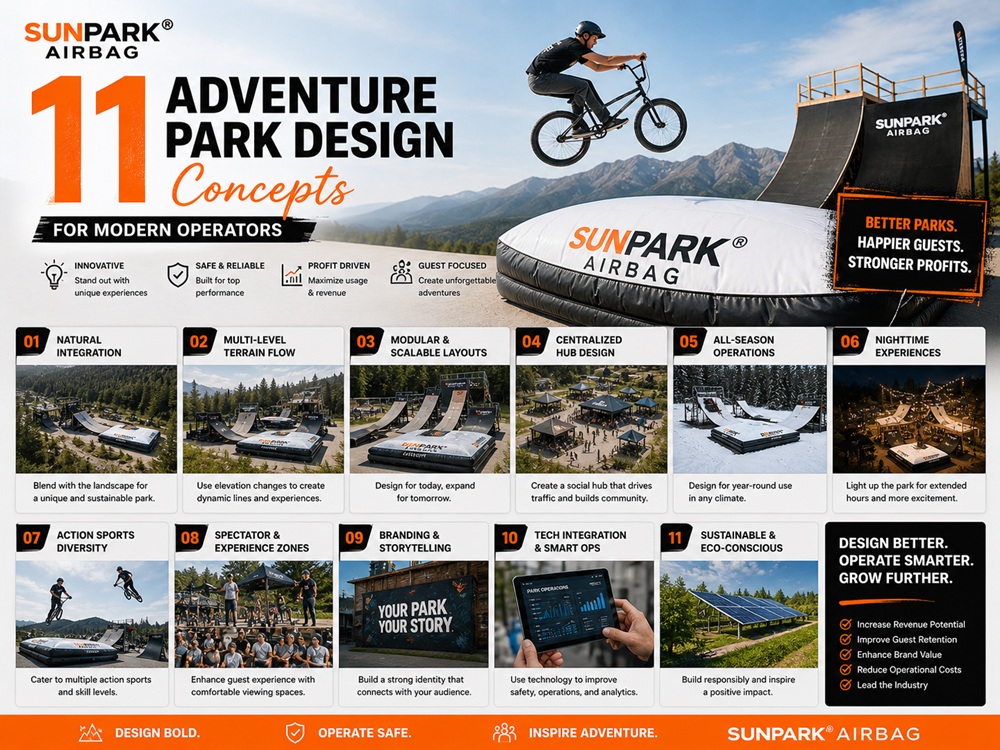
Investing in elite Bicycle Safety Products offers benefits far beyond basic survival. For commercial users operating bike parks, implementing the best airbag landing systems 2026 drastically lowers liability insurance premiums and attracts top-tier talent. For everyday commuters, utilizing active radar and high-lumen lighting reduces the cognitive load of navigating traffic, transforming a stressful commute into a confident, predictable ride.
Limitations to Consider
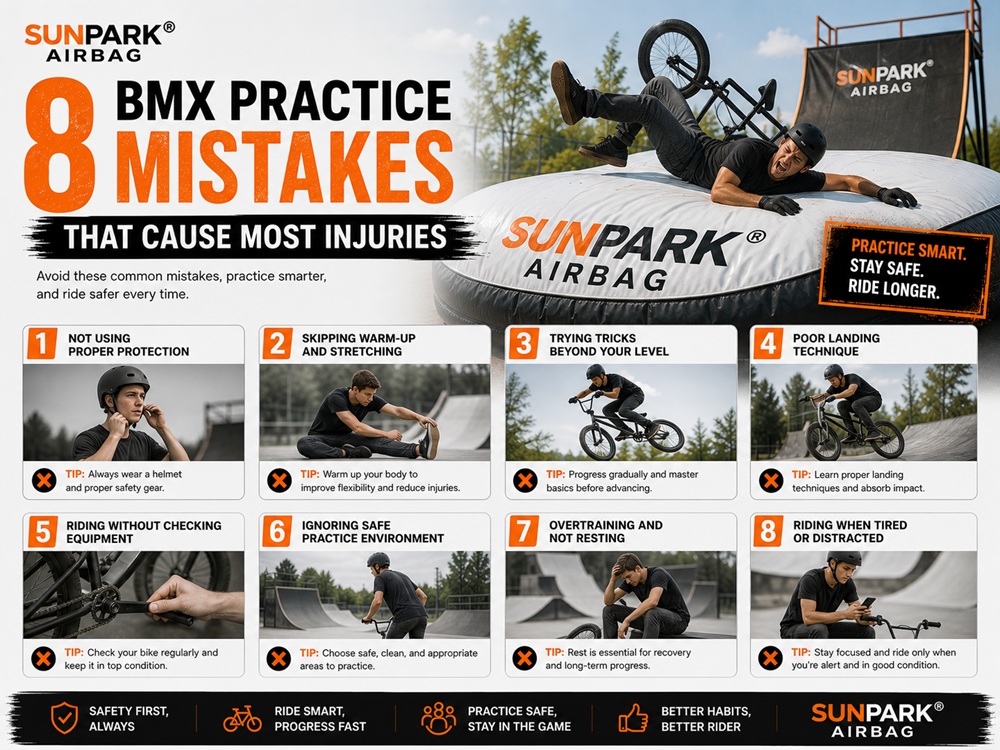
We believe in commercial and practical judgment: no piece of equipment makes you invincible. The primary limitation of safety gear is the false sense of security it can instill. A rider wearing heavy-duty body armor might attempt a gap jump far beyond their technical capability. Furthermore, electronic safety devices (lights, radars, smart helmets) rely on battery life. If you fail to charge your equipment, your $300 radar tail light is nothing more than dead weight on your seat post.
Who Should Use It
For beginners and urban commuters: Active visibility tools (DRLs, radar) and MIPS helmets are non-negotiable daily requirements to combat distracted driving.
For commercial users and extreme athletes: If you are operating a training facility or pushing the limits of freestyle BMX/MTB, you must utilize progression safety tools. Training on a dirt bike airbag landing is the only professionally acceptable method for dialing in new tricks before taking them to a hard dirt or concrete landing.
Who Does Not Need It
If you are riding a stationary indoor spin bike, aerodynamic helmets and radar sensors are obviously unnecessary. However, if your tires touch public pavement or gravity-defying ramps, attempting to bypass proper safety infrastructure is an exercise in extreme foolishness.
Common Purchasing Mistakes
In our testing, the most catastrophic mistake consumers make is prioritizing aesthetics over certified safety standards. Buying a cheap, uncertified helmet from an unverified overseas dropshipper compromises your brain trust. Another frequent error is using a standard foam pit for modern extreme sports training. When evaluating safety upgrades, reading a foam pit vs airbag comparison quickly reveals that foam pits act as toxic sponges for sweat and dust, while airbags provide a hygienic, consistently safe landing platform.
Critical Buying Considerations
When selecting your gear, you must evaluate the following:
- Certifications: Ensure helmets carry CPSC, EN 1078, or Snell certifications. Body armor should hold a CE EN1621 rating for impact.
- Lumen Output vs. Battery Life: A 1000-lumen light is useless if it dies in 20 minutes. Look for optimized pulse modes designed for daytime visibility.
- Facility Infrastructure: If you are buying equipment for a park, ensure you source from reputable trampoline park equipment manufacturers that specialize in extreme sports air technology.
The 10 Best Bicycle Safety Products Every Rider Should Consider
1. MIPS-Equipped Cycling Helmets
The standard EPS foam helmet is dead. We recommend that every rider immediately upgrade to a helmet featuring MIPS or WaveCel technology. These systems allow the helmet shell to shift upon angled impacts, drastically reducing the shearing forces that cause severe traumatic brain injuries.
2. Daytime Running Lights (DRLs)
Most accidents occur during daylight hours. High-lumen, irregular-flashing DRLs are engineered to pierce through visual clutter and windshield glare, forcing distracted drivers to acknowledge your presence from over a mile away.
3. Rear-Facing Cycling Radar
Devices like the Garmin Varia represent a massive leap in commuter safety. These units mount to your seat post and sync with your bike computer or smartphone, providing visual and audio alerts of vehicles approaching from behind, indicating both their speed and threat level.
4. Inflatable Airbag Landing Systems
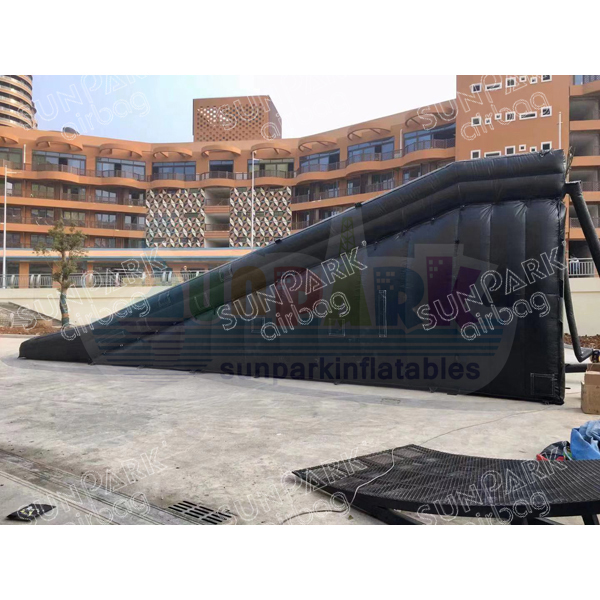
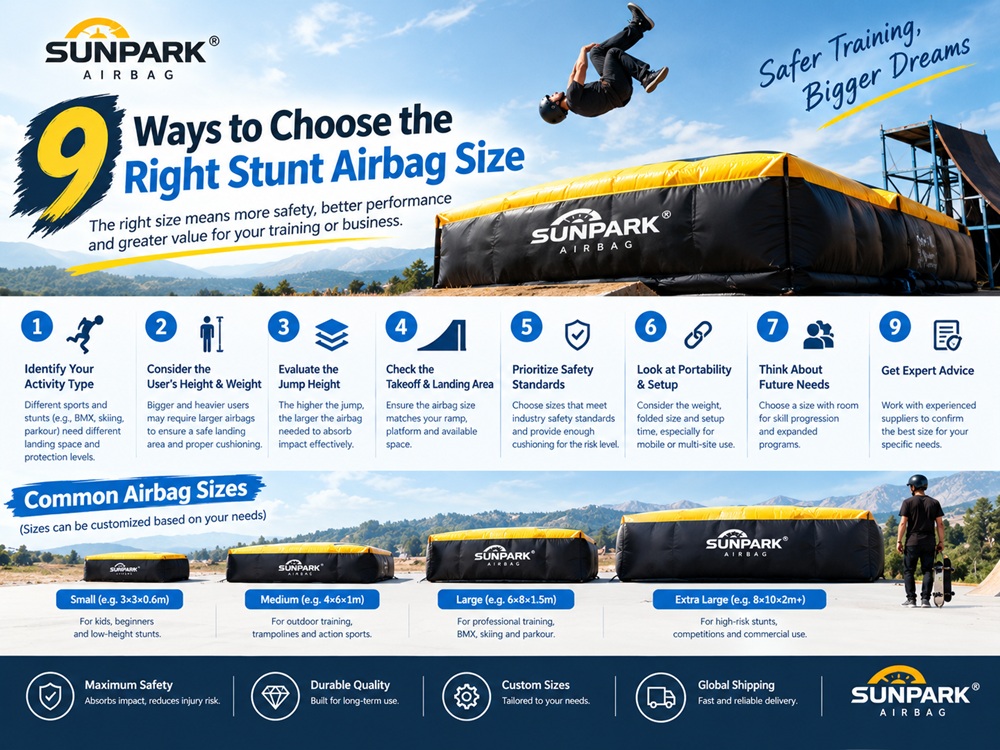
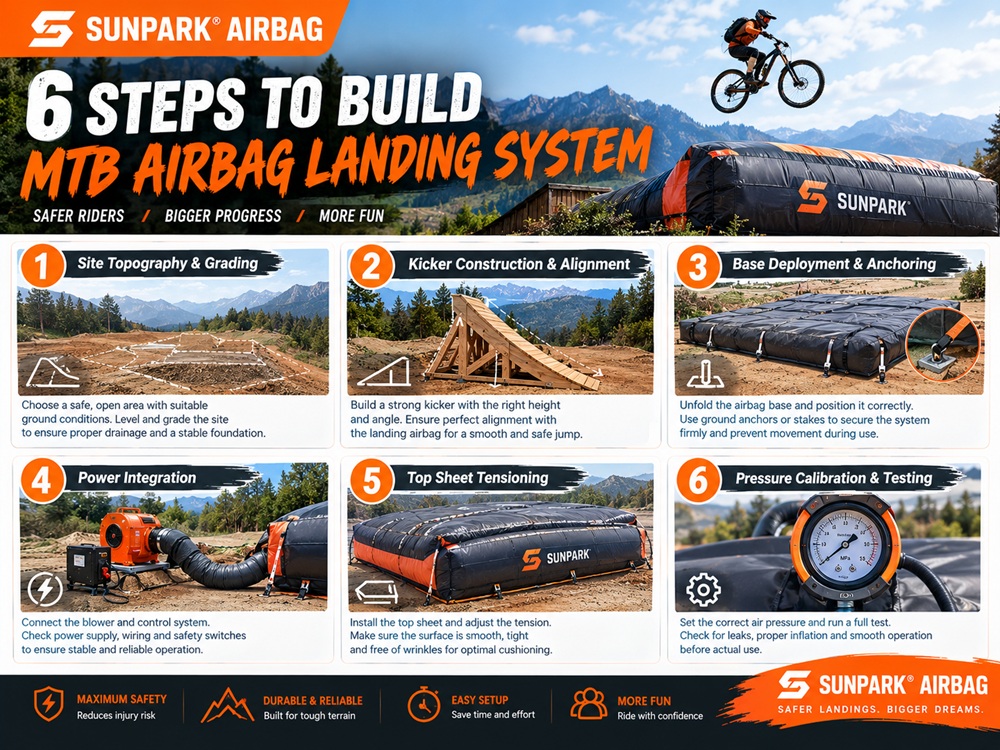
For heavy-duty applications in freestyle riding, crash mitigation is paramount. A commercial-grade FMX airbag landing allows riders to attempt massive aerials with a vastly reduced risk of broken bones. They are the modern standard for progression parks.
5. CE-Rated Protective Body Armor
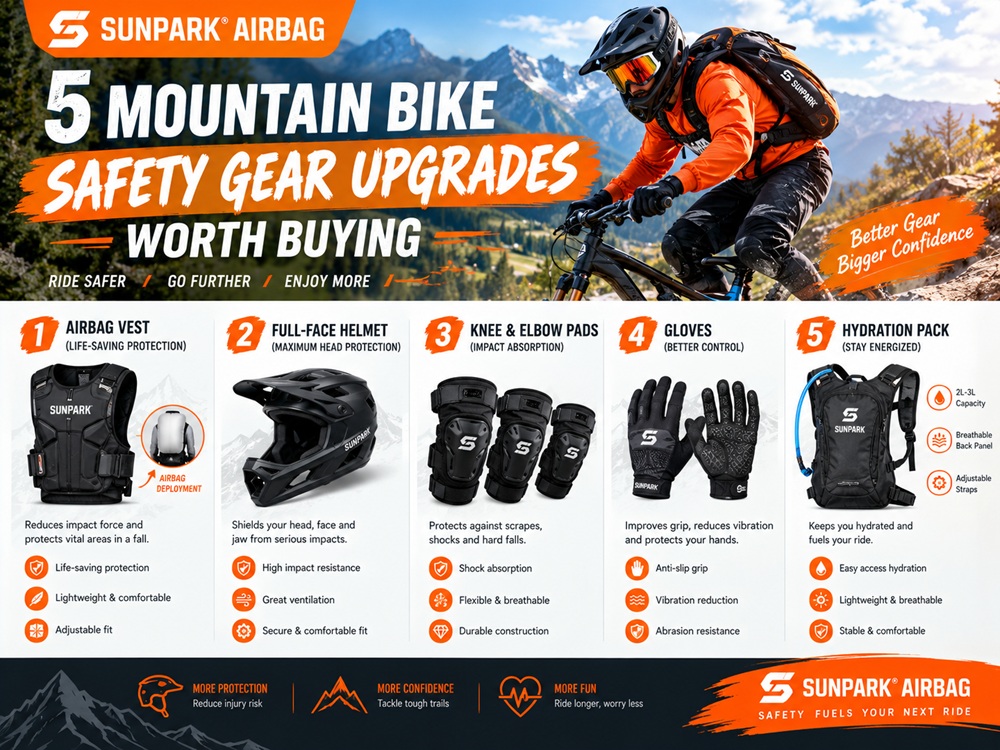
If you are riding downhill MTB or enduro, you need D3O or similar non-Newtonian polymer armor. This material remains soft and flexible while pedaling but instantly hardens upon impact, absorbing massive kinetic energy before it reaches your joints or spine.
6. Smart Crash Detection Sensors
Small sensors mounted to your helmet can detect the specific G-force signature of a crash. If you are unresponsive, the device automatically pings your emergency contacts and local EMS with your exact GPS coordinates. This is a literal lifesaver for solo backcountry riders.
7. Inflatable Crash Mats
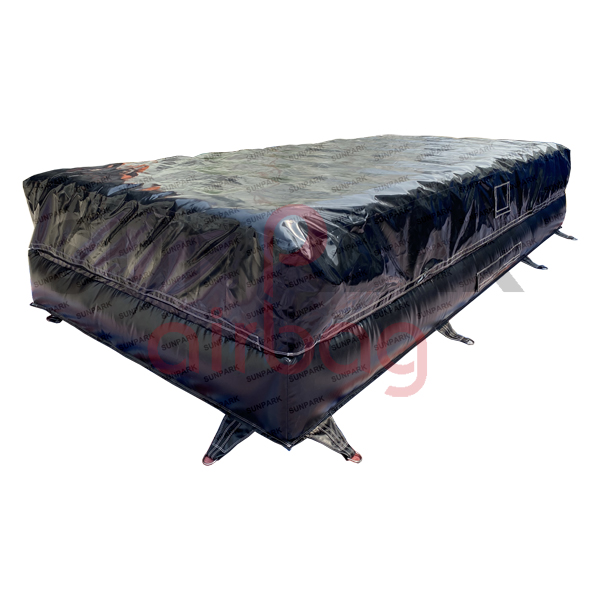
For urban trials riders or indoor gym facilities, an inflatable crash mat provides portable, high-impact absorption. It is infinitely superior to dragging heavy, thin gym pads to street spots or park features.
8. High-Visibility / Retro-Reflective Apparel
We are not talking about construction vests. Modern cycling apparel integrates microscopic glass beads into the fabric. By day, the jacket looks standard grey or black; by night, it flares up with blinding brilliance when hit by headlights.
9. Full-Finger Impact Gloves
In a crash, human instinct is to put your hands out. High-abrasion synthetic leather palms paired with TPR (Thermoplastic Rubber) knuckle guards will save you from debilitating road rash and shattered metacarpals.
10. Heavy-Duty U-Locks and GPS Trackers
Security is a facet of safety. Utilizing a hardened steel U-lock combined with a concealed GPS tracker (like an Apple AirTag hidden in a tubeless valve stem) ensures you aren’t left stranded in dangerous areas without transportation.
Essential Reference Tables
Quick Summary Table: Core Safety Categories
| Safety Category | Primary Product | Main Function |
|---|---|---|
| Head Protection | MIPS / WaveCel Helmets | Reduces rotational and linear impact forces. |
| Situational Awareness | Rear-Facing Radar | Detects blind-spot vehicular approaches. |
| Freestyle Progression | Airbag Landing Systems | Provides safe, repeatable crash mitigation for extreme jumps. |
| Active Visibility | Daytime Running Lights (DRLs) | Ensures rider visibility to motorists in broad daylight. |
Comparison Table: Freestyle Safety Options
| Feature | Traditional Foam Pit | SUNPARK® Airbag Landing |
|---|---|---|
| Impact Absorption | Inconsistent (blocks compress and degrade) | Engineered pneumatic dual-chamber system |
| Ride-Out Capability | Impossible (rider gets stuck) | Yes (firm upper chamber allows riding away) |
| Hygiene | Poor (collects sweat, dust, and debris) | Excellent (wipes clean easily) |
| Portability | Zero (permanent concrete installation) | High (deflates for transport and events) |
Pros and Cons Table: Investing in High-End Safety Gear
| Pros | Cons |
|---|---|
| Massive reduction in catastrophic injury risk. | High initial capital expenditure. |
| Electronic gear enhances situational awareness. | Requires diligent battery management and charging. |
| Airbag landings drastically accelerate skill progression. | Body armor can be warm/restrictive during hot summer rides. |
Buying Guide Table: Gear by Riding Style
| Rider Profile | Must-Have Safety Investments |
|---|---|
| Urban Commuter | MIPS Helmet, Rear Radar, DRLs, Retro-Reflective Jacket |
| Downhill MTB | Full-Face Helmet, Neck Brace, D3O Body Armor |
| Freestyle / BMX Jumper | Skate-style Helmet, Impact Gloves, big jump airbag system |
| Gymnastics / Trampoline Bike | gymnastics airbag equipment, Inflatable Crash Mats |
Expert Recommendation from SUNPARK® AIRBAG
In most professional situations, we see athletes and facility managers attempting to cut costs on safety infrastructure—a decision that inevitably leads to severe injuries and operational shutdowns. As the Explorer of Airbag System for Sports, with over 10 years of experience, we provide freestyle airbags for ski resorts, theme parks, sports, and gymnastics facilities around the globe.
SUNPARK® AIRBAG is the leading manufacturer of Airbags for Extreme Sports and Leisure Industries in China. We recommend that any facility or serious rider looking to push the boundaries of freestyle mechanics immediately discard outdated foam pits. By upgrading to our engineered airbag systems, you not only protect the physical well-being of the rider but also create an environment where fear does not hinder progression. Invest in uncompromising safety; your body will thank you.
The Bottom Line
Are high-end Bicycle Safety Products actually worth the premium price tag? Unequivocally, yes. Whether you are navigating the hostility of a morning commute or attempting a backflip on a dirt jumper, the physics of impact remain brutally unforgiving. By upgrading to MIPS helmets, active radar systems, and integrating professional airbag landing technology for extreme training, you actively mitigate risk. Stop viewing safety gear as a burden and start treating it as the critical infrastructure that empowers you to ride harder, faster, and longer.
Frequently Asked Questions
How often should I replace my bicycle helmet?
In most professional situations, industry standards dictate replacing your helmet every 3 to 5 years, even if it has not been involved in a crash. The EPS foam degrades over time due to UV exposure, sweat, and temperature fluctuations. However, if you suffer any impact to the helmet—even a minor one—it must be replaced immediately, as the foam’s structural integrity is compromised.
Is an airbag landing safe for mountain bikes and BMX?
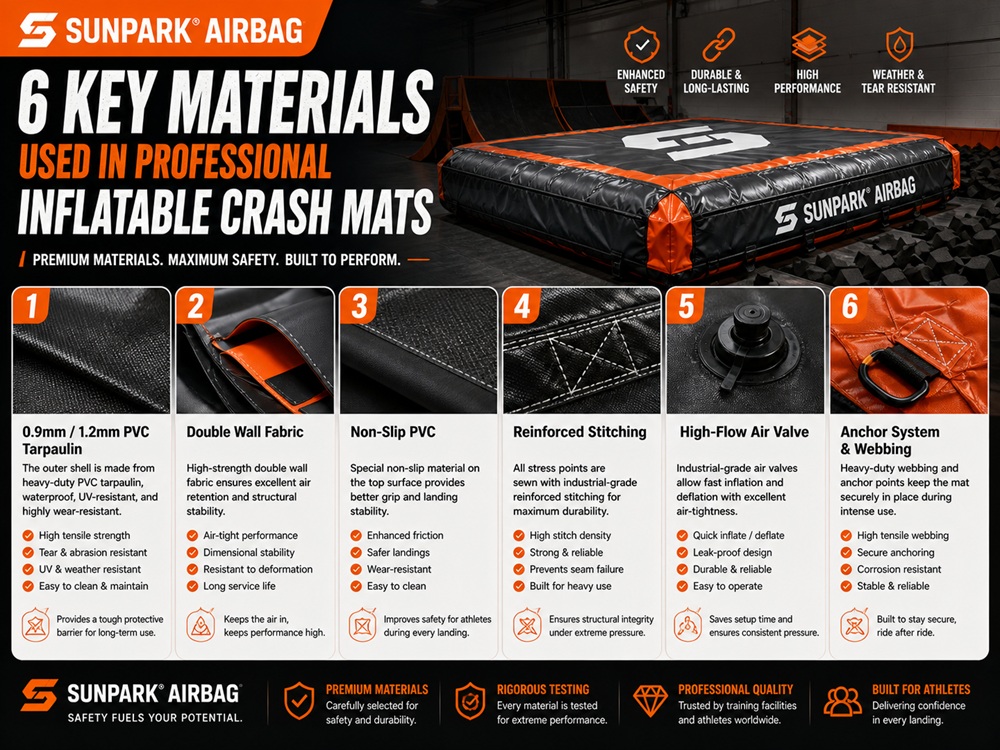
Yes. Commercial-grade airbag landings are specifically engineered for bicycles and motorcycles. They utilize heavy-duty topsheets that resist tire treads, pedals, and pegs. The dual-chamber pneumatic design absorbs the downward kinetic energy while maintaining a firm enough surface for the rider to smoothly roll away from the landing.
Are daytime running lights (DRLs) really necessary for cyclists?
Absolutely. The vast majority of vehicle-on-bicycle collisions occur during the day due to driver inattention. DRLs utilize specific flash patterns and high lumen outputs (often over 800 lumens) designed specifically to grab the visual attention of distracted motorists in bright sunlight, making them one of the most effective active safety tools available.
References & Authoritative Standards
To ensure our safety recommendations align with strict engineering and civil standards, we reference data from the following authoritative bodies: