Introduction: The Evolution of Action Sports Safety
The global amusement and extreme sports industry has witnessed a massive proliferation of indoor jump facilities over the past decade. These venues offer unparalleled cardiovascular exercise, acrobatic training, and recreational fun for millions of patrons. However, as extreme sports have developed, the statistical incidence of trauma has also risen. Medical professionals and facility operators frequently observe a specific pattern of acute trauma, leading to an industry-wide focus on identifying and preventing any common injury at a trampoline park. As an Explorer of Airbag System for Sports, SUNPARK recognizes that thrill-seeking must never compromise physical safety.
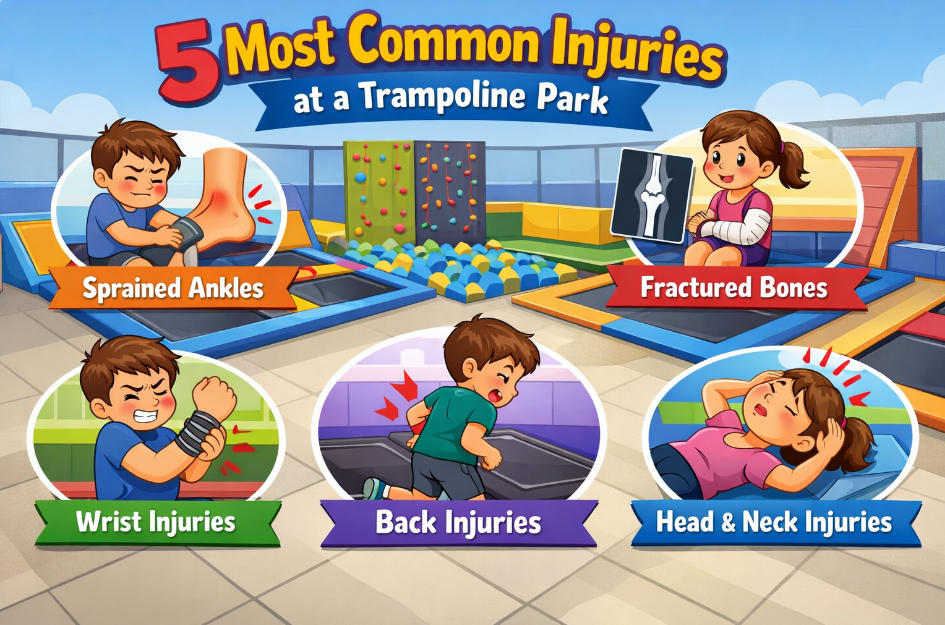
Table of Contents
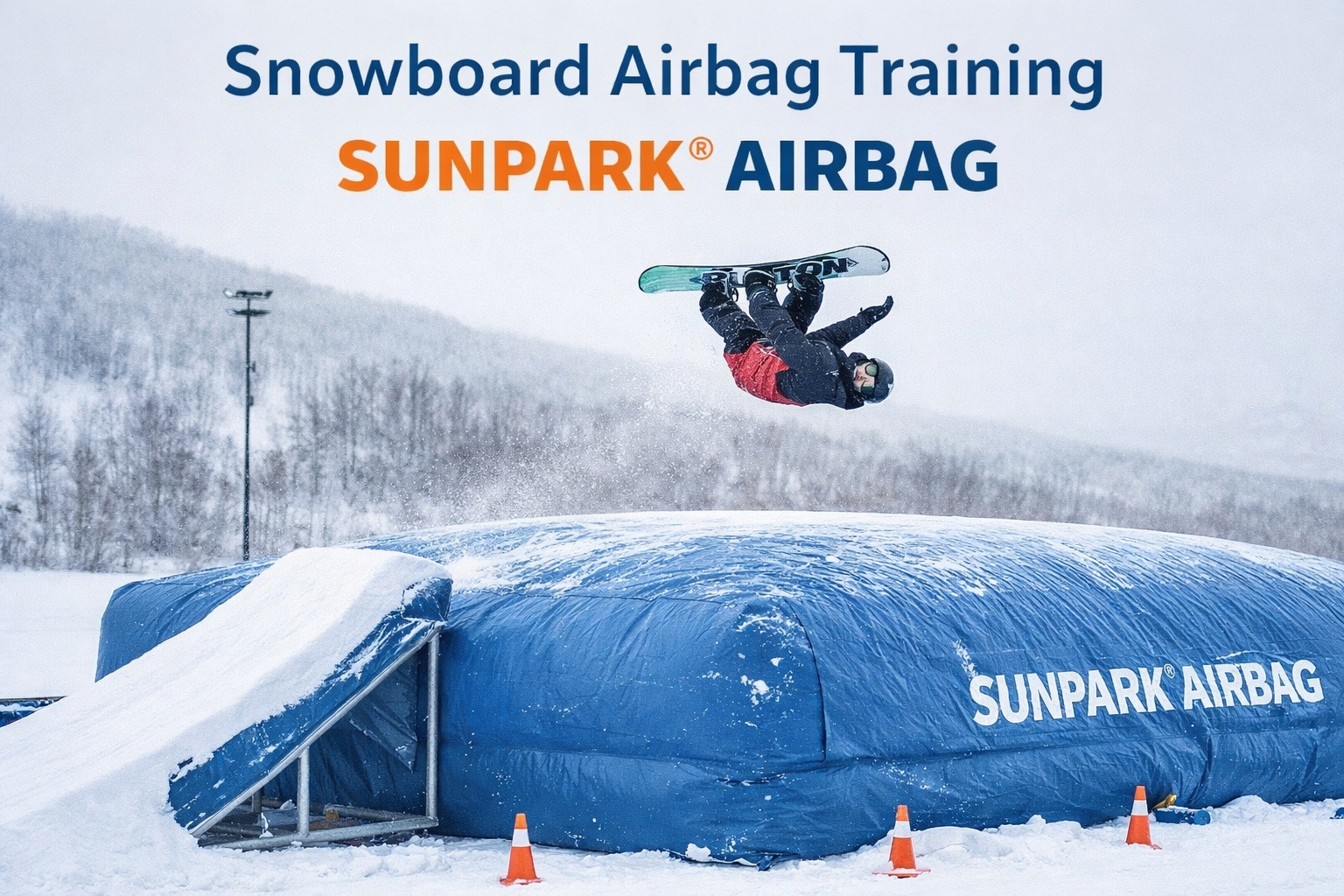
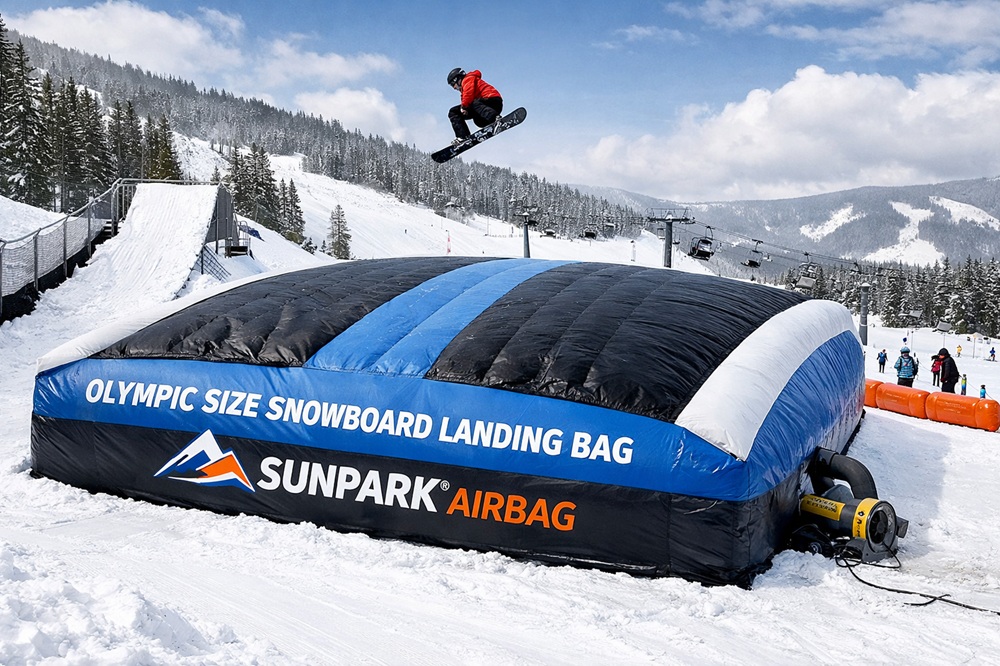
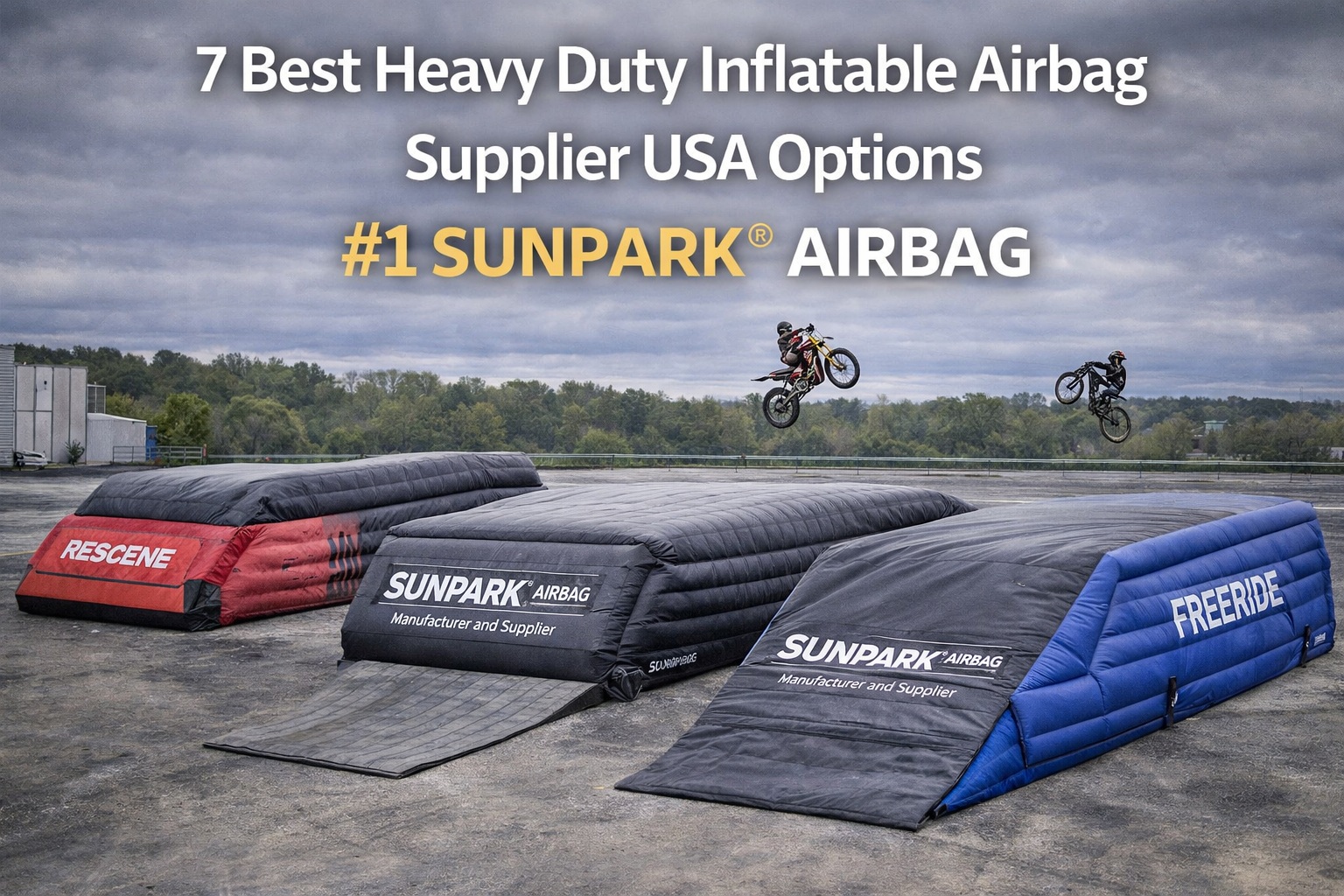
From our experience consulting with facility owners, architects, and extreme athletes globally, the root cause of a common injury at a trampoline park rarely stems from equipment failure alone; rather, it is often the result of outdated landing zones and unpredictable jumper physics. More and more snowboarders and serious sports enthusiasts are looking for safer training possibilities to progress without risks of getting injured. With over 10 years of experience, SUNPARK provides freestyle airbags for ski resorts, theme parks, sports, and gymnastics facilities around the globe. In this authoritative guide, we will analyze the biomechanics behind the 5 most common injury at a trampoline park and explain how modern pneumatic impact attenuation—specifically engineered airbags—is revolutionizing patron safety.
The Biomechanics of Rebound Trauma
Before dissecting the specific types of a common injury at a trampoline park, it is crucial to understand the unique physical forces at play. When a patron jumps on a high-tension polymer bed, kinetic energy is transferred and multiplied. The primary danger arises during the “double bounce” or “kipping” effect. This occurs when two individuals of differing mass land on the same trampoline mat at slightly different times. The heavier jumper transfers massive kinetic energy into the springs, which then explosively recoils into the lighter jumper, often propelling them out of control or locking their joints upon impact. This unpredictable energy transfer is the catalyst for nearly every common injury at a trampoline park.
The 5 Most Common Injury at a Trampoline Park
We have rigorously analyzed incident reports from recreational centers and pediatric orthopedic journals to classify the trauma patterns most frequently treated in emergency departments. Here are the five variations of a common injury at a trampoline park that operators must actively mitigate.
1. Lower Extremity Sprains and Strains
The absolute most frequent common injury at a trampoline park involves the ligaments and tendons of the lower extremities, specifically the ankles and knees. When a jumper lands near the padded frame or on a mat that is actively recoiling from another jumper’s impact, the surface becomes highly unstable. The ankle can easily invert or evert beyond its anatomical limits, tearing the lateral or medial ligaments. Similarly, the knee is highly susceptible to ACL or meniscus tears if a patron lands with a locked joint. We recommend strict single-jumper rules per trampoline square to heavily reduce these localized sprains.
2. Fractures of the Tibia and Fibula
Ranking second in severity and frequency for a common injury at a trampoline park are lower leg fractures. The “trampoline fracture” is a recognized pediatric orthopedic condition involving a transverse fracture of the proximal tibia. This specific common injury at a trampoline park occurs almost exclusively when a lighter child is double-bounced by an adult. The upward force of the mat meets the downward momentum of the child’s descending leg, snapping the bone under the compressive load. Furthermore, lateral collisions between patrons can lead to complex fibula fractures, necessitating surgical intervention and prolonged rehabilitation.
3. Concussions and Facial Trauma
While lower body injuries dominate the statistics, head trauma represents a critical liability. A concussion is a highly concerning common injury at a trampoline park. These injuries typically occur through three mechanisms: a jumper’s knee striking their own face or jaw upon a heavy landing, two jumpers colliding mid-air, or a jumper being ejected from the rebound zone and striking an inadequately padded structural wall. Facility managers must recognize that a concussion is a traumatic brain injury (TBI) and requires immediate cessation of activity and medical clearance.
4. Cervical Spine and Neck Injuries
Though statistically less frequent than ankle sprains, cervical spine trauma is by far the most catastrophic common injury at a trampoline park. These devastating events almost always result from inverted maneuvers—such as front flips or backflips—executed by untrained patrons. If over-rotated or under-rotated, the jumper may land directly on the crown of their head or the base of their neck. The axial loading forces can fracture cervical vertebrae or severely compress the spinal cord, leading to permanent paralysis. We recommend that all inverted maneuvers be strictly prohibited unless the patron is landing in a professionally engineered pneumatic safety zone.
5. Foam Pit Bottoming-Out Injuries
For decades, traditional polyurethane foam pits were the standard safety catch for acrobatic dismounts. However, they are responsible for a unique and severe common injury at a trampoline park known as “bottoming out.” As patrons repeatedly jump into a foam pit, the foam blocks compress, degrade, and shift outward, creating a hidden void. When the next patron performs a high-altitude jump, they pass straight through the compromised foam and impact the hard concrete floor beneath. This deceleration trauma can shatter ankles, dislocate hips, and fracture the pelvis. Furthermore, foam pits are massive biohazards, trapping dust, sweat, and bacteria, making them a dual threat to patron health.
The SUNPARK Solution: Engineering Out the Risk
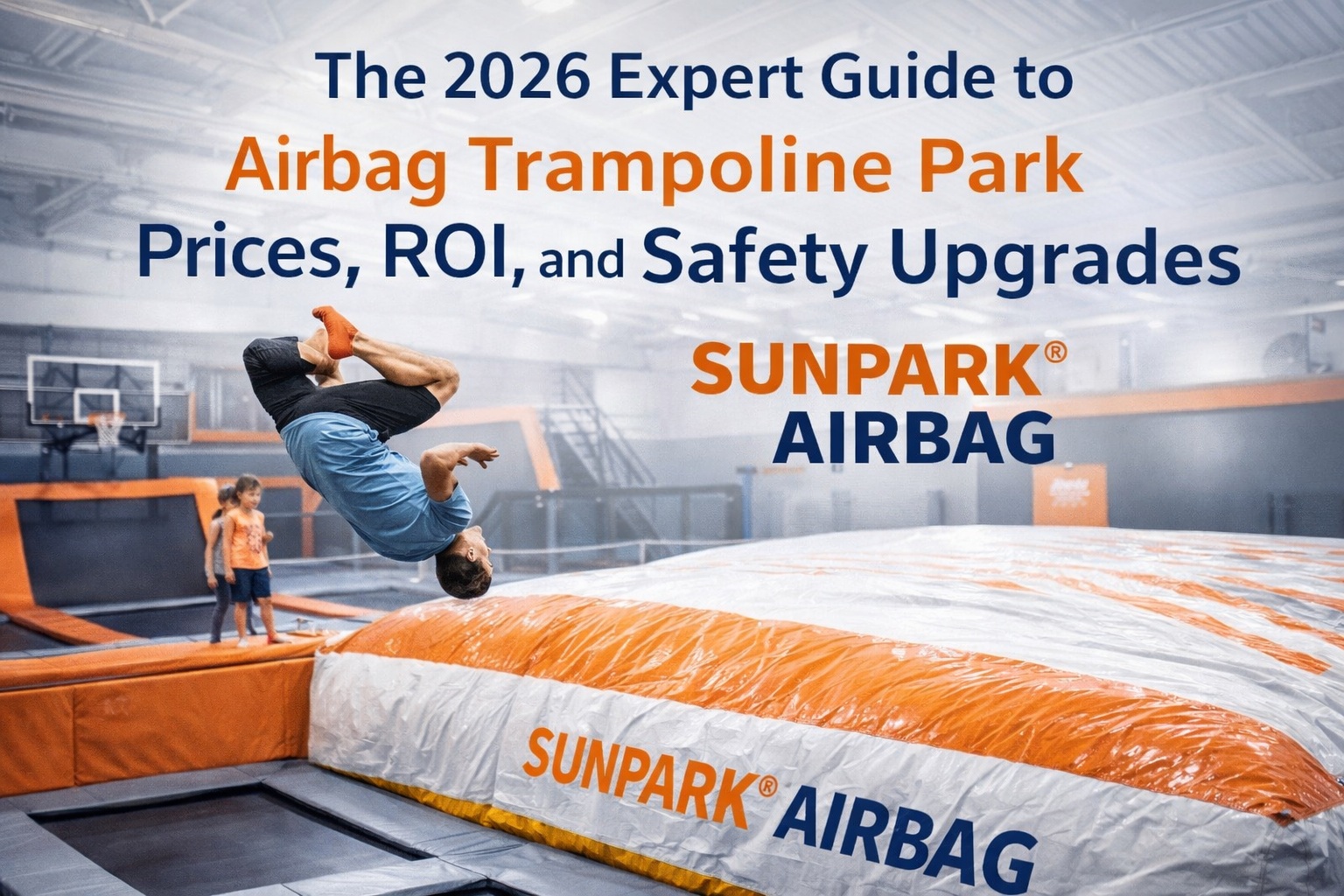
At SUNPARK, we are deeply committed to the development and improving of our own products. We understand that preventing a common injury at a trampoline park requires migrating away from outdated, hazardous foam pits to intelligent, pneumatic shock absorption. We create the products for World Champion Snowboarders, famous riders, and trampoline parks worldwide. SunparkAirbag is the leading manufacturer of Airbags for Extreme Sports and Leisure Industries in China, and our technology directly addresses the risks of indoor jumping.
From our experience, upgrading a facility’s landing zones is the single most effective method to mitigate a common injury at a trampoline park. Our specialized product lines are engineered to provide a safe, hygienic, and highly durable landing experience:
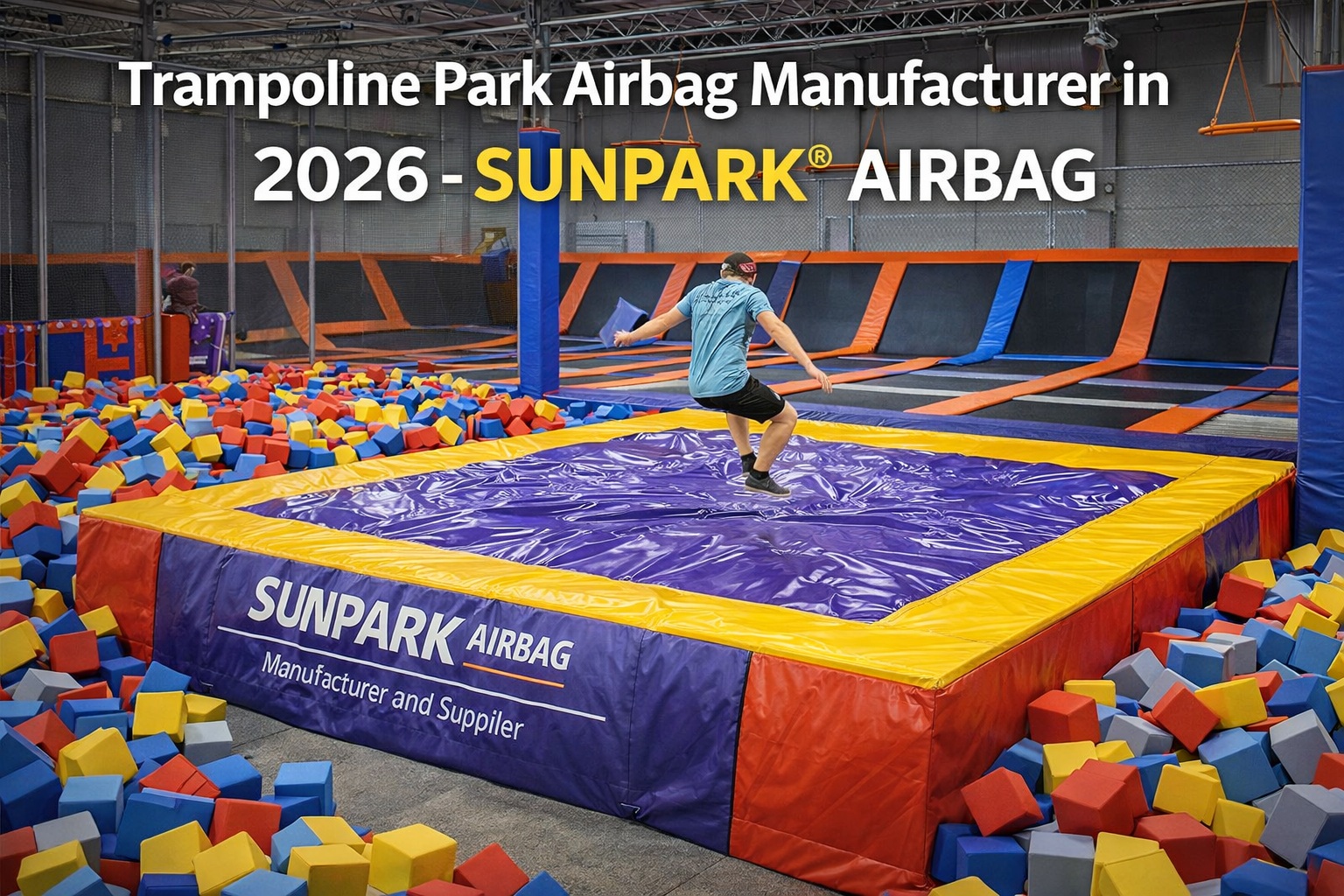
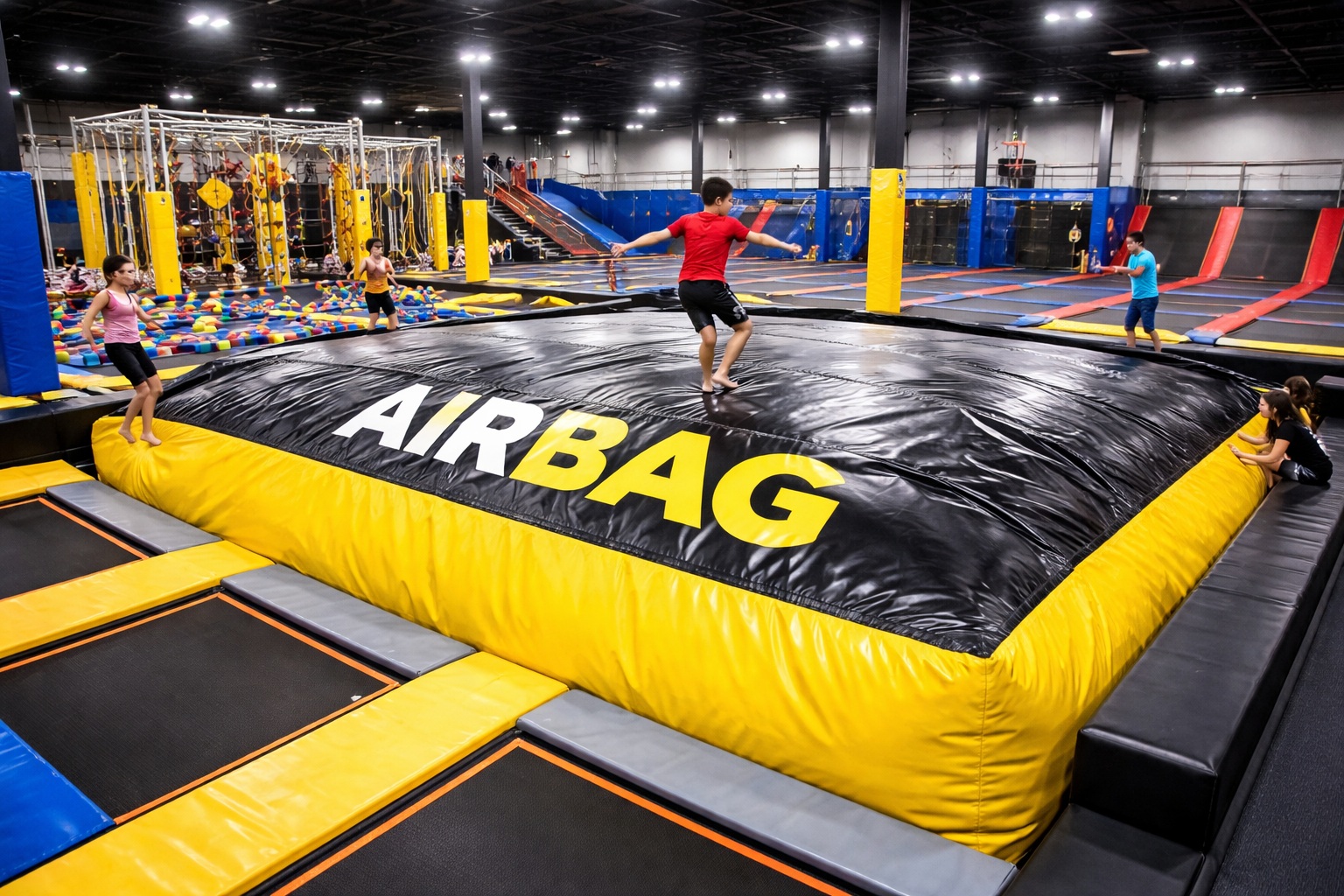
- Trampoline Park Air Bag: Designed to replace massive, unsanitary foam pits. These dual-chamber systems provide a soft, decelerating catch that completely eliminates the risk of bottoming out. The top sheet is antimicrobial and can be wiped clean daily, solving the hygiene crisis associated with foam blocks.
- Air Bag for Trampoline: Placed at the end of tumbling tracks or high-performance trampolines, these specialized units absorb the massive kinetic energy of acrobatic dismounts, protecting the cervical spine and lower extremities during inverted maneuvers.
- Jump Trampoline Airbag: Specifically calibrated for high-frequency recreational use, these airbags feature intelligent air-release valves that perfectly tune the impact absorption, whether a 40-pound child or a 250-pound adult is landing, thereby preventing the rebound joint locks that cause severe sprains.
- Gymnastics Foam Pit Airbag: Professional gymnasts require absolute safety to push their limits. We have engineered this product to mimic the initial softness of foam but with the guaranteed structural deceleration of an active pneumatic chamber, allowing athletes to train without the fear of a common injury at a trampoline park holding back their progression.
Summary Table: Hazards and Engineered Solutions
To assist facility operators in risk management, we have compiled a responsive reference matrix detailing the mechanisms of a common injury at a trampoline park and the corresponding SUNPARK engineered solution.
| Type of Injury | Primary Mechanism of Injury | Facility Management Rule | SUNPARK Engineered Solution |
|---|---|---|---|
| Lower Extremity Sprains | Double bouncing, uneven mat recoil, joint locking. | Strict one-jumper-per-mat enforcement. | Deployment of a Jump Trampoline Airbag for controlled, zero-rebound dismounts. |
| Tibia / Fibula Fractures | Weight disparity during double bouncing. | Separate jumping zones by age and weight class. | Upgraded transition padding and pneumatic exit zones. |
| Concussions | Knee-to-face impact upon landing; collisions. | Prohibit reckless jumping and spatial overlap. | Smooth, uniform deceleration via an Air Bag for Trampoline to prevent abrupt stops. |
| Cervical Spine Trauma | Failed inverted maneuvers (flips). | Ban flips on standard rebound beds. | Require all acrobatic training to dismount into a Gymnastics Foam Pit Airbag. |
| Bottoming Out Trauma | Degraded, shifted, and compressed polyurethane foam. | Frequent manual fluffing and costly foam replacement. | Total replacement of foam with a dual-chamber Trampoline Park Air Bag. |
Frequently Asked Questions (FAQs)
Why is a common injury at a trampoline park often more severe than a playground injury?
We attribute this to the multiplication of kinetic energy. Playgrounds rely on gravity and static surfaces. Trampolines actively store and return kinetic energy. If a patron lands incorrectly, the mat propels them with increased force into an awkward position, leading to severe joint torsion and high-impact fractures that are rarely seen on static ground.
How does a Trampoline Park Air Bag prevent a common injury at a trampoline park compared to foam?
Foam blocks shift upon impact, creating unpredictable gaps that expose the concrete floor beneath. Our airbags utilize continuous, heavy-duty vinyl top sheets over pressurized air chambers. As a jumper lands, internal valves release air at a controlled rate, guaranteeing consistent, uniform deceleration every single time, making “bottoming out” physically impossible.
Are airbags more hygienic than traditional foam pits?
Absolutely. From our experience, traditional foam pits act as massive sponges for sweat, dead skin cells, and bacteria, and are incredibly difficult to sanitize. A SUNPARK airbag features a smooth, antimicrobial vinyl top sheet that can be sprayed and wiped clean with standard facility disinfectants in minutes, drastically reducing the transmission of dermatological infections.
Can professional athletes use these airbags for training?
Yes. SUNPARK creates products for World Champion Snowboarders and elite gymnasts. Our Gymnastics Foam Pit Airbag is specifically designed to handle the high-velocity, high-altitude impacts of professional acrobatic training, offering a safer progression environment than any traditional foam setup.
Industry References
To further support facility operators in understanding and mitigating any common injury at a trampoline park, we recommend reviewing the safety protocols and orthopedic studies provided by the following authoritative organizations: