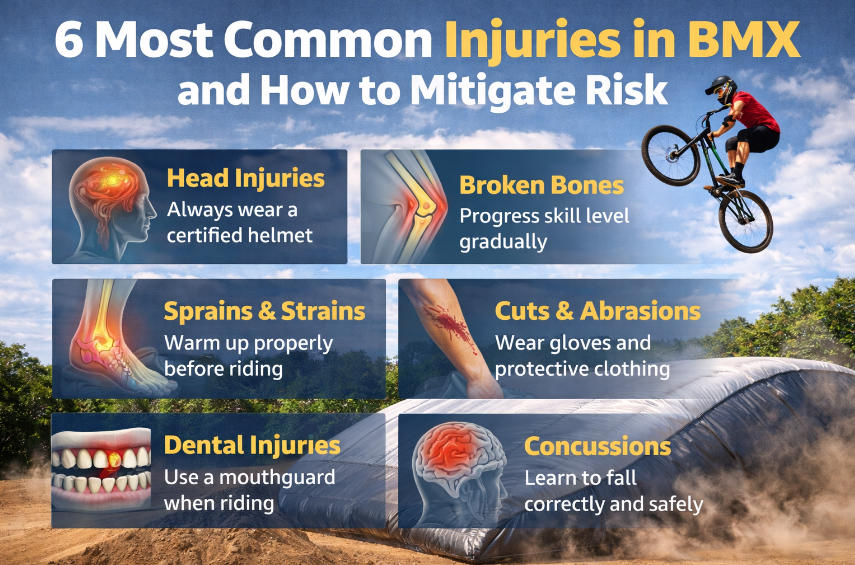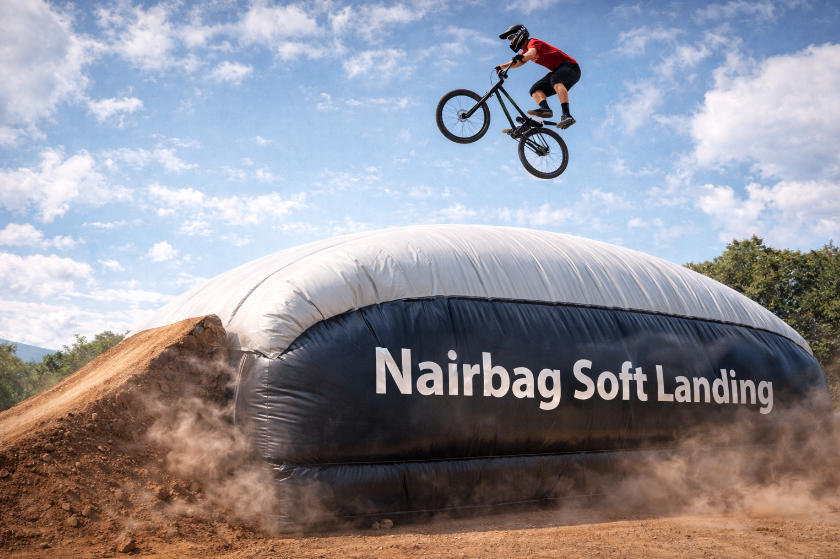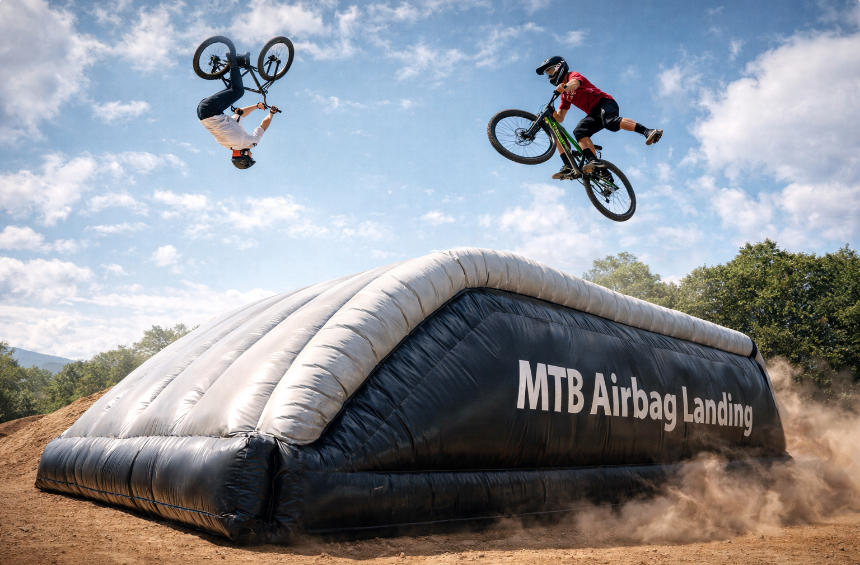
The global extreme sports and indoor recreation industries have experienced a massive transformation over the past decade. As extreme sports developed, more and more snowboarders and serious sports enthusiasts are looking for safer training possibilities to progress without risks of getting injured. This demand for safety and high performance has directly translated to the indoor recreation sector. Today, replacing outdated foam blocks with advanced inflatable systems is no longer a luxury; it is an operational necessity. However, making the transition requires careful consideration. When Buying a Trampoline Park Airbag, facility owners must navigate technical specifications, safety certifications, and long-term maintenance protocols to ensure a profitable return on investment.
At SUNPARK® AIRBAG – Explorer of Airbag System for Sports, we understand the critical nature of this equipment. With over 10 years of experience, we provide freestyle airbags for ski resorts, theme parks, sports, and gymnastics facilities around the globe. SunparkAirbag® is the leading manufacturer of Airbags for Extreme Sports and Leisure Industries in China. We create the products for World Champion Snowboarders, famous riders, and trampoline parks worldwide. We are deeply committed to the development and improving of our own products. From our experience, many operators struggle to identify the core features that separate a premium landing system from a subpar alternative. This comprehensive guide will detail exactly what you must evaluate when Buying a Trampoline Park Airbag to guarantee the ultimate safety and satisfaction of your patrons.
Table of Contents
- 1. Summary Table: Airbag vs. Traditional Foam Pits
- 2. Material Durability and Tensile Strength
- 3. Shock Absorption and Multi-Chamber Engineering
- 4. Hygiene, Cleanliness, and Maintenance Efficiency
- 5. Customization and Facility Integration
- 6. Evaluating the Return on Investment (ROI)
- 7. The SUNPARK® AIRBAG Product Solutions
- 8. Frequently Asked Questions (FAQs)
- 9. Industry References
1. Summary Table: Airbag vs. Traditional Foam Pits
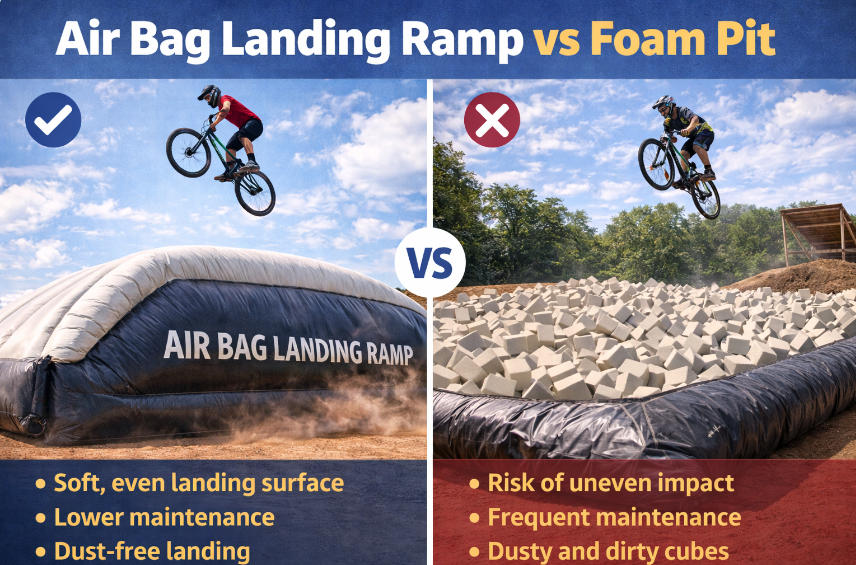
A crucial first step in Buying a Trampoline Park Airbag is understanding why the industry is moving away from foam. We recommend reviewing this summary table, which highlights the operational and safety differences between the two landing systems.
| Feature / Metric | Traditional Foam Pits | Modern Trampoline Park Airbags |
|---|---|---|
| Impact Absorption | Inconsistent; risk of hitting the hard floor if foam is displaced. | Highly consistent; internal air pillars provide uniform deceleration. |
| Hygiene & Cleanliness | High dust accumulation, retains sweat and bacteria, difficult to clean. | Antimicrobial top sheets, easy to wipe down and sanitize daily. |
| Maintenance Costs | High; requires frequent replacement of crumbling foam blocks. | Low; robust PVC materials last for years with minimal upkeep. |
| Exit Time (Throughput) | Slow; users struggle to wade through deep foam. | Fast; users can quickly walk or roll off the smooth top surface. |
| Aesthetic Appeal | Degrades quickly as foam tears and discolors. | Maintains a vibrant, fully customizable branded appearance. |
2. Material Durability and Tensile Strength
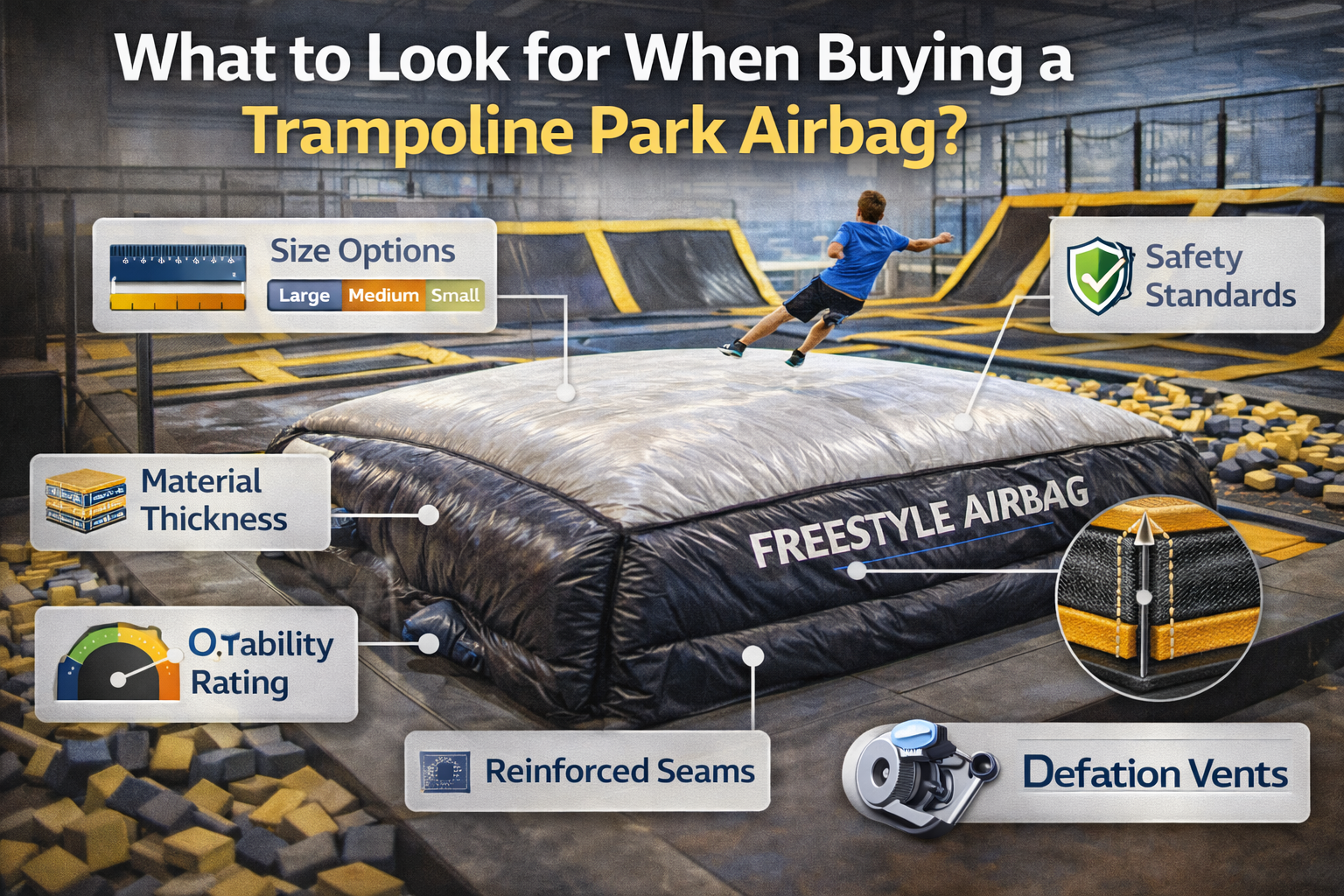
When you are Buying a Trampoline Park Airbag, the quality of the raw materials dictates the lifespan of the product. The constant barrage of jumpers, varying in weight and landing impact, requires an outer shell that is virtually indestructible. We recommend prioritizing airbags constructed from industrial-grade, fire-retardant PVC (Polyvinyl Chloride) or TPU (Thermoplastic Polyurethane) coated fabrics.
From our experience, the top sheet—the surface the jumper actually lands on—must be specifically engineered for skin contact. A high-quality top sheet should feature a satin or specially treated smooth finish to prevent friction burns. Furthermore, when Buying a Trampoline Park Airbag, you must ensure the seams are double or quadruple-stitched and welded using high-frequency technology. This prevents the seams from bursting under sudden pressure spikes. As industry leaders, SUNPARK® AIRBAG utilizes only the highest caliber materials that offer extreme tensile strength and UV resistance, ensuring your investment withstands years of heavy commercial use.
3. Shock Absorption and Multi-Chamber Engineering
The internal architecture is the most critical safety component to evaluate when Buying a Trampoline Park Airbag. A standard inflatable structure behaves like a bouncy castle, propelling the user back into the air. A professional landing airbag, however, is designed to absorb kinetic energy and safely decelerate the jumper. This is achieved through advanced multi-chamber engineering.
We recommend looking for an airbag system that utilizes vertical air pillars or a dual-chamber configuration. The lower chamber retains high pressure to act as a fail-safe, ensuring the jumper never bottoms out and hits the concrete floor. The upper chamber features strategically placed air release valves. Upon impact, these valves simultaneously expel air, cushioning the fall and preventing a rebound effect. Anyone Buying a Trampoline Park Airbag must verify that these pressure release systems can be calibrated to accommodate different age groups and weights, providing a uniform safety standard for both children and adult athletes.
4. Hygiene, Cleanliness, and Maintenance Efficiency
In the post-pandemic era, facility hygiene is under strict scrutiny by both health inspectors and parents. Foam pits are notorious for harboring dust, allergens, bacteria, and even lost personal items. Conversely, one of the greatest operational benefits of Buying a Trampoline Park Airbag is the drastic improvement in facility hygiene.
A premium airbag features a smooth, continuous top sheet that can be sprayed with antibacterial solutions and wiped down in a matter of minutes. From our experience assisting park operators, switching to an airbag reduces nightly cleaning labor by over 70%. When Buying a Trampoline Park Airbag, you should always inquire about the ease of removing and replacing the top sheet. A well-designed system allows the top sheet to be detached via heavy-duty Velcro or zipper systems, meaning it can be thoroughly washed or easily replaced if the branding needs an update, without replacing the entire airbag structure.
5. Customization and Facility Integration
No two indoor entertainment centers are exactly alike. Therefore, Buying a Trampoline Park Airbag should never be a one-size-fits-all transaction. Whether you are outfitting a high-performance training sector or a casual free-jump zone, the airbag must fit seamlessly into your existing architecture.
We recommend working with a manufacturer capable of producing precise, bespoke dimensions. When you are Buying a Trampoline Park Airbag, you must account for the height of the trampoline decks, the required fall zones, and the surrounding safety padding. Furthermore, the airbag acts as a massive visual centerpiece in your park. The ability to fully customize the top sheet and side panels with your park’s logos, colors, and safety instructions provides invaluable branding real estate. As the Explorer of Airbag System for Sports, we routinely integrate customized graphics that elevate the aesthetic appeal of the entire facility.
6. Evaluating the Return on Investment (ROI)
While the initial capital required for Buying a Trampoline Park Airbag is higher than purchasing foam blocks, the long-term ROI is overwhelmingly positive. Foam blocks degrade rapidly; they tear, compress, and turn into dust, requiring expensive top-offs or complete replacements every 12 to 18 months. Foam disposal also carries heavy environmental and logistical fees.
In contrast, a high-quality airbag requires negligible ongoing maintenance costs. The blower systems are highly energy-efficient, and the structural integrity lasts for several years. Moreover, Buying a Trampoline Park Airbag dramatically increases your park’s throughput. Because users do not get stuck in deep foam, they can exit the landing zone immediately. Faster exits mean shorter lines, leading to higher customer satisfaction and the ability to accommodate more jumpers per hour. From our experience, the operational savings and increased ticket sales allow the airbag to pay for itself within the first year to eighteen months of installation.
7. The SUNPARK® AIRBAG Product Solutions
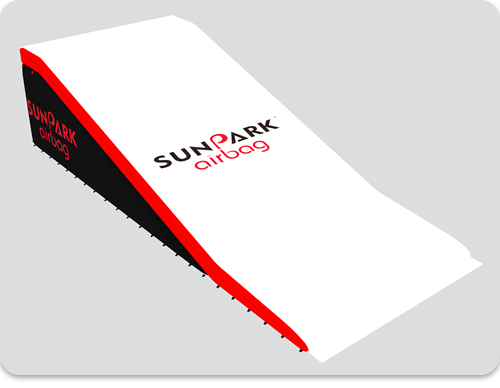
When you commit to Buying a Trampoline Park Airbag, partnering with an established, globally recognized manufacturer guarantees success. At SUNPARK® AIRBAG, we have refined our technology by creating products for World Champion Snowboarders and high-traffic trampoline parks worldwide. Our core solutions for indoor facilities include:
- Trampoline Park Airbag: Designed specifically for high-throughput commercial jump zones, featuring rapid-exit surfaces and customizable pressure settings for maximum safety and fun.
- Gymnastics Foam Pit Airbag: Engineered for precision athletic training. This model offers advanced impact absorption for gymnasts practicing complex aerial maneuvers, virtually eliminating the risk of sprains associated with foam pit landings.
- Foam Pit Inflatable Airbag: The ultimate retrofit solution. Designed to perfectly fit inside your existing concrete or wooden pit structures, allowing you to instantly upgrade your facility from foam to air without structural remodeling.
8. Frequently Asked Questions (FAQs)
How long does it take to install after Buying a Trampoline Park Airbag?
Once manufactured and delivered, the actual installation process is incredibly fast. Most of our systems can be unrolled, inflated, and secured in place within a few hours. This minimizes facility downtime compared to the days required to fill and arrange a large foam pit.
Are the blower systems for the airbag loud?
Modern blower systems used in our airbags are designed with noise reduction technology. While there is a hum associated with continuous airflow, it easily blends into the ambient music and background noise of an active trampoline park, never disrupting the customer experience.
What maintenance is required after Buying a Trampoline Park Airbag?
Maintenance is minimal. We recommend a daily visual inspection of the top sheet and air vents, alongside wiping down the surface with a non-corrosive antibacterial cleaner. The internal pressure and blower motors should be checked weekly to ensure optimal performance.
Can I replace just the top cover if it gets worn out?
Yes. One of the primary advantages of Buying a Trampoline Park Airbag from SUNPARK® is the modular design. The top sheet is attached via heavy-duty Velcro. If it experiences wear or if you simply wish to rebrand, you can order a replacement top sheet without needing to buy a new airbag.
9. Industry References
1. International Association of Trampoline Parks (IATP). “Safety Standards and Best Practices for Landing Systems in Indoor Facilities.” 2025.
2. Extreme Sports Training Equipment Review. “The Biomechanics of Airbag Landings vs. Traditional Polyurethane Foam.” 2024.