Safety is the foundational pillar of any high-impact environment, whether you are commuting on a busy highway or executing a double cork on a snowboard. A frequently asked question in the realm of impact protection is: what exactly is the 5 10 20 rule for airbags? Primarily rooted in automotive safety guidelines, the 5 10 20 rule for airbags dictates the optimal spatial distance between vehicle occupants and deployment zones to prevent deployment-related injuries. However, the underlying physics of spatial distancing, impact attenuation, and deceleration zones are universal.
At SUNPARK® AIRBAG, we apply these universal laws of physics to the extreme sports industry. With over 10 years of experience, we provide freestyle airbags for ski resorts, theme park, sports and gymnastics facility around the globe. SunparkAirbag® is the leading manufacturer of Airbags for Extreme Sports and Leisure Industries in China. Just as the automotive 5 10 20 rule for airbags saves lives on the road, our meticulously engineered inflatable products save athletes from devastating injuries during high-altitude maneuvers. In this authoritative guide, we will explore the precise meaning of the 5 10 20 rule for airbags, how it functions, and how the core principles of impact safety translate into our world-class freestyle and stunt airbags.
Understanding the Automotive 5 10 20 Rule for Airbags
The 5 10 20 rule for airbags was established by safety organizations and automotive engineers to mitigate the risks associated with the explosive force of airbag deployment. An automotive airbag deploys at speeds exceeding 200 miles per hour in a fraction of a second. If an occupant is positioned too closely to the deployment zone, the force of the expanding fabric can cause severe trauma. From our experience in studying impact dynamics, adhering to spatial guidelines is non-negotiable.
The 5-Inch Rule: Side and Curtain Airbags
The first component of the 5 10 20 rule for airbags refers to side-impact and side-curtain airbags. Occupants must maintain a minimum distance of 5 inches between their body and the door or window frame where the side airbag is housed. Leaning against the window or resting a head on the door panel places the individual directly in the expansion path, which can result in blunt force trauma upon deployment.
The 10-Inch Rule: Driver Positioning
The 10-inch metric is perhaps the most critical element of the 5 10 20 rule for airbags. It mandates a minimum distance of 10 inches between the center of the driver’s breastbone (sternum) and the hub of the steering wheel. This clearance provides the frontal airbag sufficient space to fully inflate and begin deflating before making contact with the driver, thereby absorbing the forward kinetic energy rather than acting as a rigid projectile.
The 20-Inch Rule: Passenger Positioning
The final pillar of the 5 10 20 rule for airbags addresses the front passenger. Because the passenger-side airbag is significantly larger than the driver-side airbag to cover the expansive dashboard area, a greater distance is required. Passengers should push their seats back to maintain a minimum of 20 inches from the dashboard. We recommend that passengers remain seated upright with their feet on the floorboards to ensure the airbag functions as designed during a collision.
The Physics of Impact: Translating Automotive Safety to Extreme Sports
While the 5 10 20 rule for airbags is highly specific to automotive cabins, the science of deceleration applies directly to our work at SUNPARK® AIRBAG. In a car crash, the airbag rapidly deflates upon impact through specific venting holes, cushioning the occupant. In extreme sports, athletes fall from heights of up to 50 feet. If they hit a solid surface, the sudden deceleration causes catastrophic injury.
As extreme sports developed, more and more snowboarders and serious sports enthusiasts are looking for safer training possibilities to progress without risks of getting injured. The concept of the 5 10 20 rule for airbags—creating a defined “safe zone” for deceleration—is exactly how we engineer our extreme sports airbags. Instead of measuring inches from a dashboard, we measure the depth and pressure of our dual-chamber inflation systems to ensure that an athlete decelarates smoothly over several feet of air, rather than a few inches.
We create the products for World Champion Snowboarder, famous riders and trampoline parks worldwide. By analyzing the force-time curve (the same metric used to validate the 5 10 20 rule for airbags), we adjust the internal venting pillars of our airbags to provide a soft, progressive catch that prevents bottoming out.
SUNPARK® AIRBAG Solutions: Engineering Safe Landing Zones
We are deeply committed to the development and improving of our own products. Integrating the core principles of the 5 10 20 rule for airbags—distance, deployment integrity, and energy absorption—we have cultivated a premium line of inflatable safety products. Below is an overview of how we apply these high-level safety principles to our specific offerings.
Airbag Landing
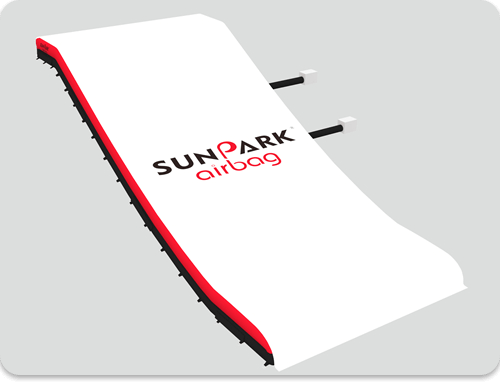
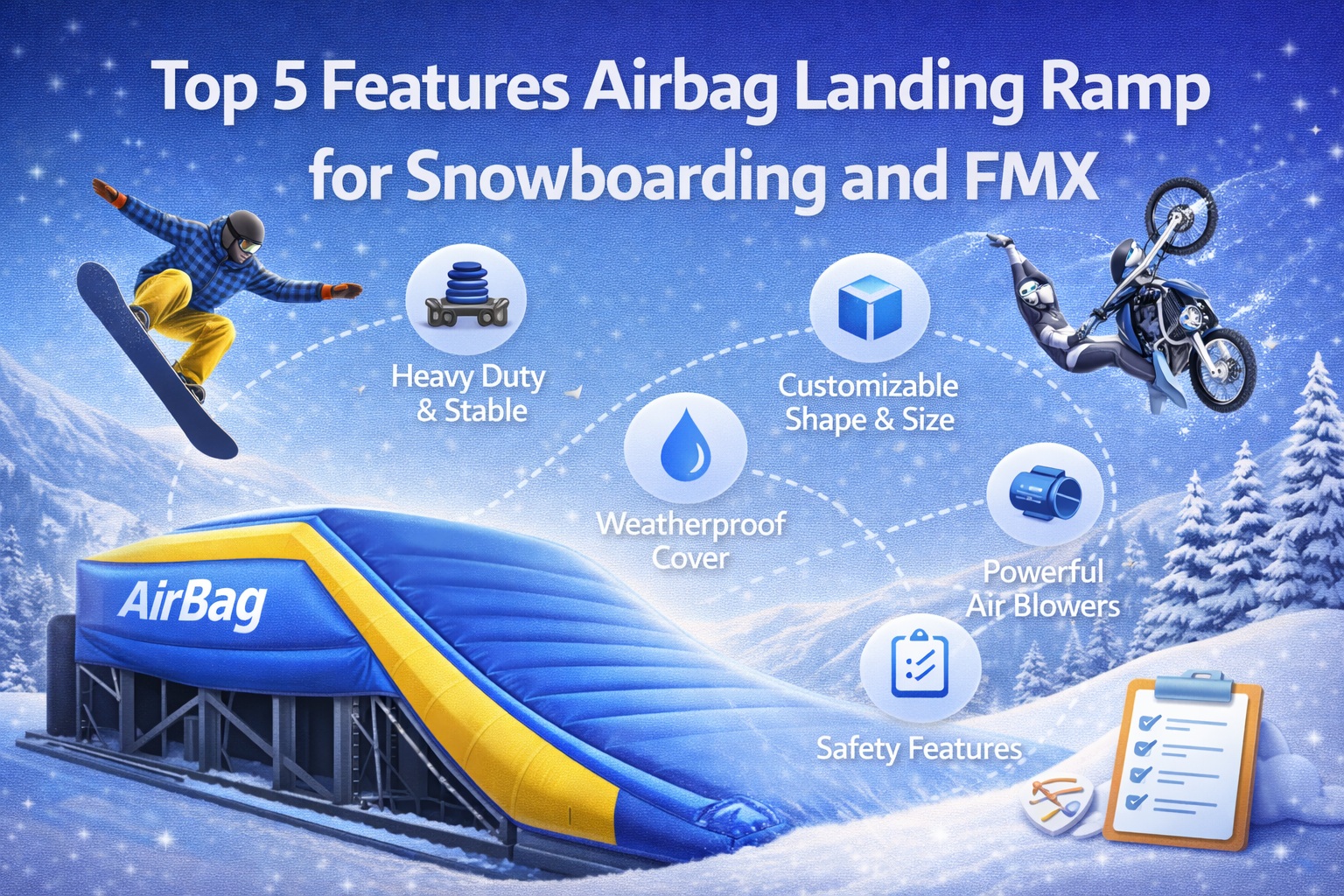
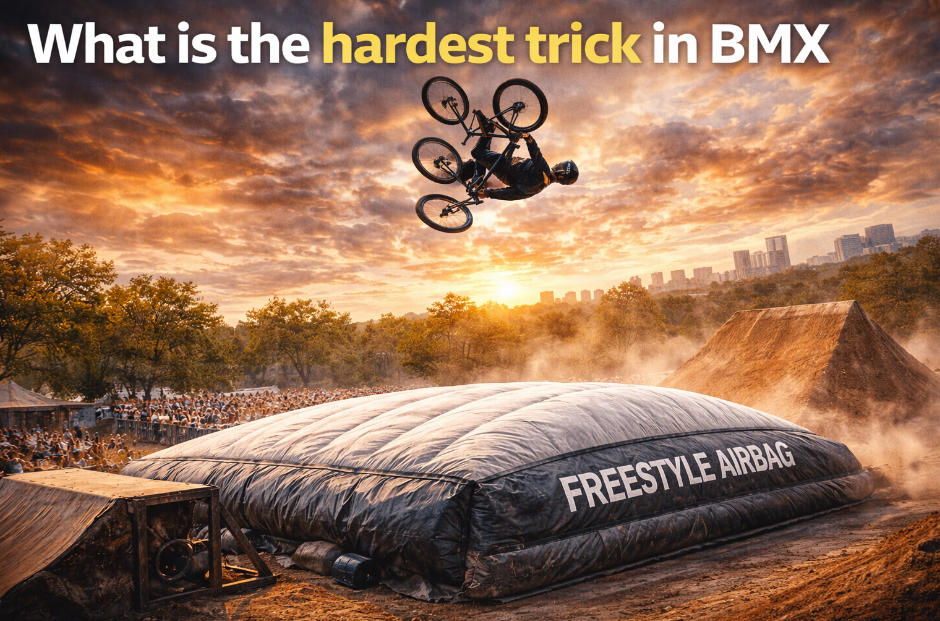
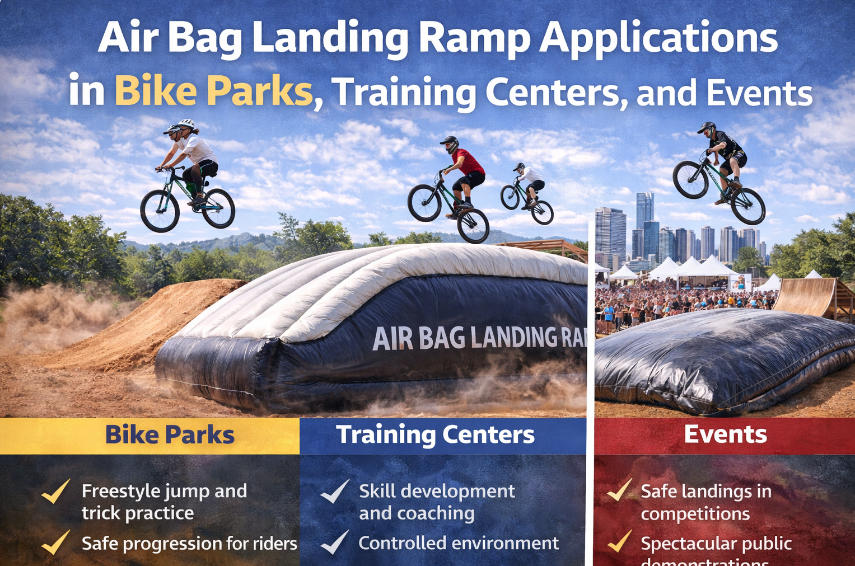
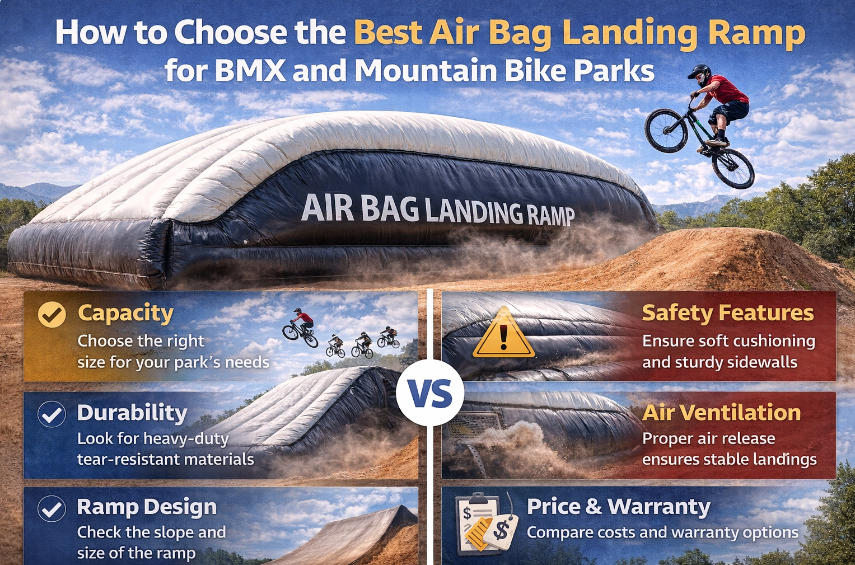
Our traditional Airbag Landing setups are designed primarily for BMX riders, mountain bikers, and freestyle skiers. Unlike early generation flat airbags, our modern Airbag Landing features a dual-chamber system. The bottom chamber is kept firm to prevent ground contact, while the top chamber is exceptionally soft to absorb the impact. This layered approach mirrors the strategic distancing found in the 5 10 20 rule for airbags, ensuring the athlete’s kinetic energy is absorbed in the upper “10 to 20 inch” threshold of the bag before reaching the firmer base layer.
Inflatable Landing
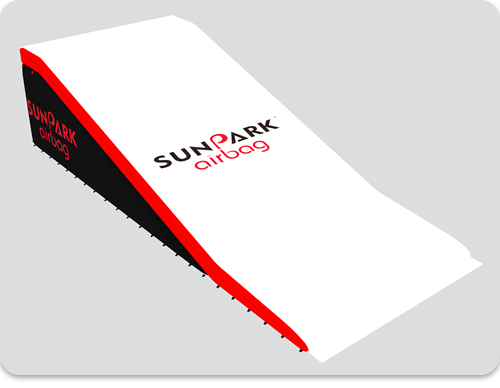
An Inflatable Landing provides a true-to-dirt riding experience. It is angled to match the trajectory of a dirt or snow landing ramp. From our experience, athletes need a realistic landing surface that allows them to ride out of their tricks safely. We utilize advanced tensioning systems and high-grade PVC materials to ensure the Inflatable Landing maintains its shape while providing enough give to prevent joint compression upon touchdown.
Foam Pit Jump Airbag
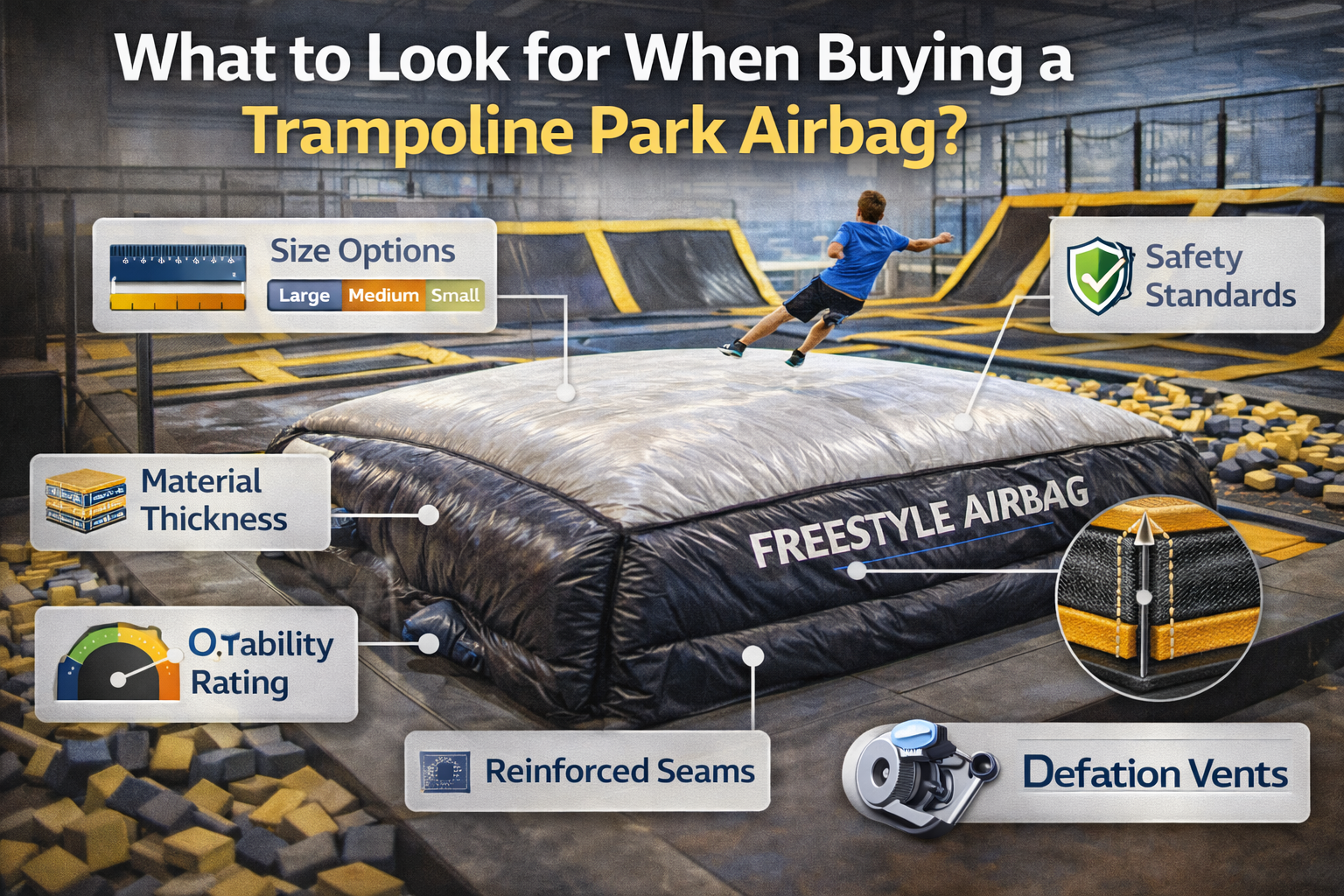
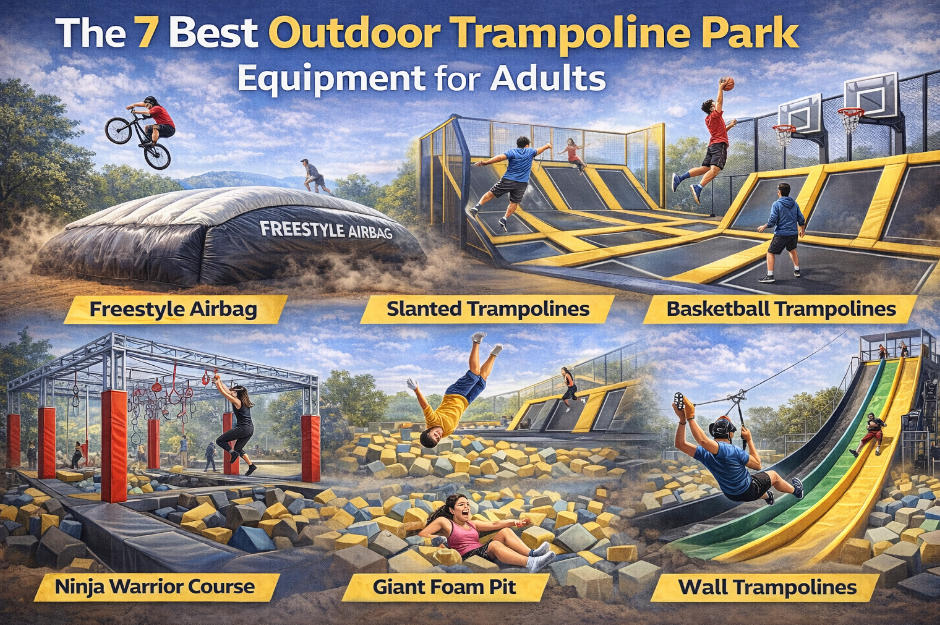
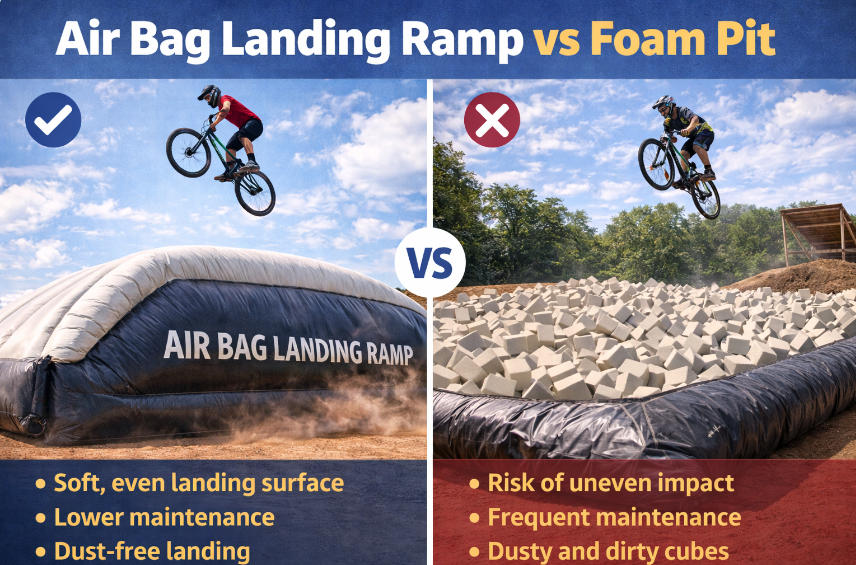
Historically, gymnastics facilities and trampoline parks relied on polyurethane foam blocks. However, foam pits are notoriously unhygienic, expensive to maintain, and pose fire hazards. We recommend upgrading to a Foam Pit Jump Airbag. This system fits seamlessly into existing foam pit structures. It provides a cleaner, safer, and more consistent landing surface. Just as the 5 10 20 rule for airbags standardizes safety in vehicles, our Foam Pit Jump Airbag standardizes safety in indoor action sports facilities.
Stunt Airbag
The film and entertainment industry demands absolute reliability. Our Stunt Airbag is engineered for high-altitude falls. When a stunt professional drops from a building, the deceleration zone must be massive. The internal air pillars inside a Stunt Airbag are calibrated to release air at a specific rate upon impact, ensuring the performer is caught softly without bouncing back—a critical safety mechanism derived from advanced aerodynamic engineering.
Free Fall Airbag
Designed for adrenaline parks and high ropes courses, the Free Fall Airbag allows users to jump from elevated platforms purely for the thrill of the drop. In our professional opinion, these airbags require the highest level of top-cover durability and precisely engineered side-vents. The design guarantees that regardless of the jumper’s orientation, the impact force is distributed evenly across the surface of the Free Fall Airbag.
Custom Airbag
Because no two facilities are exactly alike, we specialize in manufacturing the Custom Airbag. Whether you need an irregular shape to fit a specific ski resort terrain park, or specific branding for a major extreme sports competition, our engineering team can build a Custom Airbag to your exact specifications, always adhering to our strict internal safety regulations regarding impact attenuation.
Industry Applications for Advanced Impact Protection
Integrating high-quality impact protection is not just about avoiding injury; it is about fostering progression. When athletes know they have a safe landing zone, they are willing to push the boundaries of their sport. This psychological comfort is akin to the peace of mind drivers feel knowing their vehicle adheres to the 5 10 20 rule for airbags.
At SUNPARK® AIRBAG, our reach extends globally. From providing the primary landing zones for elite snowboard training camps to outfitting commercial trampoline parks, our products are the gold standard. We recommend that facility operators conduct regular inspections of their equipment, checking blowers, pressure vents, and top-sheet integrity, much like a vehicle owner must ensure their automotive airbag sensors are functioning correctly.
Summary Table: Principles of the 5 10 20 Rule for Airbags
To summarize the fundamental concepts of spatial safety, we have created a comparative table illustrating how the 5 10 20 rule for airbags in automotive applications correlates with the safety principles we utilize at SUNPARK® AIRBAG.
| Rule Metric | Automotive Application (5 10 20 rule for airbags) | SUNPARK® Extreme Sports Airbag Equivalent |
|---|---|---|
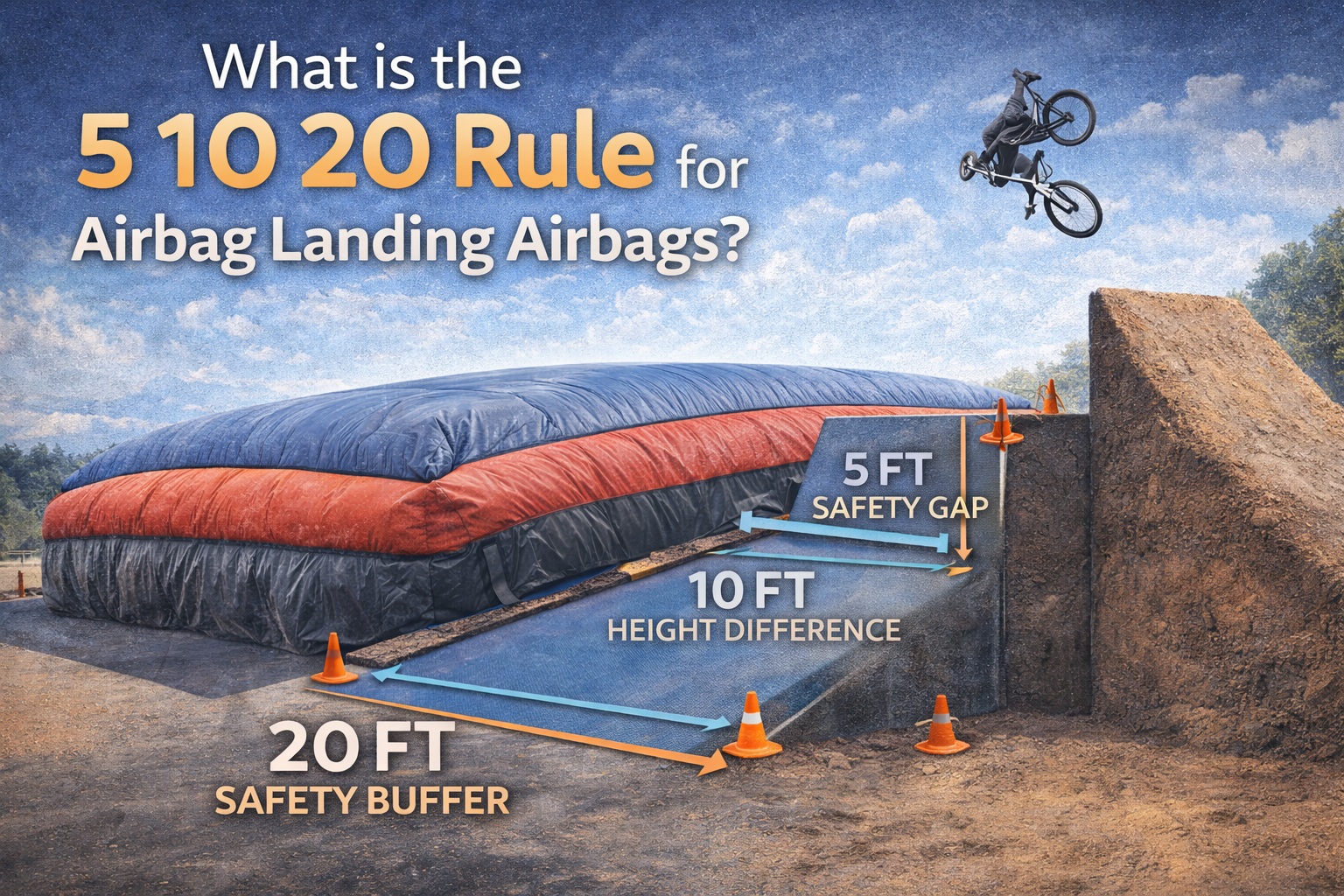
| 5 Inches | Minimum distance from side/curtain airbags to prevent localized blunt trauma. | Minimum safe clearance from the edge of the airbag to hard structural walls/frames. |
| 10 Inches | Minimum distance from the driver’s breastbone to the steering wheel hub. | The critical top-layer compression depth required to safely decelerate a falling athlete. |
| 20 Inches | Minimum distance from the passenger to the expansive dashboard airbag. | The minimum recommended thickness/height for base-chamber inflation to prevent ground-outs. |
Frequently Asked Questions (FAQs)
References
- National Highway Traffic Safety Administration (NHTSA) – Guidelines on Airbag Deployment and Occupant Positioning.
- American Automobile Association (AAA) – The Mechanics of the 5 10 20 Rule for Automotive Safety.
- SUNPARK® AIRBAG Technical Engineering Data: Principles of Deceleration in Stunt Airbag and Airbag Landing Systems, 2023.
- Journal of Sports Engineering and Technology – Impact Attenuation in Extreme Sports Inflatable Infrastructure.