Follow Essential Rules to Ensure a Fun, Injury-Free Experience
Implementing proper safety protocols—from pre-jump preparation to using advanced protective gear—can reduce trampoline park accidents by up to 75% according to recent safety studies.
Table of Contents
Understanding Trampoline Park Risks & Statistics
Trampoline parks have grown tremendously in popularity, but with increased participation comes a corresponding rise in injuries. According to the American Academy of Pediatrics and recent studies in pediatric emergency medicine, trampoline park injuries have increased significantly over the past decade, with most involving children and adolescents.
Injury Statistics & Risk Analysis
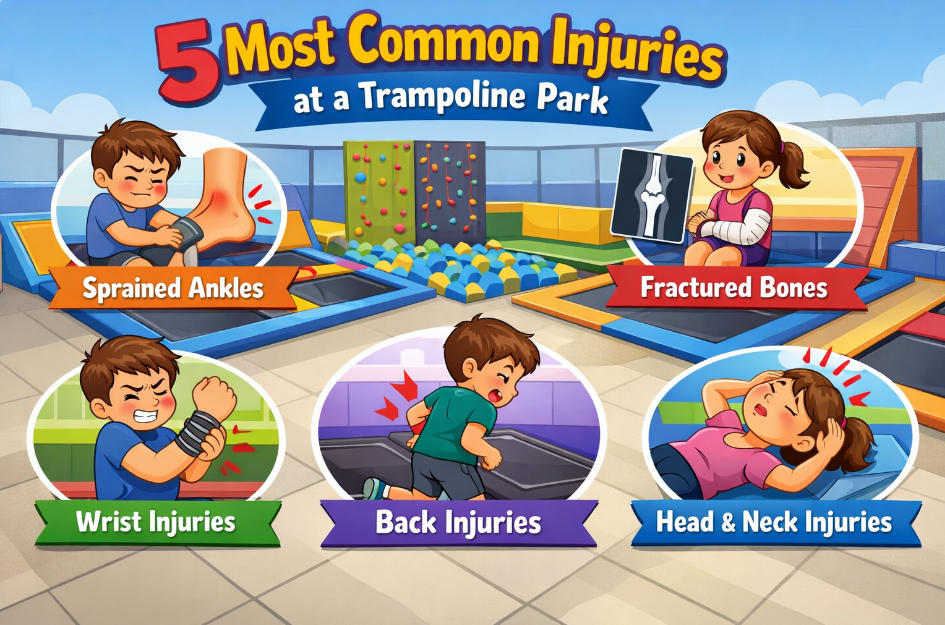
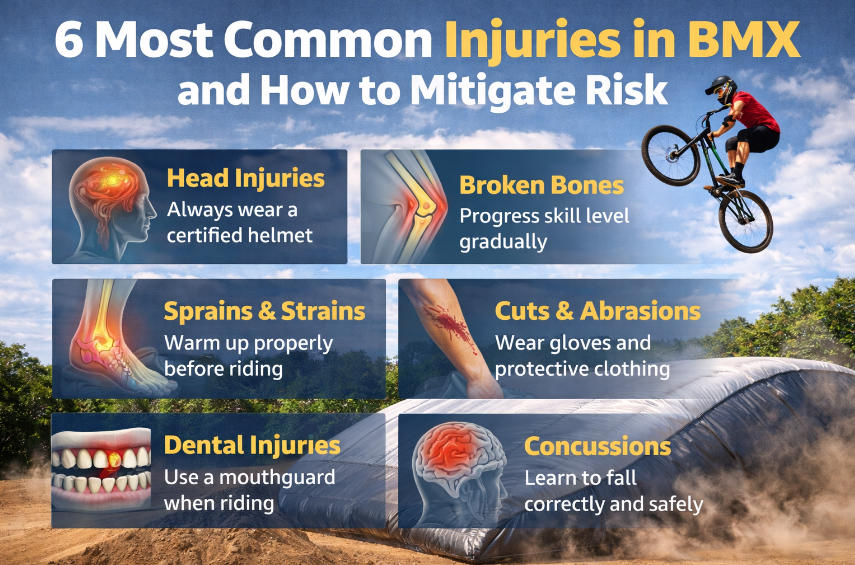
Common Injuries
- Sprains and fractures (40% of injuries, lower extremities)
- Head and neck injuries including concussions
- Collision injuries from multiple users
- Falls from trampolines onto hard surfaces
- Overuse injuries from repetitive jumping
Primary Risk Factors
- Multiple users on single trampoline (+60% collision risk)
- Attempting advanced maneuvers without progression
- Improper landing techniques causing joint stress
- Fatigue reducing coordination and reaction time
- Inadequate safety equipment or poor maintenance
Safety Implementation Impact
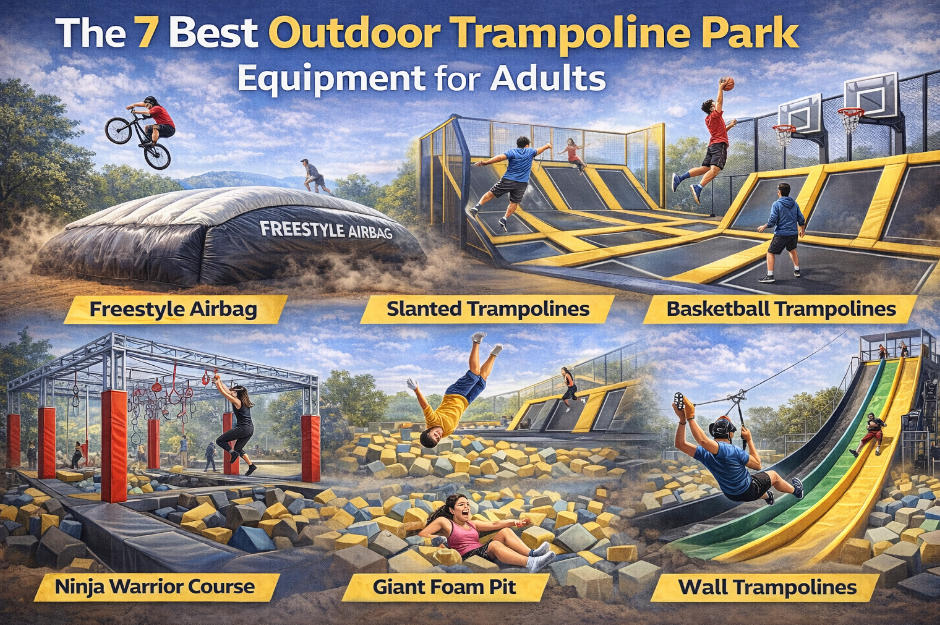
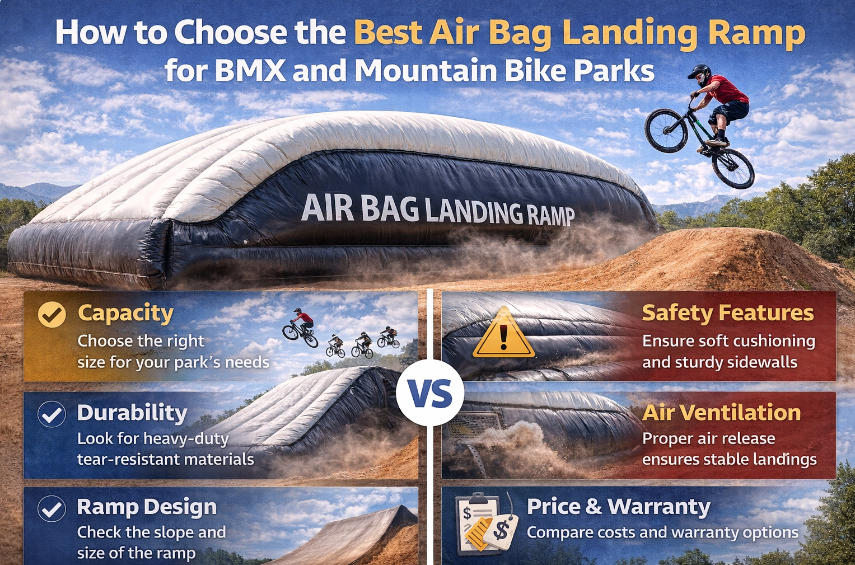
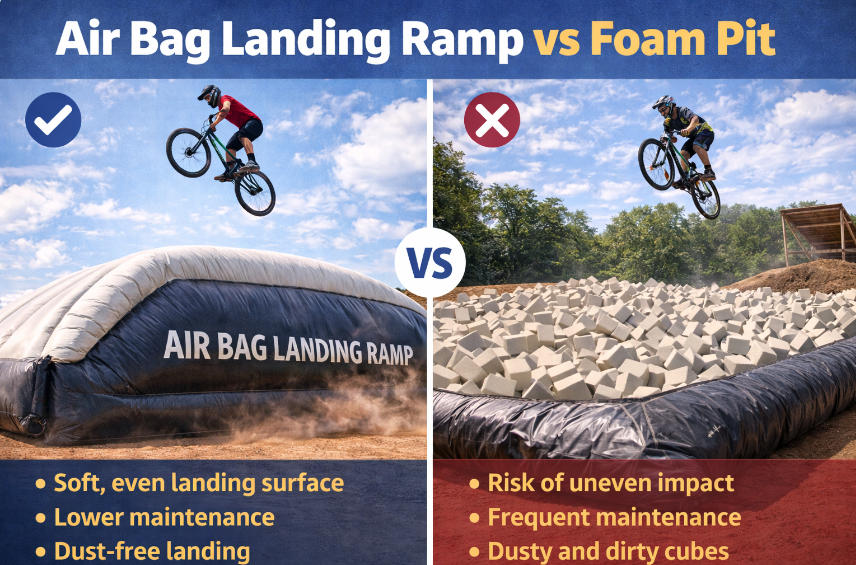
Comprehensive safety protocols can reduce injury rates by up to 75%. Facilities with advanced safety systems like airbag landing zones report significantly lower serious injury rates compared to those using traditional foam pits or standard mats.
Pre-Visit Preparation & What to Wear
Proper preparation before visiting a trampoline park significantly enhances safety and enjoyment. These steps should begin before you even leave home.
Physical Readiness Assessment
- Check for pre-existing conditions: Individuals with back problems, joint issues, osteoporosis, or heart conditions should consult a physician before jumping.
- Assess fitness level: Trampolining requires moderate cardiovascular fitness and core strength. Consider basic conditioning exercises if sedentary.
- Rest adequately: Ensure you’re well-rested; fatigue impairs coordination and reaction time.
- Hydrate and eat appropriately: Drink water before arrival and eat a light meal 1-2 hours prior—never jump on a full stomach.
Appropriate Attire Guidelines
| Clothing Item | Recommended | To Avoid |
|---|---|---|
| Top | Form-fitting athletic shirt or tuck-in shirt | Loose, baggy clothing |
| Bottoms | Athletic pants or shorts with secure waistband | Jeans, belts, clothing with zippers/hardware |
| Footwear | Trampoline socks with grip (usually provided) | Regular socks, bare feet, shoes |
| Accessories | None | Jewelry, watches, glasses (unless secured) |
| Hair | Tied back securely | Long, loose hair |
Essential Safety Rules Every Jumper Must Follow
Trampoline parks establish rules based on injury data and manufacturer guidelines. Following these rules isn’t just about compliance—it’s about preventing serious injuries.
⚠️ Fundamental Park Rules
1. One Jumper Per Trampoline
This is the most critical rule for preventing collisions. Wait your turn before jumping onto any trampoline surface.
2. No Double Bouncing
Avoid bouncing other jumpers higher by jumping near them; this disrupts control and causes unpredictable motion that leads to falls.
3. Stay Within Designated Areas
Only jump on the trampoline beds—never on the padded frames or between trampolines where surfaces change unexpectedly.
Zone-Specific Guidelines
Main Jump Courts
Basic jumping only, maintain spatial awareness of other jumpers in adjacent squares.
Foam Pits
Enter feet first only, clear the landing area quickly for the next jumper.
Performance Areas
For experienced users only, often requiring staff supervision and specific safety equipment.
Proper Jumping Techniques to Prevent Injuries
Correct jumping form significantly reduces injury risk. These techniques should be practiced before attempting any advanced maneuvers.
Basic Jumping Form Fundamentals
Starting Position
- Stand in the center of the trampoline
- Feet shoulder-width apart
- Arms at sides or slightly forward for balance
- Look forward at the horizon, not down at feet
Jumping Motion
- Use controlled knee bends to initiate bounce
- Avoid exaggerated or jerky movements
- Maintain core engagement for stability
- Keep jumps moderate in height when learning
Landing & Exiting
- Always land on both feet with knees slightly bent
- Allow knees to absorb impact naturally
- Come to a complete stop before stepping off
- Use designated exit paths, not jumping surfaces
Common Technical Mistakes to Avoid
- Over-rotation on flips: Causes awkward landings on head/neck
- Insufficient height before tricks: Doesn’t allow completion of rotation
- Arms flailing: Reduces control and stability
- Landing with straight legs: Transfers impact directly to joints
- Looking down during rotation: Disorients spatial awareness
Sunpark Airbag: Advanced Safety Technology
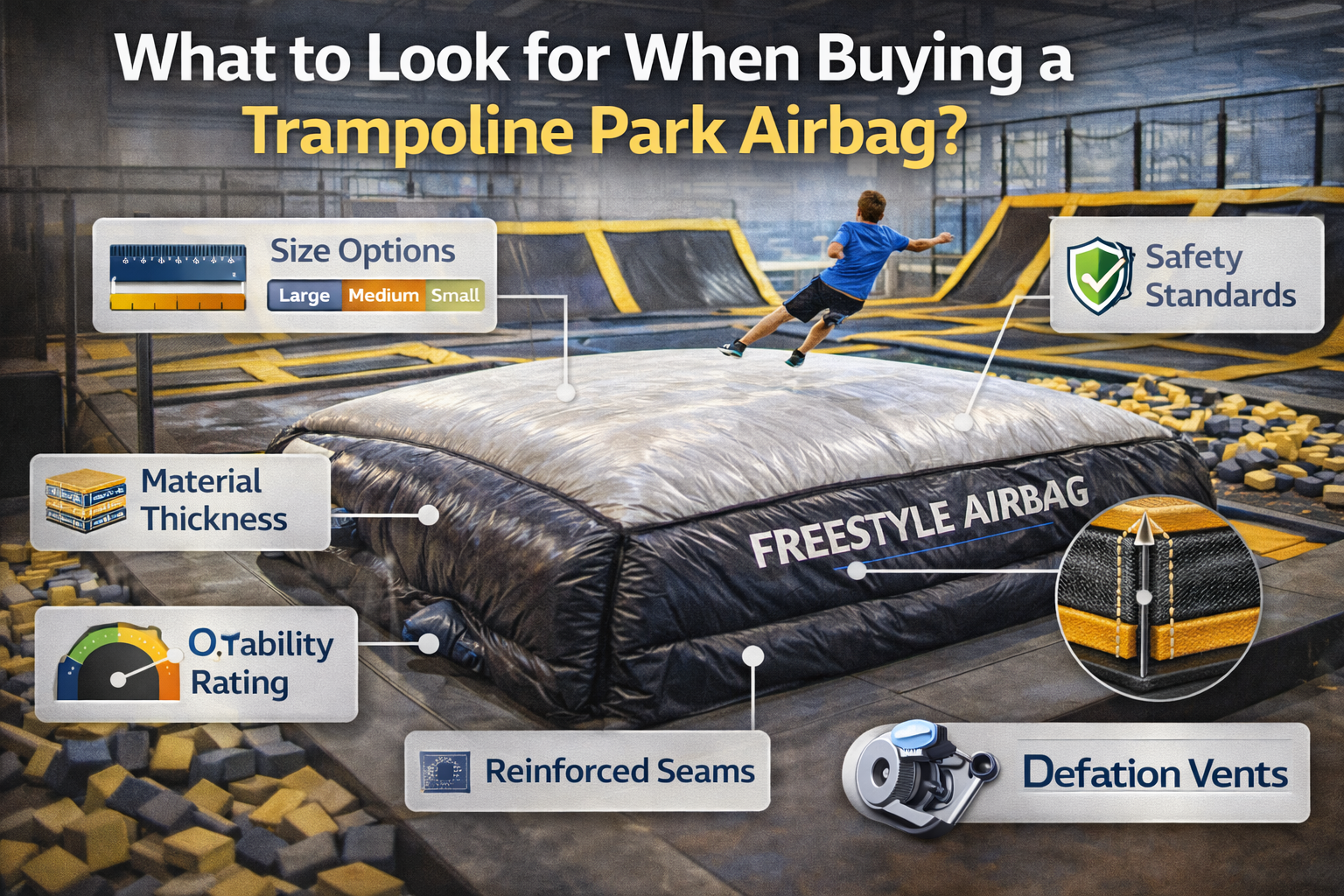
Sunpark Airbag systems represent the cutting edge in trampoline park safety technology. With over 10 years of experience as a leading manufacturer of airbags for extreme sports, Sunpark has adapted professional-grade safety equipment for recreational trampoline facilities worldwide.
Engineering and Design Excellence
Progressive Compression Design
Airbags compress gradually to decelerate users safely, unlike foam pits that can have inconsistent density leading to bottoming out or unexpected resistance.
High-Strength Material Construction
Utilizes durable, UV-resistant PVC tarpaulin with welded seams for maximum reliability in commercial settings with high-frequency use.
Intelligent Chamber Systems
Multiple independent air chambers prevent complete deflation if one chamber is compromised, maintaining safety even with minor damage.
Sunpark Product Applications
Olympic-size Landing Systems
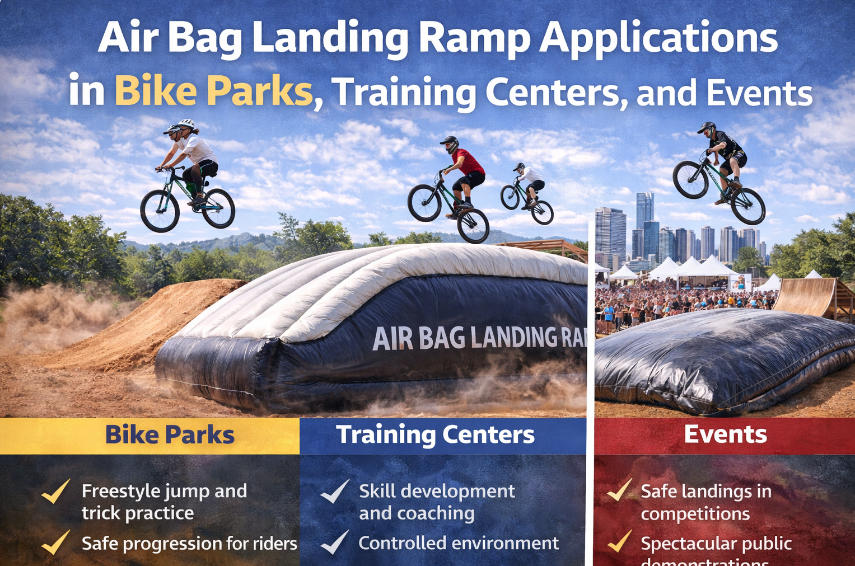
Olympic size Snowboard Landing Bag technology adapted for trampoline parks, providing safe landing for high-performance tricks and professional training.
Beginner Training Areas
Smaller airbags with lower profiles for skill development, allowing new jumpers to progress confidence in a controlled, safe environment.
Progressive Learning Systems
Multiple airbags with varying sizes and firmness for different skill levels, supporting athlete development from beginner to advanced.
Global Trust & Professional Endorsements
Sunpark equipment is trusted by World Champion athletes and serious sports enthusiasts globally. Their commitment to continuous product development and improvement ensures their systems incorporate the latest safety research and material science advancements. When choosing a trampoline park, look for facilities that invest in professional-grade safety equipment like Sunpark Airbag systems.
Supervising Children: Special Guidelines
Children require special supervision at trampoline parks due to their developing coordination, risk assessment abilities, and physical vulnerability.
Age-Appropriate Supervision Levels
Under 3
Not recommended
Most parks have minimum age policies
3-5 years
Direct, on-court supervision
One adult per child, within arm’s reach
6-9 years
Active visual supervision
Adult on same court, attentive watching
10-12 years
Periodic checking
Adult in facility, regular check-ins
13+ years
Rule enforcement
Ensure compliance with park rules
Teaching Children Safety Awareness
- Use simple, clear language: “One at a time,” “Feet first,” “Stay in your square”
- Practice on ground first: Teach jumping form and landing technique off the trampoline
- Set time limits: Children fatigue quickly; 10-15 minute sessions with breaks are ideal
- Model good behavior: Children learn safety habits by watching adults follow rules
- Establish emergency protocols: Teach them how to recognize staff and ask for help
Choosing a Safe Trampoline Park Facility
Not all trampoline parks maintain the same safety standards. Careful evaluation before visiting can help you select the safest facility.
Facility Inspection Checklist
Before paying or signing waivers, inspect:
Cleanliness & Maintenance
- Well-maintained facilities correlate with better safety
- Look for worn surfaces, torn padding, damaged nets
- Check for proper lighting throughout facility
- Avoid strong chemical smells indicating improper cleaning
Staff & Crowd Control
- Staff actively monitoring jumpers and enforcing rules
- Adequate staff-to-jumper ratios (1:20 or better)
- Park limits capacity to prevent overcrowding
- Clear safety signage posted and easy to understand
Certifications & Compliance
- ASTM F2970-20 safety standards compliance
- IATP (International Association of Trampoline Parks) membership
- CPR/AED and first aid trained staff visible
- Proper business licenses and insurance verification
Emergency Response & First Aid Awareness
Despite all precautions, injuries can occur. Knowing proper emergency response can minimize complications and promote better outcomes.
⚠️ Recognizing Serious Injuries Requiring Immediate Attention
- Loss of consciousness (even briefly)
- Neck or back pain with numbness or weakness
- Deformity of limbs indicating possible fractures
- Difficulty breathing or chest pain
- Severe headache, confusion, or vomiting after head impact
- Inability to bear weight on a limb
Emergency Action Plan
- Alert park staff immediately—they’re trained in facility-specific protocols and emergency procedures
- Do not move the injured person unless they’re in immediate danger from other jumpers or equipment
- Keep the person still and calm while waiting for professional medical help to arrive
- Provide first aid only if trained and necessary to preserve life or prevent worsening of injury
- Document the incident with photos and detailed notes for insurance and potential legal purposes
- Follow up with medical evaluation even for seemingly minor injuries, as some issues manifest hours later
FAQs: Trampoline Park Safety Questions
Most parks set a minimum age of 3-4 years, but developmental readiness varies. Children under 6 require direct, hands-on supervision. Consider your child’s coordination, ability to follow instructions, and impulse control. The American Academy of Pediatrics recommends against recreational trampoline use for children under 6 due to higher injury rates and developing skeletal systems.
Trampoline parks typically have better safety equipment (enclosed designs, professional padding, foam pits, advanced systems like Sunpark Airbag) but present different risks (more users, advanced equipment, higher structures). Overall injury rates are similar, but park injuries tend to be more severe due to greater heights and complexity. Professional parks with proper safety systems offer superior protection for advanced maneuvers but require stricter rule adherence due to increased hazards.
Proper warm-up is essential: 5-10 minutes of light cardio followed by dynamic stretching. Landing technique matters most—always land on both feet with knees bent to absorb impact. Strength training off the trampoline (focusing on legs, ankles, and core) improves joint stability. Avoid overexertion—fatigue significantly increases injury risk after approximately 60 minutes of continuous jumping. Consider supportive braces if you have previous injuries or instability.
First, alert park staff immediately—they’re responsible for enforcement and have authority to remove violators. If someone is in immediate danger, you may need to intervene directly by stopping the activity or moving people from harm’s way. For ongoing issues, speak to a manager and consider documenting with photos/video. As a last resort, leave the facility and report serious safety concerns to local health departments or consumer protection agencies. Your safety takes priority over any admission cost.
Waivers provide significant legal protection for facilities but aren’t absolute. They typically protect against claims of ordinary negligence but not gross negligence or willful misconduct. Courts consider factors like clarity of language, voluntary consent, and public policy. Always read waivers carefully before signing, and consider consulting a lawyer if you have concerns. Your signature doesn’t waive rights to sue for hazards the park knew about but didn’t address or warn against adequately.
Reputable parks conduct daily visual inspections before opening, weekly detailed inspections of all components, and annual professional inspections by certified technicians. Sunpark Airbag systems include specific maintenance schedules—typically daily pressure checks, weekly seam inspections, and monthly comprehensive inspections. Always ask about inspection protocols when choosing a facility, and look for inspection logs that are often posted publicly. Facilities that can’t produce recent inspection records should be avoided.
Conclusion: Safety Creates Better Fun
SAFETY ENABLES SUSTAINABLE FUN
Proper Precussions Allow for Long-Term Enjoyment
Trampoline parks offer unique physical activity and social enjoyment when approached with proper safety awareness. The key to a positive experience lies in balancing enthusiasm with caution, recognizing that safety measures don’t diminish fun—they enable it by preventing injuries that would end participation prematurely.
Sunpark Airbag: The Future of Trampoline Safety
Sunpark Airbag technology represents how innovative safety equipment can enhance rather than restrict recreational experiences. By providing professional-grade landing systems developed for world-class athletes, these systems allow jumpers to progress skills with reduced risk—embodying the principle that true freedom in sports comes from proper safety foundations.
As trampoline parks continue evolving, patron awareness must keep pace. Informed jumpers who follow rules, respect equipment limits, and choose facilities with advanced safety systems contribute to a safer environment for everyone. Remember that safety is a shared responsibility between park operators providing proper equipment and maintenance, staff enforcing rules consistently, and patrons exercising good judgment.
Final Safety Reminders
- Always follow posted rules—they’re based on injury data and manufacturer guidelines
- Supervise children actively according to their age and ability level
- Choose facilities with professional safety equipment like Sunpark Airbag systems
- Listen to your body and take breaks before fatigue sets in
- Report unsafe conditions or behavior to staff immediately
- Remember that no trick is worth serious injury—progress skills gradually with proper training
Ultimately, the goal isn’t to eliminate risk entirely—that would eliminate the joy of challenging movement—but to manage risk intelligently through preparation, technique, equipment, and supervision. By implementing the guidelines in this comprehensive safety guide, you can enjoy trampoline parks to their fullest while minimizing the likelihood of becoming an injury statistic. The bounce should always be upward, not toward the emergency room. Stay safe, jump smart, and enjoy the incredible experience of flight that trampoline parks offer when approached with proper respect and preparation.