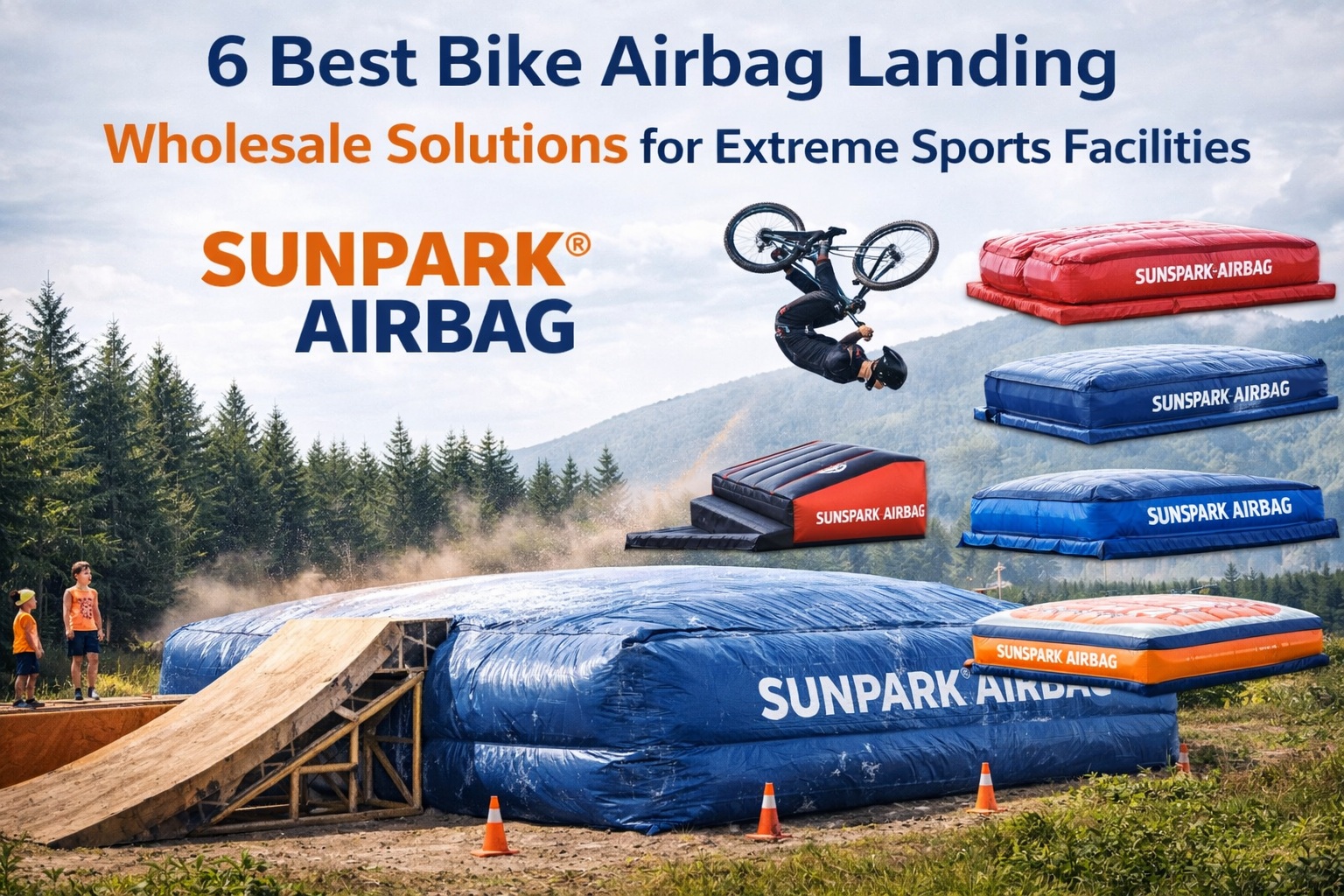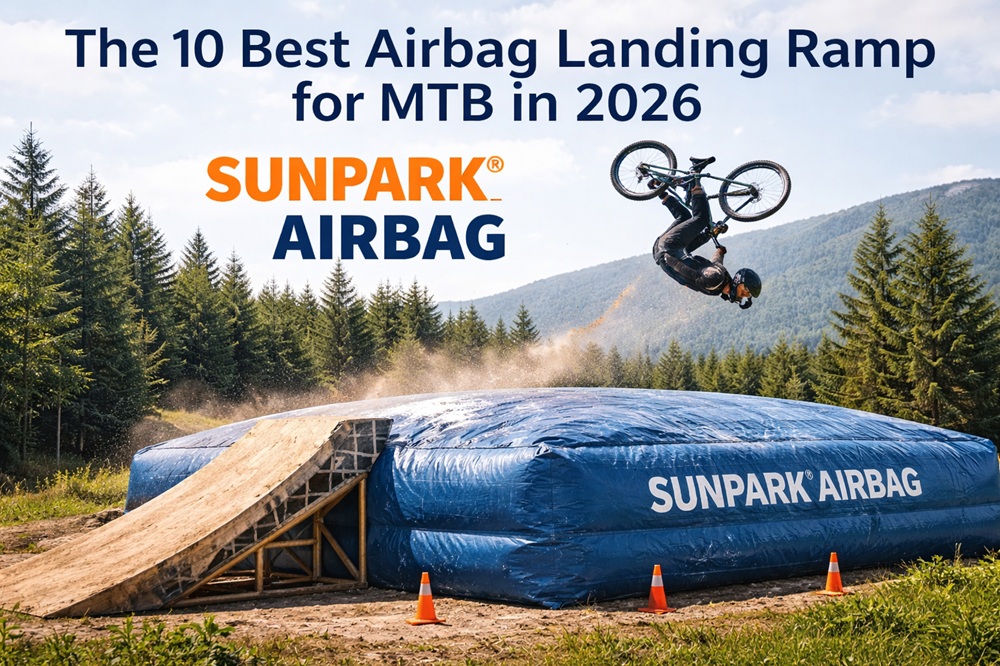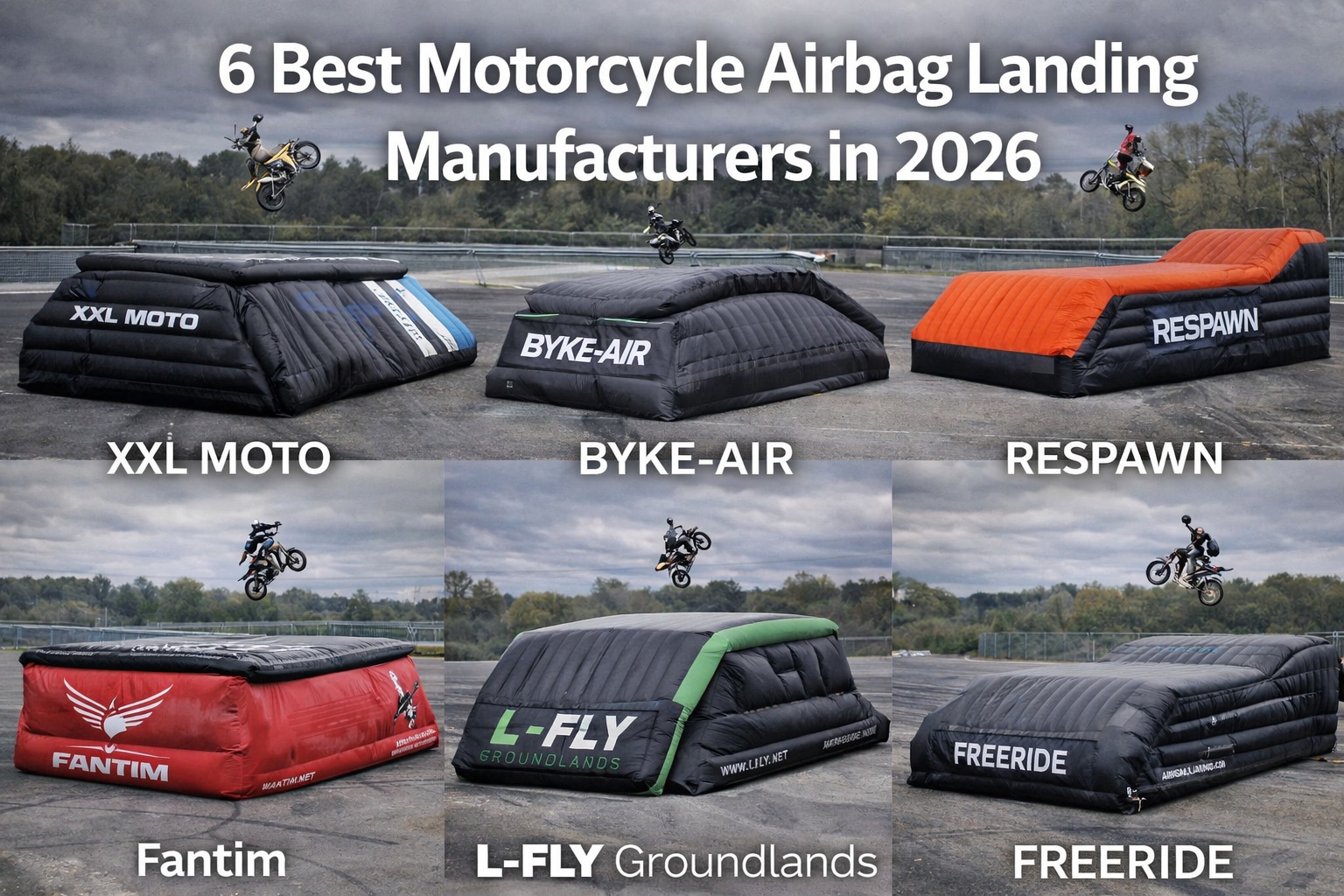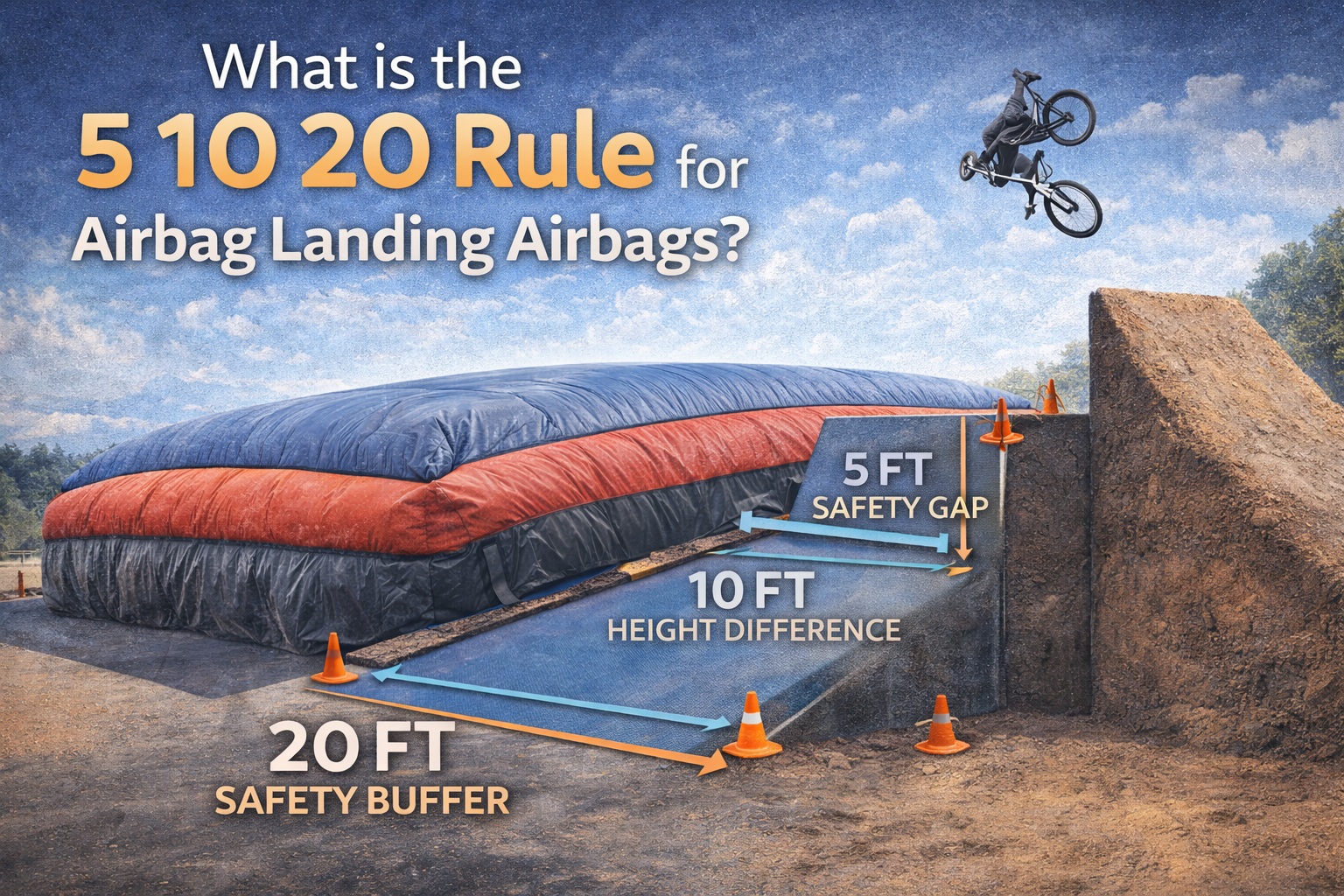
The landscape of extreme sports and facility safety has transformed dramatically over the last decade. As extreme sports developed, more and more snowboarders, gymnasts, and serious sports enthusiasts are looking for safer training possibilities to progress without the risks of getting injured. This shift has led facility operators, ski resorts, and trampoline parks to seek out advanced safety solutions. The most pressing question we receive from global facility directors today is regarding the overall financial investment required: exactly how much does an airbag system cost in the current market?
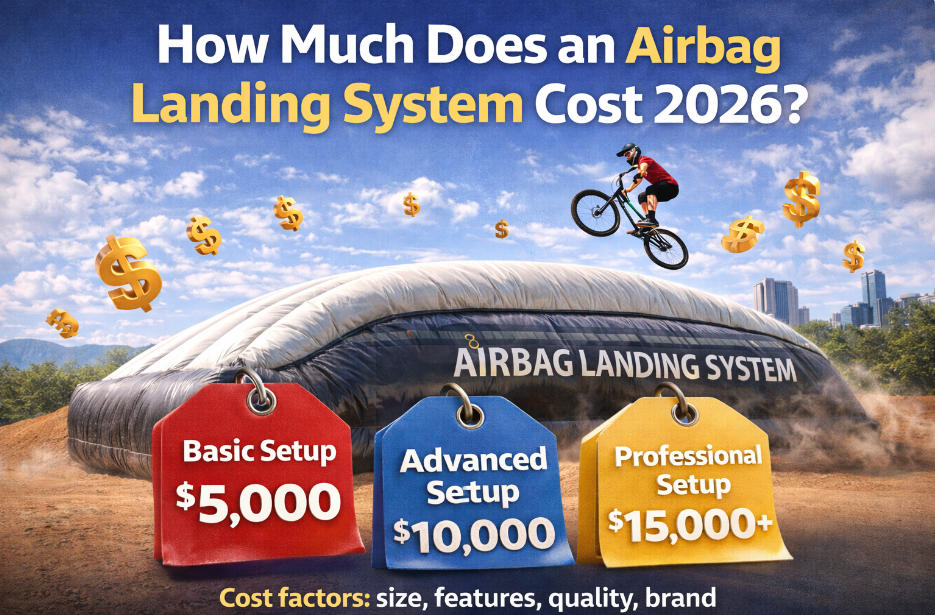
As the leading manufacturer of Airbags for Extreme Sports and Leisure Industries in China, SUNPARK AIRBAG has spent over 10 years engineering freestyle airbags for ski resorts, theme parks, sports, and gymnastics facilities around the globe. We create products trusted by World Champion Snowboarders, famous riders, and premium trampoline parks worldwide. Because we are deeply committed to the development and improvement of our own products, we have unique visibility into the manufacturing processes, material science, and economic factors that dictate the final airbag system cost. In this authoritative guide, we will break down the true airbag system cost in 2026, evaluating different applications, material grades, and the long-term return on investment.
- 1. The 2026 Market Landscape for Extreme Sports Safety
- 2. Analyzing Airbag System Cost by Application
- 3. Key Factors Influencing the Airbag System Cost
- 4. Standard vs. Custom Airbag: What We Recommend
- 5. The Hidden Savings: Airbag System Cost vs. Traditional Foam Pits
- 6. Summary Comparison Table: Airbag System Cost Estimates 2026
- 7. Frequently Asked Questions (FAQs)
- 8. References
1. The 2026 Market Landscape for Extreme Sports Safety
Understanding the airbag system cost requires examining the macro-economic factors influencing the leisure and sports manufacturing industries in 2026. The demand for highly durable, low-maintenance safety equipment has reached an all-time high. Theme parks and ski resorts are moving away from outdated safety nets and unsanitary foam pits, prioritizing inflatable solutions that offer superior impact absorption and hygiene.
Consequently, the baseline airbag system cost has been optimized through streamlined manufacturing, though premium materials like advanced TPU (Thermoplastic Polyurethane) and heavy-duty PVC (Polyvinyl Chloride) have seen slight price adjustments due to global supply chain dynamics. From our experience at SUNPARK AIRBAG, investing in premium raw materials upfront drastically reduces the long-term airbag system cost by minimizing the need for patches, repairs, and blower replacements. When calculating the total airbag system cost, facility owners must look beyond the initial purchase price and factor in the lifespan of the unit, which for high-quality builds easily exceeds five to eight years of heavy commercial use.
2. Analyzing Airbag System Cost by Application
The airbag system cost is directly proportional to its intended use case. A unit designed to catch a gymnast falling from a low height requires vastly different internal engineering than a unit designed to catch a snowboarder launching from a massive kicker. Here is a breakdown of how the application affects the final airbag system cost.
Ski Resorts and Snowboard Training
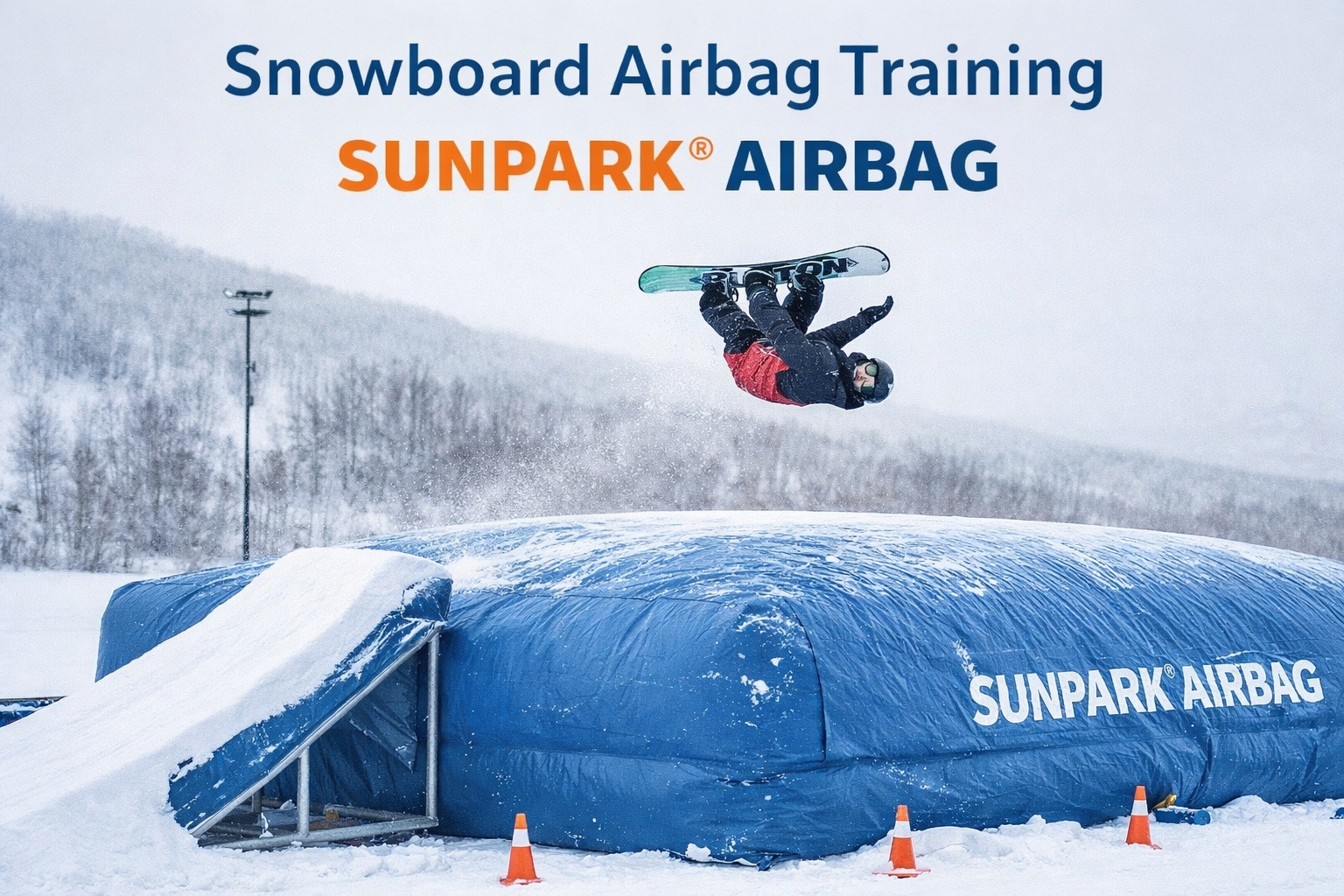
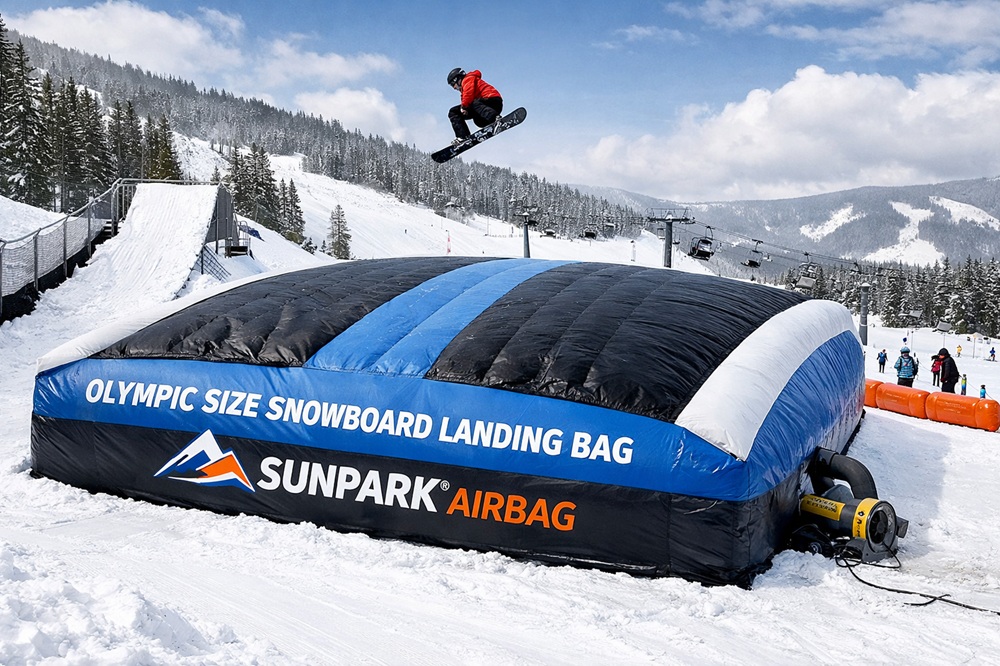
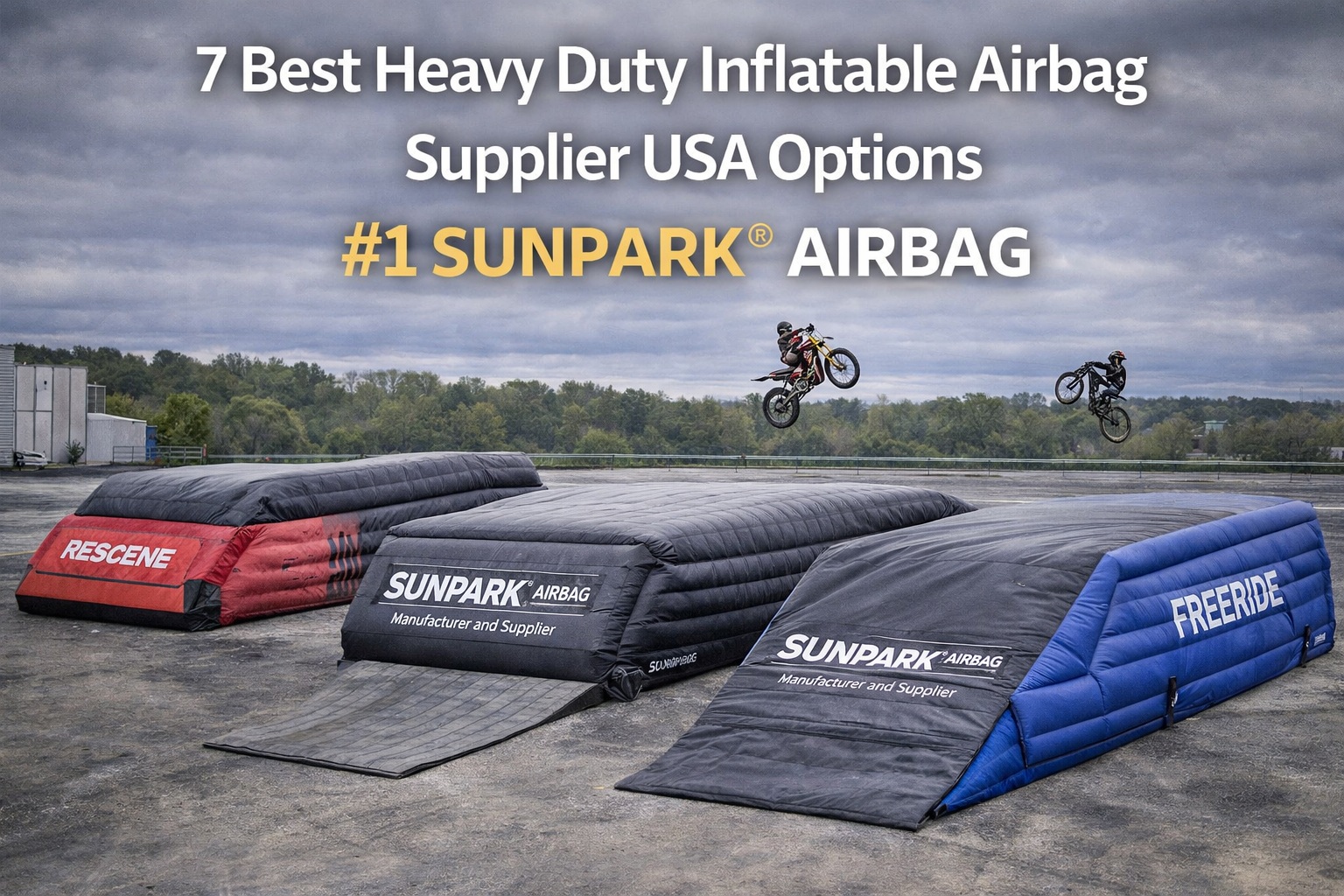
For winter sports, the primary solutions are the Airbag Landing and the Inflatable Landing. These systems must be engineered to withstand freezing temperatures, sharp snowboard edges, and the immense kinetic energy of a rider falling from extreme heights. Because these bags require a specialized top sheet to mimic the feeling of a snow landing and allow riders to ride away smoothly, the airbag system cost for these setups is typically higher. Expect the airbag system cost for a professional-grade ski resort setup to range between $15,000 and $45,000, depending heavily on the width and length required to cover the landing zone safely.
Trampoline Parks and Gymnastics Facilities
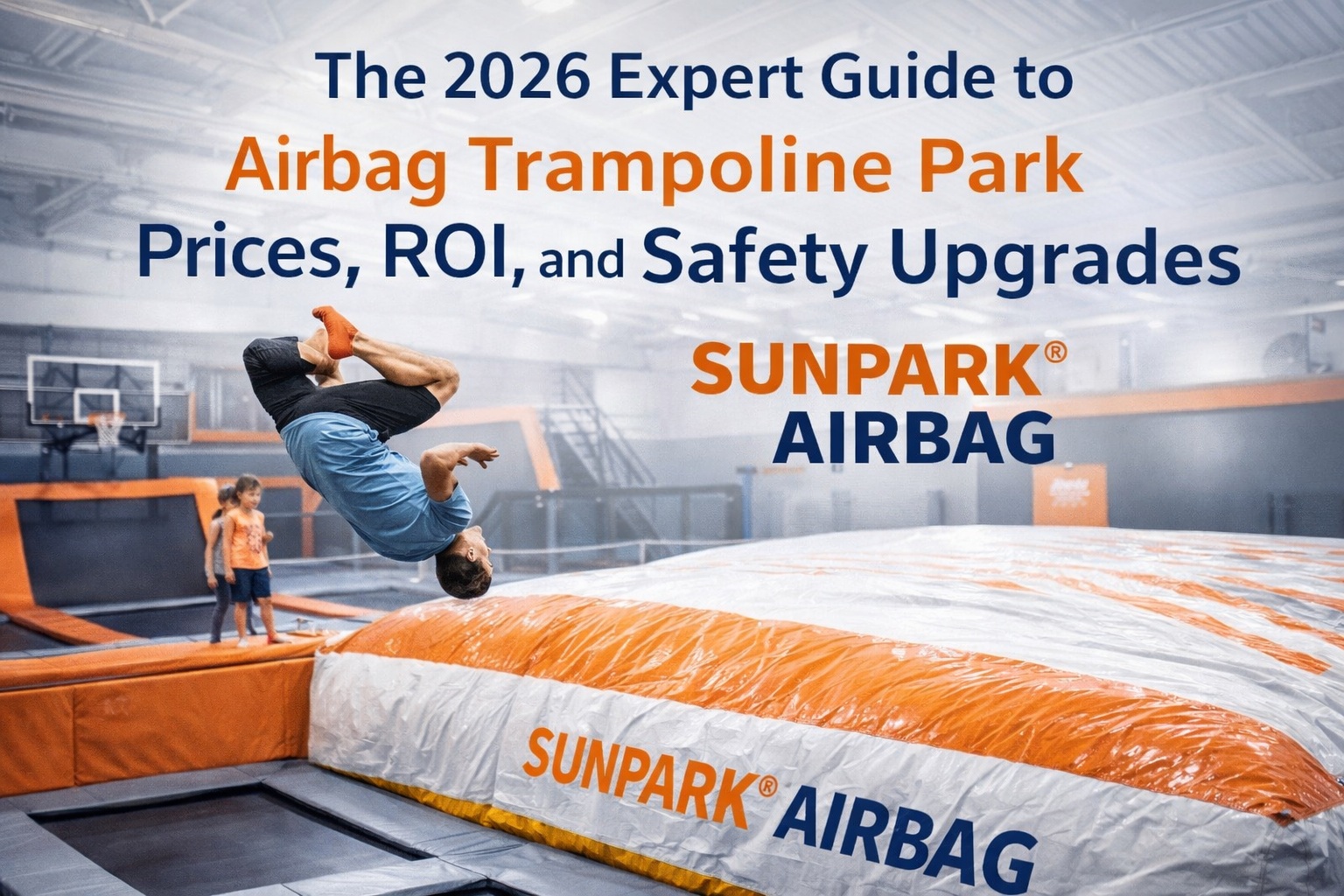
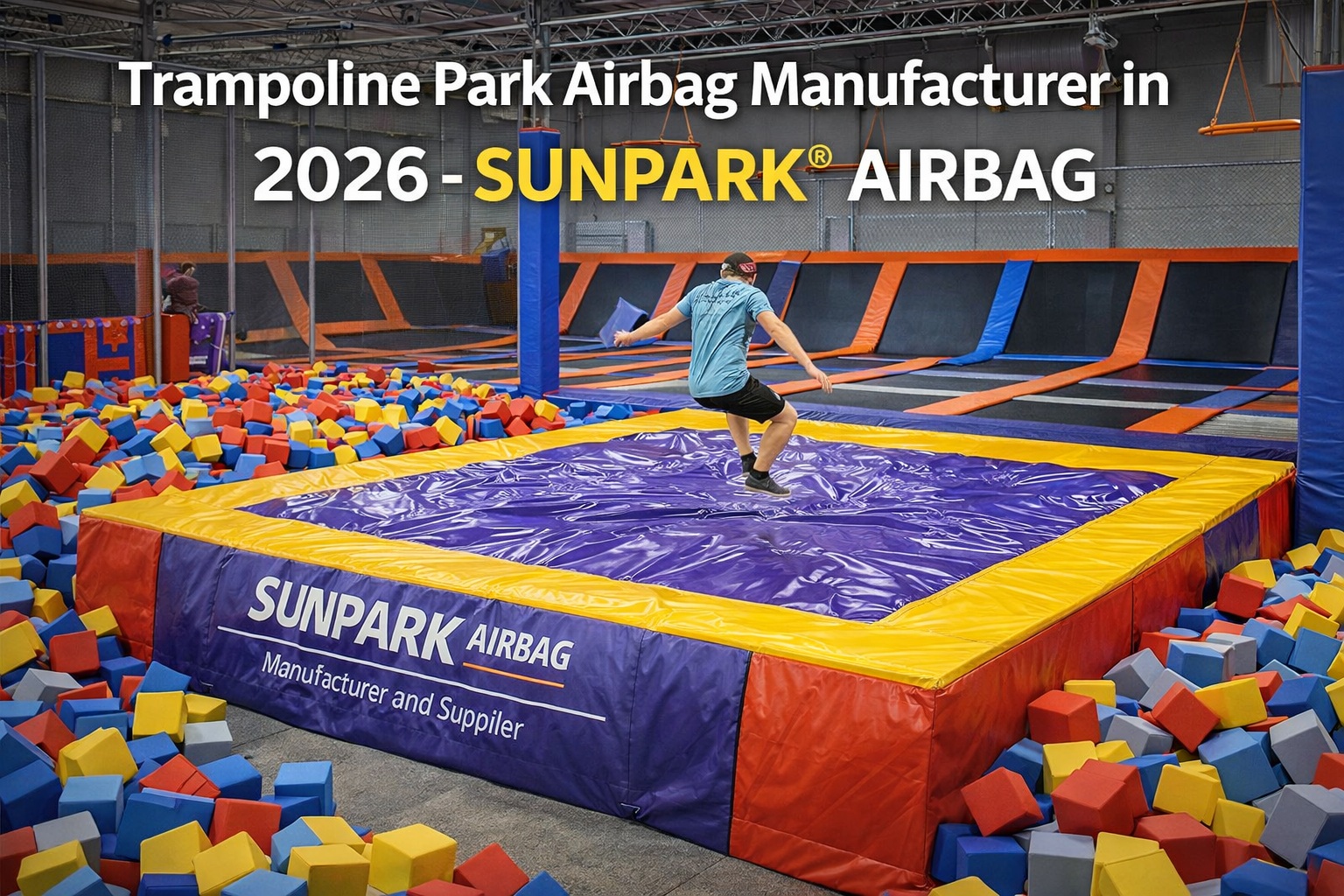
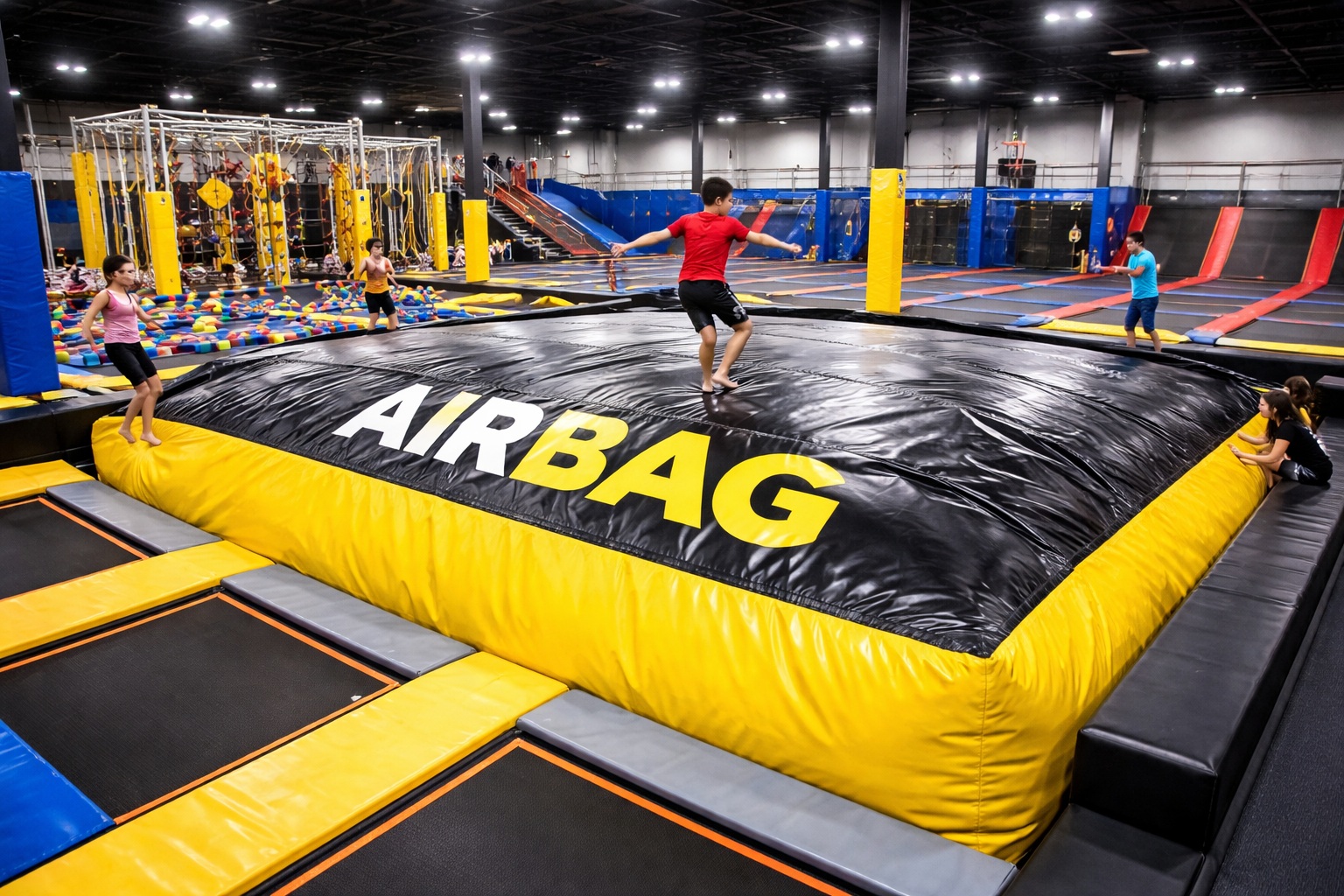
In indoor environments, the Foam Pit Jump Airbag has revolutionized facility maintenance. These bags replace traditional, dust-collecting foam blocks. Because they are used indoors and do not face harsh weather conditions, the manufacturing focus is on rapid air displacement and high-frequency usage. The airbag system cost for a standard gymnastics or trampoline park pit usually falls between $3,000 and $10,000. This relatively low airbag system cost makes it an immediate return on investment when factoring in the elimination of foam replacement costs.
Film Production and Extreme Heights
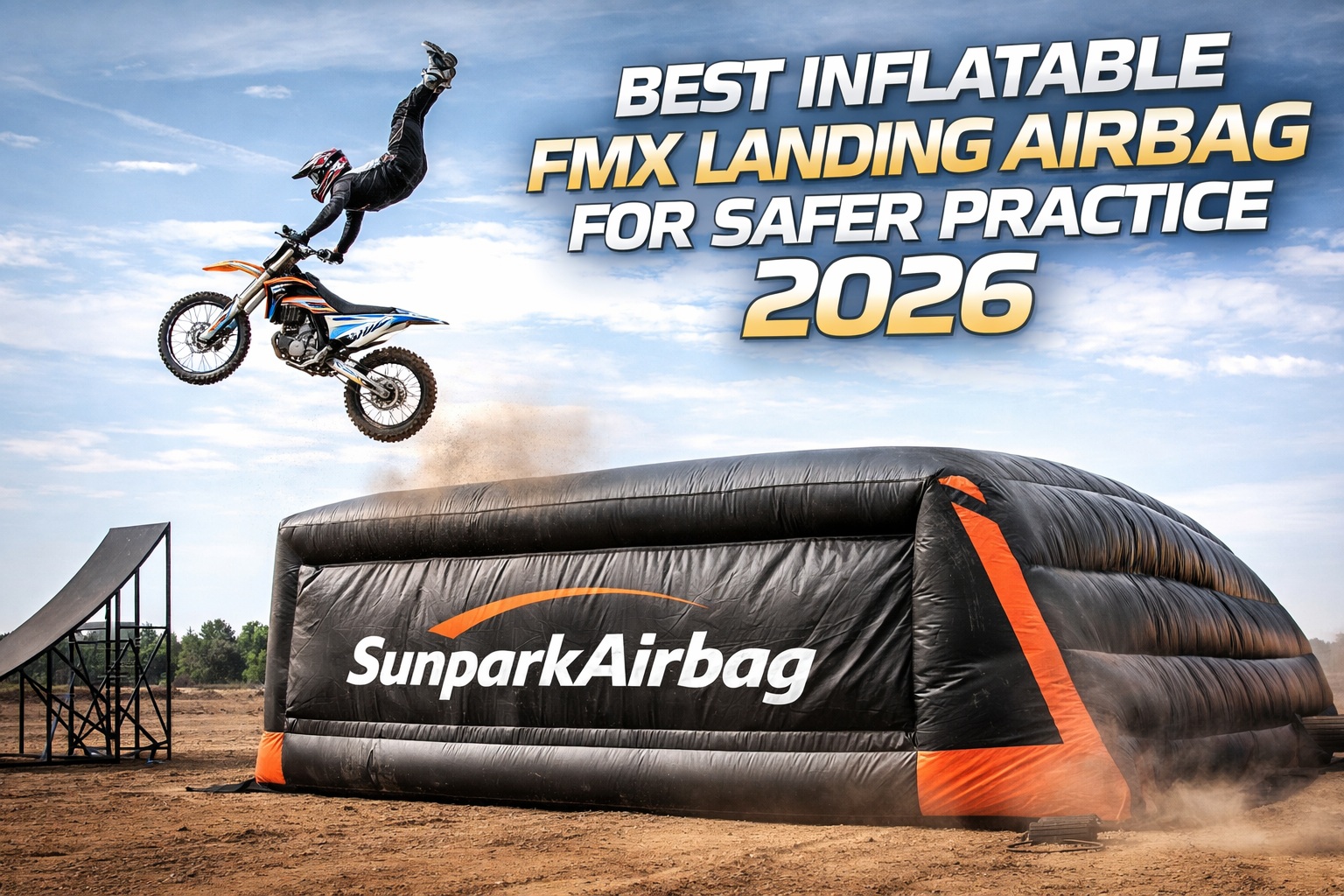
The film industry and extreme stunt shows require the highest level of fall protection. The Stunt Airbag and the Free Fall Airbag are engineered with distinct upper and lower chambers. The softer upper chamber absorbs the impact, while the firmer lower chamber prevents the jumper from touching the ground. Due to the critical safety tolerances and the massive volume of air required, the airbag system cost for stunt applications generally ranges from $8,000 to $25,000.
3. Key Factors Influencing the Airbag System Cost
When you request a quote, several technical specifications will drive the airbag system cost up or down. As the leading manufacturer in China, we advise our clients to carefully consider the following components.
Size and Volume
The most obvious driver of the airbag system cost is the physical size of the unit. Larger bags require more raw material, more internal baffling (the vertical pillars that maintain the bag’s shape and absorb impact), and multiple high-powered blowers to maintain optimal air pressure. A 50-foot wide landing pad will inherently carry a much higher airbag system cost than a 15-foot wide indoor practice bag.
Material Quality and Manufacturing Techniques
The type of fabric used significantly impacts the airbag system cost. Standard bags use heavy-duty PVC tarpaulin. However, premium systems utilize advanced coatings that offer superior UV resistance, cold-crack resistance, and anti-fungal properties. Furthermore, how the seams are joined plays a role. Double or quadruple stitching combined with hot-air welding ensures the bag will not burst under pressure. While these advanced manufacturing techniques increase the initial airbag system cost, they are non-negotiable for commercial safety.
Blower Technology and Air Release Valves
The heart of any inflatable system is the blower. The airbag system cost includes the price of these continuous-flow blowers. High-end systems utilize variable speed blowers that allow operators to adjust the firmness of the bag depending on the skill level of the user. Additionally, precision-engineered air release valves are required to manage the rapid displacement of air upon impact. Upgrading to smarter, more efficient blower technology will incrementally increase the total airbag system cost.
4. Standard vs. Custom Airbag: What We Recommend
Many clients ask whether they should purchase an off-the-shelf unit or invest in a Custom Airbag. From our experience, we recommend a Custom Airbag for over 80% of our commercial clients. While a standard size might have a slightly lower initial airbag system cost, it rarely fits a facility’s exact dimensions perfectly.
A Custom Airbag allows you to tailor the exact length, width, and height to your specific kicker or trampoline layout. Furthermore, custom orders allow for complete brand integration, including your facility’s logos and color schemes printed directly onto the top sheet. Surprisingly, the airbag system cost for a customized unit from SUNPARK AIRBAG is highly competitive. Because we own our manufacturing facility and control the entire production process, the premium you pay for a custom layout is marginal compared to the operational benefits it provides.
5. The Hidden Savings: Airbag System Cost vs. Traditional Foam Pits
When evaluating the airbag system cost, facility directors must perform a true comparative analysis against traditional foam pits. Historically, foam pits were the standard for gymnastics and indoor skate parks. However, foam blocks deteriorate rapidly, turning into toxic, flammable dust that poses severe respiratory risks to athletes and staff.
Replacing foam blocks is a continuous operational expense. A medium-sized foam pit can cost upwards of $5,000 to fill, and the foam must be completely replaced every one to two years depending on usage. Furthermore, the labor required to empty, clean, and refill a foam pit results in facility downtime.
In contrast, while the initial airbag system cost might equal or slightly exceed the cost of a foam pit installation, the ongoing maintenance is virtually zero. A Foam Pit Jump Airbag requires only standard surface cleaning and routine blower maintenance. Over a five-year period, the total airbag system cost is remarkably lower than maintaining a foam pit, providing a massive return on investment while simultaneously elevating the hygiene and safety standards of the facility.
6. Summary Comparison Table: Airbag System Cost Estimates 2026
To provide a clear overview of the market, we have compiled a summary table detailing the estimated airbag system cost based on the product category. Please note that these figures are industry averages for 2026 and can vary based on custom dimensions and specific shipping requirements.
| Product Type | Primary Application | Key Features | Estimated Airbag System Cost (USD) |
|---|---|---|---|
| Airbag Landing / Inflatable Landing | Ski Resorts, BMX, Skate Parks | Sloped design, ride-away top sheet, extreme durability | $15,000 – $45,000+ |
| Foam Pit Jump Airbag | Trampoline Parks, Gymnastics | Flat profile, rapid deflation valves, high-frequency use | $3,000 – $10,000 |
| Stunt Airbag / Free Fall Airbag | Film Production, Tower Jumps | Dual-chamber technology, massive depth for high falls | $8,000 – $25,000 |
| Custom Airbag | Tailored Facility Builds | Specific dimensions, custom branding, specialized slopes | Quoted based on specs (Highly Competitive) |
7. Frequently Asked Questions (FAQs)
The airbag system cost for winter sports is higher because the engineering is vastly more complex. A ski resort bag (like the Airbag Landing) must be built on a custom slope to match the mountain’s topography. It requires a highly specialized, low-friction top sheet so snowboarders can actually “ride out” their landings, rather than just sinking into the bag. It also demands cold-weather resistant materials to prevent cracking in sub-zero temperatures.
Yes, from our experience at SUNPARK AIRBAG, a professional quotation will always include the continuous-flow blowers required to operate the system. The blowers are calibrated specifically for the volume and pressure requirements of your specific bag, ensuring optimal impact absorption.
Many facility owners assume a Custom Airbag will double the price, but this is a misconception. Because we are the leading manufacturer and handle all design and fabrication in-house, custom sizing and logo printing only marginally increase the total airbag system cost. The exact price difference depends solely on the additional raw materials required for larger dimensions.
With proper maintenance—such as keeping the bag clean, ensuring sharp objects are prohibited, and storing it correctly when not in use—a commercial-grade airbag from SUNPARK AIRBAG will easily last 5 to 8 years or more. When you amortize the initial airbag system cost over nearly a decade of daily use, it is one of the most cost-effective safety investments a facility can make.
8. References
- International Association of Trampoline Parks (IATP) Safety Guidelines, 2025-2026.
- Extreme Sports Facility Risk Management and Equipment Standards, Global Leisure Report 2026.