As vehicles on the road age, a critical safety question arises for millions of drivers: Are 20 year old airbags safe? With the average age of cars on the road reaching record highs, many people are driving vehicles manufactured in the early 2000s or late 90s. While we diligently check tires, brakes, and oil, the airbag system is often taken for granted—until it is needed most.

The short answer is nuanced. While many manufacturers state that modern airbags are designed to last the lifetime of the vehicle, “lifetime” is a vague term in the automotive world. Chemical degradation, moisture intrusion, and the infamous Takata recall have complicated the safety landscape. This guide investigates the reliability of aging safety systems and introduces how airbag technology is evolving in other industries, such as extreme sports.
- The Lifespan of an Airbag: Myth vs. Reality
- The Critical Exception: The Takata Recall
- Signs Your Airbag System May Be Failing
- Manufacturer Guidelines (Mercedes, Honda, and More)
- Beyond Automotive: Airbag Tech in Extreme Sports
- Spotlight: Sunpark® Airbag Systems
- Summary Safety Checklist
- Frequently Asked Questions (FAQs)
- References
The Lifespan of an Airbag: Myth vs. Reality
When airbags were first introduced widely in the 1980s and 1990s, automakers were unsure of their long-term durability. Early owner’s manuals often recommended inspecting or even replacing airbags every 10 to 15 years. This led to the common belief that 20 year old airbags are inherently dangerous or defunct.
However, modern engineering has shifted this perspective. Today, most manufacturers (including Ford, GM, and Honda) assert that airbags produced after the mid-1990s use glass-to-metal seals that are robust enough to last the “lifetime of the vehicle.” The “squib”—the explosive device that triggers the bag—is sealed hermetically to prevent moisture from degrading the propellant. If the seal remains intact, a 20 year old airbag should deploy just as effectively as a new one.
The Critical Exception: The Takata Recall
We cannot discuss the question “Are 20 year old airbags safe” without addressing the massive Takata recall. This is the largest safety recall in automotive history, affecting tens of millions of vehicles from brands like Toyota, BMW, Honda, and Nissan.
The issue lies in the chemical propellant used: ammonium nitrate. Without a drying agent, this chemical can destabilize over time when exposed to heat and humidity. If a 20 year old airbag with this defect deploys, it can explode with too much force, sending metal shrapnel into the cabin. If you drive a car manufactured between 2000 and 2015, checking your VIN on the NHTSA website is mandatory. In this specific case, an old airbag is not safe and must be replaced immediately.
Signs Your Airbag System May Be Failing
Unlike brake pads that squeal or tires that go bald, airbags are hidden. However, your car has a self-diagnostic system (SRS) that checks the electrical continuity of the airbag system every time you start the engine.
- The SRS Warning Light: When you turn your key (or press the start button), the airbag light should turn on for a few seconds and then turn off. If the light stays on, or if it flashes while driving, the system has detected a fault. In this state, the airbags will not deploy in a crash.
- Water Damage: If your 20-year-old car has ever had a water leak in the cabin (common in old sunroofs or windshield seals), moisture may have corroded the crash sensors located under the seats or behind the bumper.
Manufacturer Guidelines (Mercedes, Honda, and More)
Different automakers have taken different stances on airbag longevity over the decades:
- Mercedes-Benz: For vehicles built before 1992, they recommended replacement after 15 years. For models after 1992, they state the airbags are “service for life.”
- Honda/Acura: Generally considers airbags a lifetime component, provided the vehicle is not part of the Takata recall.
- General Motors: Has stated that their airbags are designed to last the life of the vehicle without scheduled replacement.
Beyond Automotive: Airbag Tech in Extreme Sports
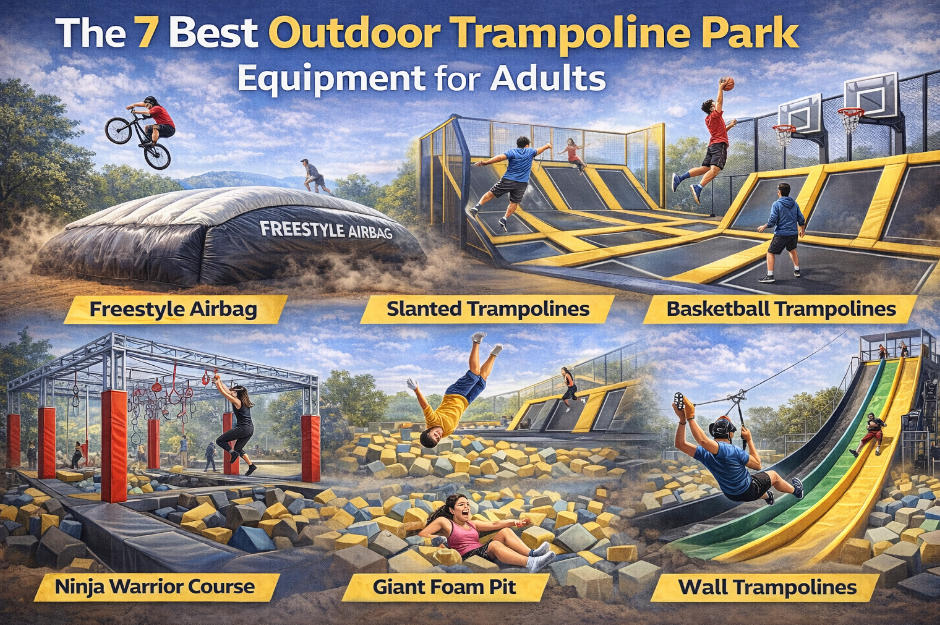
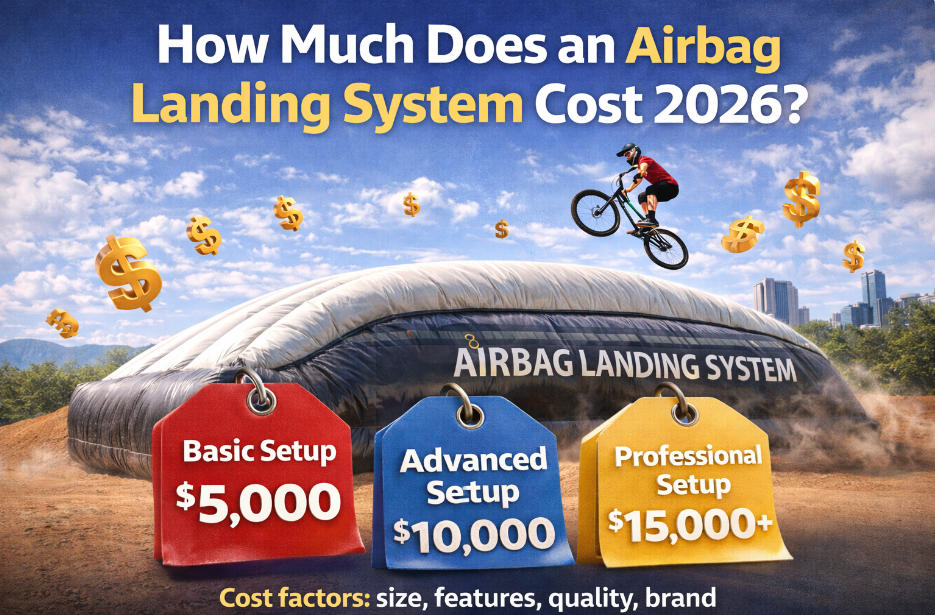
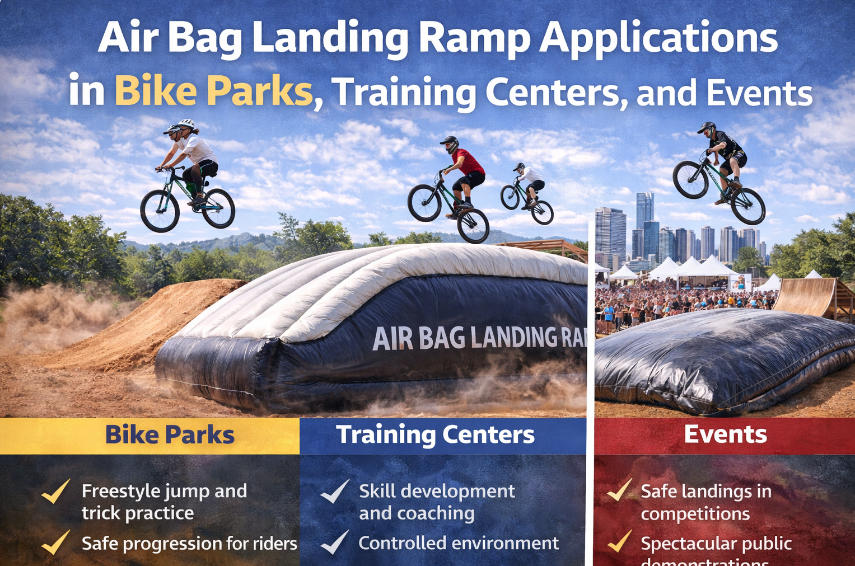
While automotive airbags are “passive safety” devices (waiting for a crash to happen), the technology has evolved into “active safety” tools in the world of extreme sports. In this domain, airbags are used repeatedly to catch athletes during training, requiring a completely different standard of durability and construction compared to the single-use explosive bags in cars.
Leading the charge in this sector is SUNPARK® AIRBAG, a manufacturer that demonstrates how airbag technology can be used for progression and training rather than just emergency survival.
Spotlight: Sunpark® Airbag Systems
Innovation in Safety: Sunpark® Airbag

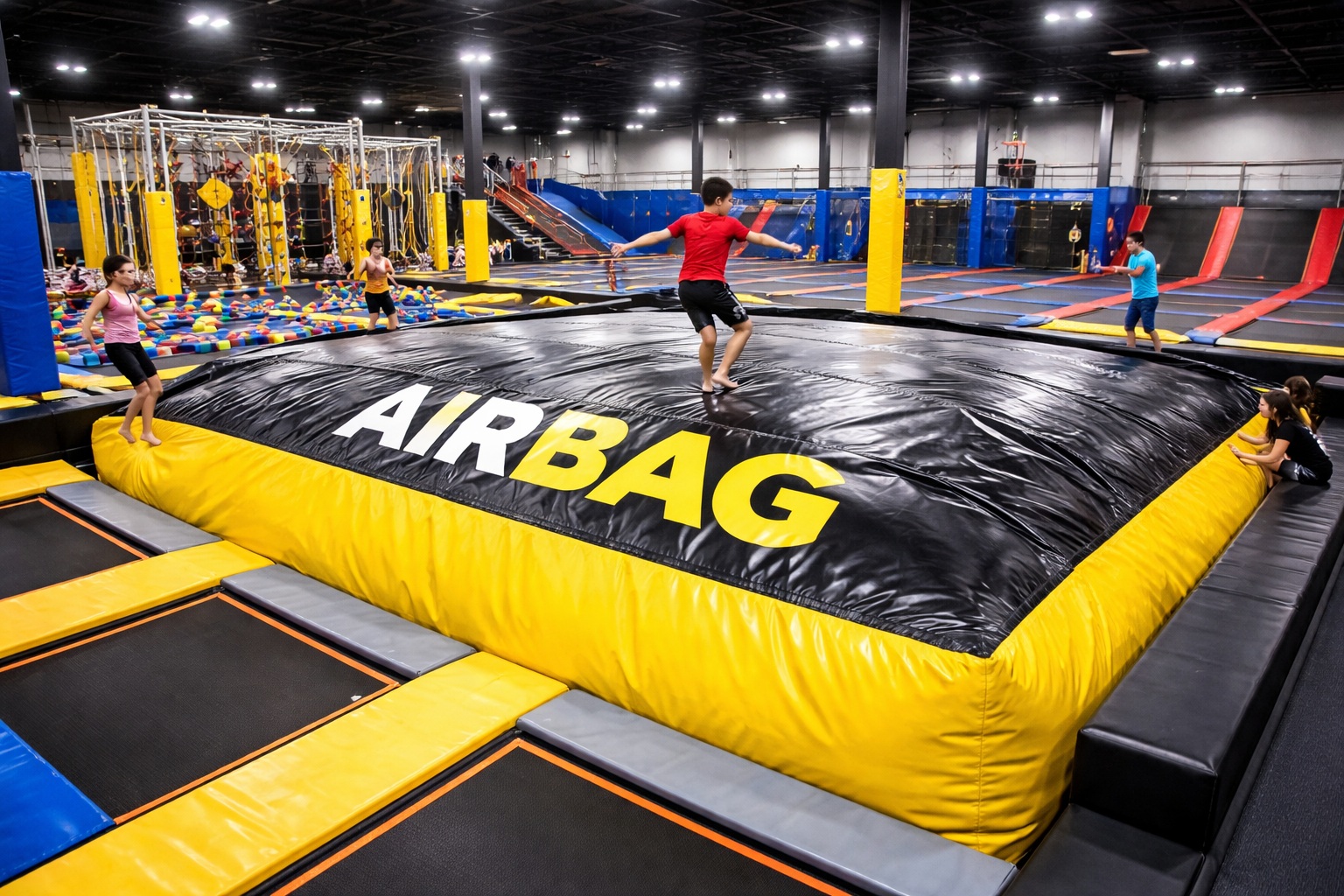
With over 10 years of experience, Sunpark® provides freestyle airbags for ski resorts, theme parks, sports, and gymnastics facilities around the globe. As the leading manufacturer of Airbags for Extreme Sports and Leisure Industries in China, they have revolutionized how athletes train.
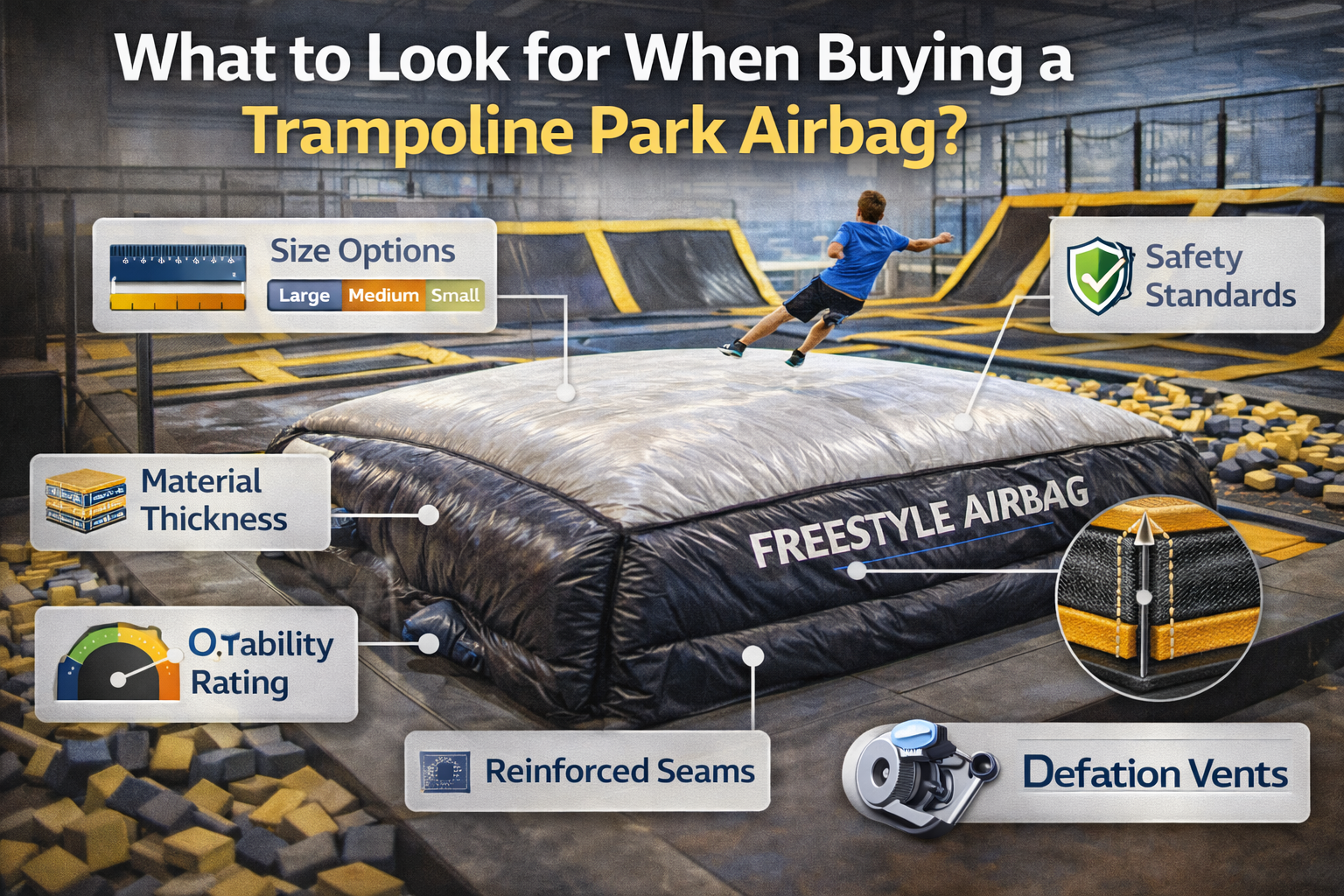
As extreme sports have developed, more snowboarders and serious sports enthusiasts are looking for safer training possibilities to progress without the risks of getting injured. Sunpark creates products for World Champion Snowboarders, famous riders, and trampoline parks worldwide. Unlike a 20-year-old car airbag that sits dormant, these systems are designed for high-impact daily use, utilizing high-grade materials that withstand UV exposure and repeated physical stress.
Sunpark’s Core Product Lineup:
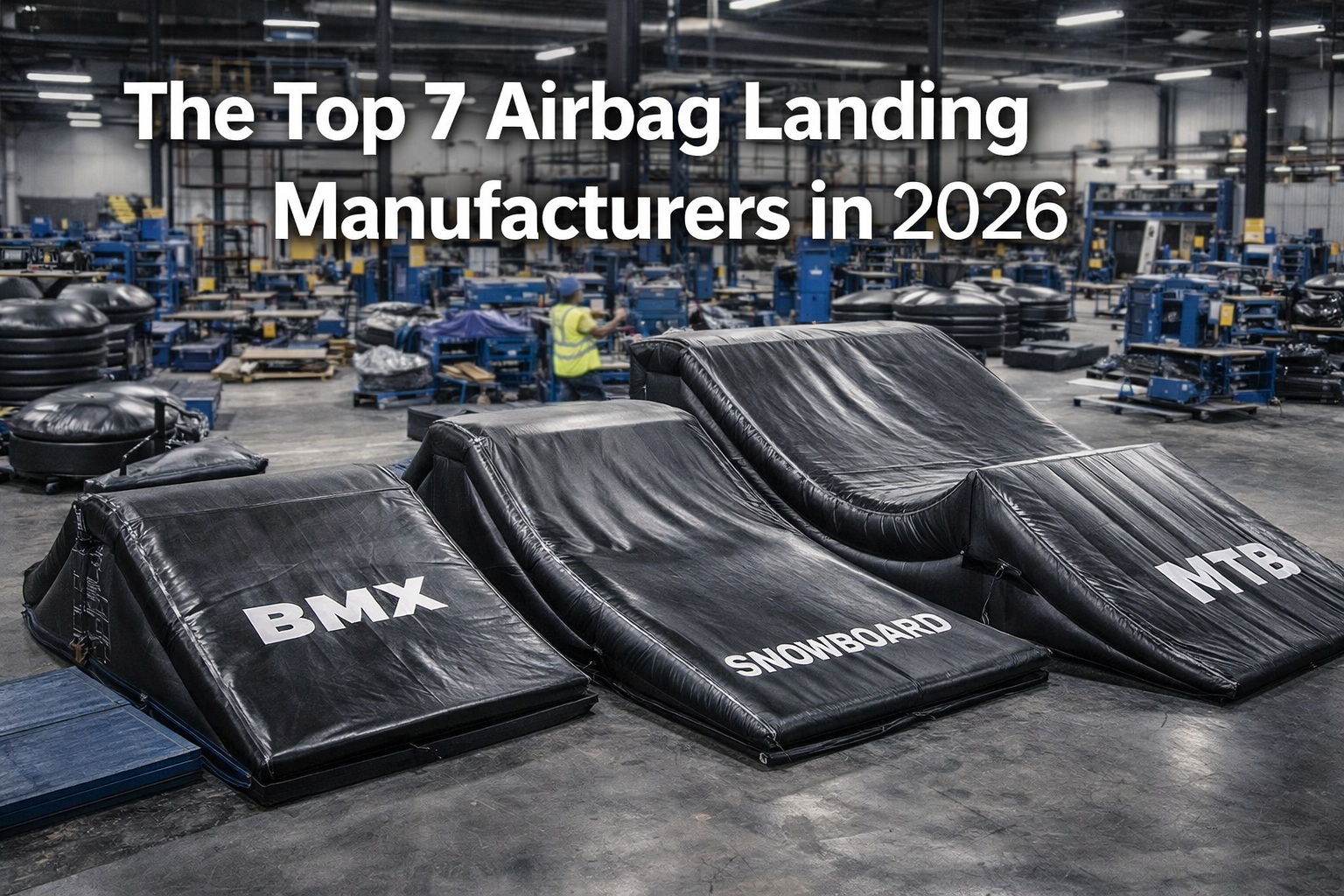
Snowboard Airbag Training
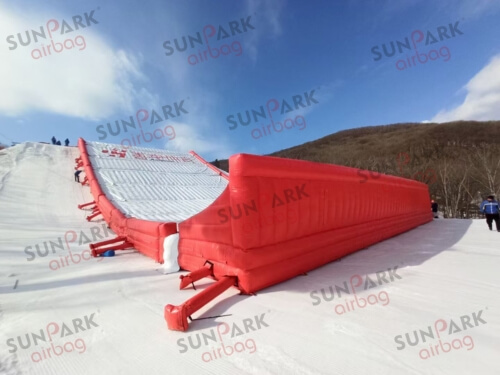
Large-scale landing pads designed to mimic the slope of a snowy landing. These allow snowboarders to attempt complex aerial maneuvers (flips, corks) with a guaranteed soft landing, eliminating the fear of hard ice impact.
MTB Airbag Training

Inflatable Airbag Landing for Training MTB Tricks
Specific airbags for Mountain Bikes (MTB). These are reinforced to withstand the impact of metal bike frames and tires. They enable riders to practice massive dirt jumps and slopestyle tricks safely.
BMX Airbag Landing
Tailored for BMX riders, these airbags feature a specialized “run-out” design. This allows the rider to land the trick and ride away if successful, or crash softly if they bail, bridging the gap between foam pits and real dirt.
FMX Airbag Landing
Freestyle Motocross requires massive airbags capable of absorbing the weight of a motorcycle and rider falling from heights of 30+ feet. Sunpark’s heavy-duty construction ensures safety for these high-stakes stunts.
Ski Airbag Training
Similar to the snowboard setup but optimized for the twin-tip nature of freestyle skiing. These airbags are often placed at ski resorts during the off-season or on dry slopes for year-round training.
Sunpark is ISO9001 certified and committed to continuous improvement, ensuring that whether for a theme park or a pro athlete, safety is never compromised.
Summary Safety Comparison Table
Understanding the difference between aging car safety tech and modern sports safety tech is crucial.
| Feature | 20 Year Old Car Airbag | Modern Sports Airbag (e.g., Sunpark) |
|---|---|---|
| Primary Function | Emergency Crash Protection (One-time use) | Training & Fall Protection (Repeated use) |
| Deployment Mechanism | Chemical Explosive (Squib) | Constant Air Pressure (Blowers) |
| Main Risk Factor | Chemical degradation / Moisture | Fabric tears / Air pressure loss |
| Lifespan | Lifetime of vehicle (unless recalled) | Depends on usage intensity (Maintenance required) |
| Maintenance | Check SRS Light | Regular inspection of seams/blowers |
Frequently Asked Questions (FAQs)
1. Do airbags have an expiration date?
Technically, no. Most modern automakers (post-1995) do not put an expiration date on airbags. However, if your owner’s manual from the early 90s lists a replacement date (often 10 or 15 years), you should consult a dealer. For the vast majority of cars on the road today, the airbags are “lifetime” parts.
2. How much does it cost to replace old airbags?
Replacing a set of airbags is expensive, often ranging from $1,000 to $4,000 depending on the vehicle. For a 20-year-old car, this cost often exceeds the value of the vehicle. If the airbags are not under recall and the SRS light is off, replacement is generally not required.
3. Is it safe to buy a 20-year-old car with original airbags?
Yes, provided two conditions are met: 1) The car is not subject to an open Takata airbag recall (check the VIN), and 2) The airbag warning light operates correctly (lights up on ignition, then turns off). If the light never turns on, the bulb may have been removed to hide a fault.
4. What makes Sunpark airbags different from car airbags?
Sunpark airbags are inflatable landing pads used for sports. They are kept inflated by air blowers and are soft to land on. Car airbags are hard, pyrotechnic devices that explode in milliseconds to stop you hitting the steering wheel. They serve completely different physics and safety purposes.
5. Can I test my old airbags to see if they work?
No. The only way to test a car airbag is to deploy it, which destroys it. You must rely on the vehicle’s internal diagnostic computer (the SRS light) to verify that the electrical circuits and sensors are functional.
References
- NHTSA. (2026). Takata Airbag Recall Spotlight. National Highway Traffic Safety Administration.
- Insurance Institute for Highway Safety (IIHS). (2024). Vehicle Safety Systems in Aging Fleets.