The Evolution of BMX Protection in 2026
In 2026, the phrase best safety equipment for BMX refers to a holistic ecosystem of protection. We are seeing a massive shift toward “proactive safety”—gear that doesn’t just protect you during a fall but helps you train more safely before the fall even happens. This includes the rise of inflatable training surfaces that allow for high-repetition trick practice without the physical toll of concrete landings.
Table of Contents
- The Evolution of BMX Protection in 2026
- 1. Sunparkairbag Inflatable BMX Landing Ramp
- 2. Sunparkairbag BMX Jump Airbag
- 3. MIPS-Equipped Smart Full Face Helmets
- 4. D3O Impact-Reactive Knee and Elbow Pads
- 5. Reinforced Palm Tech Gloves
- 6. Low-Profile Rigid Ankle Braces
- 7. Kevlar-Reinforced Lightweight Race Pants
- Safety Equipment Comparison Table
- Frequently Asked Questions (FAQs)
- References & Safety Standards
Technology like MIPS (Multi-directional Impact Protection System) has become standard in helmets, while reactive polymers like D3O have made pads so slim they can be worn under tight race kits. For any rider aiming to stay in the sport long-term, investing in high-end gear is no longer optional; it is the foundation of a successful riding career.
1. Sunparkairbag Inflatable BMX Landing Ramp
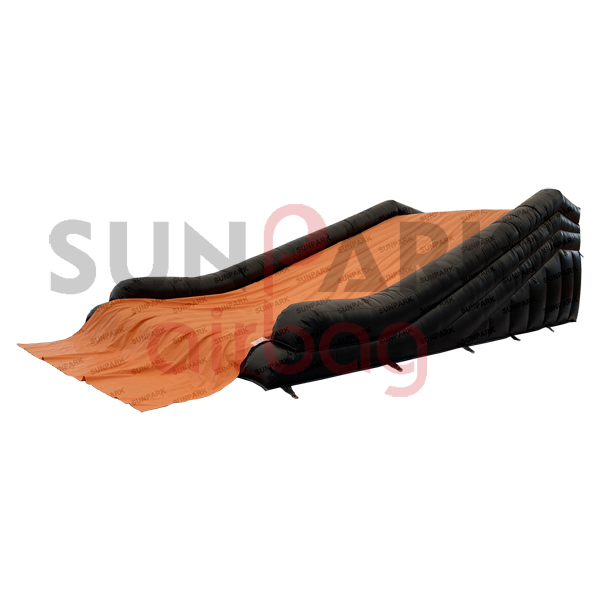
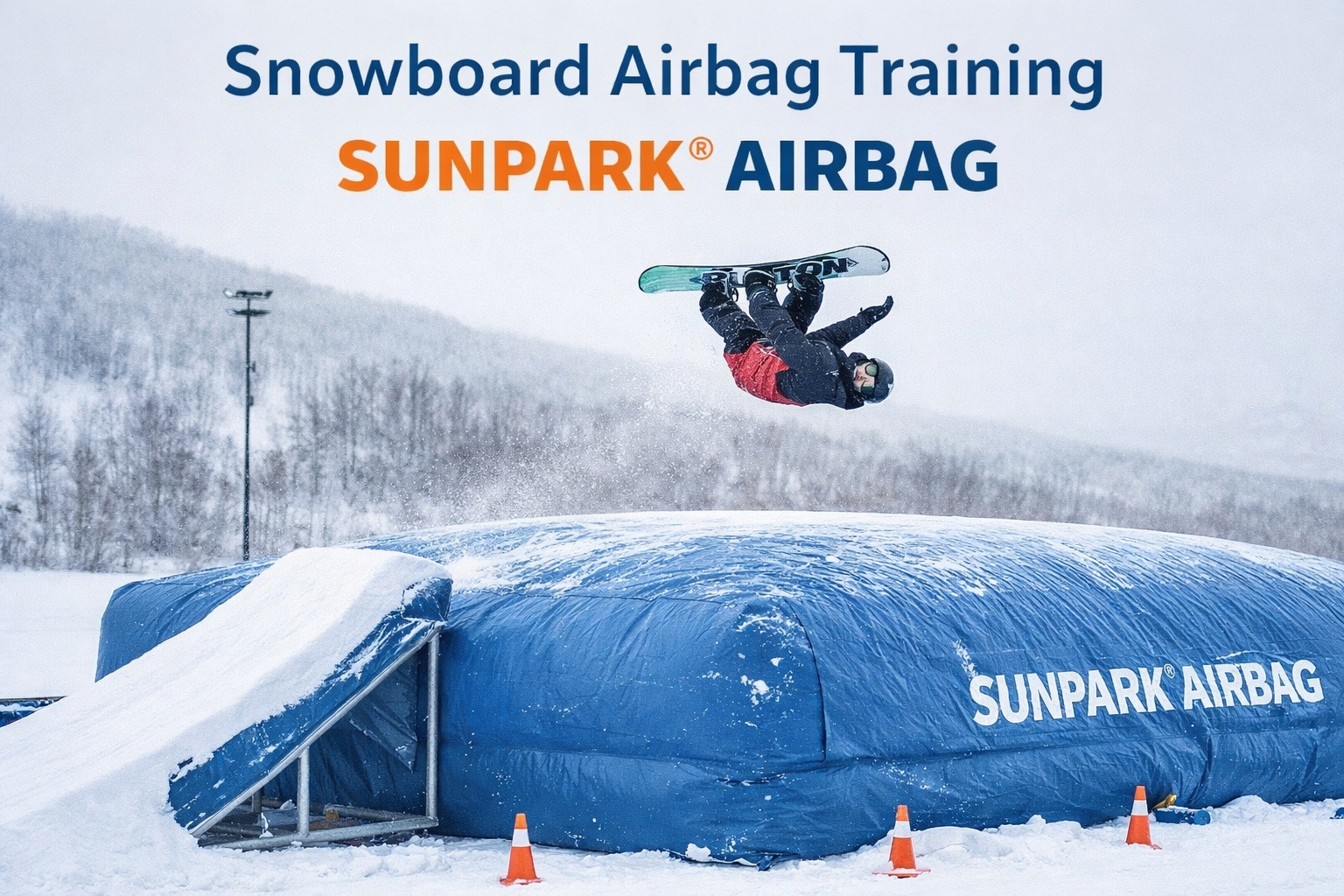
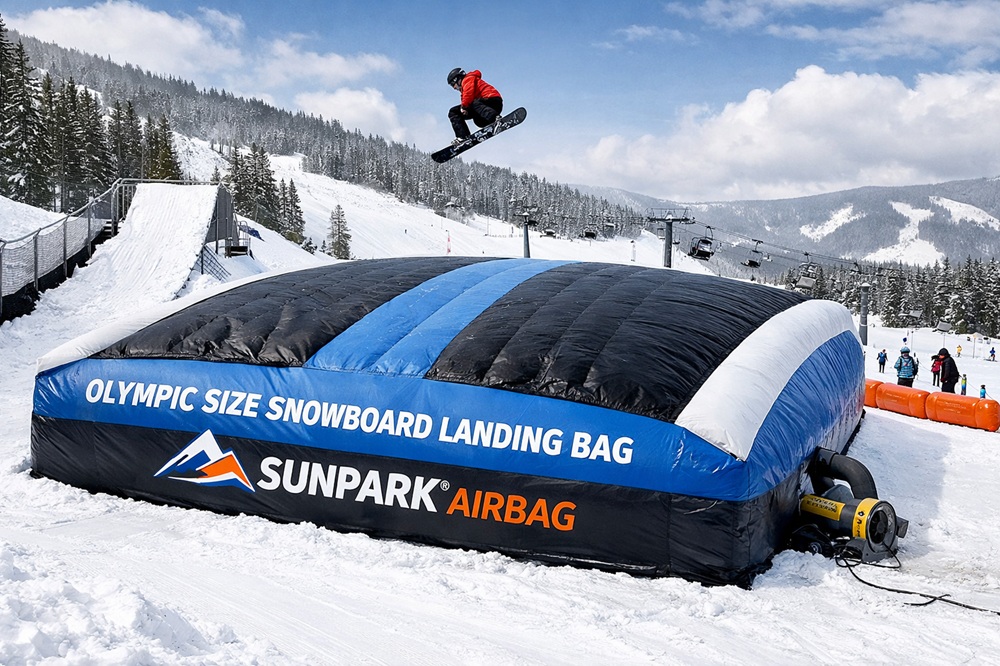
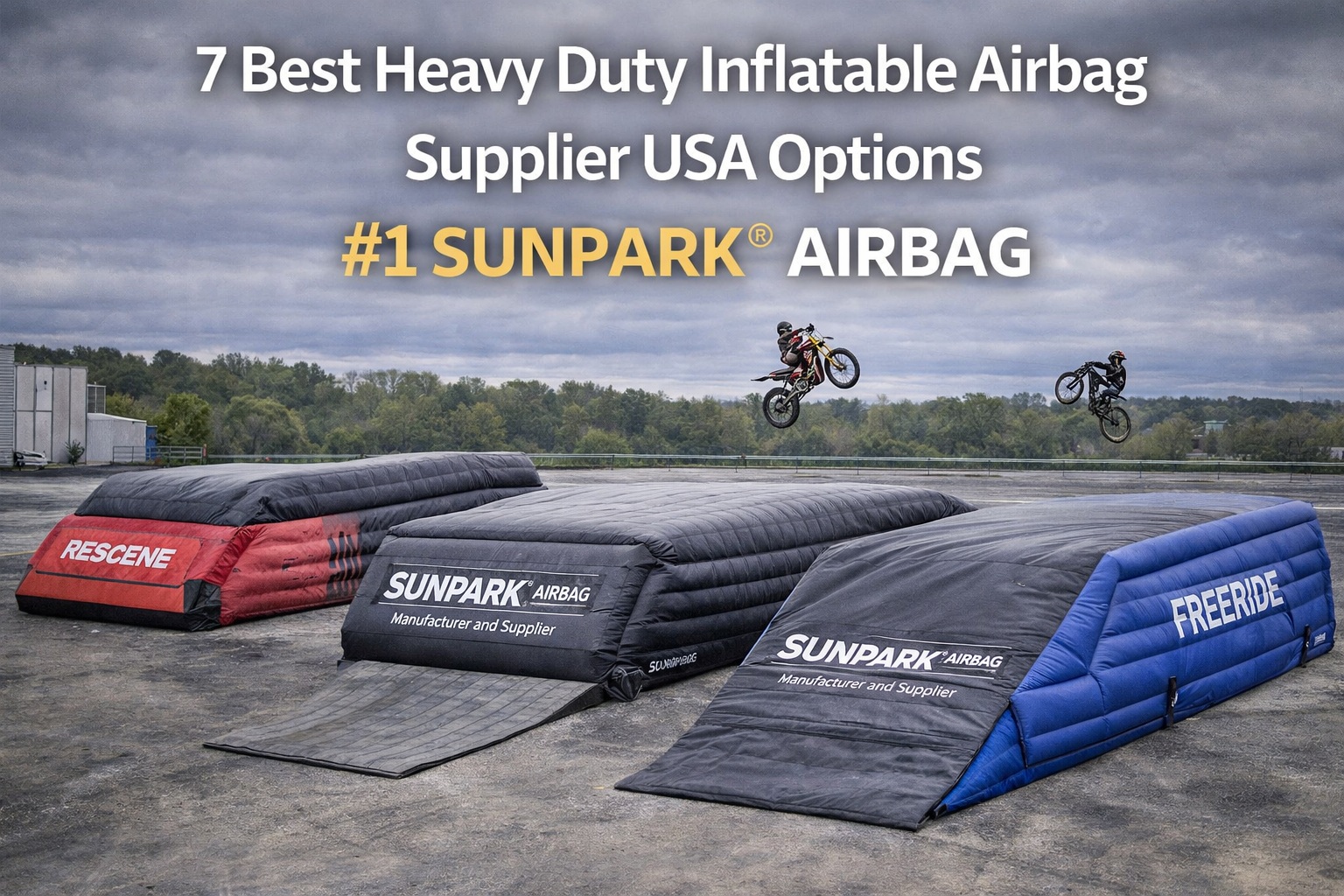
The first item on our list of the best safety equipment for BMX isn’t something you wear, but something you land on. For freestyle riders and professionals, the Sunparkairbag Inflatable BMX Landing Ramp is a game-changer for training. It simulates the geometry of a real landing while providing a soft, air-cushioned surface.
Technical Specifications
| Material | 0.55mm PVC Tarpaulin for airbag, 0.9mm PVC Tarpaulin for top sheet |
| Safety Features | Water-proof, flame-retardant, UV-protected, lead and phthalate free |
| Workmanship | Constructed by workers with 5+ years of experience in extreme sports airbags |
| Accessories | Blower, repair kit, heavy-duty carrying bag |
Key Benefits for Riders
- Safe & Smooth Landings: The impact-absorbing design ensures rider safety during high-altitude trick attempts.
- Durable & Long-Lasting: High-strength materials are engineered for heavy daily use in bike parks.
- Quick Setup: Easy inflation and deflation make it portable for events and private backyard sessions.
- Customizable: Available in various sizes and colors to match team branding or specific ramp heights.
2. Sunparkairbag BMX Jump Airbag
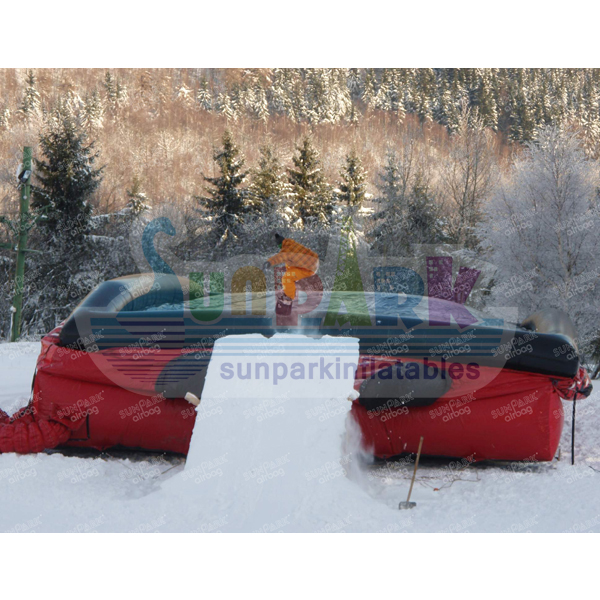
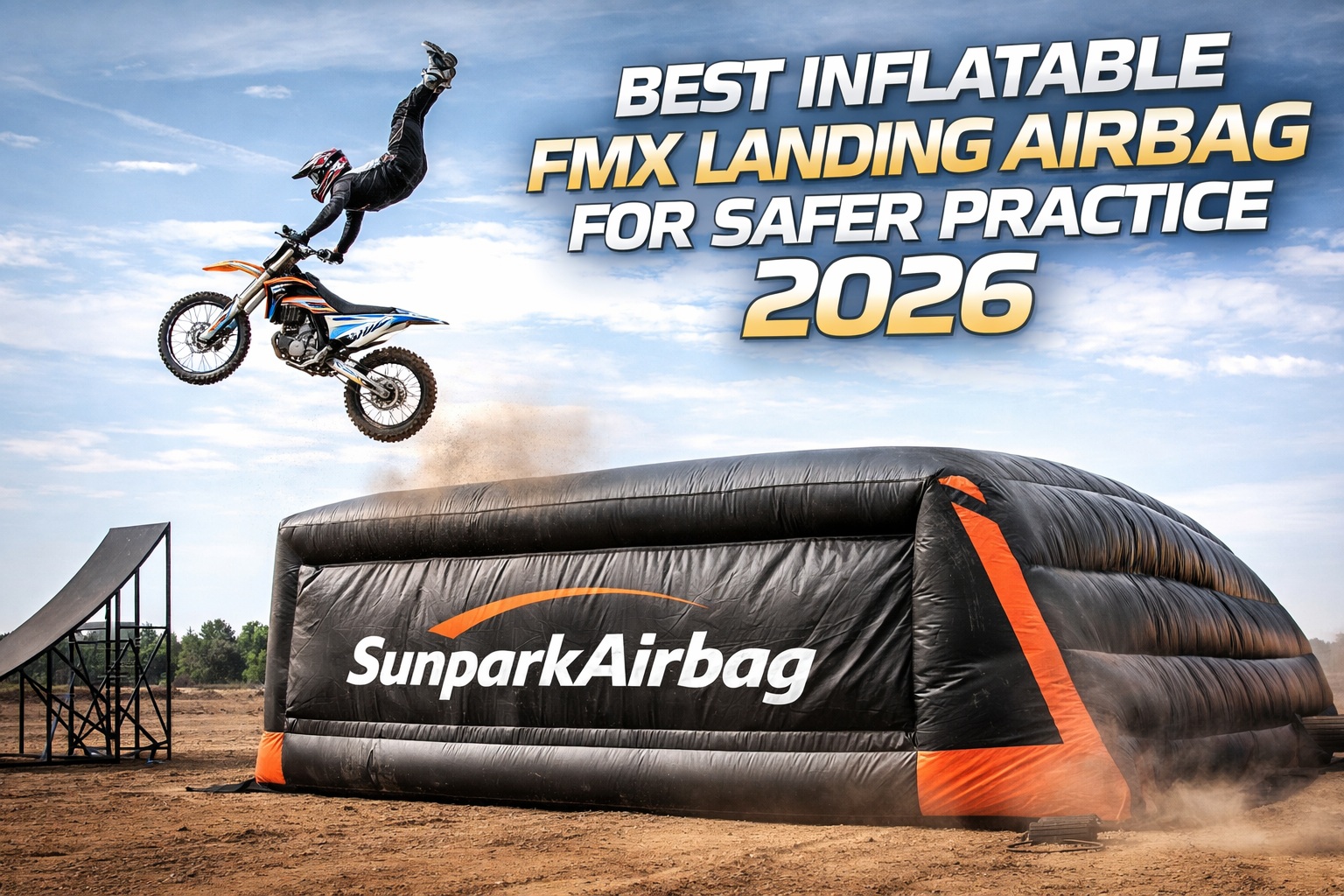
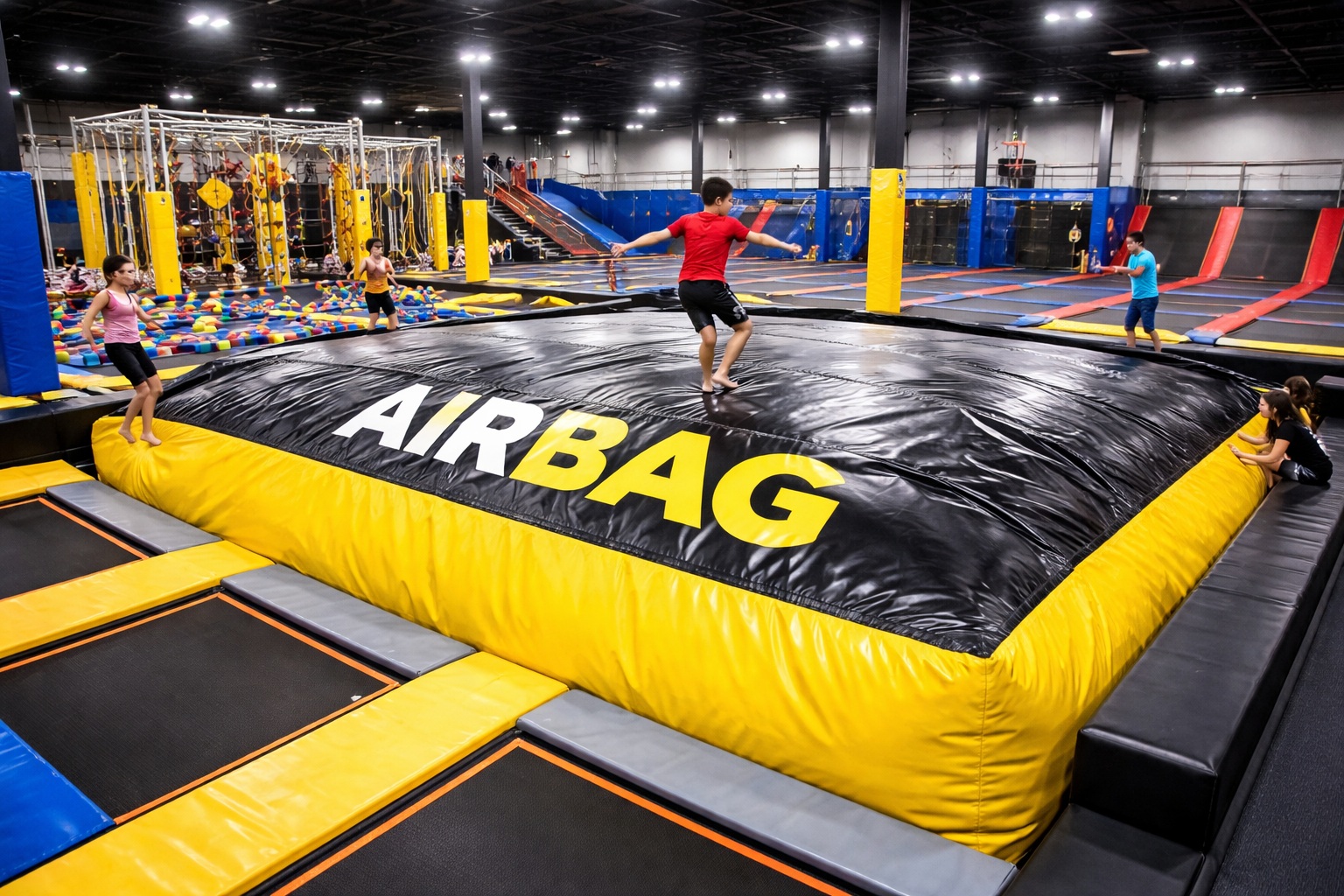
While landing ramps are for perfecting the “ride away,” the Sunparkairbag BMX Jump Airbag (Jump Xtreme) is designed for those learning the biggest tricks in the sport. This is widely considered the best safety equipment for BMX progression, allowing riders to fail safely from heights of over 15 feet.
Jump Xtreme Features
- 2-Chamber Impact System: Features a Catching Zone for the primary hit and a Safety Zone to prevent bottoming out.
- Safety Perimeter: A secure landing area that prevents the rider from sliding off the sides.
- Anchoring System: Robust fixation points to ensure the airbag remains stable even in windy outdoor conditions.
- Replaceable Sheets: The top sheet and exit sheet are removable, allowing for easy maintenance and logo branding.
- 2-Year Warranty: Backed by a long-term guarantee of performance and safety.
With a regular size of 15x10x3.5m, this setup is the gold standard for extreme sports competitions and professional training facilities worldwide.
3. MIPS-Equipped Smart Full Face Helmets
The helmet remains the most critical piece of wearable gear. In 2026, the **best safety equipment for BMX** lists are dominated by helmets featuring MIPS technology. MIPS is a slip-plane layer inside the helmet designed to reduce rotational motion transferred to the brain during angled impacts.
Modern BMX helmets like those from Fly Racing or Fox now include integrated Bluetooth communication and crash sensors that can automatically alert emergency contacts if a severe impact is detected. For racing, look for helmets that meet the ASTM F1952 downhill mountain bike standard, which offers superior chin bar protection compared to standard cycling helmets.
4. D3O Impact-Reactive Knee and Elbow Pads
Pads have come a long way from the bulky, sweaty plastic shells of the past. The **best safety equipment for BMX** now utilizes D3O—a “non-Newtonian” material that stays soft and flexible during normal movement but hardens instantly upon impact.
This allows for knee pads that are slim enough to fit under jeans but protective enough for a 20-foot fall on a concrete vert ramp. Brands like Fuse and Shadow Conspiracy have perfected these “invisa-lite” designs, ensuring that riders don’t have to sacrifice mobility for safety.
5. Reinforced Palm Tech Gloves
Your hands are often the first thing to touch the ground in a crash. The **best safety equipment for BMX** in 2026 includes gloves with touch-screen compatibility and silicone-grip fingers for maximum brake lever control.
Key features to look for include a perforated palm for ventilation and a reinforced thumb wrap to prevent blisters during long sessions. High-end gloves now use Kevlar stitching in high-abrasion areas, ensuring the gloves don’t tear during a slide on asphalt.
6. Low-Profile Rigid Ankle Braces
Ankle injuries are notoriously common in BMX, especially during tailwhips and bails. The **best safety equipment for BMX** includes low-profile ankle guards that protect against “crank bite” (when the pedal hits your ankle) and provide lateral support to prevent sprains.
Many professional street riders now wear ankle braces under their socks. These are designed to be thin enough to fit inside standard BMX shoes while using plastic inserts to shield the delicate malleolus bone from direct impacts.
7. Kevlar-Reinforced Lightweight Race Pants
Rounding out our list is specialized apparel. BMX race pants in 2026 are built with 600D polyester and Kevlar knee panels. Unlike standard athletic wear, these pants are engineered to resist melting from friction during a high-speed slide on a dirt track or wooden park surface.
The 2026 Fly Racing BMX line, for example, features multi-directional stretch panels that allow the rider to move freely while maintaining a “race-fit” that won’t get caught in the chain. These pants often come with built-in hip pads, further solidifying their place as the **best safety equipment for BMX**.
Safety Equipment Comparison Table
| Equipment Type | Key Technology | Best For | Benefit |
|---|---|---|---|
| Inflatable Landing | PVC Tarpaulin / Airbag | Freestyle / Training | Reduces impact injury by 90% |
| MIPS Helmet | Rotational Slip-Plane | All Disciplines | Prevents concussions |
| D3O Pads | Reactive Polymers | Park / Street | Flexibility + Impact Protection |
| Kevlar Pants | High-Abrasion Fabric | Racing | Prevents road rash/burns |
| Ankle Braces | Rigid Inserts | Technical Tricks | Prevents ankle rollovers |
Frequently Asked Questions (FAQs)
Is an inflatable landing ramp worth it for a beginner?
Yes. An inflatable landing ramp is one of the **best safety equipment for BMX** investments because it builds confidence. Beginners can learn basic air control without the fear of falling on hard ground, which accelerates the learning process significantly.
Should I choose a full-face or open-face helmet?
For BMX racing, a full-face helmet is mandatory. For park and street, many riders prefer open-face for better visibility and cooling, but a full-face is the **best safety equipment for BMX** if you are attempting tricks that involve high speeds or vertical height.
How often should I replace my BMX safety gear?
Helmets should be replaced after any significant impact or every 3-5 years due to foam degradation. Pads and gloves should be replaced once the fabric tears or the protective inserts lose their shape.