BMX riding is an inherently high-risk discipline. Whether you are racing on a track or performing freestyle tricks at a skatepark, the combination of speed, height, and rigid concrete surfaces creates a significant potential for trauma. From our experience working with world-champion athletes and facility operators, understanding the specific mechanics of these injuries is the first step toward prevention.
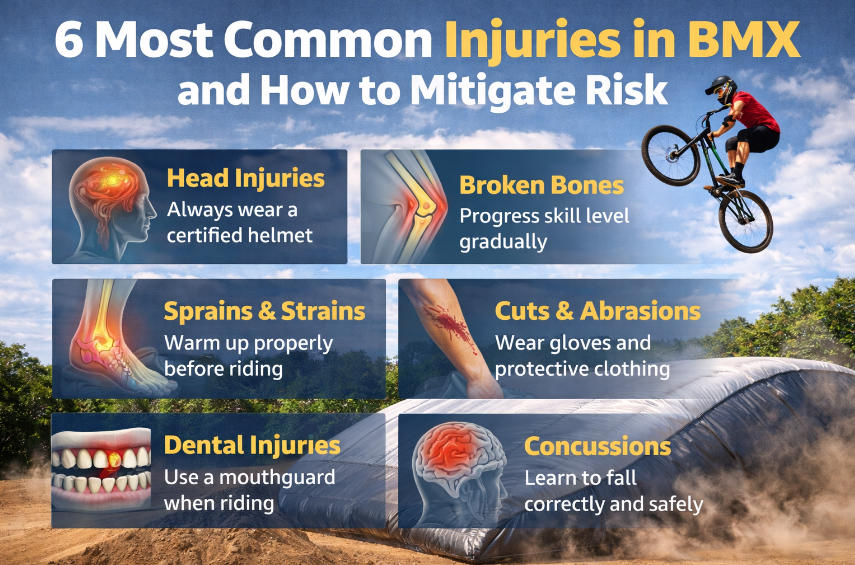
Table of Contents
- 1. Fractures: The Collarbone and Wrist
- 2. Concussions and Head Trauma
- 3. Abrasions (Road Rash)
- 4. AC Joint Separations and Shoulder Dislocations
- 5. Ligament Damage (ACL/MCL)
- 6. Deep Contusions and Hematomas
- Mitigation Strategies: Training Smarter
- Summary of BMX Injuries and Prevention
- Frequently Asked Questions
- References
1. Fractures: The Collarbone and Wrist
Fractures are arguably the most debilitating common injury in BMX. When a rider goes over the handlebars, the natural instinct is to extend the arms to break the fall. This transmission of force often bypasses the hands and travels directly up the arm.
Clavicle (Collarbone) Fractures: This is the most frequent bone break we see. The collarbone acts as a strut between the shoulder blade and the sternum; when force is applied to the shoulder (from a side impact) or transmitted through an outstretched arm, this bone snaps. Recovery typically takes 6-8 weeks.
Scaphoid and Distal Radius Fractures: The wrist absorbs immense shock during casing (landing short) or crashing. The scaphoid bone in the wrist is particularly notorious because it has poor blood supply, often requiring surgery to heal correctly if broken.
2. Concussions and Head Trauma
Despite the mandatory use of helmets in competitions, concussions remain a prevalent issue. In freestyle BMX, riders often fall backward, whipping the head into the ground (contrecoup injury). Rotational forces during a crash can shear brain tissue even without a direct skull fracture.
From our experience in safety infrastructure, we recommend full-face helmets for racing and high-impact park riding. Skate-style helmets often lack the chin protection necessary to prevent facial fractures and jaw injuries, which frequently accompany concussions.
3. Abrasions (Road Rash)
While often dismissed as minor, deep abrasions are the most frequent injury in BMX. Sliding across asphalt or concrete strips away layers of skin, exposing nerve endings and increasing infection risk. “Road rash” can be severe enough to require skin grafts in extreme cases.
We consistently see that riders who wear long sleeves and durable fabrics significantly reduce the severity of these injuries. Skin protection is the first line of defense against infection and scarring.
4. AC Joint Separations and Shoulder Dislocations
The Acromioclavicular (AC) joint connects the collarbone to the shoulder blade. A direct impact to the “point” of the shoulder—common when a rider “high-sides” in a turn—can tear the ligaments holding this joint together. This results in a visible bump on the shoulder and significant loss of motion.
Shoulder dislocations are also common when the arm is yanked backward or rotated forcefully during a crash. Rehabilitation for these injuries is lengthy, often requiring months of physical therapy to restore stability.
5. Ligament Damage (ACL/MCL)
Knee injuries in BMX usually occur from non-contact mechanisms. When a rider plants a foot to save a crash while moving at speed, the twisting motion can tear the Anterior Cruciate Ligament (ACL) or Medial Collateral Ligament (MCL). In racing, casing a jump can hyperextend the knee, leading to similar ligament ruptures.
We recommend knee braces for riders with a history of joint instability, as they provide mechanical support against lateral forces that ligaments cannot withstand alone.
6. Deep Contusions and Hematomas
The handlebars, pedals, and stems of a BMX bike are rigid metal components. Slipping a pedal often results in the pedal pins tearing into the shin (shinburger), causing deep bone bruises or hematomas. Handlebar impacts to the thighs or abdomen can cause deep muscle contusions that limit mobility for weeks.
Mitigation Strategies: Training Smarter
Preventing injury is not just about wearing pads; it is about changing how athletes learn and progress. The “trial by error” method on concrete is outdated and dangerous.
Protective Gear
At a minimum, riders should utilize certified helmets, knee pads, and gloves. For those attempting inverted tricks or high-speed jumps, a neck brace and chest protector are essential investments.
Safe Progression with Airbag Technology
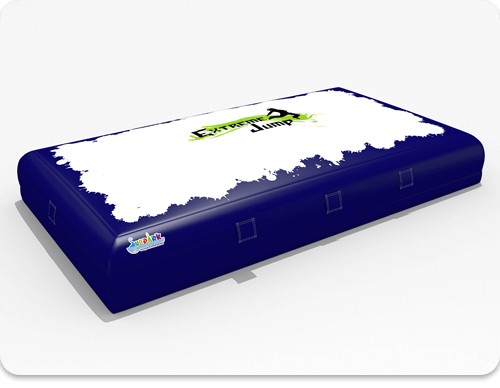
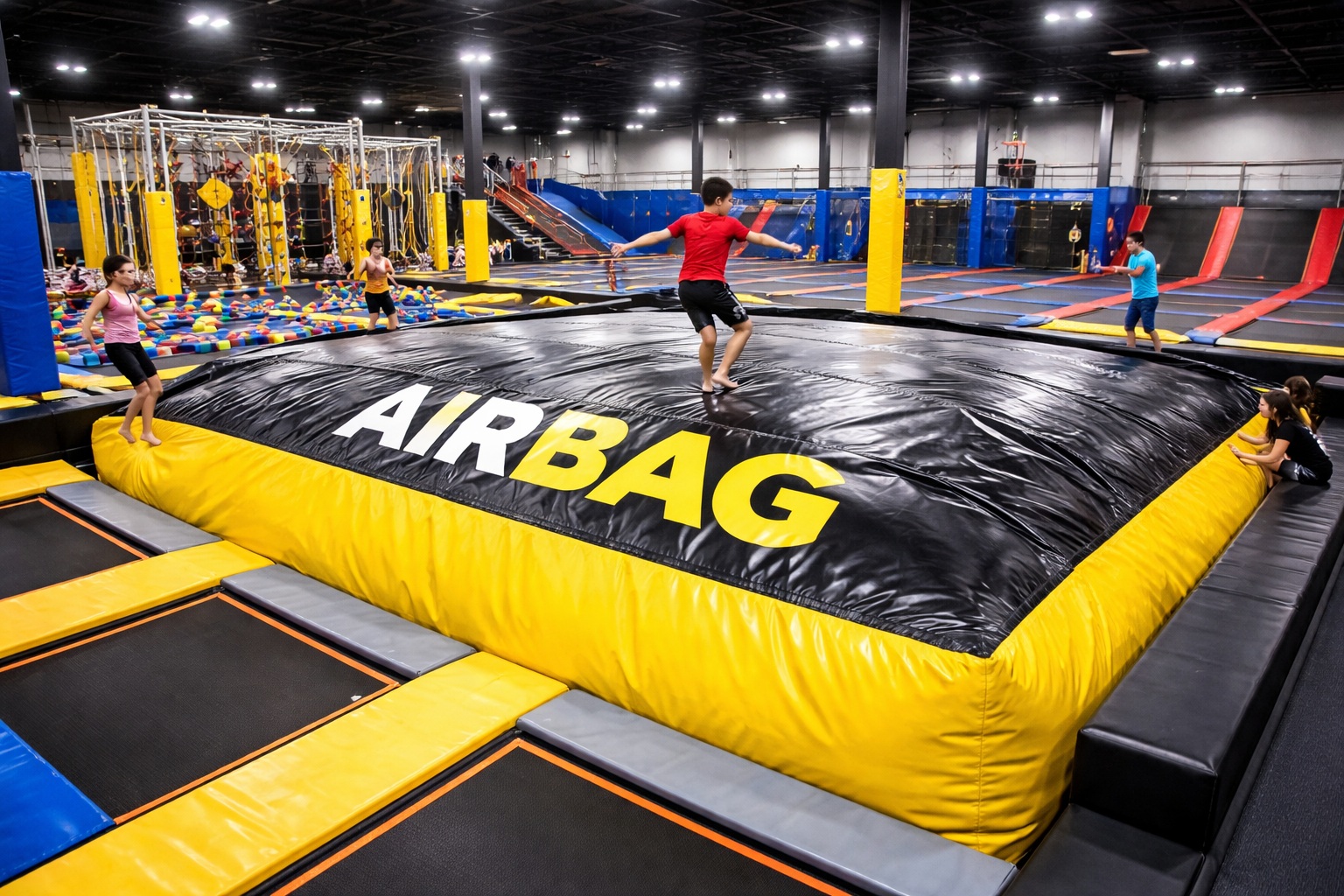
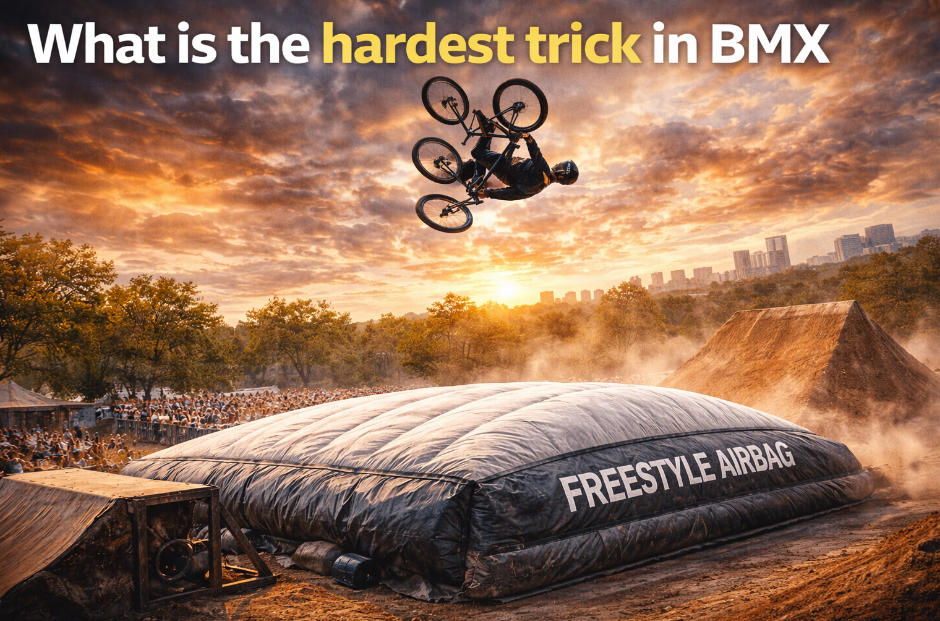
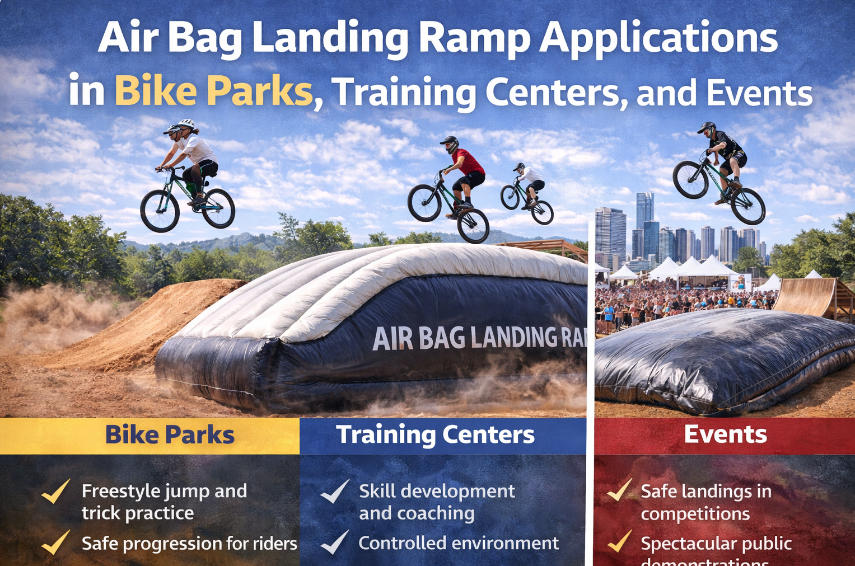
The most effective way to mitigate catastrophic injury during the learning phase is to remove the hard landing surface. We have seen a massive shift in the industry toward airbag training facilities. Riders who learn rotation mechanics on a forgiving surface are far less likely to injure themselves when they take the trick to dirt or concrete.
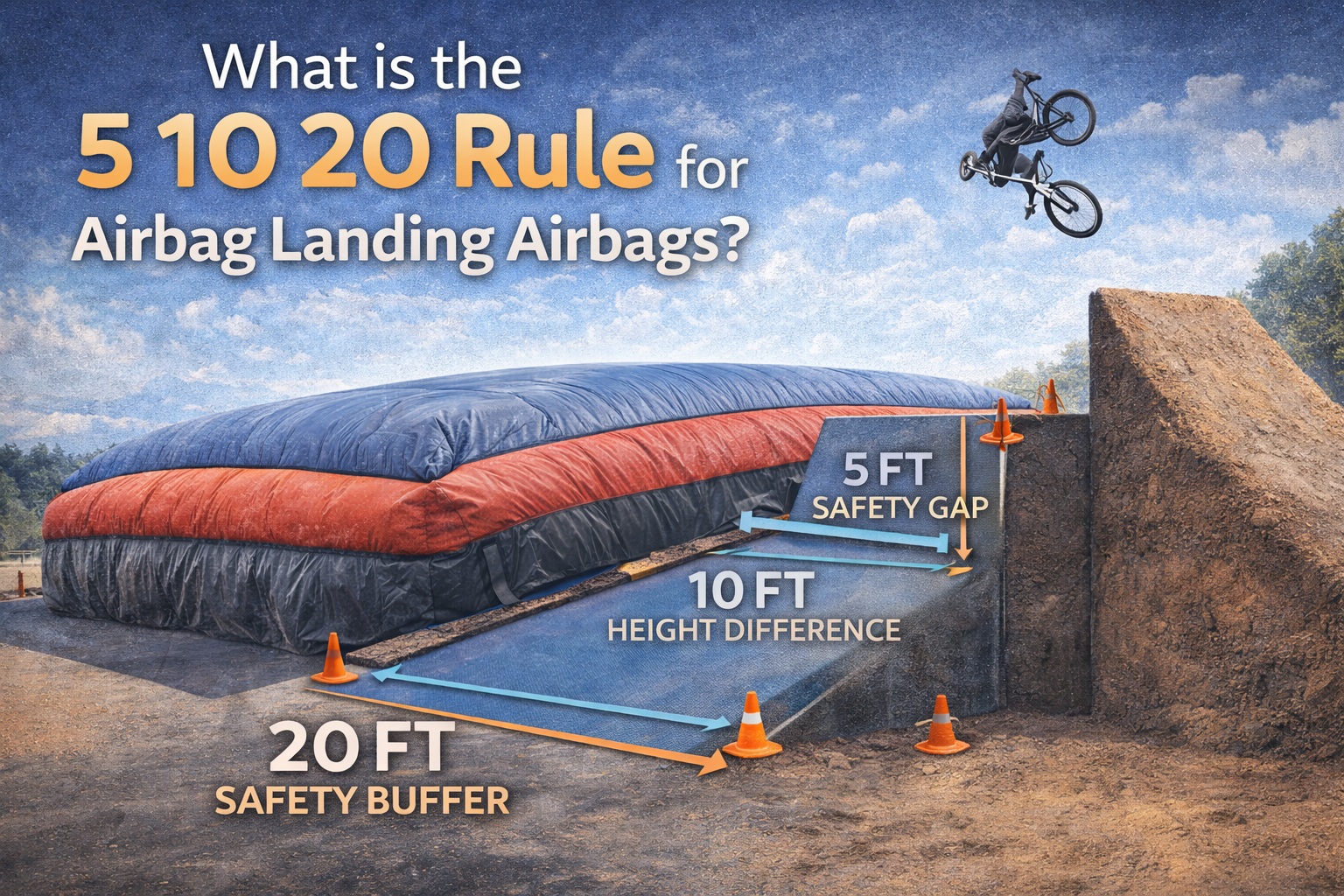
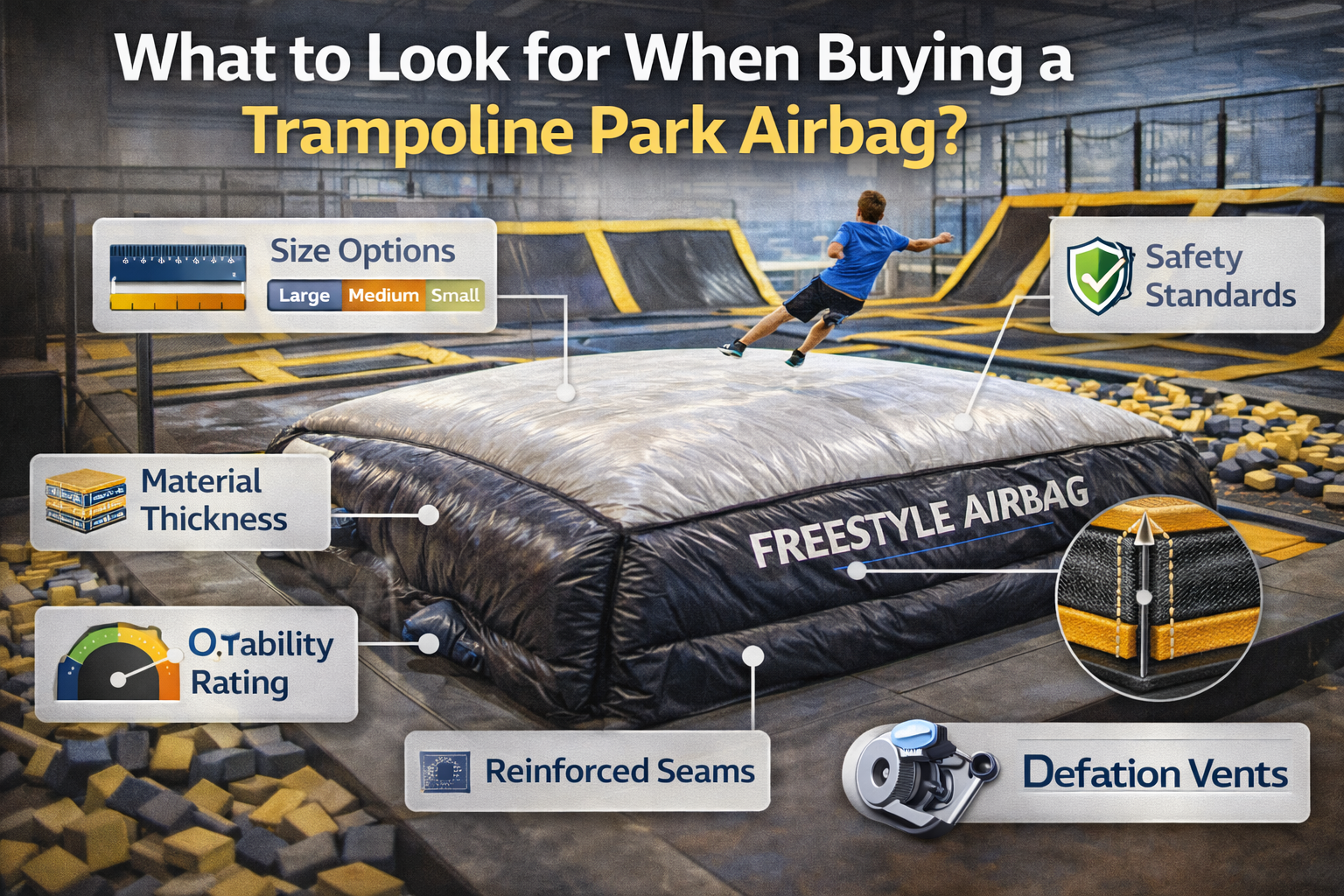
Sunpark Airbag has spent over a decade refining these safety solutions for the world’s top athletes. Our Airbag Landing systems are designed to mimic the angle of a real landing ramp while providing shock absorption that concrete simply cannot offer. For beginners learning basic aerial awareness, our Foam Pit Jump Airbag replaces loose foam blocks with a singular, safe cushion that eliminates the risk of “sinking” to the hard bottom.
Furthermore, our Inflatable Landing ramps allow riders to practice run-outs safely. Unlike a foam pit where you must stop, an airbag landing allows you to ride away if you land the trick, or slide out safely if you crash. This builds the muscle memory required for actual competition.
Summary of BMX Injuries and Prevention
| Injury Type | Common Cause | Prevention Strategy |
|---|---|---|
| Clavicle Fracture | Side impact, outstretched arm | Learning to “tuck and roll,” upper body armor |
| Concussion | Head impact, rotational force | Certified full-face helmets, neck strengthening |
| Abrasions | Sliding on concrete/dirt | Long sleeves, durable pants, elbow/knee pads |
| AC Separation | Direct blow to shoulder tip | Shoulder stabilizers, avoiding direct shoulder landings |
| ACL/MCL Tear | Planting foot at speed, twisting | Knee braces, hamstring/quad strengthening |
| Training Accidents | Failed trick attempts | Sunpark Airbag Landing systems for safe progression |
Frequently Asked Questions
Do airbags completely eliminate the risk of injury?
No safety device eliminates 100% of risk. However, airbags significantly reduce the impact forces transmitted to the body. A crash that would shatter a wrist on concrete often results in a simple slide-out on a Sunpark Airbag due to the energy absorption and non-abrasive surface.
Why are collarbone injuries so common in BMX?
The collarbone is the path of least resistance when force travels from the hand to the shoulder. Since BMX riders often extend their arms to catch a fall, the collarbone frequently buckles under the load.
Is a foam pit or an airbag better for training?
From our experience, airbags are superior. Foam pits require constant maintenance (fluffing), can cause respiratory issues from foam dust, and make it difficult to extricate a bike after a crash. Sunpark Airbag products offer a consistent landing surface that allows for faster turnover between jumps and a more realistic riding experience.
What is the most important piece of gear besides a helmet?
Knee pads. Knee injuries are complex and can end careers. Hard-shell knee pads protect the patella from direct impact with the stem or ground, which is a frequent occurrence in crashes.
References
- Chow, T. K., et al. (2020). “Injury patterns in BMX cycling: A review of the literature.” Journal of Sports Science & Medicine.
- Hagel, B. E., et al. (2015). “The effectiveness of helmets in bicycle collisions.” Accident Analysis & Prevention.
- Sunpark Airbag. (2024). “Safety Data and Impact Absorption Metrics for Inflatable Landing Systems.” Internal Technical Report.